Plot Explained Spoilers guaranteed!
Plot Explained

Browse by genre

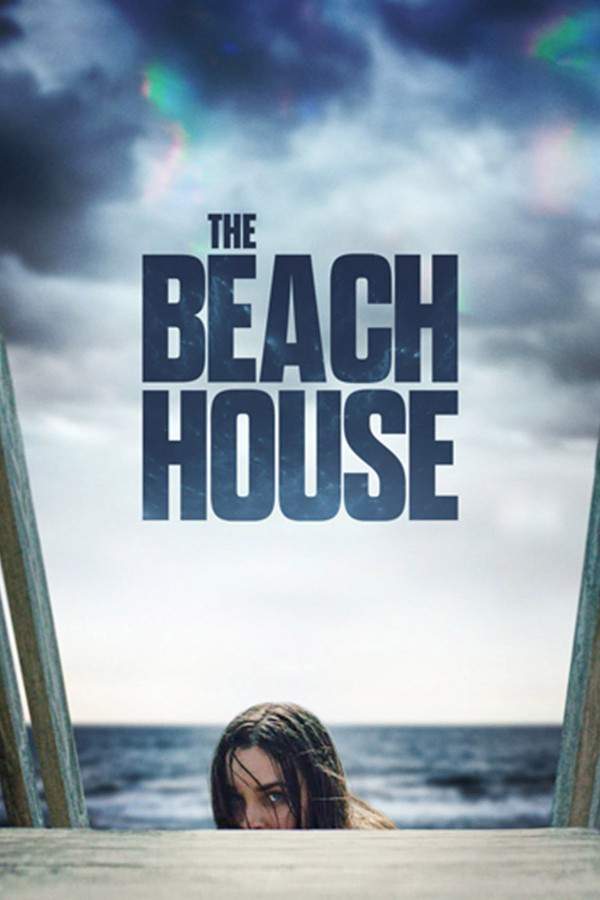
The Beach House (2020) movie poster

Ending Explained

The Beach House (2020) Ending Explained – Final Scene & Meaning

Release, runtime and language
2020 · 88 min · English
Echo score 60
Loading streaming availability…
Directed by
Jeffrey A. Brown
Starring
Jake Weber, Liana Liberato, Dan Zakarija, Maryann Nagel, Matt Maisto, Michael Brumfield

Seeking respite, Randall and Emily retreat to a remote beach house owned by his family. Their quiet escape is interrupted by Mitch and Jane, friends of Randall's estranged father. As the group attempts to enjoy the peaceful setting, strange occurrences begin to disrupt the tranquility. Environmental anomalies escalate, creating a growing sense of dread and threatening the bonds between them as they face an impending and unsettling doom.

On this page (7)
  1. 1 Where to watch
  2. 2 What happens at the end
  3. 3 Final events in order
  4. 4 Ending questions answered
  5. 5 Movie threads
  6. 6 Movies like The Beach House
  7. 7 Every angle
Loading streaming availability…

Ending explained · contains spoilers

What Happens at the End of The Beach House?

How The Beach House (2020) ends, what the final scene means, which earlier moments set it up and how to read the ending if the film leaves it open. The full ending explained, with every spoiler.

The conclusion of The Beach House delivers a bleak yet poetically constructed resolution to its eco-horror premise, leaving the audience with a haunting image of surrender. After the mysterious fog clears and the full scope of the biological threat is revealed, Emily appears to be the sole survivor, having successfully extracted the parasitic worm that burrowed into her foot after she stepped on a jellyfish. However, her triumph is temporary. In the film's final moments, she lies resigned on the sand as the tide washes over her, and in a shocking transformation, her body dissolves into the sea. This fate is not random; rather, it is a direct consequence of how the infection alters human biology based on its point of entry. Just as her boyfriend Randall began to mutate into a mollusk-like creature after ingesting an oyster, Emily’s physiology shifted to mimic the jellyfish that infected her. Because jellyfish are composed almost entirely of water, they essentially evaporate when beached on land, and similarly, Emily disintegrates when the water touches her, merging completely with the ocean that has reclaimed the land.

The film uses this grim ending to solidify its central theme regarding the environment’s retaliation against humanity. The story reveals that rising temperatures have awakened dormant microbes and ancient aquatic life forms, turning the ocean into a hostile force. While the other characters meet gruesome ends defined by their specific infections—skin lesions from spores or bodily takeovers from ingested parasites—Emily’s dissolution serves as a tragic metaphor. She does not survive because, in this new ecological paradigm, humanity cannot outrun the fundamental changes to the planet. By having the protagonist literally turn into water, the movie suggests that nature is not just a setting for horror, but an active participant restoring balance by absorbing humanity back into the primordial soup.

Last updated: March 30, 2026 at 18:47

Was this helpful?

The last 4 events

How The Beach House Ends: The Final Events in Order

The last events of The Beach House (2020) in chronological order, the run-up to the ending explained above. The complete timeline has all 13 events, scene by scene.

Open the full timeline
  1. Basement discoveries: scuba tanks and a mutated survivor

    In the basement, Emily discovers scuba tanks that could provide breathable air and realizes they might survive with them. She also encounters a horribly mutated person feeding on a corpse.

    When
    night
    Where
    basement
  2. Randall's attack and Emily's escape

    Upstairs, Randall vomits a squid-like creature and his eyes turn white as the infection takes hold. Emily returns with the scuba gear, and when Randall attacks, she defends herself and knocks him out with a scuba tank, then escapes.

    When
    night
    Where
    house interior
  3. Car crash and tide pool hallucinations

    Emily drives away but becomes disoriented in the fog and crashes into a tree. She staggers from the car to a tide pool, breathes the fog again, and hallucinates about the microbes in the water.

    When
    night
    Where
    road and tide pool
  4. Morning on the beach and the final engulfing wave

    The next morning, she lies on the beach not scared as the infection completes its course. A wave finally engulfs her body and drags her out to sea.

    When
    morning
    Where
    beach

Ending questions answered

The Beach House Ending: Your Questions Answered

The questions people ask most about the ending of The Beach House (2020): what the final scene means, how the twist works, what happens to each character and how to read the ending. Each answer contains spoilers.

Q1

Why does Emily dissolve in the ocean at the end of The Beach House?

Emily dissolves because the parasitic worm that infected her came from a jellyfish. The film explains that the infection alters human biology based on the point of entry, Randall became mollusk-like after eating an oyster, while Emily's body took on jellyfish characteristics. Since jellyfish are composed almost entirely of water, they evaporate when beached, and similarly, Emily disintegrates when the tide touches her, essentially becoming one with the ocean.

Foreshadowing: Earlier, Emily steps on a jellyfish while swimming, which introduces the specific parasite that will later consume her.

  • emily dissolution
  • jellyfish parasite
  • infection entry point
  • the beach house ending
Q2

What happens to Randall at the end of The Beach House?

Randall succumbs to his infection after ingesting an oyster contaminated with the parasitic organism. Rather than dying normally, his body undergoes a horrific transformation into a mollusk-like creature, reflecting the aquatic origin of his specific infection. He represents one of the film's multiple possible fates for those infected, bodily takeover rather than dissolution.

Foreshadowing: The group consumes oysters early in the film, with Randall notably eating the most, setting up his particular method of infection.

  • randall death
  • oyster infection
  • mollusk transformation
  • the beach house ending
Q3

Is Emily actually a survivor or does her dissolution count as death?

Emily's fate is intentionally ambiguous but leans toward a form of non-survival. While she successfully extracts the worm from her foot and appears to be the only one who escapes the immediate biological takeover, the ending reveals this triumph is temporary. Her transformation into water upon contact with the ocean suggests survival in a literal sense is impossible, humanity cannot escape the ecological collapse, only merge with it in a non-human form.

Foreshadowing: The film's tone establishes early that escape from the environmental threat is impossible, with every character's fate predetermined by their infection method.

  • emily survival
  • transformation death
  • ambiguous ending
  • the beach house ending
Q4

Why does each character experience a different infection outcome?

The film establishes that the biological threat responds differently depending on how it enters the body. When ingested through oysters, the parasite takes over internally, causing mollusk-like transformation as seen with Randall. When the entry point is through skin via jellyfish sting, the victim dissolves when exposed to water, as with Emily. The spore-based infections cause skin lesions and bodily decay. This variation suggests the organism adapts to its host's biology based on the transmission method.

Foreshadowing: The group experiences multiple types of exposure, ingested oysters, skin contact with spores, and jellyfish stings, each leading to distinct fates.

  • infection variation
  • parasite entry point
  • different fates
  • the beach house ending
Q5

What is the significance of the jellyfish and oyster in the ending?

The jellyfish and oyster serve as the film's central mechanistic symbols for how the environmental apocalypse chooses its victims. These specific aquatic life forms represent the ocean's diverse defense mechanisms. The parasite's behavior based on entry method, not random destruction, implies a purposeful, almost judicial response from nature. Each character's fate is determined by their specific interaction with the sea, making the ending feel like an ecological reckoning rather than arbitrary tragedy.

Foreshadowing: Early scenes establish the ocean's presence through jellyfish in the water and oysters as food, planting the seeds for the film's cause-and-effect logic.

  • jellyfish
  • oyster
  • ecological justice
  • parasitic transmission
  • the beach house ending
Q6

Does the ending of The Beach House suggest humanity cannot survive the environmental crisis?

Yes, the ending delivers a stark message that conventional survival is impossible. The film portrays the environmental catastrophe as an inescapable force, rising temperatures have awakened ancient microbes that turn the ocean into a hostile entity. While characters try to escape or fight the infection, the only outcomes are transformation into non-human forms or dissolution. The protagonist literally turning into water rather than escaping suggests humanity will be absorbed back into nature rather than overcome the ecological collapse.

Foreshadowing: The escalating environmental anomalies throughout the film establish an unstoppable, mounting threat that exceeds human capacity to combat.

  • environmental collapse
  • humanity survival
  • apocalypse
  • the beach house ending
Q7

Why does the ocean reclaim the land in the finale?

The ocean's takeover represents nature's active retaliation rather than a passive setting. The film reveals that rising temperatures have awakened dormant microbes and ancient aquatic life forms, turning the sea into an aggressive force. This is not a flood or natural disaster, it is an ecological awakening. The beach house, positioned as a symbol of human retreat into nature, becomes the site of nature's reclamation, suggesting the planet is actively rejecting human presence and restoring balance.

Foreshadowing: Environmental anomalies escalate throughout the film, with the fog and biological changes progressing from unsettling to apocalyptic.

  • ocean reclamation
  • environmental retaliation
  • nature taking back
  • the beach house ending
Q8

Is Emily's transformation into water at the end symbolic?

Emily's dissolution into the ocean functions as the film's most potent symbol. By having the protagonist, someone viewers attach to and root for, literally become water, the movie completes its thematic arc about humanity's relationship with nature. The film explicitly frames this as humanity being absorbed back into the primordial soup. Unlike the gross transformations of other characters, Emily's fate appears almost peaceful, suggesting that those who try to return to nature may be reabsorbed rather than destroyed, though still not truly surviving as human beings.

Foreshadowing: The earlier visual contrast between the peaceful ocean scenes and the horrifying transformations sets up water as both threatening and oddly welcoming.

  • emily water transformation
  • primordial soup
  • symbolism
  • the beach house ending
Q9

What happens to Mitch and Jane at the end of The Beach House?

Mitch and Jane die from their specific infections. Mitch, who inhales or comes into contact with the spore-based pathogen, develops severe skin lesions and ultimately takes his own life rather than succumbing to the bodily horror. Jane also succumbs to the infection, though the film focuses less on her specific death compared to the other characters. Their deaths demonstrate that no one escapes the ecological reckoning, each person's fate corresponds to their method of exposure.

Foreshadowing: Both characters are shown experiencing symptoms earlier, with visible signs of infection developing before their deaths.

  • mitch jane death
  • spore infection
  • the beach house ending
Q10

What happens when the fog clears at the end of The Beach House?

When the fog clears, the full scope of the biological threat becomes visible. The mystery of the environmental anomalies is resolved: rising temperatures have awakened dormant microbes and ancient aquatic life forms in the ocean, creating a hostile ecosystem that attacks humans on multiple levels. The clearing reveals not safety but the complete dominance of the ocean's new biological reality, there's nowhere to go, and the threat extends far beyond the beach house.

Foreshadowing: The fog functions as a barrier throughout the film, with characters uncertain what lies beyond it until the final revelation.

  • fog clears
  • biological threat revealed
  • the beach house ending
Q11

What is the environmental message of The Beach House ending?

The ending delivers a stark eco-horror message: nature is not a passive backdrop but an active participant in restoring planetary balance. Rising temperatures have awakened dormant threats, turning the ocean from a place of retreat into a hostile force. The film's various infection outcomes represent nature'sjudicious response to human intrusion, each person's transformation reflects their specific interaction with the environment. The bleak conclusion that humanity cannot outrun these fundamental planetary changes positions the film as a cautionary tale about ecological collapse and humanity's hubristic relationship with nature.

Foreshadowing: The escalating environmental anomalies throughout the film establish a cause-and-effect relationship between human presence and nature's response.

  • environmental message
  • eco-horror
  • nature retaliation
  • the beach house ending

Movie threads

More Movies Like The Beach House, by Mood & Story

Curated lists built around what makes The Beach House tick: the same mood, the same kind of story or the same emotional payoff. Each list explains why these movies belong together.

Eco-Apocalyptic Horror Movies Like The Beach House

When nature itself turns hostile, unraveling humanity in beautiful but deadly settings. If you were captivated by the environmental horror and global dread in The Beach House, this thread brings you more movies where nature turns hostile. Discover films with similar themes of ecological disaster, infection, and bleak survival against an indifferent, changing world.

  • apocalyptic
  • dreadful
  • unsettling
  • hopeless
  • claustrophobic
  • anxious
  • Tone: tense, bleak, dreadful
  • Pacing: steady, methodical
Why these movies?

The story pattern: These narratives typically begin with a semblance of normalcy that is quickly shattered by inexplicable environmental anomalies. Characters find themselves trapped and powerless as a global or localized ecological disaster unfolds, focusing on the psychological and physical toll of survival against an unstoppable force.

Why they belong together: Movies are grouped here because they share a core theme of environmental dread and apocalyptic horror. They create a specific kind of fear rooted in the real-world anxiety of climate change and pandemics, featuring a heavy, bleak tone and a focus on the collapse of society or the self.

Isolation Horror Movies Similar to The Beach House

Trapped in a remote location as psychological and physical terror escalates. Fans of The Beach House's claustrophobic tension and remote setting will find more chilling tales here. This collection features horror movies where characters are trapped in isolated locations, facing escalating dread and psychological breakdown in a slow, steady burn.

  • claustrophobic
  • dreadful
  • tense
  • unsettling
  • anxious
  • isolated
  • Tone: tense, claustrophobic, unsettling
  • Pacing: steady, slow burn
Why these movies?

The story pattern: The narrative follows a group or individual cut off from help in a remote location. The initial unease grows into full-blown terror through a series of escalating events, testing the bonds between characters and often revealing their darkest instincts as hope diminishes.

Why they belong together: These films are united by their atmospheric use of isolation to amplify fear. They share a steady pacing that builds dread, a high level of tension, and a focus on the psychological deterioration of characters facing unimaginable circumstances in a confined space.

If you liked this

Movies Like The Beach House

Similar movies to The Beach House: the same genre, themes or kind of story. Each one comes with its own plot summary, timeline and ending explained.

Browse all movie summaries

Every angle

The Beach House (2020) Explained: Plot, Ending, Timeline & Characters

Everything about The Beach House in one place: what happens in the plot summary, the timeline in chronological order, the characters and meaning, the ending explained and a spoiler-free summary. What's After the Movie adds the cast, box office and post-credit scenes.

Coming soon on iOS and Android

The Plot Explained Movie Summary App

Plot summaries, endings explained and timelines on your phone. Catch up on any movie in minutes, save your favorites and never miss a twist again.

Be the first to know when we launch. Your email stays private, always.

Learn more about the app