Plot Explained Spoilers guaranteed!
Plot Explained

Browse by genre

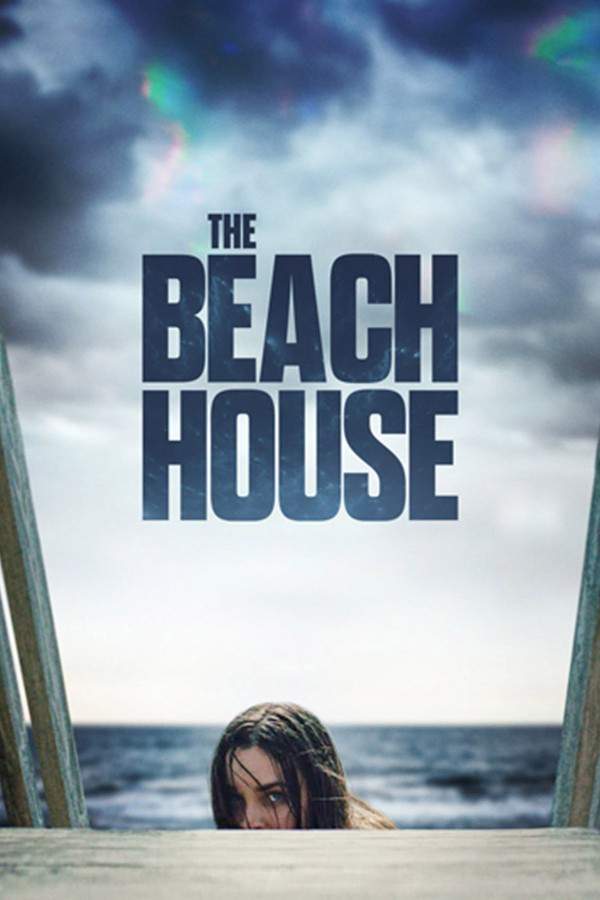
The Beach House (2018) movie poster

Plot Summary

The Beach House (2018) Plot Summary & Ending Explained

Release, runtime and language
2018 · 90 mins · English
Echo score 70
JustWatch #31,381 1
Directed by
Roger Spottiswoode
Starring
Chad Michael Murray, Andie MacDowell, Donna Biscoe, Selena Anduze, Alyshia Ochse, Meiyee Apple Tam

After losing her job in Chicago, Cara Rudland returns to her childhood home in the scenic Lowcountry. She finds her mother, Lovie, caring for Toy, a young woman who is pregnant and seeking refuge in their charming beach house. Cara must confront her past and reconnect with her family as she navigates unexpected challenges and confronts the complexities of her Southern roots.

On this page (6)
  1. 1 Where to watch
  2. 2 What happens: full plot
  3. 3 Plot questions answered
  4. 4 How it ends
  5. 5 Movie threads
  6. 6 Every angle

Where to watch

Where to Watch The Beach House (2018)

Where can you watch The Beach House? Stream, rent or buy it in the US, including on Philo, Shudder and Hoopla: current JustWatch availability with up-to-date prices.

Streaming availability powered by JustWatch

Full plot summary · contains spoilers

What Happens in The Beach House: Full Plot Summary

The whole story of The Beach House (2018) explained, from the opening scene to the final frame: every key event, every twist and what it all adds up to. Read it as a quick recap before the sequel, to check a scene you missed, or to finally understand what really happened.

Emily and Randall arrive at Randall's parents' beach house, tucked away in a remote vacation town that already feels isolating even before they step inside. The town appears deserted, and the couple settles into the quiet with a mix of relief and curiosity. Upstairs, they share a private moment, then drift into a minor disagreement, only to learn that another couple, Mitch and Jane Turner, has rented the place as well. Jane is terminally ill, and Mitch hopes to gift her one last, carefree escape. With plenty of room in the house, the two couples decide to spend their time together, easing into a shared rhythm away from the outside world.

That evening, Randall brings out some edible marijuana, and the group agrees to share. The mood lightens, but the atmosphere soon grows strange. While everyone is high, Mitch notices an unusual texture to the water and discovers glowing microbes coating the beach and the surrounding trees. Jane insists on getting a closer look, but the moment she steps into the fog, she begins coughing and becomes disoriented as a dense mist sweeps through the area. Emily feels the same disorientation and passes out. When she comes to, she finds Jane in the kitchen, catatonic and covered with skin lesions, and Mitch has disappeared.

As the sun rises, Emily and Randall venture to the beach only to find it empty and unnerving. Back at the house, Randall falls ill and rushes to the bathroom, where the water in the sink forms bizarre patterns. Hearing Jane moan nearby, he hurries to her side. Outside, Mitch inexplicably reappears and mutters that something in the area feels off before claiming he will swim. He dives into the waves and drowns. Emily, in a panic, steps on a washed-up Portuguese man o’ war and is stung, discovering a worm-like creature wriggling inside a wound. She drags herself back to the house and manages to remove the worm. Inside, Jane advances from illness toward something far more unsettling, her eyes turning milky white and fluids leaking from her mouth. They lock Jane in the house and flee into the thickening fog.

Night falls, and the fog thickens into an almost tangible presence. Randall grows sicker, and Emily discovers a way to contact help through a police car with a radio. The voice on the other end warns them that they have been exposed and instructs them to barricade themselves and avoid breathing the fog. They barricade a house and realize the water outside has taken on an entirely new texture. A broadcast on every channel confirms their fears: the tiny microbes, once sealed away in underwater rocks, have been released by global warming. Emily suggests waiting until morning, but Randall’s fear over the infection drives him toward reckless desperation. She retreats to the basement, where she finds scuba oxygen tanks and the means to breathe safer air. She also stumbles upon a horrifying mutated person feeding on a corpse.

Upstairs, Randall vomits a squid-like creature, and his eyes turn white as the infection takes hold. Emily returns with the scuba gear, but she must defend herself as Randall lunges at her. She strikes him with a scuba tank to stop him and seizes the car keys, hoping to escape. The fog confuses her as she drives away, and a crash into a tree leaves her disoriented. She inches toward a tide pool, breathes the damp, foggy air, and begins to hallucinate about the microscopic invaders in the water. She collapses on the shore as dawn breaks, insisting to herself that she can endure what comes next. The sea answers her resolve with a final, relentless embrace: a wave pulls her body under and out to sea, leaving the fate of Emily—and the town—unclear but sealed in the relentless advance of the infection.

Last updated: March 24, 2026 at 19:59

Was this helpful?

Plot questions answered

The Beach House Plot Explained: Your Questions Answered

The questions people ask most about The Beach House (2018): what happens in the confusing scenes, why the characters do what they do, the twists, hidden details and what the ending means. Each answer contains spoilers.

Q1

Why did Mitch drown himself on the beach?

Mitch drowned himself after experiencing the disorienting effects of the glowing microbes and fog. He told Emily something felt off right before entering the water, suggesting the infection was already affecting his mind and decision-making. Combined with the stress of watching Jane become catatonic and the overall psychological deterioration, he likely acted on desperation rather than rational thought.

Foreshadowing: Earlier, Mitch had noticed something unusual about the water texture, hinting that something was wrong with the environment.

  • mitch drowning
  • suicide
  • beach
  • infection
  • mind alterin
Q2

What are the glowing microbes in the water and trees?

The glowing microbes are microscopic organisms that were released from underwater rocks where they had been preserved for years. The television broadcast reveals that global warming caused the rocks to crack open, releasing the microbes into the environment. These organisms are the source of the strange fog and the infection that's killing everyone in the area.

Foreshadowing: Mitch noticed an unusual texture to the water before anyone understood its significance.

  • glowing microbes
  • pollution
  • global warming
  • ocean
  • infection origin
Q3

What caused Jane's sudden illness and physical transformation?

Jane was exposed to the toxic fog while investigating the glowing microbes on the beach. The fog contained the released microbes, and once she breathed them in, she became disoriented and started coughing. By the next morning, she had developed skin lesions and catatonia, then later progressed to having milky white eyes and fluid leaking from her mouth as the infection took hold.

Foreshadowing: Jane insisted on getting a closer look at the glowing microbes despite the strange fog forming around her.

  • jane transformation
  • lesions
  • catatonic
  • fog infection
  • body horror
Q4

Why did Randall attack Emily with the scuba tank?

Randall was fully infected by the microbes by that point. He had already vomited a squid-like creature and his eyes had turned completely white, indicating the infection had overtaken his body and mind. The pathogen appeared to cause violent, erratic behavior in its later stages, making him attack Emily when she returned with the scuba gear.

Foreshadowing: Earlier, Randall fell ill and showed strange symptoms like the water forming bizarre patterns in the sink.

  • randall attack
  • infected
  • violent
  • scuba tank
  • transformation
Q5

What warning did the authorities give about the fog?

When Emily contacted the police through a car radio, the voice on the other end warned that they had been exposed to the toxic fog. The instruction was to barricade themselves immediately and avoid breathing the fog at all costs. This confirmed that the fog itself was the vehicle for the infection, not just the water.

Foreshadowing: Jane and Emily both became disoriented after breathing the fog near the beach.

  • police warning
  • barricade
  • fog toxic
  • breathe
  • emergency
Q6

Why was the town already deserted when they arrived?

The town was deserted because the microbial outbreak had already affected the area. The timeline shows the infection had been spreading, forcing residents to evacuate before Emily and Randall arrived. This explains why the beach looked unnervingly empty and why they walked into a death trap without knowing it.

Foreshadowing: The couples noted that the remote vacation town already felt isolating before they discovered what was happening.

  • town deserted
  • empty
  • evacuation
  • isolation
  • remote beach
Q7

How did the infection spread so quickly to all four characters?

The infection spread primarily through breathing the toxic fog that contained the released microbes. Jane was first exposed when she went outside during the fog formation. The fog then thickened and permeated the entire area, affecting Randall when he went outside, and eventually Emily when she breathed the damp air near the tide pool at the end. The infection could also enter through water contact, as shown when Emily was stung by the Portuguese man o' war.

Foreshadowing: The first sign was the unusual water texture and glowing organisms on the beach and trees.

  • infection spread
  • fog breathing
  • microbes
  • water contact
  • contamination
Q8

What happened to Emily at the end of the movie?

Emily was pulled out to sea by a wave at dawn after the infection completed its course in her body. She had been disoriented from breathing the fog near the tide pool and was already showing signs of infection. The final wave dragging her body out to sea represents the relentless, inescapable nature of the ecological disaster, leaving her fate ambiguous but essentially sealed.

Foreshadowing: Emily's earlier sting from the Portuguese man o' war, which contained a worm-like creature, was an early sign of how the infection entered the body.

  • emily death
  • wave
  • sea
  • ending
  • infection
  • pulled under
Q9

What did Emily find in the basement of the beach house?

Emily discovered scuba oxygen tanks in the basement, which gave her the idea to use them to breathe filtered air and escape. She also encountered a horribly mutated person who was feeding on a corpse, confirming that the infection could cause extreme physical deformation and that others had already succumbed to the disease in the most grotesque way.

Foreshadowing: The basement discovery came after the authorities warned them to avoid breathing the fog.

  • basement
  • scuba tanks
  • mutated person
  • corpse
  • oxygen
  • escape
Q10

What caused Randall to vomit a squid-like creature?

Randall vomited a squid-like creature because the infection had progressed to an extreme internal stage. The microbe organisms were growing inside his body, manifesting as the squid-like creature he expelled. This represented the infection literally taking over his body from the inside, moments before his eyes turned white and he lost all human characteristics.

Foreshadowing: Randall had been growing increasingly sick since the morning after they arrived, with symptoms including nausea and unusual reactions to water.

  • randall vomit
  • squid creature
  • parasite
  • internal infection
  • body horror

Ending explained

What Happens at the End of The Beach House?

How The Beach House (2018) ends, in short: the final scene, the last twist and what it means for the characters. The full ending explained, with every spoiler, lives on its own page.

Read the full ending explained

The conclusion of Jeffrey A. Brown’s The Beach House offers a chilling resolution to its eco-horror premise, revealing that the environmental threat is not merely a disaster, but a calculated biological reclamation. The narrative centers on a mysterious fog and awakened microbes caused by rising ocean temperatures, which serve as the catalyst for a series of body-horror transformations. As the characters struggle to survive, it becomes evident that the infection is highly specific to how each individual interacts with the contaminated environment. Jane, Mitch, and Randall all meet gruesome ends tailored to their exposure—whether through inhaling toxic air or ingesting parasitic sea life—establishing a rule that nature is methodically taking back what belongs to the ocean.

Emily, the protagonist, ultimately shares the same fate, but her ending is deeply symbolic of the film’s central theme. After stepping on a jellyfish and removing the initial parasite from her foot, she likely assumes she has escaped the worst of the symptoms that claimed her companions. However, the horror lies in the permanence of the contamination. When she finally collapses on the beach, resigned to her death, the incoming tide does not just wash over her; it physically disintegrates her. This specific fate mirrors the biology of the jellyfish itself, a creature that is almost entirely composed of water and evaporates when stranded on land.

Continue reading the ending (1 more paragraphs)

By having Emily dissolve into the sea, the film solidifies its message about humanity’s fragility in the face of a vengeful nature. She does not leave a corpse behind, but rather becomes part of the ecosystem that has been reawakened. The ending suggests that the microbes and ancient sea creatures are not just killing humans but are reabsorbing them, effectively erasing the human form to restore a primordial balance. It is a bleak, hopeless finale that reinforces the movie's warning: if the environment is pushed too far, it will inevitably push back.

The Beach House ending explained in full

Movie threads

More Movies Like The Beach House, by Mood & Story

Curated lists built around what makes The Beach House tick: the same mood, the same kind of story or the same emotional payoff. Each list explains why these movies belong together.

Claustrophobic isolation horror movies like The Beach House

Stories where a confined setting becomes the stage for a slow, terrifying collapse of reality. If you liked the tense, confined terror of The Beach House, explore more movies where isolation amplifies horror. This list features similar stories of characters trapped in remote locations facing a slow, inexorable descent into apocalyptic dread, with a focus on psychological strain and bleak conclusions.

  • claustrophobic
  • tense
  • bleak
  • unsettling
  • desperate
  • ominous
  • Tone: tense, dark, bleak
  • Pacing: steady, methodical buildup
Why these movies?

The story pattern: These narratives follow a linear, cause-and-effect structure where a strange initial discovery in an isolated setting leads to a methodical and irreversible deterioration of the situation. The plot is a straightforward survival struggle against an overwhelming, often incomprehensible threat. Character arcs are defined by desperation and the loss of control, culminating in endings that are final and hopeless.

Why they belong together: Movies are grouped here for their shared core experience: a steadily escalating sense of doom within a confined space. They prioritize a tense, oppressive atmosphere over action, use body horror or psychological distress to unnerve, and conclude with a definitive, bleak resolution. The pacing is deliberate, allowing dread to accumulate without relief.

Eco-horror and infection movies similar to The Beach House

Horror stories where the environment itself becomes a hostile, transformative, and consuming force. For viewers who appreciated the body horror and environmental dread of The Beach House, this collection highlights more films where nature turns hostile. Discover similar movies featuring mysterious infections, bodily corruption, and apocalyptic scenarios rooted in ecological anxiety.

  • body horror
  • unsettling
  • anxious
  • surreal
  • desperate
  • ominous
  • Tone: dark, unsettling, desperate
  • Pacing: steady, escalating threat
Why these movies?

The story pattern: The narrative pattern involves characters encountering a strange biological or environmental anomaly that begins to affect them physically and mentally. The story tracks the progression of this corruption, which is often irreversible and tied to a larger, unstoppable natural phenomenon. The conflict is less about defeating a monster and more about surviving—or succumbing to—a pervasive, transformative force.

Why they belong together: These films are united by their central theme of nature as an antagonistic, transformative power. They share a focus on body horror, the fear of infection or loss of self, and a backdrop of ecological anxiety. The tone is consistently dark and tense, with a visual and thematic emphasis on the grotesque transformation of the familiar (the human body, a peaceful setting) into something alien and threatening.

Every angle

The Beach House (2018) Explained: Plot, Ending, Timeline & Characters

Everything about The Beach House in one place: what happens in the plot summary, the timeline in chronological order, the characters and meaning, the ending explained and a spoiler-free summary. What's After the Movie adds the cast, box office and post-credit scenes.

Coming soon on iOS and Android

The Plot Explained Movie Summary App

Plot summaries, endings explained and timelines on your phone. Catch up on any movie in minutes, save your favorites and never miss a twist again.

Be the first to know when we launch. Your email stays private, always.

Learn more about the app