Plot Explained Spoilers guaranteed!
Plot Explained

Browse by genre

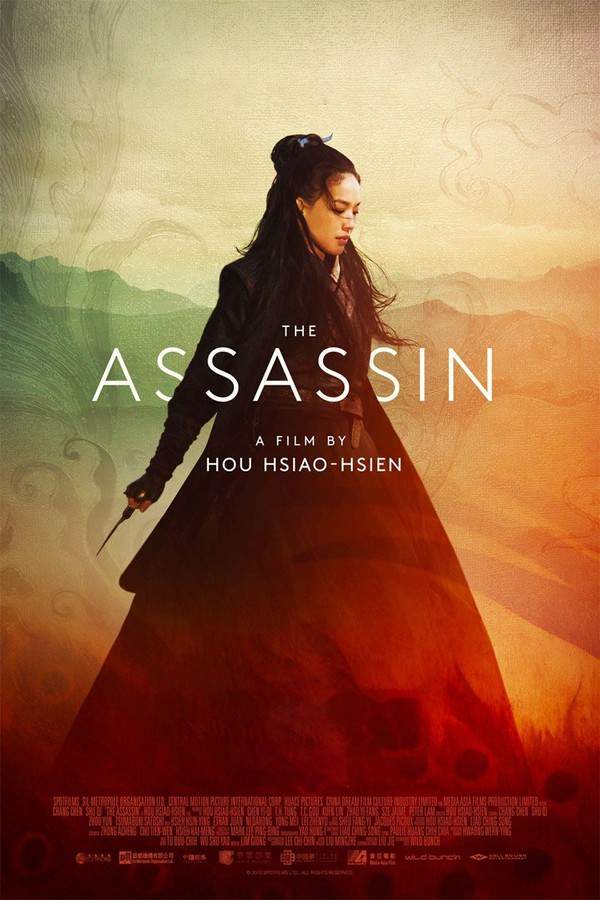
The Assassin (2015) movie poster

Characters & Themes

The Assassin (2015) Characters, Setting & Themes Explained

Release, runtime and language
2015 · 105 min · Chinese
Loading streaming availability…
Directed by
Hsiao-hsien Hou

In 9th century China, Nie Yinniang is a legendary assassin trained by a nun to eliminate corrupt officials. Once a general’s daughter, she’s now a deadly force returning home after years of exile. Her mission takes a complicated turn when her target is the man she was once promised to marry. Torn between her sacred duty and her personal feelings, she must choose between fulfilling her calling or following her heart.

On this page (9)
  1. 1 Where to watch
  2. 2 Characters explained (7)
  3. 3 Character relationship map
  4. 4 Where & when it takes place
  5. 5 Themes & meaning (3)
  6. 6 Character & meaning questions
  7. 7 Movie threads
  8. 8 Movies like The Assassin
  9. 9 Every angle
Loading streaming availability…

7 main characters · contains spoilers

The Assassin Characters Explained: Who Is Who

The main characters of The Assassin (2015), heroes and villains: what drives them, how they change over the course of the story and what each of them reveals about the film's bigger ideas.

  • Nie Yinniang

    An exceptional assassin raised by the nun Jiaxin from the age of ten. She possesses formidable martial skill but struggles with mercy, especially when ordered to kill Tian Ji'an. Her inner conflict drives the story, culminating in sparing her target and ultimately choosing guardianship over vengeance.

    • 🗡️ Assassin
    • ⚖️ Inner conflict
    • 🧭 Duty
  • Jiaxin

    A stern nun who trains Nie Yinniang and tests her resolve by assigning increasingly difficult missions. She approves Yinniang's skills but dismisses her for emotional failures, underscoring a rigid code of discipline. Jiaxin's authority frames the moral boundaries of the tale.

    • 🧭 Mentor
    • ⚖️ Moral code
    • 🕊️ Mercy
  • Tian Ji'an

    The military governor of Weibo, a figure whose rule is central to the political tensions of the region. He is the target of Yinniang's assignment and a symbol of the harsh calculus of power in the frontier. His actions and family dynamics fuel the plot and demonstrate the costs of governance.

    • 🏯 Ruler
    • 🗺️ Power politics
    • ⚖️ Stability
  • Princess Jiacheng

    Jiaxin's sister who recounts the backstory of the betrothal that tied Yinniang to Tian Ji'an. Her account reveals how political marriages were used to quell unrest and bind factions. She embodies the social mechanisms that sustain the frontier's fragile balance.

    • 👑 Princess
    • 🧭 Political alliance
  • Tian Xing

    Yinniang's uncle whose views are considered offensive in political meetings. His demotion and exile illustrate the ruthless realpolitik of Weibo and the dangers of ideological dissent within the ruling circle.

    • 👤 Uncle
    • 🗳️ Politics
  • Nie Feng

    Yinniang's father and ally in the journey who, along with the surviving entourage, is helped by Yinniang's skills. His role underscores family loyalty amid the perilous frontier politics.

    • 👨‍👧 Family
    • 🧭 Loyalty
  • Mirror-polisher

    A young traveling craftsman whom Yinniang protects as her companion and eventual guardian after sparing the old nun. His presence offers a humanizing counterpoint to the violence and a symbol of mentorship and care on the road.

    • 🧭 Traveler
    • 🪞 Mirror-polisher

Last updated: October 28, 2026 at 16:33

Was this helpful?

7 characters · 11 connections · contains spoilers

The Assassin Character Relationship Map

Who is connected to whom in The Assassin: family, love, friendships, rivalries and hidden ties, colour-coded. Pick a character to see their side of the story, or a connection to see what brings two characters together.

How much of the story to show
NYNie YinniangJJiaxinTJTian Ji'anPJPrincessJiachengTXTian XingNFNie FengMMirror-polisher

Last updated: October 28, 2026 at 16:33

Was this helpful?

Setting

Where and When Does The Assassin Take Place?

The setting of The Assassin (2015): the year and time period, the places and locations, and how they shape the characters, the mood and the tension of the story.

Time period

785–805 AD (Zhenyuan era, Tang Dynasty)

Set during the Zhenyuan period, the film places its events in a time of imperial struggle and regional power. It follows the era after the An Lushan rebellion, when central authority was weakened and frontier governors held real authority. The historical backdrop emphasizes martial rule, political alliances, and the costs of governance in a divided kingdom.

Location

Weibo Circuit, Northern China

The action unfolds in the Weibo Circuit, a northern Chinese region nominally part of the Tang Empire but effectively governed by a powerful military governor. It sits at the empire's frontier, where loyalties are fluid and political maneuvers determine survival. This borderland setting shapes encounters, rivalries, and the constant threat of violence.

  • 🏯 Tang Dynasty setting
  • 🗺️ Frontier governance
  • ⚔️ Political intrigue

Last updated: October 28, 2026 at 16:33

Was this helpful?

3 major themes

The Assassin Meaning: Themes & Message Explained

What is The Assassin (2015) really about? The emotional, social and philosophical themes the film keeps returning to, its symbolism and the message beneath the surface.

  • Duty vs Mercy

    Nie Yinniang is trained to act with ruthless precision, yet she hesitates to kill when mercy seems warranted. Her mercy leads to punishment and internal conflict, highlighting the tension between state violence and personal conscience. The story uses this dilemma to probe whether merciful acts can coexist with a duty-bound role. Ultimately, mercy reshapes her path and tests the system she serves.

  • Power & Loyalty

    The Weibo circuit operates as a theater of political power where alliances are forged and broken for stability. Betrothals, demotions, and assassination orders reveal how rulers manage legitimacy through force and ritual. The narrative shows how loyalty is tested when personal risk clashes with political responsibility. The result is a world where leadership decisions ripple across families and towns.

  • Family & Duty

    A child-arranged betrothal links generations and tightens the knot between personal desire and public duties. Yinniang's mission is compounded by family ties—her expected betrothal, her guardian-mentor, and the governor's offspring. The film questions whether obligations to relatives justify—or condemn—specific acts. It portrays the delicate balance between protecting kin and serving the realm.

Last updated: October 28, 2026 at 16:33

Was this helpful?

Character & theme questions

The Assassin Characters & Meaning: Your Questions Answered

The questions people ask about The Assassin (2015): who the characters really are, their relationships, what the symbols mean, where it takes place and what the movie is really about. Each answer contains spoilers.

Q1

Where is the Weibo Circuit located?

The Weibo Circuit is a northern Chinese frontier region nominally part of the Tang Empire but effectively governed by a powerful military governor. It represents the empire's borderland where central authority is weak and local warlords hold real power, creating a world where political survival depends on constant maneuvering.

  • weibo circuit
  • northern china
  • tang dynasty
  • frontier region
Q2

When does the movie take place?

The film is set during the Zhenyuan period of the Tang Dynasty, specifically between 785 and 805 AD. This era followed the devastating An Lushan rebellion, when imperial control was weakened and frontier governors possessed substantial independent authority.

  • 785 ad
  • 805 ad
  • tang dynasty
  • zhenyuan era
  • historical period
Q3

What is the Duty vs Mercy theme about?

The movie explores whether mercy can exist within a role defined by killing. Nie Yinniang is trained to eliminate targets without hesitation, yet she repeatedly hesitates when ordered to kill. This internal conflict between state violence and personal conscience becomes the core moral dilemma, as her merciful choices reshape her destiny and challenge the rigid code she serves.

  • duty
  • mercy
  • moral conflict
  • assassin
  • conscience
Q4

How does Power and Loyalty function in the story?

The Weibo Circuit serves as a theater where political alliances are constantly forged and broken. The narrative shows how rulers maintain legitimacy through force and ritual, testing loyalty when personal risk clashes with political responsibility. Betrothals, demotions, and assassination orders reveal the fragile nature of power in this frontier world.

  • power
  • loyalty
  • political intrigue
  • alliances
  • governance
Q5

What role does Family and Duty play in the movie?

A childhood betrothal ties Nie Yinniang to the family of the military governor, creating a complex web where personal desire conflicts with public duty. The film questions whether family obligations justify or condemn specific actions, portraying the delicate balance between protecting kin and serving the realm.

  • family
  • duty
  • betrothal
  • obligation
  • personal relationships
Q6

Who is Nie Yinniang?

Nie Yinniang is the protagonist, an exceptional assassin trained by the nun Jiaxin from the age of ten. Once the daughter of a general, she became a deadly weapon for the Tang regime. Her story centers on her internal struggle between fulfilling her sacred duty as an assassin and the personal feelings she harbors for her former betrothed.

  • nie yinniang
  • protagonist
  • assassin
  • main character
Q7

What is Jiaxin's role in the story?

Jiaxin is the stern nun who trained Nie Yinniang as an assassin and continues to test her resolve through increasingly difficult missions. She represents the rigid discipline and moral code of the assassination order, approving Yinniang's technical skills while dismissing her for emotional failures. Her authority defines the moral boundaries of the tale.

  • jiaxin
  • nun
  • mentor
  • trainer
  • authority
Q8

Who is Tian Ji'an?

Tian Ji'an is the military governor of the Weibo Circuit, the region's most powerful political figure. He is the target of Yinniang's assassination mission and represents the harsh calculus of power in the frontier. His rule and family dynamics fuel the plot's central conflict, embodying the costs of governance in a divided kingdom.

  • tian jian
  • military governor
  • weibo
  • target
  • power
Q9

What makes the frontier political situation unique?

The Weibo frontier represents a world where the Tang Empire's central authority has eroded following the An Lushan rebellion. Military governors like Tian Ji'an hold real power, making decisions that affect families and towns. Loyalty is fluid, and survival depends on political maneuvering rather than imperial decree.

  • frontier politics
  • military governor
  • tang empire
  • an lushan rebellion
  • regional power
Q10

What is Nie Yinniang's background?

Nie Yinniang was once the daughter of a general, making her part of the elite whose families were connected through political marriages. She was taken at age ten to be trained as an assassin by the nun Jiaxin. Her background creates the irony that she was once promised in marriage to the very man she is now ordered to kill.

  • general's daughter
  • training
  • childhood
  • betrothal
  • past
Q11

What is the tone and style of the movie?

The Assassin is known for its slow, restrained pacing and melancholic atmosphere. Rather than action-packed sequences, the film prioritizes atmospheric tension and internal conflict. The style emphasizes isolation, burdened history, and reflective sadness, creating a meditative exploration of violence and morality rather than a typical action narrative.

  • slow pacing
  • melancholic tone
  • atmospheric
  • restraint
  • style

Movie threads

More Movies Like The Assassin, by Mood & Story

Curated lists built around what makes The Assassin tick: the same mood, the same kind of story or the same emotional payoff. Each list explains why these movies belong together.

Moral Assassin Stories like The Assassin

Stories where a trained killer's duty clashes with their reawakened humanity. Explore movies like The Assassin where skilled killers grapple with their humanity. These films focus on the emotional and moral cost of a life of violence, often featuring a central dilemma that forces the protagonist to choose between their duty and their heart. If you liked the internal conflict in The Assassin, you'll find similar stories here.

  • morally ambiguous
  • contemplative
  • solitary
  • heavy
  • restrained
  • duty vs love
  • Tone: melancholic, morally ambiguous
  • Pacing: slow, character-driven
Why these movies?

The story pattern: These narratives follow highly skilled individuals, typically assassins or spies, whose latest assignment forces a confrontation with their own morality. The plot is driven by their internal conflict as they question their purpose, often triggered by a target they cannot bring themselves to eliminate, leading to a choice that redefines their identity.

Why they belong together: Movies are grouped here based on the core character archetype and the central narrative of a moral crisis. They share a focus on internal struggle over pure action, a heavy emotional weight, and a tone that is often melancholic or contemplative as the protagonist navigates their impossible choice.

Slow Paced Historical Dramas like The Assassin

Atmospheric period pieces where mood and internal conflict take precedence over plot. Discover movies similar to The Assassin that feature a slow, meditative pace and a heavy, melancholic atmosphere. These historical dramas are visually stunning and focus on deep internal conflicts and moral questions within their period settings. If you enjoyed the contemplative mood and pacing of The Assassin, this collection is for you.

  • meditative
  • atmospheric
  • melancholic
  • contemplative
  • restrained
  • solitary
  • Tone: melancholic, atmospheric, contemplative
  • Pacing: very slow, deliberate
Why these movies?

The story pattern: The narrative in these films is often elliptical and driven by mood rather than a conventional plot. The journey is internal, focusing on a character's solitude, exile, or moral quandary within a richly detailed historical world. The pacing is deliberate, emphasizing long takes, silences, and the emotional landscape over rapid events.

Why they belong together: These films are grouped by their shared approach to storytelling: a slow pace, a dominant melancholic tone, high visual artistry, and a focus on atmospheric immersion and internal struggle. They provide a similar viewing experience of reflective, emotionally resonant cinema set in the past.

If you liked this

Movies Like The Assassin

Similar movies to The Assassin: the same genre, themes or kind of story. Each one comes with its own plot summary, timeline and ending explained.

Browse all movie summaries

Every angle

The Assassin (2015) Explained: Plot, Ending, Timeline & Characters

Everything about The Assassin in one place: what happens in the plot summary, the timeline in chronological order, the characters and meaning, the ending explained and a spoiler-free summary. What's After the Movie adds the cast, box office and post-credit scenes.

Coming soon on iOS and Android

The Plot Explained Movie Summary App

Plot summaries, endings explained and timelines on your phone. Catch up on any movie in minutes, save your favorites and never miss a twist again.

Be the first to know when we launch. Your email stays private, always.

Learn more about the app