Plot Explained Spoilers guaranteed!
Plot Explained

Browse by genre

The Adventures of Picasso (1978) movie poster

Characters & Themes

The Adventures of Picasso (1978) Characters, Setting & Themes Explained

Release, runtime and language
1978 · 115 mins · Swedish
Directed by
Tage Danielsson
Starring
Tomas Alfredson, Gösta Ekman, Bernard Cribbins, Margaretha Krook, Sven Lindberg, Toivo Pawlo

Written by Hans Alfredson and Tage Danielsson, this farcical biopic portrays Pablo Picasso’s life with affectionate exaggeration, sketching his childhood, his artistic prime, and the final years before his death, while also weaving in assorted episodes from the intervening periods.

On this page (7)
  1. 1 Characters explained (10)
  2. 2 Where & when it takes place
  3. 3 Themes & meaning (3)
  4. 4 Character & meaning questions
  5. 5 Movie threads
  6. 6 Movies like The Adventures of Picasso
  7. 7 Every angle

10 main characters · contains spoilers

The Adventures of Picasso Characters Explained: Who Is Who

The main characters of The Adventures of Picasso (1978), heroes and villains: what drives them, how they change over the course of the story and what each of them reveals about the film's bigger ideas.

  • Pablo Picasso (Gösta Ekman)

    A prodigious and restless artist whose life in the film blends fact with farce. He rapidly reinvents his style, pushing boundaries and becoming a mythic figure in the artistic world. The story treats him as a living symbol of creative upheaval rather than a strict biographical figure.

    • 🎨 Artist
    • 🧠 Visionary
    • 🌀 Transformative
    • 📜 Surrealist influence
  • Don Jose (Pablo's Father) (Hans Alfredson)

    An artist who nurtures Pablo's talent and plays an active, sometimes manipulative role in shaping his career. He brings ideas, pressure, and support that push Picasso toward major breakthroughs. His presence drives pivotal moments in the painter's development.

    • 🎭 Father
    • 🎨 Artist
    • 🧭 Ambitious
  • Dolores (Lena Olin)

    A mysterious figure who inspires Picasso and becomes a romantic throughline. She appears as a catalyst for his work and also reappears with nuance across the story, embodying the muse dynamic. Her interactions with Picasso illuminate how desire fuels artistic invention.

    • 💃 Muse
    • 💖 Romantic Interest
    • 🎶 Inspiration
  • Gertrude Stein (Bernard Cribbins)

    An American writer who enters Picasso's life at a pivotal moment, buying his painting and elevating his status in Paris. She represents patronage and the global art market, mixing sharp wit with influence. Her presence anchors Picasso in the broader cultural conversation.

    • 📚 Writer
    • 🗽 Patron
    • 💬 Influencer
  • Ingrid Svensson-Guggenheim (Birgitta Andersson)

    A powerful collector who pursues Picasso across continents, embodying the commercial drive behind the art world. Her ambitions propel key plot moments and symbolize the market forces that shape an artist's career. She returns at crucial junctions, tying private aspirations to public reception.

    • 💼 Collector
    • 💰 Patron
    • 🧭 Power Broker
  • Sirkka (Lena Nyman)

    A Finnish singer whose song becomes a narrative thread, Elton-like inspiration for Picasso. She represents the intersection of performance, culture, and personal taste within Picasso's world. Her brief, lyrical influence underscores how art travels through different media.

    • 🎤 Performer
    • 🎶 Inspiration
    • 💡 Quirk
  • Grieg (Rolv Wesenlund)

    A Norwegian figure who appears as a quirky technician-like presence, involved in the era's technology and its misadventures. He contributes to the film's surreal humor, including the subplot around an electric chair. His role blends comic relief with a nod to modern inventions.

    • 🔌 Technician
    • 🗝️ Inventor
    • 😂 Comic Relief
  • Adolf Hitler (Magnus Härenstam)

    A historical figure glimpsed within the era's upheavals, included as part of the film's broad satirical landscape. His appearance anchors moments in the war-torn portions of Picasso's trajectory. The portrayal serves the film's playful, surreal commentary on power and history.

    • ⚔️ Historical Figure
    • 🪖 War
    • 🧭 Political Satire
  • Henri Rousseau (Lennart Nyman)

    A painter friend who hosts a masquerade in a forest, contributing to the film's dreamlike sequences. Rousseau embodies the whimsy and imaginative fantasy world that surrounds Picasso's life in Paris. He supports the film's theme of painting as a portal to surreal narratives.

    • 🎨 Painter
    • 🕊️ Dreamer
    • 🧭 Imaginative
  • Churchill (Sune Mangs)

    A cameo in the film's surreal montage, representing the broad global context of the era. Churchill appears as part of the period flavor, emphasizing the cross-Atlantic cultural currents influencing Picasso. His brief presence adds to the tapestry of history within the story.

    • 🗣️ Statesman
    • 🧭 Historical Figure
    • 🧩 Cameo

Last updated: October 05, 2025 at 08:41

Was this helpful?

Setting

Where and When Does The Adventures of Picasso Take Place?

The setting of The Adventures of Picasso (1978): the year and time period, the places and locations, and how they shape the characters, the mood and the tension of the story.

Time period

Late 19th century – mid 20th century

The action spans from Picasso's birth in 1881 through the interwar years, World War II, and the postwar era, blending real historical moments with fantastical, humorous reinterpretations. It moves through the rise of modern art, the war years, and the Cold War period as a backdrop to Picasso's career and mythmaking. The timeline mixes biographical milestones with satirical, surreal episodes.

Location

Málaga, Madrid, Paris, New York

The story travels from Picasso's birth in Málaga through Madrid and Paris as he rises in the European art world, with key stops in New York. The settings function as vibrant backdrops for a surreal, myth-infused take on Picasso's life, highlighting the cities that shaped his art. These locations are treated as living stages where creativity collides with fame and history.

  • 🌍 European settings
  • 🖼️ Cultural centers

Last updated: October 05, 2025 at 08:41

Was this helpful?

3 major themes

The Adventures of Picasso Meaning: Themes & Message Explained

What is The Adventures of Picasso (1978) really about? The emotional, social and philosophical themes the film keeps returning to, its symbolism and the message beneath the surface.

  • Artistic Evolution

    The film traces Picasso's progression from realistic depictions to cubism, weaving myth and history into his brushwork. It playfully questions how audiences label talent and how artists reinvent the seen world. The narrative treats artistic breakthroughs as transformative moments that redefine culture.

  • Historical Odyssey

    A sweeping tour through major cultural moments, from early 20th-century Paris to wartime Europe and the American art scene. The narrative uses real events as a playground for surreal encounters with figures like Gertrude Stein and the Guggenheims. History and politics intersect with painting, showing how eras shape creative life.

  • Public Image vs Private Self

    Picasso is portrayed as a figure trapped by fame, with the museum and signatures becoming symbols of public life. The film delves into the tension between personal expression and art as commodity. Dreamlike sequences explore how identity persists beyond public perception and commercial success.

Last updated: October 05, 2025 at 08:41

Was this helpful?

Character & theme questions

The Adventures of Picasso Characters & Meaning: Your Questions Answered

The questions people ask about The Adventures of Picasso (1978): who the characters really are, their relationships, what the symbols mean, where it takes place and what the movie is really about. Each answer contains spoilers.

Q1

Where does the story take place?

The film spans multiple major cities across Picasso's lifetime, beginning in his birthplace of Málaga, then moving through Madrid and Paris as he rises in the European art world, with key stops in New York. These locations function as vibrant backdrops that reflect different phases of his artistic development and the cultural contexts that shaped his work.

  • málaga
  • madrid
  • paris
  • new york
  • settings
  • locations
Q2

What time period does the film cover?

The film spans from Picasso's birth in 1881 through the interwar years, World War II, and the postwar era, covering the late 19th century to the mid 20th century. It blends real historical moments with fantastical, humorous reinterpretations, moving through the rise of modern art, the war years, and the Cold War period as backdrop to his career.

  • time period
  • era
  • 20th century
  • historical context
  • timeline
Q3

What are the main themes of the film?

The film explores three core themes: Artistic Evolution, tracing Picasso's progression from realistic depictions to cubism; Historical Odyssey, a sweeping tour through major cultural moments from early 20th-century Paris to wartime Europe and the American art scene; and Public Image vs Private Self, examining how Picasso is portrayed as a figure trapped by fame, with the tension between personal expression and art as commodity.

  • themes
  • artistic evolution
  • cubism
  • history
  • fame
  • public image
Q4

How does the film portray Picasso?

Picasso is portrayed as a prodigious and restless artist whose life blends fact with farce, rapidly reinventing his style and becoming a mythic figure. The story treats him as a living symbol of creative upheaval rather than a strict biographical figure, showing how he pushes boundaries and redefines culture through his artistic breakthroughs.

  • pablo picasso
  • protagonist
  • artist
  • portrayal
Q5

Who is Gertrude Stein in the film?

Gertrude Stein is portrayed as an American writer who enters Picasso's life at a pivotal moment in Paris, buying his painting and elevating his status. She represents patronage and the global art market, mixing sharp wit with influence and anchoring Picasso in the broader cultural conversation of the era.

  • gertrude stein
  • patron
  • art market
  • paris
Q6

What does the film say about artistic evolution?

The film traces Picasso's progression from realistic depictions to cubism, weaving myth and history into his brushwork. It playfully questions how audiences label talent and how artists reinvent the seen world, treating artistic breakthroughs as transformative moments that redefine culture.

  • artistic evolution
  • cubism
  • art
  • creativity
  • painting style
Q7

How does the film depict the tension between fame and artistry?

The film explores Picasso being trapped by fame, with the museum and signatures becoming symbols of public life. Dreamlike sequences reveal how identity persists beyond public perception and commercial success, showing the conflict between personal expression and art as commodity.

  • fame
  • artistry
  • public image
  • private self
  • art market
Q8

Who are the key characters in the film?

The key characters include Don Jose (Picasso's father who nurtures his talent), Dolores (a mysterious muse figure who inspires his work), Gertrude Stein (the American patron who elevates his status), and Ingrid Sussron-Guggenheim (a powerful collector who pursues him across continents). These figures represent different aspects of the art world that shaped his career.

  • characters
  • supporting cast
  • don jose
  • dolores
  • gertrude stein
  • guggenheim
Q9

What role do European settings play in the story?

The European settings of Málaga, Madrid, and Paris serve as living stages where creativity collides with fame and history. Paris in particular functions as a cultural center where Picasso's artistic development flourishes, with the settings highlighting the cities that shaped his art and the era's creative climate.

  • europe
  • paris
  • cultural centers
  • settings
  • art world
Q10

How does the film handle historical events?

The film uses real historical events as a playground for surreal encounters with figures like Gertrude Stein and the Guggenheims. History and politics intersect with painting, showing how eras shape creative life, from the rise of modern art through wartime Europe to the Cold War period.

  • history
  • world war ii
  • historical events
  • satire
  • surrealism

Movie threads

More Movies Like The Adventures of Picasso, by Mood & Story

Curated lists built around what makes The Adventures of Picasso tick: the same mood, the same kind of story or the same emotional payoff. Each list explains why these movies belong together.

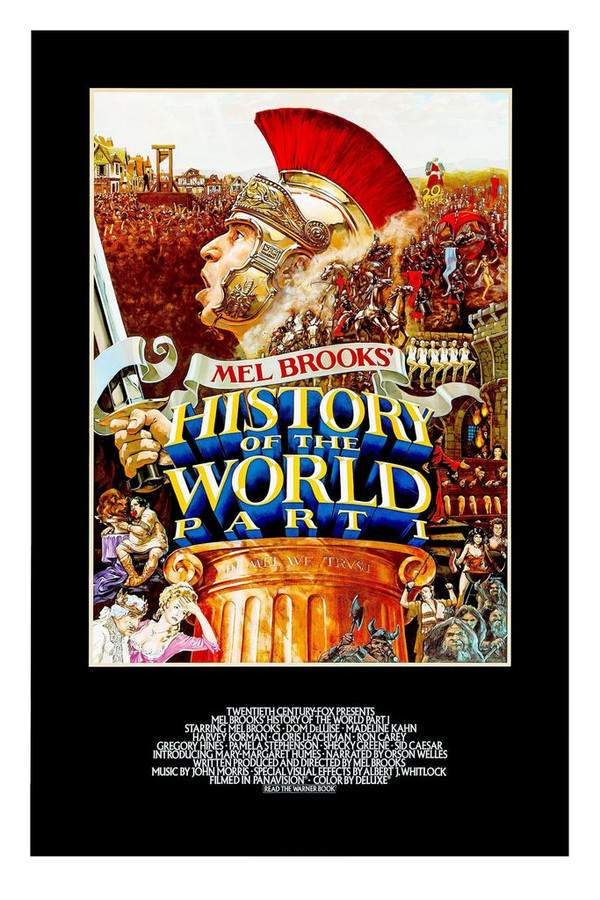
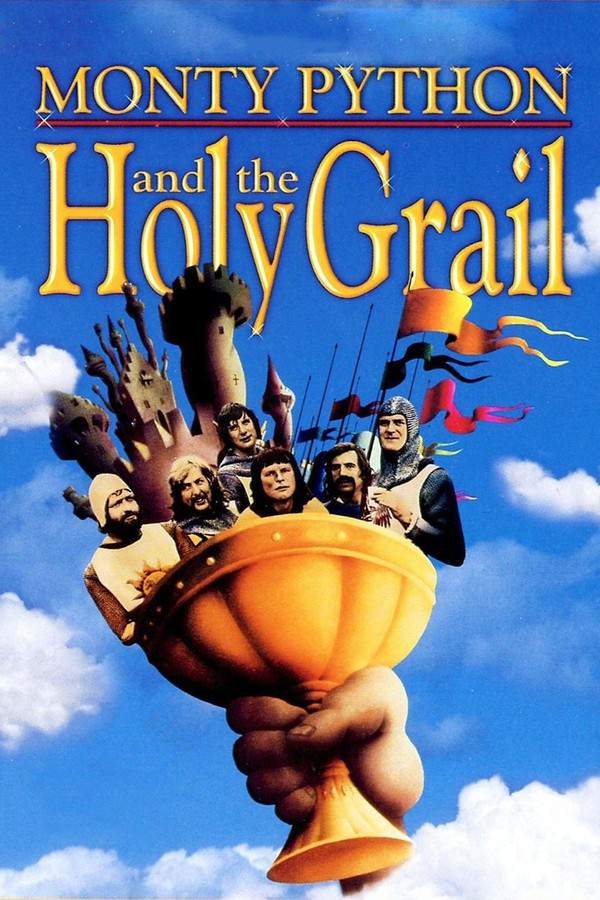
Surreal historical satire like The Adventures of Picasso

Playful and farcical reimaginings of famous figures and historical events. If you enjoyed the playful, absurdist take on Pablo Picasso's life, you'll like these movies. This list features comedy films that satirize history, art, and famous figures with a surreal and fast-paced farcical style, perfect for fans of witty, unconventional biographies.

  • satirical
  • absurd
  • playful
  • theatrical
  • surreal
  • lighthearted
  • Tone: whimsical, satirical, playful
  • Pacing: fast, episodic
Why these movies?

The story pattern: These stories typically use a non-linear or episodic structure to loosely follow a historical subject's life, blending real milestones with invented, absurd scenarios. The narrative is less about a traditional arc and more about a series of satirical sketches that build a playful, if inaccurate, portrait.

Why they belong together: These films are grouped by their shared approach to comedy: a whimsical tone, fast pacing, and a lighthearted, surreal lens applied to serious subjects. They connect through their use of historical parody as a vehicle for absurdist humor and theatrical spectacle.
Metafictional artist biopics like The Adventures of Picasso

Unconventional biographies that celebrate creation through imaginative storytelling. For viewers who liked the imaginative and non-linear biography of Picasso, this list collects movies about artists and creators told in unconventional ways. These films share a complex, playful structure and a focus on the act of creation itself, often blending reality with fantasy.

  • playful
  • imaginative
  • theatrical
  • meta
  • creative
  • unconventional
  • Tone: whimsical, affectionate, imaginative
  • Pacing: fast, pastiche-like
Why these movies?

The story pattern: The narrative journey mirrors the creative process: chaotic, non-linear, and imaginative. It often jumps between different periods of an artist's life, blends their work with their reality, and ends on an ambiguous or meta-fictional note that questions the nature of biography and artistic legend.

Why they belong together: This thread groups films that share a complex narrative structure, a lighthearted but intelligent tone, and a central theme of artistic creation. They are united by their playful deconstruction of the 'great artist' myth and their inventive, theatrical storytelling style.

If you liked this

Movies Like The Adventures of Picasso

Similar movies to The Adventures of Picasso: the same genre, themes or kind of story. Each one comes with its own plot summary, timeline and ending explained.

Browse all movie summaries

Every angle

The Adventures of Picasso (1978) Explained: Plot, Timeline & Characters

Everything about The Adventures of Picasso in one place: what happens in the plot summary, the timeline in chronological order, the characters and meaning and a spoiler-free summary. What's After the Movie adds the cast, box office and post-credit scenes.

Coming soon on iOS and Android

The Plot Explained Movie Summary App

Plot summaries, endings explained and timelines on your phone. Catch up on any movie in minutes, save your favorites and never miss a twist again.

Be the first to know when we launch. Your email stays private, always.

Learn more about the app