Year: 2015
Runtime: 30 mins
Language: English
Director: Guillem Morales
After bringing a man back to her apartment from a New Year’s Eve celebration, Christine Clarke finds her life spiraling out of control. She becomes increasingly disturbed by a mysterious stranger who repeatedly appears in her flat at night, leading her to question his identity and the unsettling changes happening around her.
Warning: spoilers below!
Haven’t seen The 12 Days of Christine yet? This summary contains major spoilers. Bookmark the page, watch the movie, and come back for the full breakdown. If you're ready, scroll on and relive the story!
Explore the full timeline and setting of The 12 Days of Christine (2015). Follow every major event in chronological order and see how the environment shapes the story, characters, and dramatic tension.
Last updated: October 03, 2025 at 06:17
Meet the key characters of The 12 Days of Christine (2015), with detailed profiles, motivations, and roles in the plot. Understand their emotional journeys and what they reveal about the film’s deeper themes.
Last updated: October 03, 2025 at 06:17
Explore the central themes of The 12 Days of Christine (2015), from psychological, social, and emotional dimensions to philosophical messages. Understand what the film is really saying beneath the surface.
Last updated: October 03, 2025 at 06:17
Browse frequently asked questions about The 12 Days of Christine (2015) focused on characters, relationships, themes, symbols, setting, and story context. This movie info FAQ gives spoiler-aware explanations for character arcs, world details, and thematic interpretation so readers can better understand what the film is really about.
The story unfolds primarily in Christine's flat in the UK, with key scenes also set at her family home and her workplace at Clarks. These domestic spaces, the apartment, the family house, and the retail store, ground the supernatural elements in recognizable British everyday life.
The narrative takes place in present-day contemporary Britain, spanning roughly two years. It moves through modern holidays, birthdays, and anniversaries, using seasonal rhythms to mark the passage of time and shape the evolving relationship between Christine and Adam.
Time drives the narrative as Christine experiences moments that repeat with unsettling intimacy. The Stranger's appearances punctuate the calendar, suggesting memory and fate are entangled. The film explores how past choices echo into the present, blurring the line between change and inevitability.
Family history casts a long shadow over Christine's life, from her mother's guidance toward marriage to her father's battle with Alzheimer's. The revelation of Christine's first boyfriend's death ties past and present together. Rituals and shared spaces reveal how family bonds both anchor and constrain personal choices.
Christine's life is defined by the shadow of death, culminating in a road collision that reframes the entire story. The Stranger's claim that he could rescue Jack but not Christine intensifies the sense of an inescapable fate. The final montage folds memory into the present, leaving loved ones to cope with absence and memory.
Love is tested as Christine and Adam's romance evolves into marriage and then strain, with competing loyalties pulling them apart. Adam's growing interest in Zara introduces a rival influence that reshapes the couple's dynamic. The looping structure amplifies the fragility and endurance of intimate connection.
Christine Clarke is the central figure whose bright start with Adam gives way to a fragile, looping life where memories surface repeatedly. She navigates the pressures of marriage, motherhood, and aging parents while confronting a mysterious, time-bending force. Her resilience and vulnerability drive the emotional core of the story.
The Stranger is a mysterious, unsettling presence who delivers a cryptic message and seems to orchestrate or reveal the looping pattern of Christine's life. His appearances blur the line between reality and memory, and his stated apologies hint at a deeper, unknowable motive. He functions as a catalyst for the story's themes of fate and time.
Adam is Christine's partner who begins with a hopeful romance and eventually becomes entangled in complex loyalties. He moves in with Christine and later grows distant as his career and attractions pull him toward other connections. His journey reflects the tension between domestic life and personal desire within a changing relationship.
Christine's mother Marion nudges her daughter toward traditional paths while revealing long-buried family history. Her father Ernie, battling Alzheimer's, casts a pall over memory and identity within the family. Their fragility underscores themes of care, vulnerability, and the passage of time that drives the story's emotional gravity.
Discover curated groups of movies connected by mood, themes, and story style. Browse collections built around emotion, atmosphere, and narrative focus to easily find films that match what you feel like watching right now.
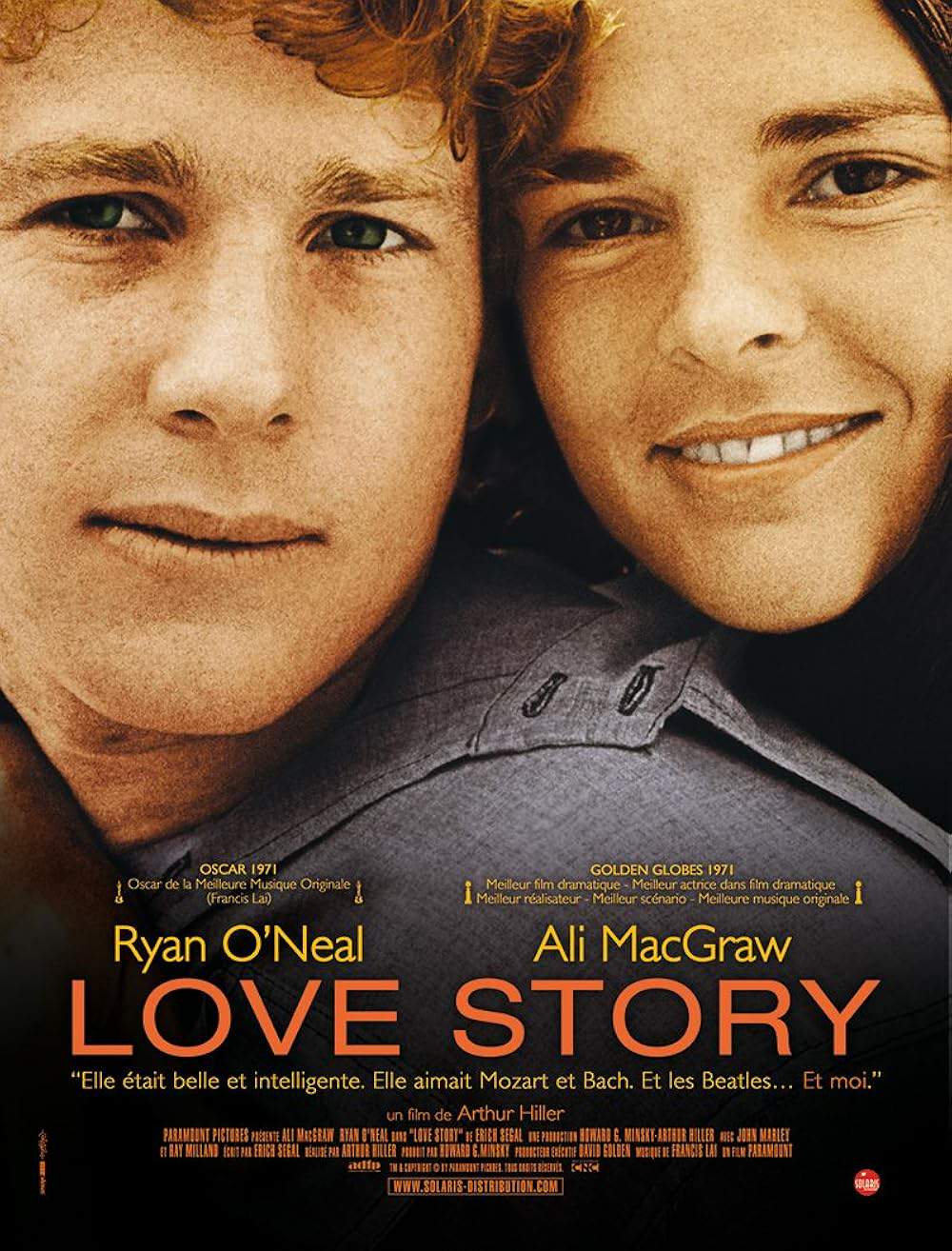
Stories where a protagonist's life is revisited through poignant, non-linear memories.Discover movies like The 12 Days of Christine that explore a person's life through a mosaic of memories. These films often feature a non-linear narrative, a melancholic tone, and a heavy emotional focus on family, love, loss, and the bittersweet act of looking back.
These films often unfold non-linearly, presenting key moments from a character's past that initially seem disjointed. As the story progresses, the true context—often a death, a major life change, or a moment of deep reflection—is revealed, re-framing the memories into a powerful, coherent whole about the meaning of a life.
Movies are grouped here because they share a specific narrative structure and emotional goal: using the device of memory to explore a complete life journey. They prioritize emotional resonance over plot, creating a deeply reflective and often melancholic viewing experience centered on themes of time, regret, and acceptance.
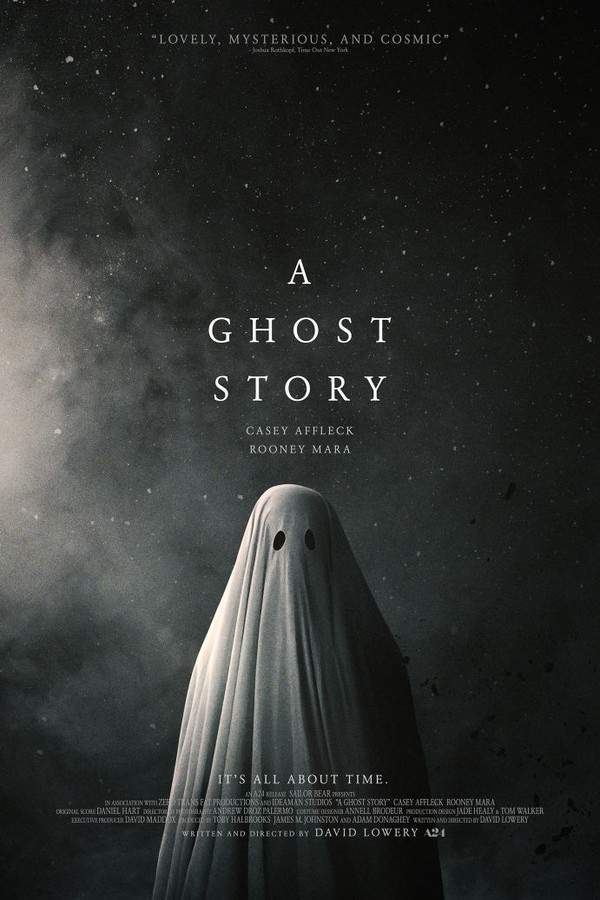
Where spectral presences are metaphors for profound loss and emotional trauma.If you liked The 12 Days of Christine, explore movies where a ghost or mysterious presence symbolizes deep emotional pain. These films blend drama with subtle supernatural elements, creating an unsettling and melancholic vibe focused on processing loss rather than pure fear.
The narrative often follows a protagonist who is haunted, either literally or figuratively, by a presence tied to a past tragedy or their own impending death. The supernatural mystery is slowly unraveled, paralleling the character's emotional journey toward a painful realization or a form of closure, leading to a cathartic but sad resolution.
These movies are grouped by their unique blend of tone and theme. They use the language of ghost stories or psychological thrillers to tell deeply human dramas about coping with loss. The similarity lies in the melancholic mood, the steady pacing of revelation, and the high emotional weight of the core theme.
Don't stop at just watching - explore The 12 Days of Christine in full detail. From the complete plot summary and scene-by-scene timeline to character breakdowns, thematic analysis, and a deep dive into the ending - every page helps you truly understand what The 12 Days of Christine is all about. Plus, discover what's next after the movie.
Read a complete plot summary of The 12 Days of Christine, including all key story points, character arcs, and turning points. This in-depth recap is ideal for understanding the narrative structure or reviewing what happened in the movie.
Track the full timeline of The 12 Days of Christine with every major event arranged chronologically. Perfect for decoding non-linear storytelling, flashbacks, or parallel narratives with a clear scene-by-scene breakdown.