Plot Explained Spoilers guaranteed!
Plot Explained

Browse by genre

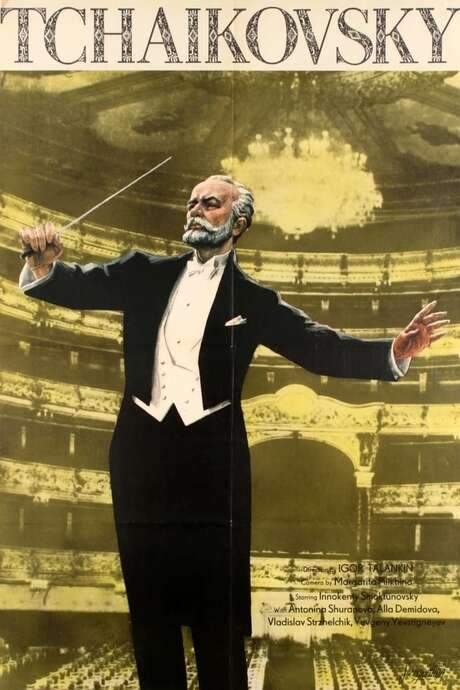
Tchaikovsky (1970) movie poster

Characters & Themes

Tchaikovsky (1970) Characters, Setting & Themes Explained

Release, runtime and language
1970 · 157 mins · Russian
Directed by
Igor Talankin
Starring
Alla Demidova, Innokentiy Smoktunovskiy, Aleksandr Smirnov, Kirill Lavrov, Antonina Shuranova, Nina Agapova

The film honors Russian composer Pyotr Tchaikovsky (1840‑1893), focusing on the last twenty years of his life and his close friendship with patron Baroness Nadezhda von Meck. It also glances at his childhood and adolescence, set against excerpts from his operas and ballets performed by top Russian musicians.

On this page (7)
  1. 1 Characters explained (7)
  2. 2 Where & when it takes place
  3. 3 Themes & meaning (3)
  4. 4 Character & meaning questions
  5. 5 Movie threads
  6. 6 Movies like Tchaikovsky
  7. 7 Every angle

7 main characters · contains spoilers

Tchaikovsky Characters Explained: Who Is Who

The main characters of Tchaikovsky (1970), heroes and villains: what drives them, how they change over the course of the story and what each of them reveals about the film's bigger ideas.

  • Petja Tchaikovsky (Chaikovsky)

    played by Gerasim Voronkov

    A prodigiously talented and emotionally intense composer, Petja navigates the pressures of public expectation, personal longing, and the burdens of genius. His music often carries deep feeling, even as he struggles with self-doubt and social constraints.

    • 🎼 Composer
    • ❤️ Romantic
    • 🎨 Artistic
  • Yulia von Meck

    played by Alla Demidova

    A wealthy patroness who supports Tchaikovsky during critical periods. Her generosity enables him to pursue his work, though it also frames a complex dynamic between financial aid and personal autonomy.

    • 💷 Patron
    • 🎭 Patronage
    • 🕊️ Benefactor
  • Nikolai Rubinstein

    played by Vladislav Strzhelchik

    A leading pianist and critic whose judgments influence Tchaikovsky's opportunities. He can be dismissive at times but also recognizes the composer’s talent, shaping the trajectory of premieres and collaborations.

    • 🎹 Mentor
    • 🗣️ Critic
    • 👑 Authority
  • Natalia von Meck (Antonina Ivanovna)

    played by Antonina Shuranova

    A student who writes a love letter that draws Tchaikovsky into a new personal and social encounter, illustrating the director's entangled personal life and the risk of scandal.

    • 💌 Love Interest
    • 🎭 Social Pressure
    • 🧭 Catalyst
  • Queen of Spades

    played by Tatyana Strukova

    A stage role that becomes a turning point in Tchaikovsky's career, signaling a shift in public reception and artistic validation.

    • 🎭 Opera
    • 🎬 Milestone
    • 🌟 Spotlight
  • Desire

    played by Maya Plisetskaya

    A symbolic figure embodying passion and emotional longing, whose presence in the narrative mirrors the composer’s romantic yearnings and creative drive.

    • 💫 Desire
    • 💘 Romance
    • 🎨 Inspiration
  • Chief of Police

    played by Nikolay Trofimov

    A minor authority figure representing the risk and consequences of pursuing forbidden encounters, reflecting the film’s tension between personal life and social norms.

    • 👮 Authority
    • 🧩 Tension
    • 🕵️‍♂️ Conflict

Last updated: February 19, 2026 at 09:19

Was this helpful?

Setting

Where and When Does Tchaikovsky Take Place?

The setting of Tchaikovsky (1970): the year and time period, the places and locations, and how they shape the characters, the mood and the tension of the story.

Time period

Late 19th century

The events span roughly the 1870s to the early 1890s, a period of prolific output and intense personal struggle for Tchaikovsky. It is marked by premieres, patronage, and public reception shaping a composer's legacy. The narrative culminates with Pathétique and the composer's death shortly after its premiere.

Location

Russia, Paris, Moscow

Set primarily in late 19th-century Russia, the story follows Tchaikovsky's life across major cities. Paris features as a key location where his work is performed and gains wider recognition. The Moscow Conservatory and Russian cultural circles anchor his career, reflecting the era's patronage and artistic ambition.

  • 🏛️ Russia
  • 🎼 Classical music
  • 🗺️ Paris

Last updated: February 19, 2026 at 09:19

Was this helpful?

3 major themes

Tchaikovsky Meaning: Themes & Message Explained

What is Tchaikovsky (1970) really about? The emotional, social and philosophical themes the film keeps returning to, its symbolism and the message beneath the surface.

  • Patronage

    A wealthy patron, von Meck, provides critical financial support that sustains Tchaikovsky during moments of crisis. The relationship highlights how art often relies on benefactors to navigate personal and professional pressures. It also shows how patronage can influence a composer’s choices and opportunities.

  • Mental Struggle

    The composer wrestles with intense emotions, leading to moments of despair and contemplation of self-harm. The film portrays his vulnerability, inner conflict, and the toll of fame on personal life. His resilience and eventual creative breakthroughs shape his artistic trajectory.

  • Reputation and Reception

    Tchaikovsky faces criticism and skepticism within the musical establishment, even as some works win acclaim. The contrast between societal judgment and artistic achievement drives his resolve. Public premieres, sensational reception, and the politics of the stage all influence his career.

Last updated: February 19, 2026 at 09:19

Was this helpful?

Character & theme questions

Tchaikovsky Characters & Meaning: Your Questions Answered

The questions people ask about Tchaikovsky (1970): who the characters really are, their relationships, what the symbols mean, where it takes place and what the movie is really about. Each answer contains spoilers.

Q1

Where does the film take place?

The film follows Tchaikovsky's life across several major cities in late 19th-century Europe. Key locations include Russia (particularly Moscow where the Conservatory is based), Paris where his work gains international recognition, and other Russian cultural centers. The settings reflect the era's patronage system and artistic ambitions.

Foreshadowing: The contrast between Russian and Parisian settings highlights the difference between his struggle for acceptance at home versus acclaim abroad.

  • russia
  • paris
  • moscow
  • setting
  • location
  • late 19th century
Q2

When is the film set?

The story spans roughly from the 1870s to the early 1890s, covering the last two decades of Tchaikovsky's life. This period represents his most prolific output alongside intense personal struggle, ending with the premiere of his Pathétique symphony and his death shortly after.

  • 1870s
  • 1890s
  • late 19th century
  • time period
  • historical
Q3

What role does the patron play in the film?

Baroness Nadezhda von Meck serves as Tchaikovsky's crucial financial benefactor, providing support during his darkest moments of crisis. Her patronage enables him to continue composing despite professional and personal pressures, though the relationship creates a complex dynamic between financial dependence and artistic autonomy.

Foreshadowing: The film shows how this patronage both sustains and complicates Tchaikovsky's career, with the relationship eventually being severed.

  • von meck
  • patronage
  • patron
  • financial support
  • benefactor
Q4

What personal struggles does the film explore about Tchaikovsky?

The film portrays Tchaikovsky's intense emotional turmoil, including moments of despair and contemplation of self-harm. His vulnerability, inner conflict, and the psychological toll of fame are central themes. Despite these struggles, he achieves creative breakthroughs that define his artistic legacy.

  • mental struggle
  • depression
  • emotional turmoil
  • vulnerability
  • self-harm
  • composer
Q5

How does the film portray Tchaikovsky's reception?

The film shows Tchaikovsky facing significant criticism and skepticism from the musical establishment, even as certain works win acclaim. The tension between societal judgment and artistic achievement drives his career, with public premieres and their reception shaping his legacy.

Foreshadowing: The Queen of Spades premiere marks a turning point that shifts public perception in his favor.

  • criticism
  • reception
  • acclaim
  • premiere
  • reputation
  • musical establishment
Q6

Who is Petja Tchaikovsky in the film?

Petja Tchaikovsky is depicted as a prodigiously talented and emotionally intense composer who navigates the pressures of public expectation, personal longing, and the burdens of genius. His music carries deep feeling even as he struggles with self-doubt and social constraints.

  • petja tchaikovsky
  • composer
  • protagonist
  • musical genius
Q7

Who is Yulia von Meck?

Yulia von Meck is a wealthy patroness who provides critical financial support to Tchaikovsky during pivotal periods of his career. Her generosity enables him to pursue his artistic work, though the relationship frames an ongoing tension between financial aid and personal autonomy.

  • yulia von meck
  • patroness
  • financial support
  • benefactor
Q8

Who is Nikolai Rubinstein?

Nikolai Rubinstein is portrayed as a leading pianist and influential critic whose judgments significantly affect Tchaikovsky's career opportunities. Though sometimes dismissive, he also recognizes Tchaikovsky's talent and shapes the trajectory of premieres and collaborations.

  • nikolai rubinstein
  • pianist
  • critic
  • career
  • premiere
Q9

What is the significance of the Queen of Spades in the story?

The Queen of Spades refers to Tchaikovsky's opera adaptation, which becomes a pivotal career moment. Its success signals a major shift in public reception and provides artistic validation after years of struggling for recognition.

  • queen of spades
  • opera
  • career turning point
  • premiere
  • success
Q10

What does the character Desire represent?

Desire is a symbolic figure embodying passion and emotional longing, whose presence mirrors Tchaikovsky's own romantic yearnings and creative drive. The character represents the emotional intensity that fuels both his personal struggles and his artistic output.

  • desire
  • symbolic
  • passion
  • longing
  • emotional yearning
Q11

What is the overall tone of the film?

The film carries a predominantly melancholic tone, focusing on Tchaikovsky's professional disappointments, personal isolation, and tragic demise. However, it avoids being bleak by celebrating his creative achievements. The emotional weight comes from themes of suicide, critical failure, broken relationships, and fatal illness, tempered by historical reflection.

  • melancholy
  • tone
  • emotional
  • sadness
  • tragic
  • biographical
Q12

What is the significance of the Pathétique symphony?

The Pathétique symphony represents Tchaikovsky's final major work and serves as the emotional climax of the film. Its premiere shortly before his death marks the culmination of his artistic journey, adding profound significance to the film's ending.

  • pathetique
  • symphony
  • final work
  • premiere
  • death

Movie threads

More Movies Like Tchaikovsky, by Mood & Story

Curated lists built around what makes Tchaikovsky tick: the same mood, the same kind of story or the same emotional payoff. Each list explains why these movies belong together.

Tormented Genius Biopics like Tchaikovsky

Exploring the weight of creative genius and the personal cost of artistic brilliance. If you appreciated the tragic beauty of Tchaikovsky, discover other movies like it that explore the lives of brilliant artists haunted by their genius. These films share a melancholic tone and delve into the painful cost of creating immortal works.

  • tragic
  • introspective
  • creative struggle
  • melancholic
  • grieving
  • isolated
  • Tone: melancholic, tragic, reflective
  • Pacing: steady, character-driven
Why these movies?

The story pattern: These stories typically follow a chronological arc, tracing the subject's rise to prominence while simultaneously uncovering the deep-seated anxieties, mental health crises, and loneliness that accompany their talent. The narrative often builds towards a poignant or tragic conclusion, emphasizing the intrinsic link between suffering and artistic expression.

Why they belong together: Movies in this thread are united by their focus on the 'pain of creation.' They share a heavy emotional weight, a melancholic tone, and a steady pacing that allows for deep introspection. The central question is rarely 'how' the art was made, but 'what it cost' the person who made it.
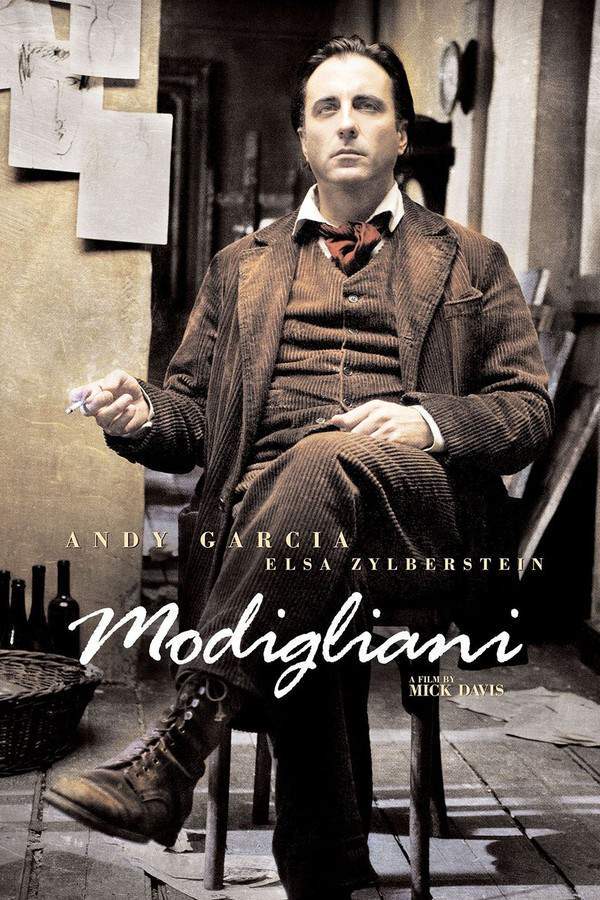
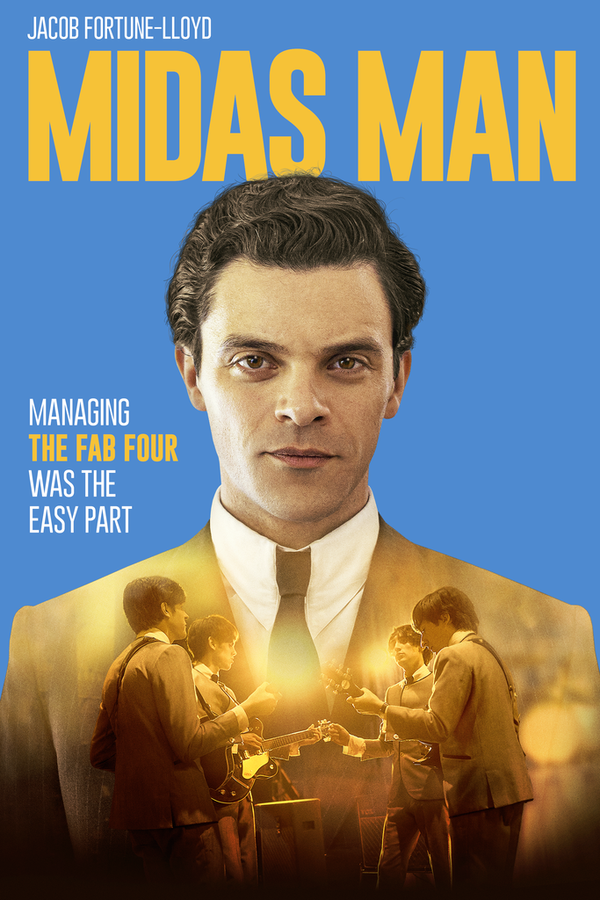
Somber Meditations on Legacy like Tchaikovsky

Stories that reflect on a life's work and the bittersweet nature of enduring influence. Seeking more movies like Tchaikovsky that thoughtfully examine a famous legacy? This thread features reflective dramas where profound artistic achievements are shadowed by personal tragedy, offering a deeply moving viewing experience.

  • reflective
  • legacy
  • tragic
  • poignant
  • melancholic
  • introspective
  • Tone: melancholic, reflective, poignant
  • Pacing: steady, contemplative
Why these movies?

The story pattern: The narrative pattern revolves around looking back on a life, often through key events or relationships. It juxtaposes public success with private turmoil, building towards an ending that solidifies the subject's legacy while underscoring the loneliness or pain that accompanied it. The story is less about action and more about the emotional resonance of a life lived.

Why they belong together: These films are grouped together by their unique blend of celebration and sorrow. They share a steady, reflective pacing, a melancholic tone, and a heavy emotional weight rooted in themes of artistic struggle, unfulfilled relationships, and the ultimate price of a lasting legacy.

If you liked this

Movies Like Tchaikovsky

Similar movies to Tchaikovsky: the same genre, themes or kind of story. Each one comes with its own plot summary, timeline and ending explained.

Browse all movie summaries

Every angle

Tchaikovsky (1970) Explained: Plot, Timeline & Characters

Everything about Tchaikovsky in one place: what happens in the plot summary, the timeline in chronological order, the characters and meaning and a spoiler-free summary. What's After the Movie adds the cast, box office and post-credit scenes.

Coming soon on iOS and Android

The Plot Explained Movie Summary App

Plot summaries, endings explained and timelines on your phone. Catch up on any movie in minutes, save your favorites and never miss a twist again.

Be the first to know when we launch. Your email stays private, always.

Learn more about the app