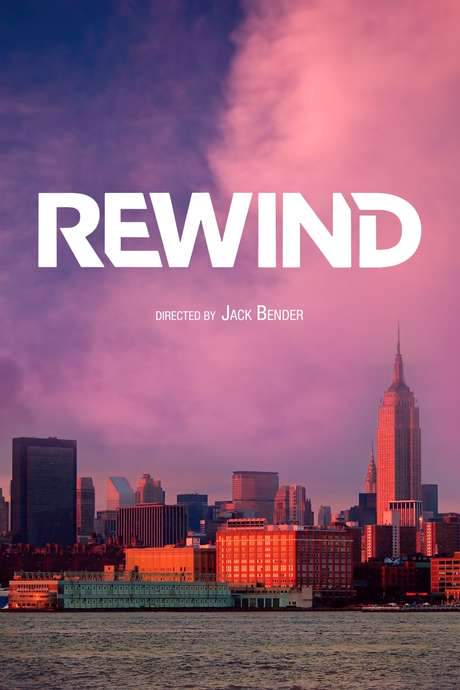
Introverted freshman James shares a dorm with Lance, a polished, affluent student who treats college life as a field for conquest. Lance is charming with the girls and favors casual, no-strings-attached encounters, while James stands out as the strongest student in their basic programming course. When Lance realizes James’s coding prowess, he pitches a deceptively simple plan: do the bare minimum in class, and let James handle the real work behind a scheme that promises easy results.
What begins as a cunning sideline soon grows into a campus-wide project. Lance and his circle decide they want to build an app dedicated to hookups, and they recruit James because of his lifelong coding skill. The goal is audacious: a platform that connects people for physical encounters with no numbers, no names, and no commitments—just guaranteed one-night stands. James takes over the dorm’s workspace, devoting long hours to perfecting the code for what they dub the ultimate hookup app, Jungle. The idea is seductive in its simplicity and, to some, dangerously seductive in its implications.
As the project takes shape, James’s distance from the real world deepens. He becomes consumed with debugging, feature sets, and user experience, effectively removing himself from his own life in order to make Jungle thrive. In a tense bargaining of knowledge and power, Lance promises to pay for James to transfer to an Ivy League school, creating added pressure for James to keep pushing the project forward. The dorm room becomes a makeshift lab where James chases a glossy vision of connection that minimizes friction and maximizes casual encounters.
The holiday break exposes the collateral damage of Jungle. James witnesses the consequences of his creation when his divorced parents cross paths with people who have engaged with the app. His dad arrives with a very young date found through Jungle, while his mother—encouraged by friends—soon follows suit and tries it herself. The Christmas scenes reveal the human cost of online detachment, and James feels the weight of responsibility as he witnesses the real consequences of the technology he helped build.
Seeking to understand the longer-term impact, James then tries to involve his grandparents and their peers in a reflective questionnaire about past sexual and relationship experiences. This exercise underscores the generational gap in attitudes toward intimacy and the way Jungle reshapes expectations across families. When he discovers his mom active again on Jungle, he makes a drastic move: he deletes Jungle and related apps to halt the spread of what he created. Lance and his crew quickly catch wind of the shutdown and push back, pressuring James to restore the platform.
Returning to campus, James hides out at Hannah’s sorority house, hoping to escape the pressure and steer clear of trouble. He’s given a conditional stay—if he builds a different app focused on relationships for the sorority, he can remain safe. Back in his room for a moment, he’s intercepted by Lance and the others, who coerce him into reactivating their project. Outwitting them with a quiet ruse—a relaxing tea—James slips back to the safety of the sorority, hoping to buy time and distance from the escalating conflict.
With the sisters offering protection, James seems to find some stability, but his troubles resurface when Lance leaks details of his involvement to the press. Hannah confronts James about his motives, and he admits that his work on Jungle was driven by a desire to connect with her, even if the app never gained her download. The moment threads the line between confession and regret, as James acknowledges the harm caused by the project. He calls for a return to real relationships, urging everyone to stay off the apps to force genuine connection and sincerity.
In the end, James finds a fragile closure with Hannah, admitting his feelings in a moment of vulnerability. The pair share a kiss, implying that the path to meaning in love and connection lies beyond the glossy shortcuts of technology. The narrative closes on a note that blends risk, remorse, and the possibility of authentic intimacy, inviting viewers to consider how far one should go in the name of progress—and what it really means to connect with another person in a world saturated with screens.