Plot Explained Spoilers guaranteed!
Plot Explained

Browse by genre

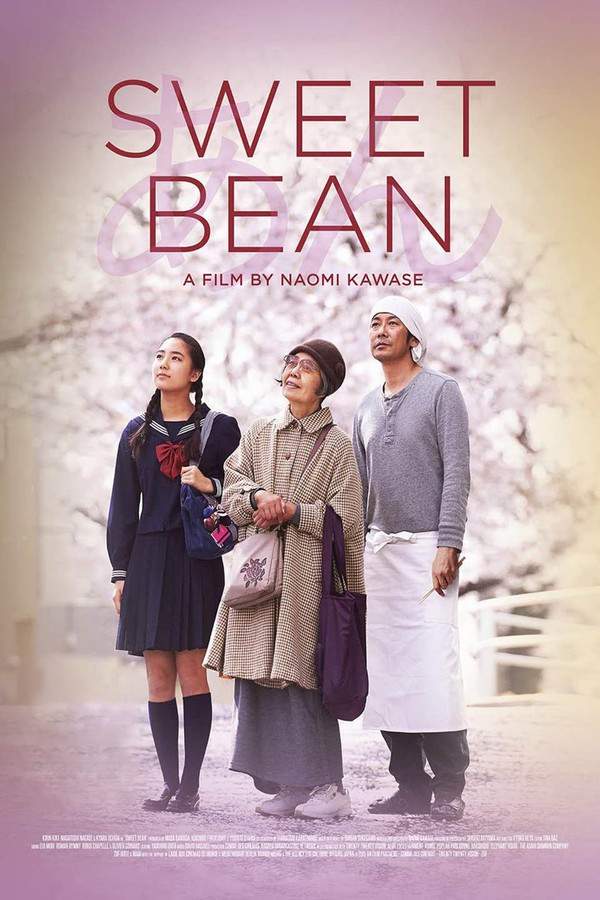
Sweet Bean (2016) movie poster

Timeline

Sweet Bean (2016) Timeline Explained – Every Event in Order

Release, runtime and language
2016 · 113 min · Japanese
Loading streaming availability…
Directed by
Naomi Kawase

A lonely elderly baker, Sentaro, rediscovers his passion when a spirited 76-year-old woman, Tokue, begins helping in his small shop. She possesses a treasured recipe for sweet bean paste, and their connection brings warmth and joy to the bakery. As they build an unexpected friendship, a sudden illness forces Tokue into seclusion, testing the bond they’ve formed and threatening to dim the bakery’s newfound happiness.

On this page (6)
  1. 1 Where to watch
  2. 2 Events in order (14)
  3. 3 Timeline questions answered
  4. 4 The book behind the movie
  5. 5 Movie threads
  6. 6 Every angle
Loading streaming availability…

14 events in order · contains spoilers

Sweet Bean Timeline: Events in Chronological Order

Every key event of Sweet Bean (2016) in order, scene by scene, with when and where it takes place. Use it to untangle flashbacks, time jumps and parallel storylines, to refresh your memory before the sequel or to find the exact scene you are thinking of.

  1. Sentaro's Peaceful Life

    Sentaro, a middle-aged man, runs a small dorayaki shop on the outskirts of Tokyo. His life is simple, filled with the joys of his modest business as he serves local customers, including school students who are fond of his treats.

    Where
    Tokyo
  2. Seeking Help

    In need of assistance, Sentaro puts up a notice looking for a co-worker. This decision marks the beginning of a significant change in his life, drawing the attention of an extraordinary woman named Tokue.

  3. Tokue's Background

    Tokue, a woman in her mid-seventies, expresses her lifelong dream of working in a dorayaki shop. Despite her deformed hands, a result of her past, she brings a unique passion for the art of making sweet bean paste.

  4. Anko Revelation

    Though hesitant about Tokue's physical condition, Sentaro tries her homemade anko and is immediately enchanted. This moment serves as a turning point, prompting him to invite her to help make bean paste for the shop.

  5. Business Thrives

    With Tokue's addition to the shop, the business flourishes. She takes a more active role, engaging customers and preparing delicious dorayaki, which invigorates Sentaro's spirits and the shop's reputation.

  6. Decline due to Prejudice

    As patrons begin to recognize Tokue's deformities as signs of leprosy, the shop faces a significant decline in customers. The prejudice against her condition deeply affects Sentaro, forcing him to contemplate her employment.

  7. A Difficult Decision

    Feeling the weight of societal judgment, Sentaro makes the painful choice to let Tokue go. This decision fills him with guilt and regret as he reflects on the discrimination she faces.

  8. A Visit to the Sanatorium

    Wakana, a schoolgirl and friend of Sentaro, encourages him to visit Tokue at the sanatorium. This visit serves as a heartbreaking reminder of the stigma leprosy patients endured, bringing Sentaro face-to-face with the impact of his decisions.

    Where
    Sanatorium
  9. Tokue's Gratitude

    During their visit, Tokue expresses her gratitude to Sentaro for the time they shared at the shop. Despite her circumstances, she reassures him of her appreciation, highlighting her resilient spirit.

  10. The Loss of Tokue

    Tragically, a few months later, Tokue passes away due to pneumonia. Her death leaves a profound impact on Sentaro, who reflects on the richness she brought into his life despite the hardships they faced.

  11. The Cassette Tape

    Before she passes, Tokue leaves behind a poignant cassette tape for Sentaro and Wakana. In it, she shares wisdom about life’s true value and encourages them to cherish their experiences beyond their jobs.

  12. Sentaro's Past

    Throughout the film, Sentaro grapples with his past, particularly a violent incident that led to his imprisonment and debt to a loan shark. This burden looms over him and complicates his relationship with the dorayaki shop.

  13. Breaking Free

    As the story progresses, Sentaro begins to confront his demons and the challenges of his past. Slowly, he learns to embrace his life and the circumstances surrounding him, finding a path towards redemption.

  14. New Beginnings

    By the film's conclusion, Sentaro stands proudly at a stall in a local park, showcasing his dorayaki. This moment signifies his transformation as he learns to appreciate life, moving forward with hope despite his previous burdens.

    Where
    Local Park

Last updated: November 08, 2024 at 16:38

Was this helpful?

Timeline questions answered

Sweet Bean Timeline Explained: Your Questions Answered

When does it happen, and why in that order? The questions people ask about the chronology of Sweet Bean (2016): time jumps, flashbacks, cause and effect between scenes and the correct order of events, each answered with spoilers.

Q1

Why does Sentaro decide to hire Tokue despite her deformed hands?

Sentaro hires Tokue after tasting her homemade anko (red bean paste). Unlike the factory-made paste he had been using, Tokue's anko has an exceptional taste and texture that enchanted him. This culinary revelation makes Sentaro overlook her physical condition, and he confesses his previous discontent with his own product, inviting her to join him in making bean paste.

  • tokue
  • sentaro
  • anko
  • bean paste
  • deformed hands
  • hiring
Q2

What makes Tokue's bean paste different from what Sentaro used before?

Tokue's homemade anko is described as having exceptional taste and texture, a stark contrast to the factory-made paste Sentaro had been using. The difference is so remarkable that it prompts Sentaro to completely change his opinion about hiring her, seeing her skills as a way to improve his business and reconnect with his passion for dorayaki-making.

  • anko
  • bean paste
  • tokue
  • taste
  • factory-made
  • recipe
Q3

Why do customers stop coming to the dorayaki shop after Tokue starts working there?

Customers begin to recognize the deformities in Tokue's hands as markers of leprosy. This recognition leads to prejudice against her condition, causing a significant decline in business as people stop patronizing the shop due to the stigma associated with the disease.

  • customers
  • leprosy
  • prejudice
  • tokue's hands
  • decline
  • stigma
Q4

Why does Sentaro let Tokue go from the shop?

Sentaro feels compelled to let Tokue go due to the significant decline in business caused by customer prejudice against her leprosy. Though he struggles with guilt and regret, the pressure from societal judgment forces him to make the painful decision to terminate her employment.

  • sentaro
  • tokue
  • firing
  • prejudice
  • guilt
  • customers
Q5

What is the sanatorium where Tokue lives?

The sanatorium is a facility where leprosy patients lived in seclusion, historically separated from society due to the disease and the stigma surrounding it. The film references the Leprosy Prevention Law, which unjustly enforced this isolation until its repeal in 1996. Wakana encourages Sentaro to visit Tokue there after she leaves the shop.

  • sanatorium
  • leprosy
  • tokue
  • isolation
  • leprosarium
  • Wakana
Q6

What does Tokue say in the cassette tape she leaves behind?

Before passing away, Tokue records a cassette tape for Sentaro and Wakana. In it, she imparts wisdom that one's value is not tied to their job but to their very existence itself. She encourages them to savor and appreciate the sensory experiences the world has to offer, emphasizing the importance of living fully beyond work.

  • cassette tape
  • tokue
  • wisdom
  • message
  • death
  • legacy
Q7

Why does Sentaro owe money to a loan shark?

Sentaro carries the burden of a past violent incident at a pub brawl that led to his imprisonment. He was required to pay a hefty reparation to the victim, and the loan shark financed this payment. This debt shackles him to the dorayaki shop, as he struggles to repay the money throughout the film.

  • sentaro
  • loan shark
  • debt
  • imprisonment
  • past
  • pub brawl
Q8

How does Sentaro change by the end of the movie?

By the film's conclusion, Sentaro undergoes a significant transformation. He learns to embrace his life and circumstances despite the burdens of his past, including his debt and previous imprisonment. Rather than being weighed down by his troubles, he now stands proudly at his own stall in a local park, having found hope and purpose through his connection with Tokue and her wisdom.

  • sentaro
  • transformation
  • growth
  • hope
  • park stall
  • redemption
Q9

Why does Tokue die, and what is her legacy?

Tokue passes away from pneumonia a few months after leaving the shop. Despite her death, she leaves behind her bean paste-making equipment as a tangible legacy. More importantly, her wisdom recorded on the cassette tape continues to influence Sentaro and Wakana, emphasizing that true value lies in one's existence rather than their occupation.

  • tokue
  • death
  • pneumonia
  • legacy
  • equipment
  • cassette tape
Q10

What does the final scene with Sentaro at the park stall represent?

The final scene shows Sentaro standing proudly at a dorayaki stall in a local park. This represents his transformation and new beginning, he has learned to appreciate life despite his past burdens. The stall symbolizes his acceptance of himself and his circumstances, moving forward with hope rather than being shackled by guilt and debt.

  • sentaro
  • park stall
  • ending
  • new beginning
  • hope
  • transformation

Movie threads

More Movies Like Sweet Bean, by Mood & Story

Curated lists built around what makes Sweet Bean tick: the same mood, the same kind of story or the same emotional payoff. Each list explains why these movies belong together.

Movies about late-life friendship like Sweet Bean

Stories where unexpected bonds formed later in life bring profound meaning. If you enjoyed the gentle bond between Sentaro and Tokue in Sweet Bean, this thread gathers movies that explore similar themes of unexpected friendship and personal rediscovery later in life. These films share a quiet, character-driven pace and a bittersweet, hopeful emotional tone.

  • contemplative
  • warm
  • melancholic
  • hopeful
  • nostalgic
  • quiet
  • Tone: bittersweet, warm, melancholic
  • Pacing: slow, contemplative
Why these movies?

The story pattern: These narratives often begin with a state of loneliness or stagnation for the protagonist. An unlikely, often older individual enters their life, bringing a unique perspective or skill. Through this slow-building friendship, the main character rediscovers joy and purpose, though the journey is often tempered by the realities of aging, loss, or societal prejudice, leading to a poignant but ultimately affirming conclusion.

Why they belong together: They are grouped together by their shared focus on the emotional depth and quiet dignity of relationships formed in later life. They consistently feature a slow, contemplative pacing, a bittersweet tone balancing warmth with melancholy, and a medium emotional weight that deals seriously with themes of time, legacy, and connection without being overwhelmingly heavy.

Movies about craftsmanship and passion like Sweet Bean

Films where the dedication to a craft becomes a path to personal redemption. For viewers who loved the focus on making sweet bean paste in Sweet Bean, this collection highlights films where a character's passion for their craft drives the narrative. These movies share a meditative pace, a sincere tone, and explore themes of artistry, mentorship, and finding purpose through dedication to a skill.

  • meditative
  • sincere
  • contemplative
  • heartfelt
  • quiet
  • inspiring
  • Tone: sincere, melancholic, warm
  • Pacing: slow, meditative
Why these movies?

The story pattern: The plot typically revolves around a skilled but disillusioned artisan or a novice learning a trade. Through the rigorous, often repetitive process of their craft, they undergo a slow internal transformation. This journey is frequently guided by a mentor figure and is intertwined with themes of tradition, quality, and the personal satisfaction derived from creating something beautiful or meaningful, often leading to a resolution that values the process over the outcome.

Why they belong together: These films are united by their reverent portrayal of a specific skill or art form, which is intrinsically linked to the protagonist's emotional arc. They share a slow, deliberate pacing that allows the viewer to appreciate the details of the craft, a tone that blends sincere warmth with thoughtful melancholy, and a thematic focus on redemption, legacy, and the quiet joy of mastery.

Every angle

Sweet Bean (2016) Explained: Plot, Timeline & Characters

Everything about Sweet Bean in one place: what happens in the plot summary, the timeline in chronological order, the characters and meaning and a spoiler-free summary. What's After the Movie adds the cast, box office and post-credit scenes.

Coming soon on iOS and Android

The Plot Explained Movie Summary App

Plot summaries, endings explained and timelines on your phone. Catch up on any movie in minutes, save your favorites and never miss a twist again.

Be the first to know when we launch. Your email stays private, always.

Learn more about the app