Plot Explained Spoilers guaranteed!
Plot Explained

Browse by genre

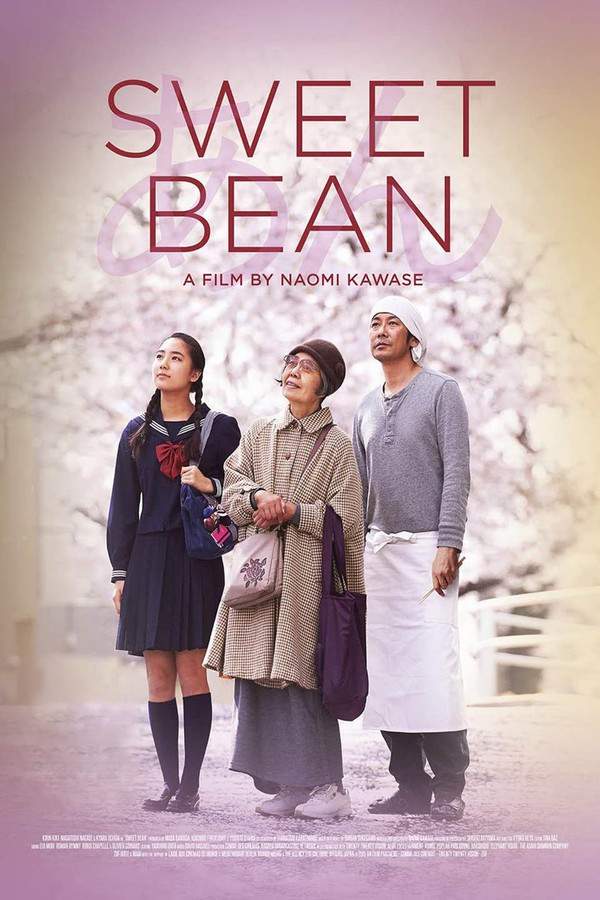
Sweet Bean (2016) movie poster

Characters & Themes

Sweet Bean (2016) Characters, Setting & Themes Explained

Release, runtime and language
2016 · 113 min · Japanese
Loading streaming availability…
Directed by
Naomi Kawase

A lonely elderly baker, Sentaro, rediscovers his passion when a spirited 76-year-old woman, Tokue, begins helping in his small shop. She possesses a treasured recipe for sweet bean paste, and their connection brings warmth and joy to the bakery. As they build an unexpected friendship, a sudden illness forces Tokue into seclusion, testing the bond they’ve formed and threatening to dim the bakery’s newfound happiness.

On this page (8)
  1. 1 Where to watch
  2. 2 Characters explained (3)
  3. 3 Where & when it takes place
  4. 4 Themes & meaning (3)
  5. 5 Character & meaning questions
  6. 6 The book behind the movie
  7. 7 Movie threads
  8. 8 Every angle
Loading streaming availability…

3 main characters · contains spoilers

Sweet Bean Characters Explained: Who Is Who

The main characters of Sweet Bean (2016), heroes and villains: what drives them, how they change over the course of the story and what each of them reveals about the film's bigger ideas.

  • Sentaro

    Sentaro is a middle-aged man who runs a dorayaki shop and is haunted by his past mistakes, including a violent incident that led to imprisonment. His character evolves throughout the film as he learns to embrace his life and finds redemption through his relationship with Tokue and Wakana. Sentaro’s journey reflects the struggle of reconciling one's past with present circumstances.

    • 👨‍🍳 Baker
    • 😔 Regret
    • 🌱 Redemption
  • Tokue

    Tokue is a remarkable woman in her seventies with a lifelong dream of working in a dorayaki shop. Despite her physical deformities caused by leprosy, she brings immense creativity and passion to her work. Her wisdom and kindness leave a lasting impact on Sentaro and Wakana, embodying resilience and the importance of valuing one's existence beyond societal judgments.

    • 👵 Wisdom
    • 🍡 Artisan
    • 💔 Resilience
  • Wakana

    Wakana is a schoolgirl who befriends Sentaro and acts as a conduit of compassion throughout the film. She encourages Sentaro to reconnect with Tokue, highlighting her genuine concern for both characters. Her youthful innocence juxtaposes the heavy themes of prejudice and redemption, allowing her to play a crucial role in Sentaro’s transformation.

    • 👧 Innocence
    • 💕 Friendship
    • ✨ Hope

Last updated: October 22, 2024 at 21:56

Was this helpful?

Setting

Where and When Does Sweet Bean Take Place?

The setting of Sweet Bean (2016): the year and time period, the places and locations, and how they shape the characters, the mood and the tension of the story.

Time period

The story takes place in contemporary Japan, reflecting societal attitudes and historical contexts related to leprosy. The mention of the repeal of the Leprosy Prevention Law in 1996 highlights a significant shift in societal perceptions about those affected by this condition, indicating a lingering stigma that impacts the characters.

Location

Tokyo

Tokyo, the bustling capital of Japan, is known for its blend of traditional and modern elements. It is a vibrant city where you can find everything from ancient temples to contemporary skyscrapers. The outskirts of Tokyo, where Sentaro's dorayaki shop is located, provide a quaint setting that contrasts with the fast-paced life of the city.

  • 🏙️ City
  • 🏪 Shop

Last updated: October 22, 2024 at 21:56

Was this helpful?

3 major themes

Sweet Bean Meaning: Themes & Message Explained

What is Sweet Bean (2016) really about? The emotional, social and philosophical themes the film keeps returning to, its symbolism and the message beneath the surface.

  • Compassion

    The film explores themes of compassion through the relationships developed between Sentaro, Tokue, and Wakana. It illustrates how genuine compassion can bridge societal prejudices and foster understanding. Tokue’s journey challenges characters to reconsider their perceptions of worth and value, emphasizing the importance of kindness.

  • Prejudice

    Prejudice is a central theme in 'Sweet Bean', particularly as it relates to Tokue's leprosy and physical deformities. The stigma surrounding her condition affects her life drastically, impacting her ability to work and be accepted in society. The film serves as a poignant reminder of how societal biases can harm individuals who are already vulnerable.

  • Redemption

    Sentaro’s journey embodies the theme of redemption as he struggles with his past mistakes and his role in the world. By learning to accept and appreciate Tokue’s contributions and embracing his own life circumstances, he finds a sense of pride and purpose. The film illustrates how personal growth can occur even in the face of adversity.

Last updated: October 22, 2024 at 21:56

Was this helpful?

Character & theme questions

Sweet Bean Characters & Meaning: Your Questions Answered

The questions people ask about Sweet Bean (2016): who the characters really are, their relationships, what the symbols mean, where it takes place and what the movie is really about. Each answer contains spoilers.

Q1

Where is Sweet Bean set?

The film takes place in Tokyo, Japan. The story unfolds primarily in a small dorayaki shop located on the outskirts of the city, which provides a quaint and intimate setting that contrasts with the fast-paced urban environment of the capital.

  • tokyo
  • japan
  • dorayaki shop
  • setting
  • outskirts
Q2

When does the story take place?

The story is set in contemporary Japan, taking place after the repeal of the Leprosy Prevention Law in 1996. This historical context is important because it reflects lingering societal attitudes and stigma toward those affected by leprosy, which directly impacts Tokue's experiences.

  • contemporary japan
  • 1996
  • leprosy law
  • time period
  • modern era
Q3

What role does compassion play in Sweet Bean?

Compassion is a central theme explored through the relationships between Sentaro, Tokue, and Wakana. The film illustrates how genuine kindness can bridge societal prejudices and foster understanding. Tokue's presence challenges both characters to reconsider their perceptions of worth and value, emphasizing that true compassion involves accepting people beyond superficial judgments.

  • compassion
  • kindness
  • relationships
  • acceptance
  • empathy
Q4

How does prejudice impact the story?

Prejudice is a dominant theme, particularly regarding Tokue's leprosy and resulting physical deformities. The stigma surrounding her condition drastically limits her ability to work and be accepted in society. The film serves as a poignant reminder of how societal biases harm vulnerable individuals, showing how Tokue's hidden talent and wisdom challenge those who judge her solely on appearance.

  • prejudice
  • stigma
  • leprosy
  • discrimination
  • society
Q5

What does redemption mean for Sentaro?

Sentaro's journey embodies redemption as he grapples with past mistakes, including a violent incident that led to imprisonment. Through his relationship with Tokue and Wakana, he learns to accept himself and find purpose in his dorayaki shop. The film shows that personal growth and pride can emerge even from difficult circumstances, allowing Sentaro to reconcile his past with his present life.

  • redemption
  • sentaro
  • past mistakes
  • growth
  • personal transformation
Q6

Who is Tokue and why is she important?

Tokue is a 76-year-old woman with leprosy who has dreamed of working in a dorayaki shop her entire life. Despite her physical deformities caused by the disease, she possesses immense creativity, passion, and wisdom. Her treasured recipe for sweet bean paste transforms the bakery, and her kindness leaves a lasting impact on everyone around her, demonstrating the importance of valuing people beyond societal judgments.

  • tokue
  • leprosy
  • dorayaki
  • bean paste
  • elderly woman
Q7

Who is Sentaro and what is his background?

Sentaro is a middle-aged man who runs a small dorayaki shop in Tokyo. He is haunted by his past mistakes, specifically a violent incident that resulted in imprisonment. Throughout the film, he undergoes significant character development as he learns to embrace his life circumstances and finds redemption through his unexpected friendships with Tokue and Wakana.

  • sentaro
  • dorayaki shop
  • past
  • imprisonment
  • baker
Q8

What is Wakana's role in the story?

Wakana is a schoolgirl who befriends Sentaro and serves as a conduit of compassion throughout the film. Her youthful innocence provides a counterpoint to the heavy themes of prejudice and redemption. She encourages Sentaro to reconnect with Tokue during difficult times, playing a crucial role in facilitating Sentaro's emotional transformation and highlighting the purity of genuine concern for others.

  • wakana
  • schoolgirl
  • compassion
  • friend
  • young character
Q9

What is a dorayaki shop?

A dorayaki shop is a traditional Japanese pastry shop that sells dorayaki, a popular sweet consisting of two small pancakes sandwiched around a filling, typically sweet bean paste. In the film, Sentaro's shop becomes the central location where the main characters interact, and Tokue's special bean paste recipe becomes the key to the shop's success.

  • dorayaki
  • japanese pastry
  • bean paste
  • shop
  • bakery
Q10

Why is the sweet bean paste important in the film?

The sweet bean paste represents Tokue's lifelong passion and her cherished recipe that she has guarded closely. When she shares it with Sentaro, it becomes the foundation of the shop's success and serves as a metaphor for sharing one's true self and talents with others. The bean paste symbolizes hidden value and the importance of allowing people to contribute meaningfully despite societal barriers.

  • sweet bean paste
  • recipe
  • cooking
  • talent
  • cooking skill

Movie threads

More Movies Like Sweet Bean, by Mood & Story

Curated lists built around what makes Sweet Bean tick: the same mood, the same kind of story or the same emotional payoff. Each list explains why these movies belong together.

Movies about late-life friendship like Sweet Bean

Stories where unexpected bonds formed later in life bring profound meaning. If you enjoyed the gentle bond between Sentaro and Tokue in Sweet Bean, this thread gathers movies that explore similar themes of unexpected friendship and personal rediscovery later in life. These films share a quiet, character-driven pace and a bittersweet, hopeful emotional tone.

  • contemplative
  • warm
  • melancholic
  • hopeful
  • nostalgic
  • quiet
  • Tone: bittersweet, warm, melancholic
  • Pacing: slow, contemplative
Why these movies?

The story pattern: These narratives often begin with a state of loneliness or stagnation for the protagonist. An unlikely, often older individual enters their life, bringing a unique perspective or skill. Through this slow-building friendship, the main character rediscovers joy and purpose, though the journey is often tempered by the realities of aging, loss, or societal prejudice, leading to a poignant but ultimately affirming conclusion.

Why they belong together: They are grouped together by their shared focus on the emotional depth and quiet dignity of relationships formed in later life. They consistently feature a slow, contemplative pacing, a bittersweet tone balancing warmth with melancholy, and a medium emotional weight that deals seriously with themes of time, legacy, and connection without being overwhelmingly heavy.

Movies about craftsmanship and passion like Sweet Bean

Films where the dedication to a craft becomes a path to personal redemption. For viewers who loved the focus on making sweet bean paste in Sweet Bean, this collection highlights films where a character's passion for their craft drives the narrative. These movies share a meditative pace, a sincere tone, and explore themes of artistry, mentorship, and finding purpose through dedication to a skill.

  • meditative
  • sincere
  • contemplative
  • heartfelt
  • quiet
  • inspiring
  • Tone: sincere, melancholic, warm
  • Pacing: slow, meditative
Why these movies?

The story pattern: The plot typically revolves around a skilled but disillusioned artisan or a novice learning a trade. Through the rigorous, often repetitive process of their craft, they undergo a slow internal transformation. This journey is frequently guided by a mentor figure and is intertwined with themes of tradition, quality, and the personal satisfaction derived from creating something beautiful or meaningful, often leading to a resolution that values the process over the outcome.

Why they belong together: These films are united by their reverent portrayal of a specific skill or art form, which is intrinsically linked to the protagonist's emotional arc. They share a slow, deliberate pacing that allows the viewer to appreciate the details of the craft, a tone that blends sincere warmth with thoughtful melancholy, and a thematic focus on redemption, legacy, and the quiet joy of mastery.

Every angle

Sweet Bean (2016) Explained: Plot, Timeline & Characters

Everything about Sweet Bean in one place: what happens in the plot summary, the timeline in chronological order, the characters and meaning and a spoiler-free summary. What's After the Movie adds the cast, box office and post-credit scenes.

Coming soon on iOS and Android

The Plot Explained Movie Summary App

Plot summaries, endings explained and timelines on your phone. Catch up on any movie in minutes, save your favorites and never miss a twist again.

Be the first to know when we launch. Your email stays private, always.

Learn more about the app