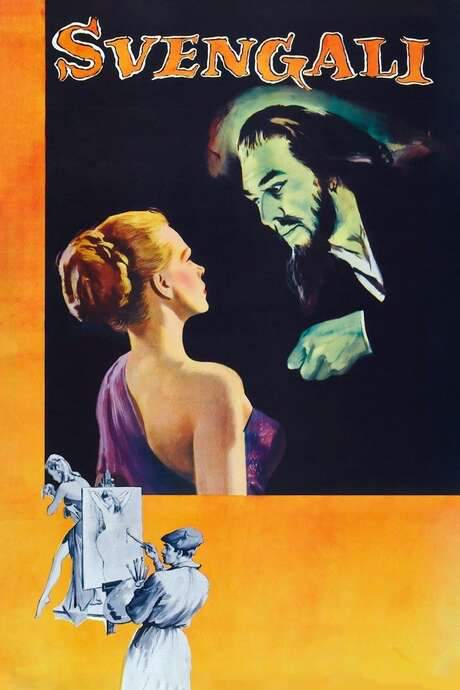
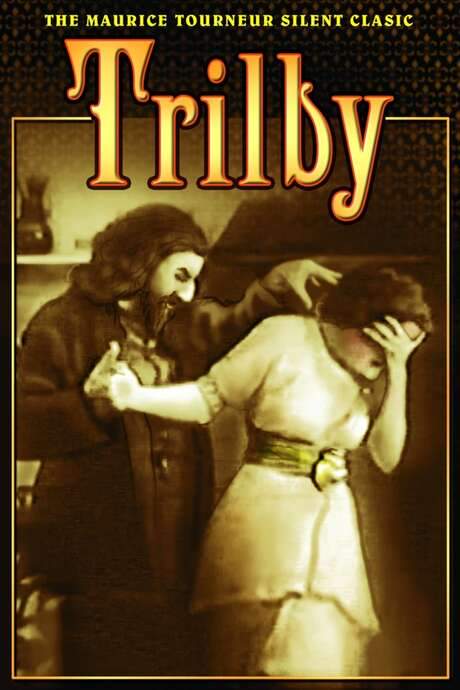
After a dismissal from a Paris bar, Trilby O'Ferrall [Hildegard Knef] is taken on as an artist's model by the sculptor Durian [Hubert Gregg], marking a shift from street life to the world of art and performance. In the shadow of this creative scene, she meets three British painters who live nearby, among them the gentle and thoughtful Billy Bagot [Terence Morgan], with whom she gradually falls for. The budding romance faces social resistance from Billy's wealthy family, who disapprove of Trilby and the unconventional turn her life takes. The couple's happiness is shaken when Trilby is exposed to the world of art students who request she pose nude, a moment that unsettles Billy and foreshadows the complexities to come.
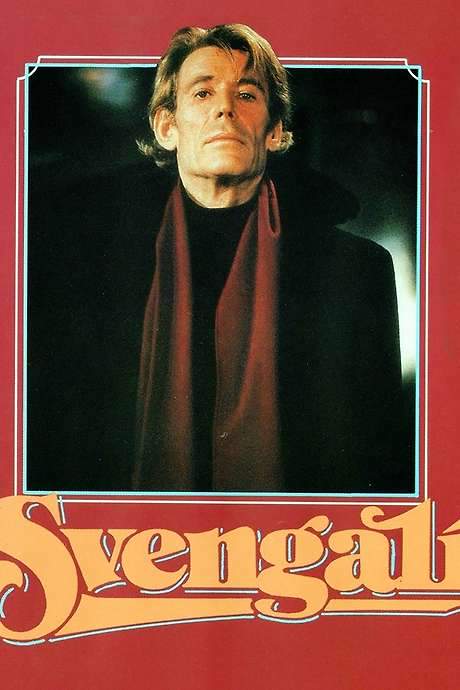
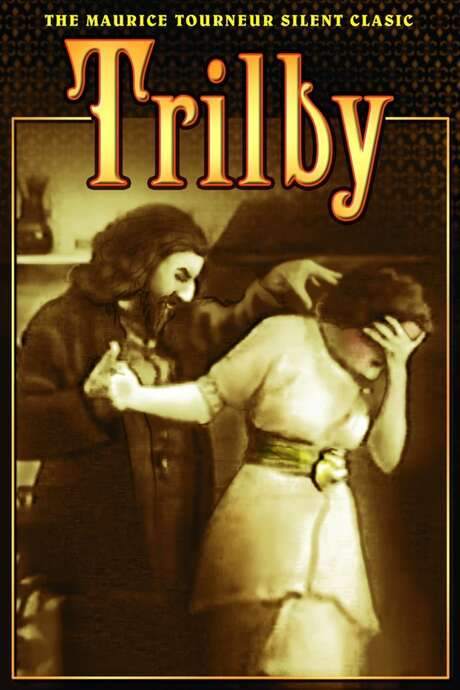
Meanwhile, Svengali [Donald Wolfit], a street musician with a keen sense for influence, enters Trilby's life in a different, more ominous way. He soon earns her trust and demonstrates an unsettling talent for control. After a moment of personal relief—where Svengali helps relieve a troublesome headache—his grip tightens as he reshapes Trilby’s life through a powerful, almost magnetic method. Under his instruction, she is transformed from a talented singer with a modest range into a formidable vocal presence, and her every performance begins to carry a new authority, a quality that makes her an international sensation.
As Trilby travels across European capitals, she dazzles audiences and press alike, with Svengali steering her career from behind the scenes. The relationship that once seemed like a shared artistic journey gradually becomes an uneven dynamic, and Trilby’s former life with Billy starts to fade from her memory. Her rise to global renown is marked by a growing distance from the man who loved her, as she becomes the star of a demanding stage world.
The turning point comes during a London appearance, when Billy, drawn by a mix of love and concern, attends a performance and witnesses the transformation firsthand. The spell of Svengali’s influence begins to crack, revealing the true voice Trilby has left behind. Instead of the intended operatic grandeur, she delivers the aria in the timbre of her earlier self, a moment that hints at a deeper loss of autonomy and a return to her authentic sound. The scene captures the tension between manipulation and personal identity, and it marks a poignant moment where Trilby’s past and present collide on stage.