Plot Explained Spoilers guaranteed!
Plot Explained

Browse by genre

The Mad Genius (1931) movie poster

Plot Summary

The Mad Genius (1931) Plot Summary Explained

Release, runtime and language
1931 · 81 mins · English
Directed by
Michael Curtiz
Starring
André Luguet, Boris Karloff, Frankie Darro, Luis Alberni, Donald Cook, John Barrymore

A crippled puppeteer saves an abused child and molds him into a brilliant ballet dancer. As the dancer matures, he falls passionately for a young woman who also enchants the puppeteer, sparking a volatile love triangle. The story delves into cruel passions, mad longings, and the monstrous grip each character has on the others’ souls.

On this page (5)
  1. 1 What happens: full plot
  2. 2 Plot questions answered
  3. 3 Movie threads
  4. 4 Movies like The Mad Genius
  5. 5 Every angle

Full plot summary · contains spoilers

What Happens in The Mad Genius: Full Plot Summary

The whole story of The Mad Genius (1931) explained, from the opening scene to the final frame: every key event, every twist and what it all adds up to. Read it as a quick recap before the sequel, to check a scene you missed, or to finally understand what really happened.

Vladimar Ivan Tsarakov, John Barrymore, is a crippled puppeteer who stubbornly believes he will never dance ballet. He latches onto a talented protégé, Fedor Ivanoff — Frankie Darro as a boy and Donald Cook as an adult — and shapes him into what he stubbornly insists will be the world’s greatest dancer. The film follows their intertwined fates as ambition, art, and desire collide.

Fedor’s heart is captured by Nana Carlova, the gifted dancer portrayed by Marian Marsh. Tsarakov’s fear that Nana’s influence could derail Fedor’s pristine technique drives him to manipulate both of them. He first tries to drive a wedge between the lovers by undermining Nana’s position in the troupe, and when that fails, he fires her from the company. Heartbreak lands hard in Paris, where Fedor and Nana escape the shadow of Tsarakov and seek new freedom together. Yet Tsarakov’s power reaches far beyond the stage: he has already blacklisted Fedor, denying him legitimate ballet opportunities and pushing him toward a life in a cabaret.

Desperate to reclaim his protégé’s career, Tsarakov offers a cruel bargain: Nana must leave Fedor and marry another man to secure Fedor’s return to the stage. Nana agrees, clinging to the hope that her choice will protect Fedor’s artistry. When Fedor returns, the reunion is cool and embittered; he is not ready to dance under Tsarakov’s conditions. Tsarakov escalates his threats, insisting he will kill Fedor if he refuses. The crisis spirals further when the ballet master, under the influence of drugs supplied by Tsarakov, turns on his master and kills Tsarakov instead. With the tyrant removed from the equation, Fedor and Nana are finally reunited, their bond tested and ultimately reaffirmed on the very opening night Tsarakov hoped to sabotage.

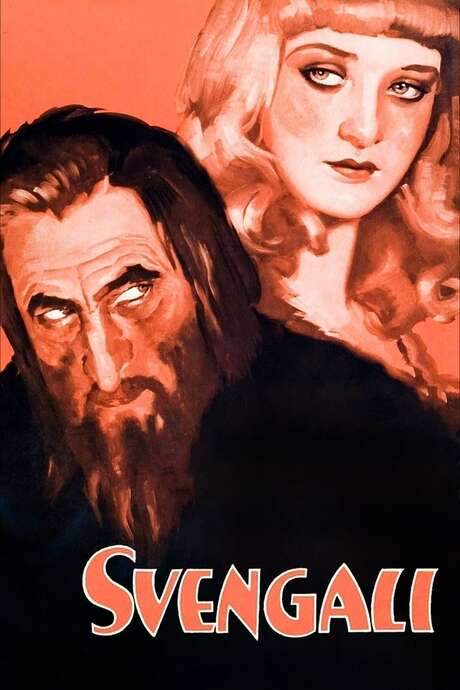
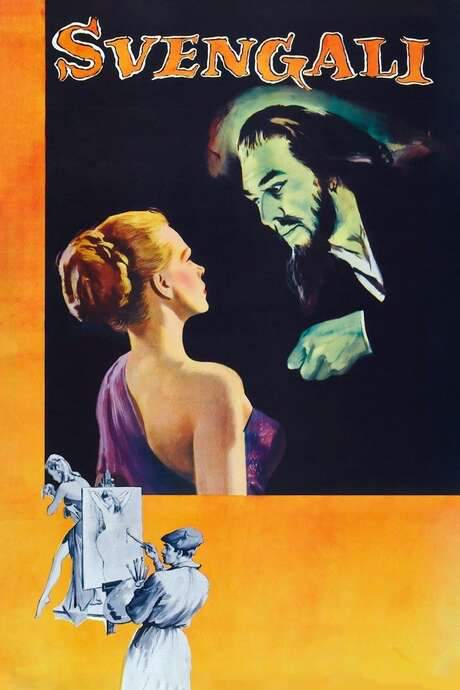
The film sits in dialogue with the period’s cinematic current: in the same year, John Barrymore had already played the title character in Svengali, a role that echoed the controlling power he embodies here, and Marian Marsh also features in that earlier story. This shared thread of control and passion threads through Tsarakov’s dominion over his protegé and Nana’s steadfast devotion to Fedor, underscoring a broader meditation on art, manipulation, and love.

In the end, the story resolves with the restoration of love and artistry separate from manipulation: Fedor resumes his rightful place as a dancer, Nana by his side, and the cycle of coercive control is broken by a pivotal, dramatic act that redefines what it means to be free in the world of ballet. A tale of ambition, heartbreak, and redemption, it invites viewers to consider how talent can triumph when those who guard it learn to trust again.

Last updated: February 20, 2026 at 12:28

Was this helpful?

Plot questions answered

The Mad Genius Plot Explained: Your Questions Answered

The questions people ask most about The Mad Genius (1931): what happens in the confusing scenes, why the characters do what they do, the twists, hidden details and what the ending means. Each answer contains spoilers.

Q1

Why does Tsarakov try to separate Fedor and Nana?

Tsarakov believes that romantic involvement will derail Fedor's artistic development and jeopardize his chance of becoming the world's greatest dancer. He views Nana as a distraction who could compromise Fedor's technique and dedication to ballet. This possessive reasoning stems from Tsarakov's own failed artistic ambitions as a crippled puppeteer; he channels his unfulfilled dreams through Fedor and views any threat to that control as an attack on his life's work.

Foreshadowing: The timeline notes that their intense mentor-student relationship foreshadows the jealous control Tsarakov will exert over Fedor's career and love life.

  • Tsarakov
  • Nana
  • Fedor
  • control
  • manipulation
  • ballet
  • jealousy
Q2

Why does Nana agree to marry another man to help Fedor?

Nana makes this painful sacrifice because Tsarakov offers her a cruel bargain: Fedor can return to legitimate ballet only if Nana leaves him and marries someone else. She chooses to prioritize Fedor's career and future stability over her own immediate happiness, believing her sacrifice will allow him to achieve the greatness she knows he's capable of achieving.

Foreshadowing: Nana's plea to Tsarakov earlier signals her continued belief in him and her willingness to do whatever is necessary to reunite the lovers.

  • Nana
  • Fedor
  • sacrifice
  • marriage
  • career
  • deal
  • Tsarakov
Q3

How does the ballet master end up killing Tsarakov?

Tsarakov had been supplying the ballet master with drugs, which gradually destabilized his mind. Under the influence of these drugs, the ballet master turns on Tsarakov and kills him instead of carrying out whatever task Tsarakov had assigned him. The murder removes the tyrant who controlled Fedor's fate, clearing the path for the lovers to be together.

Foreshadowing: Tsarakov's use of manipulation extends beyond emotional control to include chemical dependency, which creates the conditions for his own demise.

  • ballet master
  • Tsarakov
  • drugs
  • murder
  • death
  • control
Q4

Why is Fedor embittered when he returns to the ballet?

Fedor returns embittered because he knows Nana left him to marry another man, and he believes she abandoned their relationship for personal gain. He doesn't yet understand that her sacrifice was intended to restore his career. The opening night reunion where he sees Nana reveals to him that she still loves him, causing his emotions to resurface and creating conflict between his love for her and his professional obligations.

Foreshadowing: The timeline notes that Fedor returns embittered but on opening night sees Nana and realizes she still loves him.

  • Fedor
  • Nana
  • embittered
  • opening night
  • reunion
  • return
Q5

Why does Tsarakov threaten to kill Fedor?

Tsarakov threatens to kill Fedor when he discovers that the young dancer has renewed his romance with Nana despite Tsarakov's manipulations and the sacrifices made. This threat reveals the dangerous extent of Tsarakov's control and obsession, he would rather destroy Fedor than allow him to defy the terms of his control. The menace underscores the lethal stakes behind artistic ambition in Tsarakov's world.

Foreshadowing: Tsarakov's earlier actions of blacklisting Fedor and manipulating Nana demonstrate he's willing to go to extreme lengths to maintain control.

  • Tsarakov
  • Fedor
  • threat
  • kill
  • murder
  • menace
  • defiance
Q6

What happens to the ballet master after killing Tsarakov?

The summary does not specify the ballet master's fate after he kills Tsarakov. The focus shifts to Fedor and Nana being finally reunited now that the tyrant who controlled their lives is dead. Their bond is tested and ultimately reaffirmed on the very opening night Tsarakov hoped to sabotage, allowing them to resume their rightful places as dancers together.

  • ballet master
  • fate
  • arrest
  • police
  • aftermath
Q7

Why is Fedor forced to work in a cabaret?

Tsarakov uses his influence to blacklist Fedor from all legitimate ballet opportunities, denying him work in proper dance companies. With no official pathways available, Fedor has no choice but to perform in a cabaret, far from the prestige of the professional stage. This retreat from stardom tests his resolve and pride, showing how completely Tsarakov can control another's career trajectory.

Foreshadowing: Tsarakov's earlier firing of Nana from the troupe demonstrates his willingness to use his position to punish those who defy him.

  • Fedor
  • cabaret
  • blacklist
  • ballet
  • Tsarakov
  • career
Q8

Why is the ending considered bittersweet?

The ending is bittersweet because while Fedor and Nana are finally reunited and free to be together, their freedom comes only after a murder has been committed. The cycle of coercive control is broken by a violent act, the ballet master killing Tsarakov, rather than through reconciliation or moral triumph. Their reunion is achieved through sacrifice, manipulation, and death, leaving a morally complex aftermath despite the hopeful surface.

  • ending
  • bittersweet
  • reunion
  • murder
  • freedom
  • sacrifice
Q9

How is Tsarakov similar to the character Svengali?

In the same year (1931), John Barrymore played the title character in Svengali, a role that echoed the controlling power he embodies as Tsarakov. Both characters represent a dominating force that manipulates and controls those with lesser power, using them as instruments to achieve their artistic visions. Marian Marsh, who plays Nana, also appears in Svengali, creating a thematic connection between the two stories about art, manipulation, and obsessive control over talent.

  • Svengali
  • Tsarakov
  • John Barrymore
  • control
  • manipulation
  • parallel
Q10

Why do Fedor and Nana flee to Paris?

After Tsarakov fires Nana from the ballet troupe to sever her connection with Fedor, the couple escapes to Paris to flee Tsarakov's interference and control. They seek freedom and a chance to continue their relationship away from his scheming. Paris represents a new chapter filled with promise, though it remains shadowed by Tsarakov's influence, which eventually reaches them even in the foreign city.

Foreshadowing: The timeline establishes that Tsarakov's power reaches far beyond the stage, even to Paris.

  • Fedor
  • Nana
  • Paris
  • escape
  • flee
  • freedom
  • Tsarakov

Movie threads

More Movies Like The Mad Genius, by Mood & Story

Curated lists built around what makes The Mad Genius tick: the same mood, the same kind of story or the same emotional payoff. Each list explains why these movies belong together.

Movies about obsessive mentorship and artistic control like The Mad Genius

Stories where mentors become manipulative puppeteers, shaping artists with a destructive grip. If you enjoyed the dark mentorship dynamics in The Mad Genius, explore more movies about manipulative teachers and the artists they shape. These films delve into obsessive control, artistic rivalry, and the psychological toll of a mentorship turned destructive.

  • obsessive
  • manipulative
  • tragic
  • psychological
  • artistic
  • unsettling
  • Tone: dark, tragic, unsettling
  • Pacing: steady, character-driven
Why these movies?

The story pattern: These stories typically follow a trajectory where an ambitious mentor discovers a raw talent and molds them into a star, but the relationship becomes poisoned by the mentor's possessiveness, envy, or unfulfilled desires. The narrative builds tension as the protégé struggles for independence, culminating in a dramatic and often tragic confrontation.

Why they belong together: Movies in this thread share a focus on the corrupting nature of power within creative relationships. They feature high emotional intensity, dark psychological themes, and a steady pacing that allows the toxic dynamic to simmer and eventually boil over.

Gothic melodramas with destructive love triangles like The Mad Genius

Passionate, volatile relationships set against a backdrop of gothic tension and tragic fate. Fans of the passionate and tragic love triangle in The Mad Genius will enjoy these gothic melodramas. Discover similar movies where obsessive love leads to psychological manipulation, volatile relationships, and a bittersweet or bleak conclusion.

  • gothic
  • melodramatic
  • obsessive
  • tragic
  • passionate
  • unsettling
  • Tone: dark, tragic, passionate
  • Pacing: steady, building tension
Why these movies?

The story pattern: These narratives often revolve around a central, all-consuming love triangle that becomes a battleground for control and desire. The plot methodically builds tension as jealousy and obsession escalate, creating an unsettling atmosphere that frequently culminates in a moment of violence or profound loss, leaving a complex and bittersweet aftermath.

Why they belong together: These films are grouped by their shared dark tone, high emotional weight, and focus on the destructive potential of passion. They blend elements of romance, horror, and drama to create a uniquely intense and unsettling viewing experience centered on love's darker side.

If you liked this

Movies Like The Mad Genius

Similar movies to The Mad Genius: the same genre, themes or kind of story. Each one comes with its own plot summary, timeline and ending explained.

Browse all movie summaries

Every angle

The Mad Genius (1931) Explained: Plot, Timeline & Characters

Everything about The Mad Genius in one place: what happens in the plot summary, the timeline in chronological order, the characters and meaning and a spoiler-free summary. What's After the Movie adds the cast, box office and post-credit scenes.

Coming soon on iOS and Android

The Plot Explained Movie Summary App

Plot summaries, endings explained and timelines on your phone. Catch up on any movie in minutes, save your favorites and never miss a twist again.

Be the first to know when we launch. Your email stays private, always.

Learn more about the app