Year: 1991
Runtime: 99 mins
Language: Japanese
Director: Mamoru Oshii
Detective Kouichi Todome, head of the elite Kerberos police unit, flees after the government orders the squad’s destruction. Three years later, ex‑member Inui is released from prison to find his former commander. The hunt is twisted, and when Inui finally confronts Todome, he learns the escaped detective is serving another’s orders.
Warning: spoilers below!
Haven’t seen Stray Dog: Kerberos Panzer Cops yet? This summary contains major spoilers. Bookmark the page, watch the movie, and come back for the full breakdown. If you're ready, scroll on and relive the story!
Explore the full timeline and setting of Stray Dog: Kerberos Panzer Cops (1991). Follow every major event in chronological order and see how the environment shapes the story, characters, and dramatic tension.
Last updated: October 04, 2025 at 13:55
Meet the key characters of Stray Dog: Kerberos Panzer Cops (1991), with detailed profiles, motivations, and roles in the plot. Understand their emotional journeys and what they reveal about the film’s deeper themes.
Last updated: October 04, 2025 at 13:55
Explore the central themes of Stray Dog: Kerberos Panzer Cops (1991), from psychological, social, and emotional dimensions to philosophical messages. Understand what the film is really saying beneath the surface.
Last updated: October 04, 2025 at 13:55
Browse frequently asked questions about Stray Dog: Kerberos Panzer Cops (1991) focused on characters, relationships, themes, symbols, setting, and story context. This movie info FAQ gives spoiler-aware explanations for character arcs, world details, and thematic interpretation so readers can better understand what the film is really about.
Kerberos is an elite police unit in Japan designed to combat crime and terrorism with advanced equipment and militarized tactics. The unit was eventually ordered to be disbanded by the government, which triggers the uprising at the heart of the story. Members wear Protect Gear exoskeletons and are equipped with heavy weaponry like MG 42 machine guns, blurring the line between law enforcement and military force.
The story unfolds primarily in Tokyo, Japan, and across Taiwan, specifically Taipei and Tainan. Tokyo serves as the militarized Japanese capital where Kerberos operates, while Taiwan becomes the exile destination for Todome and the setting for much of Inui's pursuit. The contrast between the urban Japanese capital and the Taiwanese locales underscores the distance between state authority and fugitives.
The Protect Gear is a powered exoskeleton suit used by Kerberos units that enhances their physical capabilities and combat effectiveness. It represents the movie's themes of technology and dehumanization, as the suits allow officers to wield heavy weapons like MG 42 machine guns while being physically removed from the human consequences of their actions. Todome takes the Protect Gear with him when he flees to Taiwan, making it a crucial plot element.
Koichi Todome is a seasoned veteran and former head of the Kerberos police unit. He refuses to comply when the government orders the unit's destruction, choosing instead to defy the order and flee to Taiwan with the Protect Gear. His rebellion against the state represents the central conflict between authority and individual resistance, as he embodies the cost of duty versus survival.
Inui is a former Kerberos member who is released from prison and recruited by Public Security to hunt down Todome. He becomes trapped in a manipulative game orchestrated by authorities, relentlessly pursuing his former commander across Taiwan. Ultimately, Inui dons the Protect Gear to fight but is killed by the unit's leader, representing the tragic cost of loyalty to a corrupt system.
The Man in White is a high-ranking Kerberos commander who symbolizes the state's brutal enforcement of order. He leads the unit's final crackdown against the fugitives and oversees the confrontation that decides the protagonists' fates. His decisions illuminate the ethical complexity of the uprising, representing the faceless authority that orders the unit's destruction and Inui's manipulation.
Tang Mie is a Taiwanese woman who shared a life with Todome during his exile in Taiwan. She becomes a crucial link between Todome's past and present, aiding Inui in his search while maintaining a wary distance. Her presence adds emotional stakes to the pursuit and underscores the personal cost of political conflict, serving as a human anchor in the otherwise bleak narrative.
The movie is set in the 20th century, depicting a period of rapid militarization of law enforcement in response to crime and terrorism. The narrative includes the Kerberos Uprising, its violent suppression, and the three years of aftermath as fugitives reappear in Taiwan. This era serves as a backdrop for exploring how state security forces evolve beyond their original peacekeeping mandate.
The Protect Gear exoskeletons and heavy weaponry like MG 42 machine guns symbolize how advanced technology can distance power from human empathy. The film critiques a system that treats people as expendable, as officers in powered suits can commit violence while being emotionally detached from its consequences. This technology represents the dehumanizing effect of militarized policing.
The story follows Todome's flight to Taiwan and Inui's tracking of him through Taipei and Tainan, creating a climate of paranoia and shifting loyalties under pressure. This theme explores how pursuit across borders isolates characters and forces difficult choices. The chase drives the narrative toward a tragic final confrontation and reveals the price of escape from state authority.
The film maintains a consistently dark, dystopian tone with high emotional intensity throughout. The narrative follows a steady progression from the Kerberos Uprising through Inui's parole and hunt, maintaining forward momentum without major lulls. The bleak worldview and tragic resolution, concluding with Inui's death and Todome's lonely return to Tokyo, create a somber viewing experience.
Discover curated groups of movies connected by mood, themes, and story style. Browse collections built around emotion, atmosphere, and narrative focus to easily find films that match what you feel like watching right now.
Grim stories of hunters and prey navigating oppressive, broken societies.If you liked the oppressive hunt in Stray Dog: Kerberos Panzer Cops, this list features similar movies about fugitives and their pursuers in dystopian worlds. These stories share a tense, melancholic mood, high-stakes action, and themes of loyalty corrupted by a brutal state.
Narratives in this thread typically follow a methodical, often tragic hunt. A protagonist, driven by duty or a personal code, relentlessly tracks a target through a hostile world. The journey reveals the rot of the society they inhabit, leading to a confrontation that questions the very ideals that set them on their path.
Movies are grouped here for their shared atmosphere of a decaying world, the central theme of a morally complex hunt, and a consistently dark, tense tone. They explore the psychological toll of pursuit and the blurred lines between hunter and hunted.
Stories where characters are haunted by a violent past they can't escape.For viewers who appreciated the heavy themes of duty and violent history in Stray Dog: Kerberos Panzer Cops. These movies feature protagonists grappling with the aftermath of institutional violence, leading to somber, character-driven dramas with sad or bleak endings.
The narrative pattern involves a character being pulled back into a world they tried to leave behind, forced to confront former comrades and the consequences of their shared past. The story is a slow unraveling of trauma, leading to a climax that often reinforces the characters' tragic, predetermined fates.
These films are connected by their profound focus on the psychological weight of violence, a melancholic and fatalistic mood, and protagonists whose sense of self is inextricably tied to a doomed institution or a brotherhood forged in conflict.
Don't stop at just watching - explore Stray Dog: Kerberos Panzer Cops in full detail. From the complete plot summary and scene-by-scene timeline to character breakdowns, thematic analysis, and a deep dive into the ending - every page helps you truly understand what Stray Dog: Kerberos Panzer Cops is all about. Plus, discover what's next after the movie.
Read a complete plot summary of Stray Dog: Kerberos Panzer Cops, including all key story points, character arcs, and turning points. This in-depth recap is ideal for understanding the narrative structure or reviewing what happened in the movie.
Track the full timeline of Stray Dog: Kerberos Panzer Cops with every major event arranged chronologically. Perfect for decoding non-linear storytelling, flashbacks, or parallel narratives with a clear scene-by-scene breakdown.
Discover movies like Stray Dog: Kerberos Panzer Cops that share similar genres, themes, and storytelling elements. Whether you’re drawn to the atmosphere, character arcs, or plot structure, these curated recommendations will help you explore more films you’ll love.
Stray Dog: Kerberos Panzer Cops (1991) Plot Summary & Movie Recap
Stray Dog: Kerberos Panzer Cops (1991) Scene-by-Scene Movie Timeline
Stray Dog: Kerberos Panzer Cops (1991) Spoiler-Free Summary & Key Flow
Movies Like Stray Dog: Kerberos Panzer Cops – Similar Titles You’ll Enjoy
K-9 (1989) Story Summary & Characters
The Red Spectacles (1987) Full Movie Breakdown
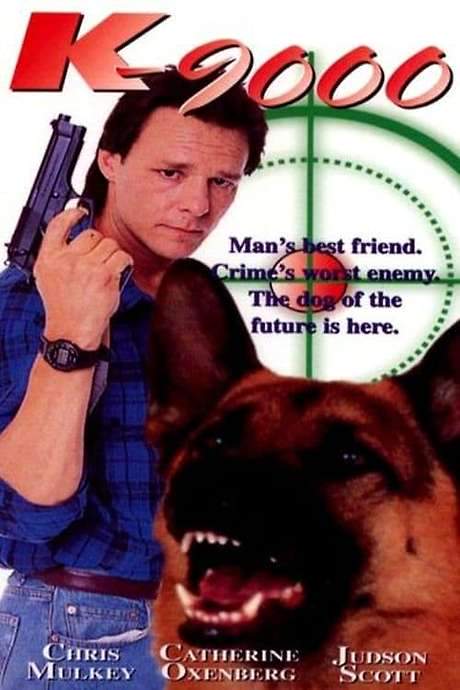
K-9000 (1990) Detailed Story Recap
Dog Soldier: Shadows of the Past (1989) Story Summary & Characters
Inubu: The Dog Club (2021) Spoiler-Packed Plot Recap
K-9000 (1990) Spoiler-Packed Plot Recap
Police Officer (1933) Plot Summary & Ending Explained
Tokyo Dogs (1000) Plot Summary & Ending Explained
The Rookie Cop (1939) Full Summary & Key Details
Stray Cat Rock: Beat ’71 (1971) Ending Explained & Film Insights
A.D. Police (1000) Film Overview & Timeline
Doberman Cop (1977) Detailed Story Recap
New Dominion Tank Police (1000) Detailed Story Recap
Inspector Daimajin (1000) Detailed Story Recap
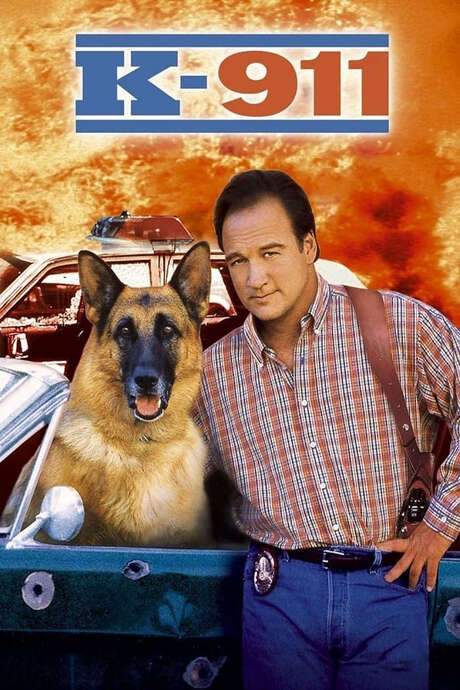
K-911 (1999) Movie Recap & Themes