Plot Explained Spoilers guaranteed!
Plot Explained

Browse by genre

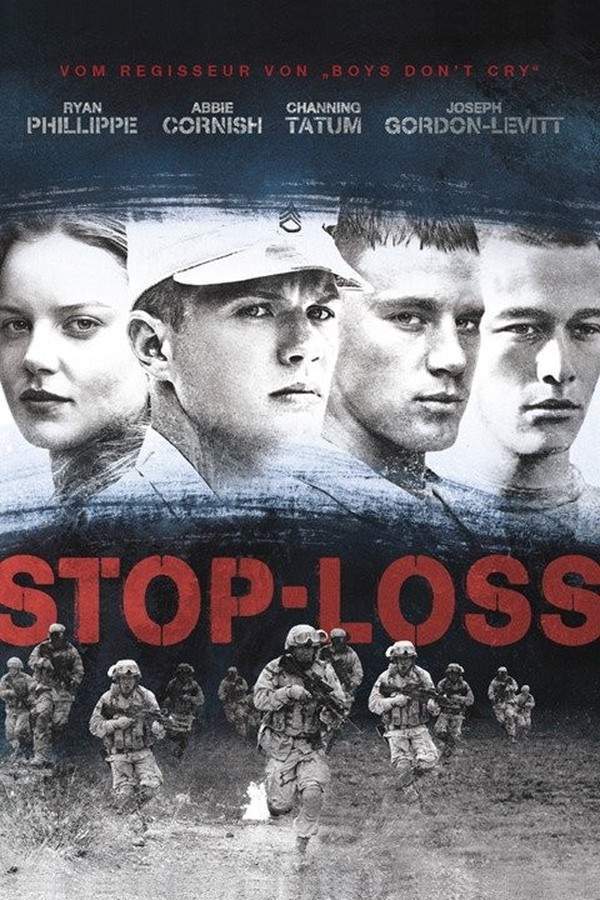
Stop-Loss (2008) movie poster

Characters & Themes

Stop-Loss (2008) Characters, Setting & Themes Explained

Release, runtime and language
2008 · 112 min · English
Loading streaming availability…
Directed by
Kimberly Peirce
Starring
Abbie Cornish, Joseph Gordon-Levitt, Ryan Phillippe
Budget
$25M

After returning from a tour in Iraq, Staff Sergeant Brandon King anticipates a well-deserved homecoming. However, a clause in his military contract unexpectedly obligates him to return to combat. Determined to avoid another deployment, Brandon goes AWOL with the assistance of a friend, Michele. He then finds himself evading the Army while grappling with the complexities of duty, loyalty, and the realities of war.

On this page (9)
  1. 1 Where to watch
  2. 2 Characters explained (3)
  3. 3 Character relationship map
  4. 4 Where & when it takes place
  5. 5 Themes & meaning (4)
  6. 6 Character & meaning questions
  7. 7 Movie threads
  8. 8 Movies like Stop-Loss
  9. 9 Every angle
Loading streaming availability…

3 main characters · contains spoilers

Stop-Loss Characters Explained: Who Is Who

The main characters of Stop-Loss (2008), heroes and villains: what drives them, how they change over the course of the story and what each of them reveals about the film's bigger ideas.

  • Brandon King (Joseph Gordon-Levitt)

    A U.S. Army Staff Sergeant who leads a tight-knit squad through a deadly ambush in Tikrit. He wrestles with the moral weight of war after discovering civilian casualties caused during the mission. Ordered back to Iraq under the stop-loss policy, he goes AWOL rather than abandon the life he has built at home.

    • 🪖 Leadership
    • 🗺️ Duty
    • 💔 Trauma
  • Michelle (Abbie Cornish)

    Brandon's fiancée who supports him and joins the cross-country drive to seek help. She faces political indifference when trying to help Brandon obtain an honorable discharge, and her relationship with Brandon strains under the weight of war and his choices.

    • 💞 Partner
    • 🚗 Journey
  • PFC Tommy Burgess (Ryan Phillippe)

    A close friend and squad member who endures the ambush and faces the emotional aftermath of combat. He struggles with alcohol and deployment trauma and, after being discharged, falls into depression and ultimately takes his own life. His experiences highlight the lasting scars of war on soldiers.

    • 🪖 Friend & Soldier
    • 💔 Tragedy

Last updated: October 30, 2026 at 10:47

Was this helpful?

3 characters · 2 connections · contains spoilers

Stop-Loss Character Relationship Map

Who is connected to whom in Stop-Loss: family, love, friendships, rivalries and hidden ties, colour-coded. Pick a character to see their side of the story, or a connection to see what brings two characters together.

How much of the story to show
BKBrandon KingJoseph Gordon-LevittMMichelleAbbie CornishSSSteve Shriver

Last updated: October 30, 2026 at 10:47

Was this helpful?

Setting

Where and When Does Stop-Loss Take Place?

The setting of Stop-Loss (2008): the year and time period, the places and locations, and how they shape the characters, the mood and the tension of the story.

Time period

2003–2005

Set during the Iraq War in the early to mid-2000s. The narrative follows the deployment in Tikrit, the return home, and the compounding pressures of stop-loss forcing a renewed tour. The timeline tracks the escalation of combat, the impact on families, and the legal-political responses on the home front.

Location

Tikrit, Iraq, Brazos, Texas, Washington, D.C., New York City, USA, Mexican border

Locations span from the frontlines of Tikrit, Iraq, to the soldiers' Texas hometown of Brazos. The story moves to Washington, D.C., as political help is discussed, then to New York City and the Mexican border as characters seek legal options and potential exile. Each setting highlights a different facet of war: combat, civilian life, political maneuvering, and the possibility of exile.

  • 🗺️ War zones
  • 🏡 Home towns
  • 🏙️ Cities & borders

Last updated: October 30, 2026 at 10:47

Was this helpful?

4 major themes

Stop-Loss Meaning: Themes & Message Explained

What is Stop-Loss (2008) really about? The emotional, social and philosophical themes the film keeps returning to, its symbolism and the message beneath the surface.

  • Duty & Brotherhood

    The film centers on a tight-knit squad whose loyalty to each other sustains them through brutal ambushes and close calls. Duty to country clashes with the personal cost of war, shaping choices that blur the line between courage and moral injury. The men rely on camaraderie to survive both the battlefield and the fallout back home. The stop-loss threat further tests their bond and resolve.

  • Trauma & PTSD

    The soldiers carry the psychological scars of combat long after the firefights end. Veterans like Steve and Brandon exhibit symptoms of trauma, ranging from withdrawal to reckless coping. Civilian casualties and grief intensify the mental burden, revealing the invisible wounds of war. The film portrays how trauma alters relationships and sense of self.

  • Home vs War

    The story juxtaposes life in a quiet Texas town with the chaos of war abroad. Returning soldiers wrestle with reintegration, addiction, and fractures in personal relationships. The dilemma of remaining at home vs returning to combat haunts the characters, culminating in decisions that redefine their futures. Home becomes both a sanctuary and a confrontation with past violence.

  • Policy & Power

    The controversial stop-loss policy forces soldiers back into combat after they have fulfilled their tours, highlighting how bureaucratic decisions impact real lives. The film critiques how political and legal mechanisms intersect with individual sacrifice. Forged documents and legal maneuvering reveal the desperation to escape the cycle of war. The tension between duty, legality, and personal choice drives the central conflict.

Last updated: October 30, 2026 at 10:47

Was this helpful?

Character & theme questions

Stop-Loss Characters & Meaning: Your Questions Answered

The questions people ask about Stop-Loss (2008): who the characters really are, their relationships, what the symbols mean, where it takes place and what the movie is really about. Each answer contains spoilers.

Q1

What is Tikrit's role in the story?

Tikrit, Iraq is where the film's opening ambush takes place. This frontlines setting establishes the traumatic combat experience that haunts Brandon King and his squad throughout the movie. The violent events in Tikrit directly trigger the psychological struggles and moral conflicts that drive the entire narrative.

  • tikrit
  • iraq
  • combat
  • ambush
  • frontlines
Q2

How does the Texas setting contrast with the war?

Brazos, Texas represents Brandon King's civilian life and everything he's fighting to protect, his home, his relationship with Michelle, and his sense of normalcy. The stark contrast between the quiet Texas town and the chaos of Iraqi combat highlights the central theme of home versus war, showing how returning soldiers struggle to reconcile their combat experiences with civilian existence.

  • texas
  • brazos
  • hometown
  • civilian life
  • reintegration
Q3

When does the story take place?

The movie is set during the Iraq War between 2003 and 2005, following soldiers who complete a deployment in Tikrit and return home, only to face the stop-loss policy forcing them back into combat. This specific timeframe anchors the film in the real controversies and bureaucratic challenges that defined the Iraq War era.

  • iraq war
  • 2003
  • 2005
  • time period
  • deployment
Q4

What does the film say about duty and brotherhood?

Stop-Loss portrays duty and brotherhood as both sustaining and destructive forces. The strong bond between Brandon and his squad helps them survive combat, but that same loyalty later complicates his choices, particularly when his friend Tommy struggles and ultimately succumbs to trauma. The film examines how brotherhood in arms creates deep obligations that conflict with individual survival and personal morality.

  • duty
  • brotherhood
  • squad
  • loyalty
  • camaradie
Q5

How does the movie handle PTSD and trauma?

The film unflinchingly portrays combat trauma through Brandon's psychological struggles and Tommy's downward spiral. Both soldiers exhibit symptoms ranging from withdrawal to reckless behavior, with Tommy's storyline culminating in suicide, highlighting the invisible wounds of war. The portrayal emphasizes that trauma persists long after soldiers leave the battlefield and significantly impacts relationships and sense of self.

  • ptsd
  • trauma
  • veterans
  • mental health
  • suicide
Q6

What is the home vs war theme about?

Home vs War explores the profound difficulty of returning to civilian life after combat. Brandon wrestles with staying home versus returning to a war he believes is unjust, while his relationship with Michelle strains under the weight of his trauma. The theme presents home as both a sanctuary and a painful confrontation with past violence, making reintegration nearly impossible.

  • homecoming
  • reintegration
  • civilian life
  • war veteran
  • return
Q7

What is the stop-loss policy in the movie?

Stop-loss is a controversial military policy that forces soldiers back into combat after they've completed their tour of duty. In the film, Brandon King faces this policy after returning home, forcing him to choose between an unwanted second deployment or going AWOL. The movie critiques how this bureaucratic decision traps soldiers in an endless cycle of war, driving the central conflict.

  • stop-loss
  • policy
  • military
  • bureaucracy
  • deployment
Q8

Who is Brandon King and what drives him?

Brandon King is a Staff Sergeant played by Joseph Gordon-Levitt who leads a squad through a deadly ambush in Tikrit. After returning home, he discovers civilian casualties from the mission and faces the moral weight of war. His primary motivation becomes protecting the life he's built at home and avoiding another deployment, not out of cowardice, but from grappling with the ethical complexities of modern warfare.

  • brandon king
  • staff sergeant
  • protagonist
  • motivation
  • moral conflict
Q9

What role does Michelle play in the story?

Michelle is Brandon's fiancée who supports him throughout his crisis. She joins him on a cross-country journey seeking political help to obtain an honorable discharge, representing the civilian perspective and the toll war takes on relationships. Her efforts to navigate military bureaucracy highlight the political indifference veterans' families often face, while her relationship with Brandon strains under the pressures of his trauma and fugitive status.

  • michelle
  • brandon fiancee
  • support
  • relationship
  • family
Q10

What happens to Tommy Burgess in the film?

Tommy Burgess is Brandon's close friend and squad member who survives the Tikrit ambush but cannot survive the emotional aftermath. After being discharged, he struggles with alcohol and deployment trauma, falling into deep depression. His storyline culminates in suicide, serving as a devastating illustration of the lasting psychological scars war leaves on soldiers and the inadequate support systems available to them.

  • tommy burgess
  • suicide
  • depression
  • ptsd
  • veteran death
Q11

Why do characters consider the Mexican border?

As Brandon faces the threat of being stop-lossed, the Mexican border represents a desperate option, potential exile from the United States to escape military obligation. This plot element highlights the extreme measures soldiers might take to avoid returning to combat and underscores the film's critique of a system that drives veterans to choose between illegal flight or unjust deployment.

  • mexico
  • border
  • exile
  • desperation
  • escape
Q12

What happens in Washington D.C. in the story?

Brandon and Michelle travel to Washington D.C. to seek political help and find a way to challenge his stop-loss order. This setting represents the bureaucratic and political dimension of the conflict, where individual sacrifice meets institutional indifference. Their failure to find meaningful help there drives Brandon toward the more desperate choices that follow.

  • washington
  • politics
  • bureaucracy
  • discharge
  • government

Movie threads

More Movies Like Stop-Loss, by Mood & Story

Curated lists built around what makes Stop-Loss tick: the same mood, the same kind of story or the same emotional payoff. Each list explains why these movies belong together.

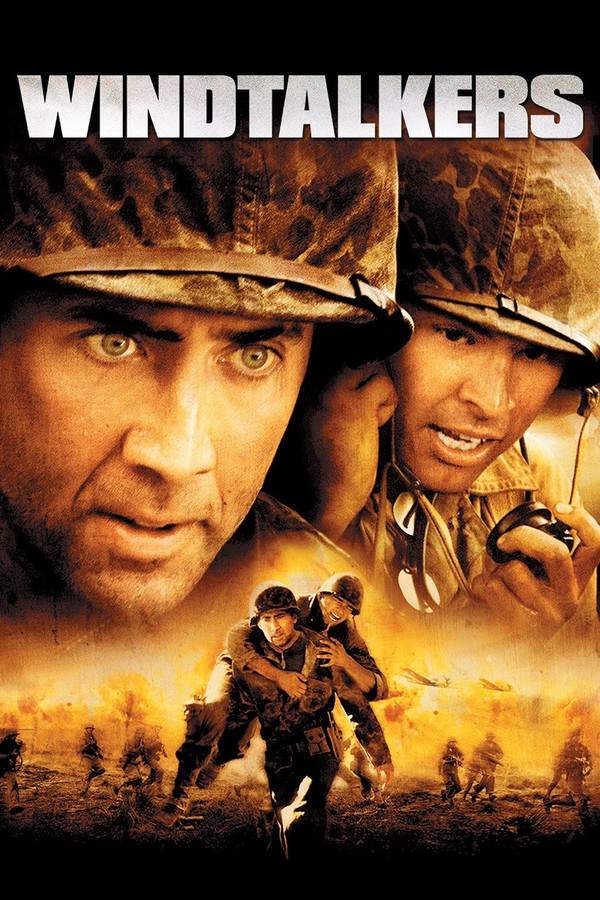
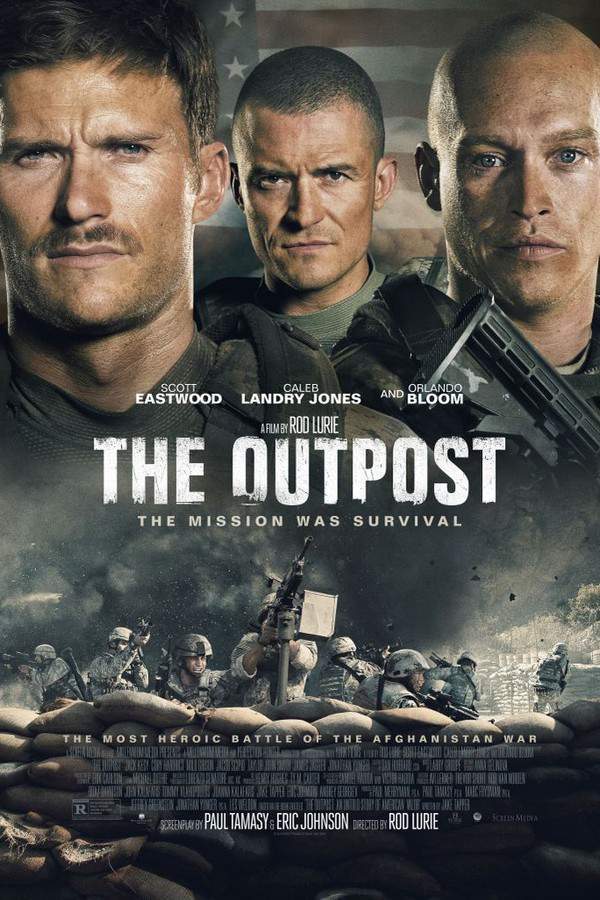
Movies about war's aftermath like Stop-Loss

Soldiers grapple with the psychological scars of war after returning home. If you liked Stop-Loss, explore similar films about soldiers confronting PTSD and moral dilemmas after returning from war. These movies like Stop-Loss showcase the heavy emotional weight of combat trauma, duty, and the struggle to reintegrate into a society that doesn't understand their experience.

  • somber
  • gritty
  • anxious
  • melancholic
  • heavy
  • traumatic
  • Tone: tense, somber, heavy
  • Pacing: steady, character-driven
Why these movies?

The story pattern: Narratives in this thread typically follow soldiers after a major conflict, shifting the focus from battlefield action to the internal and external battles of readjustment. The journey involves confronting PTSD, questioning the purpose of their sacrifice, and navigating complex moral choices that challenge their sense of duty and self.

Why they belong together: These films are grouped by their profound exploration of post-traumatic stress, the moral ambiguity of war, and the intense personal struggle of veterans. They share a gritty, somber mood, heavy emotional weight, and a focus on character-driven drama over action spectacle.
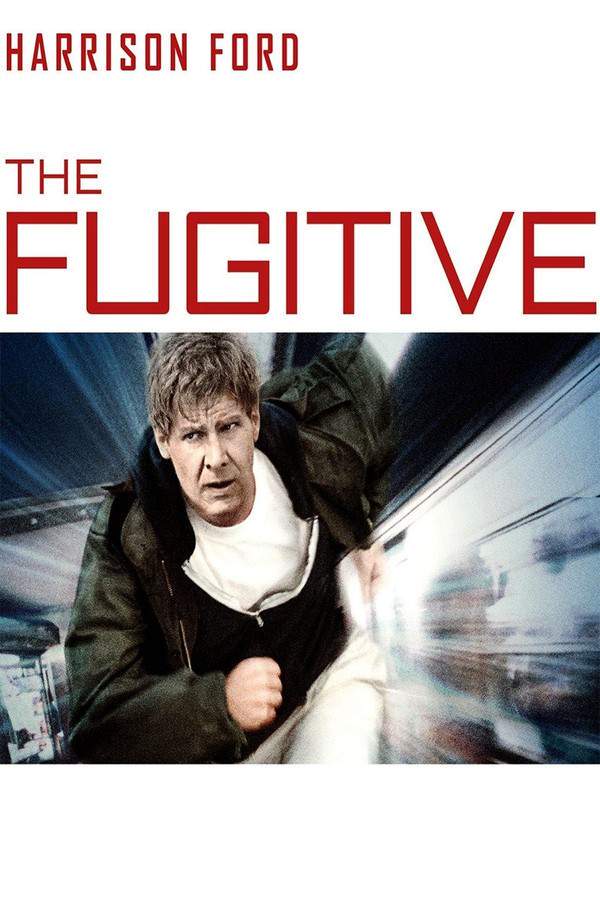
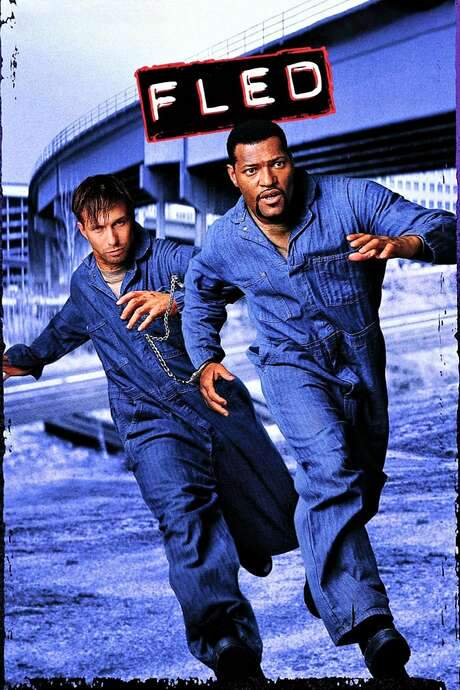
Fugitive against the system movies like Stop-Loss

Individuals on the run from an oppressive institution they once served. Find movies like Stop-Loss where the main character goes on the run from a powerful institution. These similar stories feature high tension, a desperate fight for freedom, and complex themes of duty versus self-preservation, perfect if you enjoyed the fugitive narrative of Stop-Loss.

  • tense
  • desperate
  • claustrophobic
  • anxious
  • gritty
  • on the run
  • Tone: tense, gritty, desperate
  • Pacing: steady, relentless
Why these movies?

The story pattern: The pattern involves a protagonist who is forced to go AWOL or rogue after a systematic injustice. The plot follows their tense journey as a fugitive, relying on allies while being hunted, leading to a climax that forces a definitive choice between submission or a forever-changed life outside the system.

Why they belong together: Movies in this thread are connected by their core premise of a person vs. institution conflict, high-stakes tension, and a claustrophobic sense of pursuit. They share a gritty, anxious mood and explore themes of betrayal, survival, and the cost of defiance.

If you liked this

Movies Like Stop-Loss

Similar movies to Stop-Loss: the same genre, themes or kind of story. Each one comes with its own plot summary, timeline and ending explained.

Browse all movie summaries

Every angle

Stop-Loss (2008) Explained: Plot, Timeline & Characters

Everything about Stop-Loss in one place: what happens in the plot summary, the timeline in chronological order, the characters and meaning and a spoiler-free summary. What's After the Movie adds the cast, box office and post-credit scenes.

Coming soon on iOS and Android

The Plot Explained Movie Summary App

Plot summaries, endings explained and timelines on your phone. Catch up on any movie in minutes, save your favorites and never miss a twist again.

Be the first to know when we launch. Your email stays private, always.

Learn more about the app