







Plot Explained Spoilers guaranteed!
Plot Explained

Browse by genre

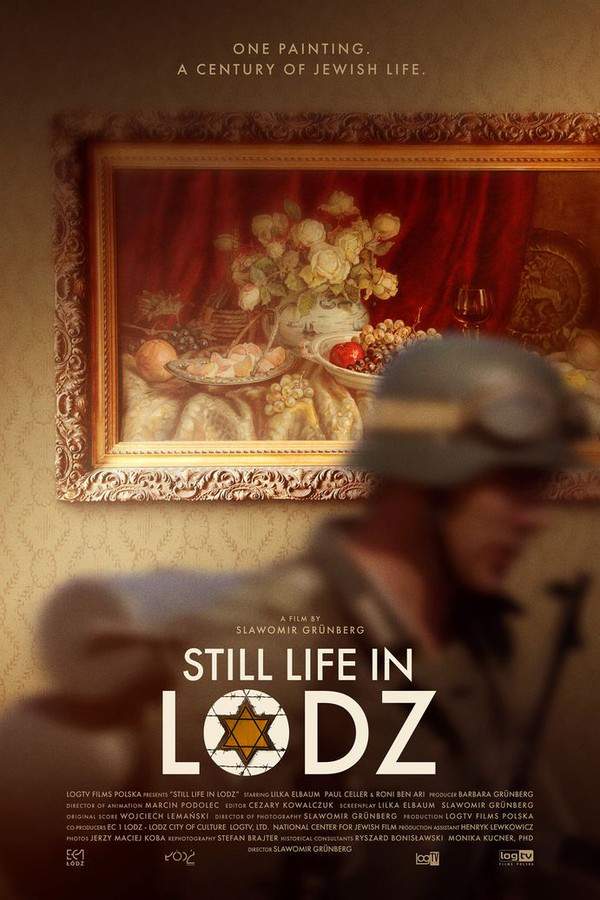
Still Life in Lodz (2021) movie poster

Timeline

Still Life in Lodz (2021) Timeline Explained – Every Event in Order

Release, runtime and language
2021 · 75 min · English
Directed by
Slawomir Grunberg
Starring
Lilka Elbaum, Paul Celler, Roni Ben Ari
Budget
$100K

A century-old painting becomes the focal point of this moving documentary, serving as a testament to human resilience and the lasting impact of memory and art. The film explores the lost history of the Jewish community in Lodz, Poland, across three distinct periods. Through the painting, the stories of generations are revealed, honoring their experiences and preserving their legacy.

On this page (6)
  1. 1 Where to watch
  2. 2 Events in order (13)
  3. 3 Timeline questions answered
  4. 4 Movie threads
  5. 5 Movies like Still Life in Lodz
  6. 6 Every angle

Where to watch

Where to Watch Still Life in Lodz (2021)

Where can you watch Still Life in Lodz? Stream, rent or buy it in the US, including on Fawesome, Hoopla and Cineverse: current JustWatch availability with up-to-date prices.

Streaming availability powered by JustWatch

13 events in order · contains spoilers

Still Life in Lodz Timeline: Events in Chronological Order

Every key event of Still Life in Lodz (2021) in order, scene by scene, with when and where it takes place. Use it to untangle flashbacks, time jumps and parallel storylines, to refresh your memory before the sequel or to find the exact scene you are thinking of.

  1. The Still-Life Painting

    A large still-life painting became a significant presence in the childhood home of Lilka Elbaum in Lodz, Poland. This artwork, possibly created when the building was established in the late 1890s, served as a comforting companion, being the first and last sight of her day.

    Where
    Lodz, Poland
  2. The Jewish Community in Lodz

    Over the years, the painting silently observed the vibrant Jewish community in Lodz. As the city became a hub for Jewish families, the painting encapsulated their joys, struggles, and the passage of time.

    Where
    Lodz, Poland
  3. German Occupation

    During World War II, the community faced a drastic and painful transition as the building was taken over by a German family. This change marked the beginning of a turbulent chapter in Lodz's history, echoing the larger narrative of war and extermination.

    Where
    Lodz, Poland
  4. Post-War Return

    After the war, the painting witnessed the return of Jewish families to Lodz, symbolizing a slow revival of culture and community despite the immense losses endured during the Holocaust. This period represented resilience and hope among the surviving families.

    Where
    Lodz, Poland
  5. Expulsion of Polish Jews

    A dark chapter unfolded in October 1968 when a wave of antisemitism led to the expulsion of many Polish Jews, including Lilka Elbaum. This event marked a painful farewell to the homeland for countless families and an irrevocable change in their lives.

    When
    October 1968
    Where
    Lodz, Poland
  6. Lilka's Life in Boston

    Years later, Lilka Elbaum found herself in Boston, grappling with feelings of loss and nostalgia for her childhood home in Poland. Her life became a tapestry woven with memories, reinforcing the deep bond she felt with her past despite the physical distance.

    Where
    Boston, USA
  7. The Quest to Reconnect

    Guided by a desire to reconnect with her roots, Lilka embarks on a journey back to Lodz. This quest was not merely about visiting a location; it was about reclaiming her identity and heritage that was severely affected by historical tribulations.

    Where
    Lodz, Poland
  8. Traveling Companions

    Lilka's journey is shared with two companions: Paul Celler, a fellow New Yorker, and Roni Ben Ari, an Israeli with a connection to the city. Their shared experiences and histories create a bond that deepens their collective exploration of roots.

    Where
    Lodz, Poland
  9. Remnants of Family Memories

    In Lodz, the trio seeks remnants of their family histories, hoping to discover traces of their ancestors amidst the ruins and changes. This quest resonates deeply as they navigate the delicate balance between loss and discovery.

    Where
    Lodz, Poland
  10. Reflections on Jewish Heritage

    The film captures the near-total obliteration of the vibrant Jewish community in Lodz during the Shoah, as well as its efforts to revive post-war. Through this exploration, the narrative highlights the resilience and rich cultural heritage of the Jewish people.

    Where
    Lodz, Poland
  11. Archival Footage and Documentaries

    The documentary employs archival footage and authentic Ghetto drawings to paint a vivid picture of Lodz's history. These materials serve to illuminate the stories of those who lived through these tumultuous times.

    Where
    Lodz, Poland
  12. Contemporary Documentary Techniques

    Utilizing modern creative animation techniques alongside contemporary documentary sequences, the film balances past and present. This artistic approach adds depth to the narrative, illustrating the ongoing relevance of history in today's world.

  13. Honoring Resilience

    Ultimately, the film 'Still Life in Lodz' honors the resilience of the Jewish community and their enduring legacy. It serves as a tribute to those who faced adversity while striving to preserve their identity and history.

Last updated: October 25, 2024 at 10:38

Was this helpful?

Timeline questions answered

Still Life in Lodz Timeline Explained: Your Questions Answered

When does it happen, and why in that order? The questions people ask about the chronology of Still Life in Lodz (2021): time jumps, flashbacks, cause and effect between scenes and the correct order of events, each answered with spoilers.

Q1

Why was Lilka expelled from Poland in 1968?

In October 1968, a wave of state-sponsored antisemitism led to the forced expulsion of many Polish Jews, including Lilka Elbaum. Following the 1968 student protests, the Polish government launched an anti-Semitic campaign that stripped thousands of Jews of their citizenship and forced them to leave the country.

  • 1968 expulsion
  • polish jews
  • antisemitism
  • lilka elbaum
  • poland
Q2

What happened to the Jewish community in Lodz during the Holocaust?

The Jewish community in Lodz was nearly totally obliterated during the Shoah. The city had one of the largest Jewish populations in Europe before the war, but was largely wiped out through deportation to concentration camps and extermination. The Lodz Ghetto was the second-largest ghetto after Warsaw.

  • lodz ghetto
  • shoah
  • holocaust
  • jewish community
  • world war 2
Q3

How did the painting survive World War II?

During World War II, the building where the painting hung was taken over by a German family. Despite the upheaval and the displacement of Jewish residents, the painting remained in the building and later returned to Jewish ownership after the war, becoming a silent witness to the turbulent history.

  • painting
  • world war 2
  • german occupation
  • lodz
  • survival
Q4

Why is the painting significant in the documentary?

The painting serves as a central symbol connecting three distinct historical periods of the Jewish community in Lodz: the pre-war vibrant community, the Holocaust devastation, and the post-war revival before the 1968 expulsion. It represents continuity, memory, and the lasting impact of art across generations of displacement.

  • painting
  • symbol
  • memory
  • history
  • art
Q5

Who are Paul Celler and Roni Ben Ari in the film?

Paul Celler is a fellow New Yorker who accompanies Lilka on her journey, while Roni Ben Ari is an Israeli who, like Lilka, shares profound connections to Lodz. Both have their own family histories and memories tied to the city, making their collective exploration a shared quest to unearth remnants of their ancestry.

  • paul celler
  • roni ben ari
  • companions
  • journey
  • family history
Q6

Why does Lilka return to Lodz?

Lilka returns to Lodz to reconnect with her past and reclaim her identity and heritage that was severely affected by historical tribulations. Living in Boston, she grapples with feelings of loss and nostalgia, and her journey back is about reclaiming the family memories and history that were interrupted by expulsion.

  • lilka elbaum
  • return to lodz
  • heritage
  • identity
  • roots
Q7

What happened to the Jewish community in Lodz after 1968?

The 1968 expulsion marked another major departure for the Jewish community, following the near-total destruction during the Holocaust. The film explores how the community continued to exist in diminished numbers, with the documentary capturing efforts to preserve memory and honor the resilience of those who remained.

  • jewish community
  • post-1968
  • lodz
  • heritage
  • preservation
Q8

Why did a German family take over the building during WWII?

During World War II, the German occupation of Poland involved the systematic displacement of Polish and Jewish residents from their homes. The building where Lilka's family lived was seized and given to a German family, reflecting the broader policy of Germanization and the persecution of Jewish families in occupied Poland.

  • german occupation
  • displacement
  • lodz
  • world war 2
Q9

How does the film portray the three historical periods?

The documentary uses a blend of archival footage, authentic Ghetto drawings, modern creative animation techniques, and contemporary documentary sequences to weave together the three periods: the pre-war Jewish community, the Holocaust devastation, and the post-war revival leading to the 1968 expulsion. This artistic approach connects past and present.

  • documentary techniques
  • archival footage
  • animation
  • historical periods
  • narrative
Q10

Who directed Still Life in Lodz?

The documentary was directed by Slawomir Grünberg, an acclaimed documentary filmmaker and Emmy-award winner known for his powerful historical documentaries. His approach balances past and present, using artistic techniques to honor the resilience and rich history of Lodz's Jewish heritage.

  • slawomir grünberg
  • director
  • emmy award
  • documentary filmmaker

Movie threads

More Movies Like Still Life in Lodz, by Mood & Story

Curated lists built around what makes Still Life in Lodz tick: the same mood, the same kind of story or the same emotional payoff. Each list explains why these movies belong together.

Movies about memory and objects like Still Life in Lodz

Stories where a single artifact reveals lost histories and personal resilience. Explore movies like Still Life in Lodz where a physical object unlocks hidden histories. If you enjoyed the way a painting revealed generations of stories, you'll find similar documentaries and dramas about reclaiming the past through artifacts, personal legacies, and intergenerational connection.

  • nostalgic
  • contemplative
  • poignant
  • resilient
  • historical
  • revelatory
  • Tone: melancholic, reflective
  • Pacing: steady, investigative
Why these movies?

The story pattern: Stories in this thread typically focus on a protagonist discovering or investigating a significant object. The narrative unfolds through the process of research, recollection, or meeting others connected to the item, revealing a deeper, often emotional, history that was nearly lost. The journey is one of discovery and reclamation.

Why they belong together: Movies are grouped here because they share a central narrative device—an object as a key to the past—and a thematic focus on memory, legacy, and the enduring impact of history on the present. They often blend somber reflection with a resilient, hopeful outlook.
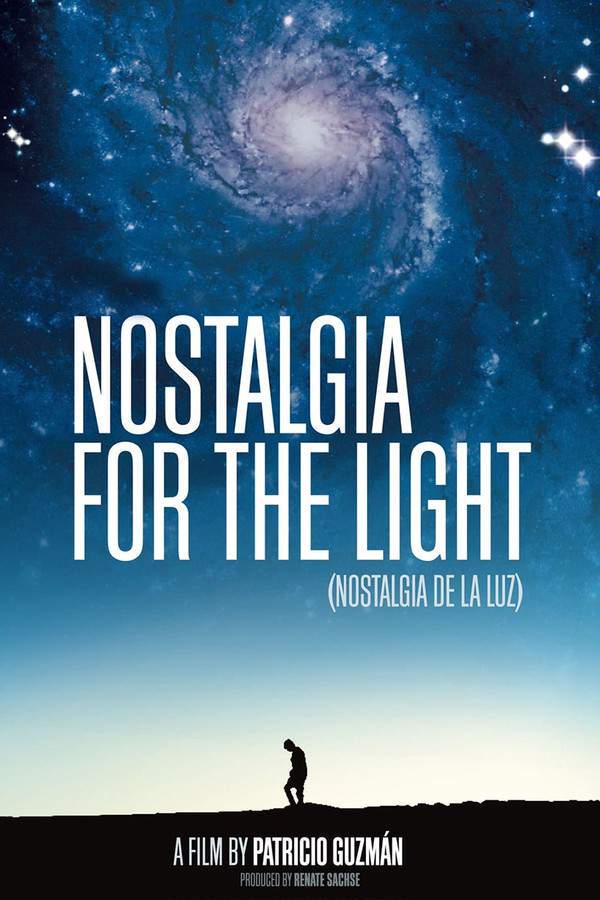
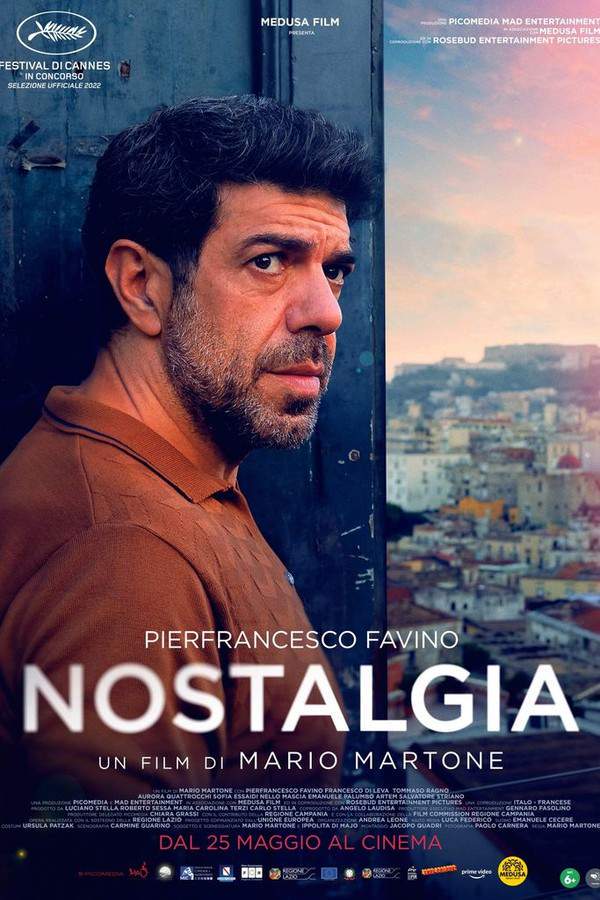
Sober historical documentaries like Still Life in Lodz

Quiet, respectful films that confront difficult history to find hope and connection. Discover movies similar to Still Life in Lodz that approach difficult history with a steady, melancholic pace. If you appreciated its blend of somber remembrance and resilient hope while exploring themes like the Holocaust and diaspora, you'll find other thoughtful films about healing historical wounds.

  • somber
  • reflective
  • resilient
  • poignant
  • historical
  • contemplative
  • Tone: melancholic, poignant, hopeful
  • Pacing: steady, thoughtful
Why these movies?

The story pattern: These narratives often follow a structure of revisiting a traumatic historical event or period. They use a blend of archival material, personal testimony, and contemporary reflection to build a comprehensive picture. The emotional journey moves from initial sorrow and loss towards a concluding emphasis on preservation, legacy, and the strength found in remembering.

Why they belong together: These films are grouped by their shared commitment to processing profound historical trauma without being exploitative or sensational. They share a melancholic yet resilient tone, a steady pacing that allows for reflection, and an ending that leans towards hopefulness born from acknowledging the past.

If you liked this

Movies Like Still Life in Lodz

Similar movies to Still Life in Lodz: the same genre, themes or kind of story. Each one comes with its own plot summary, timeline and ending explained.

Browse all movie summaries

Every angle

Still Life in Lodz (2021) Explained: Plot, Timeline & Characters

Everything about Still Life in Lodz in one place: what happens in the plot summary, the timeline in chronological order, the characters and meaning and a spoiler-free summary. What's After the Movie adds the cast, box office and post-credit scenes.

Coming soon on iOS and Android

The Plot Explained Movie Summary App

Plot summaries, endings explained and timelines on your phone. Catch up on any movie in minutes, save your favorites and never miss a twist again.

Be the first to know when we launch. Your email stays private, always.

Learn more about the app