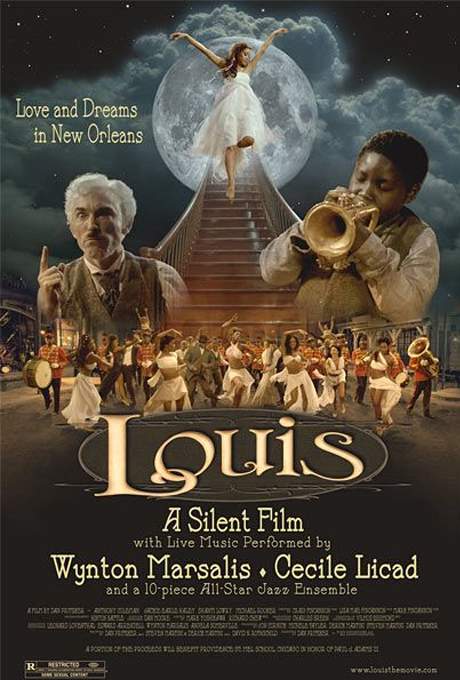
At the turn of the century in Memphis, a young boy named W.C. Handy is caught with a trumpet his Aunt Hagar had bought for him. His father, the Revered Rev. Charles Handy, rejects all music outside of church hymns as songs of Satan, and he destroys the trumpet on discovery. This moment sets the stage for a life defined by a constant tug-of-war between tradition and an evolving soundscape that will redefine American music.
As Handy grows, he faces pressure to pursue a respectable path. He is offered a teaching job that his family approves, but he chooses to volunteer to write music for a local political campaign instead. This choice brings him into contact with the charismatic Gogo Germaine, a rising nightclub performer, and the sharp-eyed nightlife owner Blade. Germaine sees a spark in Handy and encourages him to push beyond the boundaries his family would rather he stay within, while Blade provides a window into the bustling world of popular music and fame.
Handy’s romantic partner, his girlfriend Elizabeth, and his father remain wary of jazz as a viable career. They prefer him to lean into hymn-writing and church work, fearing the instability and stigma of a life in the popular music scene. This tension creates a quiet, persistent ache in Handy as he navigates personal dreams against familial expectations and a society skeptical of jazz’s legitimacy.
A turn of fate arrives when Handy loses his sight. He experiences a deep crisis of confidence and abandons the jazz path, returning to the security of church music and hymn-writing. Yet even as his sight returns, the ache never fully leaves him; the melody of jazz continues to call to him, and he feels the pull to pursue it despite the disapproval surrounding him.
Gogo Germaine, now a major star in New York, visits Handy’s home with the aim of reconnecting with him and, perhaps, reshaping the hearts of those around him. When she meets Elizabeth, she challenges her narrow views on jazz, inviting both women and Handy’s family to experience his music in a formal concert setting in New York. This invitation serves as a turning point: hearing Handy’s jazz performed live in a grand hall brings a different kind of truth to the family’s ears.
The moment of reckoning arrives when the concert in New York exposes the dissonance between the old fears and the new possibilities. As the music soars, Reverend Handy experiences a transformation of perspective. He moves from resistance to acceptance, embracing Handy’s talent and his passion. With the walls of disapproval finally giving way, Handy gains not only his family’s approval but also the space to pursue his composing career with the support that had eluded him for so long.
In the wake of this revelations, Handy’s life expands beyond the boundaries of Memphis and church walls. He must reconcile the losses he endured—especially the sense of what jazz meant to him—and find a way to weave the spiritual and the secular into a new, powerful sound. The journey is not just about fame or skill; it is about a man redefining his identity in the face of doubt, a family learning to listen, and a culture finally hearing a music that will change the world.
Ultimately, the story is a tribute to courage, perseverance, and the healing potential of art. It chronicles how a young musician’s stubborn dream, nurtured by a chorus of friends and mentors, can transform personal pain into a musical revolution. The film’s emotional core rests on Handy’s resilience, the strength of his relationships, and the moment when a family’s heart opens wide enough to let a jazz pianist’s gift shine through.