Plot Explained Spoilers guaranteed!
Plot Explained

Browse by genre

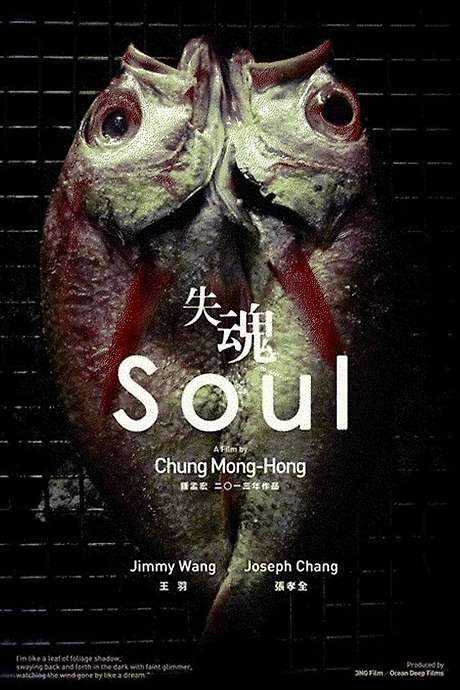
Soul (2013) movie poster

Timeline

Soul (2013) Timeline Explained – Every Event in Order

Release, runtime and language
2013 · 111 mins · Chinese
Loading streaming availability…
Directed by
Chung Mong-Hong
Starring
Na-Do, King Shih-Chieh, Leon Dai Li-Jen, Vincent Liang, Wu Pong-Fong, Chen Yu-hsun

A chef named Chuan collapses and is sent to his father's mountain home after a sudden illness. There, he becomes unresponsive, refusing to speak, eat, or care for himself. A shocking discovery awaits his father upon returning home—Chuan’s young daughter is found dead. Chuan, speaking in an unsettlingly calm voice, explains he moved into her body after witnessing it was empty.

On this page (5)
  1. 1 Where to watch
  2. 2 Events in order (15)
  3. 3 Timeline questions answered
  4. 4 Movie threads
  5. 5 Every angle
Loading streaming availability…

15 events in order · contains spoilers

Soul Timeline: Events in Chronological Order

Every key event of Soul (2013) in order, scene by scene, with when and where it takes place. Use it to untangle flashbacks, time jumps and parallel storylines, to refresh your memory before the sequel or to find the exact scene you are thinking of.

  1. Ah-Chuan collapses at work

    Ah-Chuan falls unconscious at his workplace. At his bedside, a boy offers him his room in a few days, saying the boy will be leaving.

    When
    at work
    Where
    workplace
  2. Move to the mountains to stay with his father

    Ah-Chuan is sent to stay with his father, Mr. Wang, in the mountains. He relocates to the rural home as part of his recovery.

    Where
    mountains, Mr. Wang's home
  3. Sister visits and is unsettled by his awakening

    Ah-Chuan's older sister visits the mountain home, but she is disturbed by Ah-Chuan's behavior when he wakes. The scene foreshadows the tension to come.

    Where
    Mr. Wang's mountain home
  4. Ah-Chuan kills his sister

    During the aftermath of her visit, Ah-Chuan kills his sister. The act triggers a chain of deadly concealment and drastic measures by Mr. Wang.

    Where
    Mr. Wang's mountain home
  5. Confrontation and the body-switch claim

    When confronted by Mr. Wang, Ah-Chuan claims he entered the real Ah-Chuan's body after the latter left it, and that the real Ah-Chuan will return.

    Where
    Mr. Wang's mountain home
  6. Hiding bodies and confining Ah-Chuan

    Mr. Wang hides his daughter's body, kills her husband when he arrives, and buries the son-in-law's car. He confines Ah-Chuan to a shed to keep him under control.

    Where
    mountains, shed
  7. Messenger delivers an update on the real Ah-Chuan

    A messenger appears and tells Ah-Chuan that the real Ah-Chuan won't be back for a while. The news deepens the sense of isolation and the mystery surrounding the body-switch.

    Where
    shed
  8. Clinic revelation about the late wife

    At a clinic, Mr. Wang reveals that his late wife killed herself due to depression. This backstory adds context to the family tragedy.

    Where
    clinic
  9. Well encounter and the jump

    Mr. Wang uncovers an old well and persuades Ah-Chuan to jump in. The act triggers a haunting sequence that blurs the line between reality and vision.

    Where
    near the old well
  10. Vision and awakening in the house

    Ah-Chuan jumps into the well and experiences visions of the real Ah-Chuan and his mother. He then awakens back in the house, suggesting the visions have altered his perception.

    Where
    house
  11. Mercy killing confession

    Mr. Wang reveals that his wife did not kill herself, but asked him for a mercy killing in the shed. The revelation reframes the deaths and the motives behind them.

    Where
    shed
  12. Investigation and the city cop's death

    A city cop arrives to investigate the disappearances of the daughter and son-in-law. Ah-Chuan kills the city cop in the ensuing chaos.

    Where
    mountains nearby
  13. Wu's pursuit and confrontation

    Wu, Ah-Chuan's police friend, checks on him. Ah-Chuan injures Wu in the eye, they pursue through the woods, and Wu shoots Ah-Chuan in the back as he walks away.

    Where
    woods
  14. Down the mountain and a calculated blame

    Mr. Wang takes Ah-Chuan and Wu down the mountain, devising a version of events in which he takes all the blame for the murders for Wu to use.

    Where
    mountains
  15. One year later: a final spiritual moment

    One year later, Ah-Chuan works in the mountains while Mr. Wang has been transferred to a sanatorium. Ah-Chuan visits him and recalls meeting the real Ah-Chuan in spirit form, who says he is going home.

    When
    one year later
    Where
    mountains; sanatorium

Last updated: February 24, 2026 at 14:10

Was this helpful?

Timeline questions answered

Soul Timeline Explained: Your Questions Answered

When does it happen, and why in that order? The questions people ask about the chronology of Soul (2013): time jumps, flashbacks, cause and effect between scenes and the correct order of events, each answered with spoilers.

Q1

Why did Ah-Chuan kill his sister?

Ah-Chuan killed his sister because he is not the real Ah-Chuan but rather a spirit that inhabited his body after the real Ah-Chuan left it. When his sister visited and became unsettled by his strange behavior upon waking, he committeed the act. The murder triggers the film's escalating cycle of violence and cover-ups.

Foreshadowing: Earlier, the sister is described as being visibly unsettled by his behavior when he wakes, hinting at something being fundamentally wrong with Ah-Chuan.

  • ah-chuan
  • sister
  • killed
  • murder
  • body swap
Q2

What is the body-switch that Ah-Chuan explains?

Ah-Chuan claims he entered the real Ah-Chuan's body after witnessing it was empty. He explains to his father that the real Ah-Chuan left the body and promised to return eventually. A mysterious messenger later confirms that the real Ah-Chuan won't be back for a while, leaving the impostor in control of the body.

Foreshadowing: In the opening scene, a mysterious boy offers Ah-Chuan a room in a few days, saying he will be leaving - hinting at the spiritual nature of the body-swapping mechanism.

  • body switch
  • spirit
  • possession
  • real ah-chuan
  • impostor
Q3

Why did Mr. Wang kill his son-in-law and hide the bodies?

After discovering that Ah-Chuan (the impostor) killed his daughter, Mr. Wang decided to cover up the murder to protect his family from scandal and legal consequences. When his son-in-law arrived looking for his wife, Mr. Wang killed him as well, buried the car, and confined Ah-Chuan to a shed to prevent further violence and contain the situation.

  • mr wang
  • son in law
  • cover up
  • murder
  • bodies
Q4

What did Ah-Chuan see when he jumped into the well?

When Mr. Wang persuades Ah-Chuan to jump into an old well, Ah-Chuan experiences visions of himself and his mother. This hallucinatory sequence blurs the line between reality and vision, suggesting a spiritual or psychological breakthrough. He subsequently awakens back at the house, and the experience appears to shift his perception of the events.

  • well
  • jump
  • vision
  • mother
  • spiritual experience
Q5

What was the truth about Mr. Wang's wife's death?

At the clinic, Mr. Wang initially reveals his late wife killed herself due to depression. Later, he confesses the darker truth: his wife did not kill herself but asked him for a mercy killing in the shed. This reframes the family's tragic history and explains Mr. Wang's willingness to commit extreme acts to protect family secrets.

  • wife
  • death
  • mercy killing
  • suicide
  • shed
  • mr wang
Q6

Who was the messenger and what did he tell Ah-Chuan?

The messenger, King Shih-Chieh, appears to Ah-Chuan in the shed and delivers the news that the real Ah-Chuan won't be back for a while. This supernatural figure serves as a bridge between the spirit world and the physical realm, confirming that the body-switch is a real phenomenon and that the impostor is truly trapped in the borrowed body for an indefinite period.

  • messenger
  • king shih-chieh
  • real ah-chuan
  • spirit world
Q7

Why did Ah-Chuan kill the city cop who came to investigate?

Ah-Chuan killed the city cop who arrived to investigate the disappearances of Mr. Wang's daughter and son-in-law. This violent act continues the pattern of extreme responses to threats, as Ah-Chuan eliminates anyone who might uncover the truth about the murders and the supernatural situation.

  • city cop
  • murder
  • investigation
  • police
Q8

What was the relationship between Ah-Chuan and Wu?

Wu is Ah-Chuan's police friend who comes to check on him during the investigation. Their confrontation escalates when Ah-Chuan injures Wu in the eye and chases him through the woods. Despite this violence, Ah-Chuan later saves Wu from drowning, then Wu shoots him in the back as Ah-Chuan walks away - revealing a complex, contradictory relationship.

  • wu
  • police friend
  • shooting
  • confrontation
  • woods
Q9

Why did Mr. Wang take all the blame for the murders?

Mr. Wang leads Ah-Chuan and Wu down the mountain and crafts a version of events that places all blame on himself. He does this to provide Wu with a usable story for the authorities, effectively sacrificing himself to protect Ah-Chuan from further consequences. This act represents the father's final extreme measure to control the narrative and shield his family.

  • mr wang
  • blame
  • cover up
  • murders
  • confession
Q10

What happens at the end when Ah-Chuan meets the real Ah-Chuan?

One year later, Ah-Chuan works in the mountains while Mr. Wang has been moved to a sanatorium due to failing health. When Ah-Chuan visits him, he recounts meeting the real Ah-Chuan in spirit form, who declared he was going home. The ending remains ambiguous about whether this was a hallucination, a spiritual encounter, or something else entirely.

Foreshadowing: The messenger earlier mentioned the real Ah-Chuan wouldn't be back for a while, setting up this final spiritual confrontation.

  • ending
  • final scene
  • real ah-chuan
  • spirit
  • home
  • sanatorium

Movie threads

More Movies Like Soul, by Mood & Story

Curated lists built around what makes Soul tick: the same mood, the same kind of story or the same emotional payoff. Each list explains why these movies belong together.

Unsettling family horror movies like Soul

Stories where the home becomes a place of psychological terror and tragedy. For viewers who appreciated the oppressive familial dread in Soul, this collection features movies where home is a site of trauma and terror. If you liked the psychological horror and tragic secrets, find similar films exploring family bonds broken by the supernatural.

  • unsettling
  • oppressive
  • claustrophobic
  • tragic
  • dreadful
  • familial horror
  • Tone: dark, oppressive, tragic
  • Pacing: steady, deliberate
Why these movies?

The story pattern: These narratives often begin with a family confronting an inexplicable event or a returning trauma. The story unfolds as the characters attempt to maintain a facade of normalcy while being consumed from within by psychological torment, supernatural intrusion, or the weight of a terrible secret, leading to an emotionally devastating climax.

Why they belong together: Movies are grouped here because they share a core focus on the family as the locus of horror. They create a claustrophobic, unsettling atmosphere by blending psychological tension with supernatural or traumatic elements, resulting in a similar feeling of heavy, tragic dread.


Mind-bending psychological thrillers with ambiguous endings like Soul

Thrillers that question reality and leave you with haunting, unresolved questions. If the psychological mystery and ambiguous conclusion of Soul captivated you, explore this thread. Discover more movies that delve into unstable realities, murder, and possession, leaving you questioning what was real long after the credits roll.

  • mysterious
  • unsettling
  • psychological
  • mind-bending
  • ambiguous
  • unreliable narrator
  • Tone: mysterious, unsettling, ambiguous
  • Pacing: steady, complex
Why these movies?

The story pattern: These films typically follow a protagonist, often an unreliable narrator, through a series of bizarre and disturbing events. The narrative structure is complex, forcing the audience to piece together the truth from fragmented perspectives. The climax often re-contextualizes the entire story, leading to an ambiguous ending that emphasizes psychological impact over clear resolution.

Why they belong together: These films are grouped by their shared approach to narrative complexity, psychological torment, and a preference for ambiguous conclusions. They prioritize creating a lasting sense of unease and intellectual engagement over providing clear-cut answers.

Every angle

Soul (2013) Explained: Plot, Timeline & Characters

Everything about Soul in one place: what happens in the plot summary, the timeline in chronological order, the characters and meaning and a spoiler-free summary. What's After the Movie adds the cast, box office and post-credit scenes.

Coming soon on iOS and Android

The Plot Explained Movie Summary App

Plot summaries, endings explained and timelines on your phone. Catch up on any movie in minutes, save your favorites and never miss a twist again.

Be the first to know when we launch. Your email stays private, always.

Learn more about the app