Plot Explained Spoilers guaranteed!
Plot Explained

Browse by genre

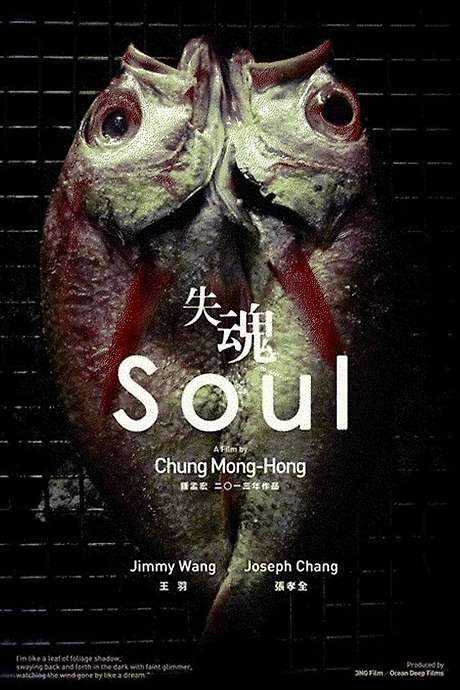
Soul (2013) movie poster

Characters & Themes

Soul (2013) Characters, Setting & Themes Explained

Release, runtime and language
2013 · 111 mins · Chinese
Loading streaming availability…
Directed by
Chung Mong-Hong
Starring
Na-Do, King Shih-Chieh, Leon Dai Li-Jen, Vincent Liang, Wu Pong-Fong, Chen Yu-hsun

A chef named Chuan collapses and is sent to his father's mountain home after a sudden illness. There, he becomes unresponsive, refusing to speak, eat, or care for himself. A shocking discovery awaits his father upon returning home—Chuan’s young daughter is found dead. Chuan, speaking in an unsettlingly calm voice, explains he moved into her body after witnessing it was empty.

On this page (7)
  1. 1 Where to watch
  2. 2 Characters explained (6)
  3. 3 Where & when it takes place
  4. 4 Themes & meaning (3)
  5. 5 Character & meaning questions
  6. 6 Movie threads
  7. 7 Every angle
Loading streaming availability…

6 main characters · contains spoilers

Soul Characters Explained: Who Is Who

The main characters of Soul (2013), heroes and villains: what drives them, how they change over the course of the story and what each of them reveals about the film's bigger ideas.

  • A Chuan (Joseph Chang)

    A young man who finds his body occupied by the real Ah-Chuan, leading to confusion and volatile impulses. He struggles with the sense that another is controlling his actions while a web of family secrets closes in. His internal conflict escalates into murder, entangling personal relationships and pushing him toward a tragic fate.

    • 🧭 Identity
    • 🔪 Violence
  • Wang (Jimmy Wang Yu)

    The patriarch who hides his daughter's body and manipulates the truth to shield his family, becoming involved in brutal decisions. He crafts cover-ups and bears moral ambiguity, acting as both protector and threat within the family crisis.

    • 👨‍👦 Family
    • ⚖️ Morality
  • Wu (Vincent Liang)

    A police ally who checks on Ah-Chuan, becomes entangled in the pursuit, and is wounded during the confrontation. His involvement ties law enforcement to the escalating violence and moral complexity of the case.

    • 🕵️‍♂️ Friendship
    • 💥 Violence
  • Inspector Yang (Tou Tsung-Hua)

    A city inspector investigating the disappearances, navigating police procedures while the violence spirals, seeking the truth amid deception and chaos.

    • 👮 Duty
    • 🔎 Investigation
  • Messenger (King Shih-Chieh)

    A messenger who arrives to inform Ah-Chuan that the real Ah-Chuan won't be back for a while, introducing a sense of fate or otherworldly dimension to the possession.

    • 🗣️ Messenger
    • 🔮 Fate
  • Doctor (Chen Yu-hsun)

    A doctor at the clinic who provides context about the family’s backstory and observes the unraveling events, anchoring the medical and moral aspects of the plot.

    • 🏥 Medicine
    • 🧭 Truth

Last updated: February 17, 2026 at 17:07

Was this helpful?

Setting

Where and When Does Soul Take Place?

The setting of Soul (2013): the year and time period, the places and locations, and how they shape the characters, the mood and the tension of the story.

Time period

Location

Mountains, Shed, Clinic, Well, House, Sanatorium, Woods, City

The film unfolds largely in a remote mountain setting, with a weathered shed serving as a hiding place and a clinic as a site of revelation. The well and surrounding woods create a claustrophobic atmosphere that heightens tension. The contrast between isolation in the mountains and the occasional reach to the sanatorium underscores themes of confinement and escape.

  • 🏔️ Mountainous
  • 🧭 Remote
  • 🌲 Forested

Last updated: February 17, 2026 at 17:07

Was this helpful?

3 major themes

Soul Meaning: Themes & Message Explained

What is Soul (2013) really about? The emotional, social and philosophical themes the film keeps returning to, its symbolism and the message beneath the surface.

  • Duality

    Identity becomes a battleground as Ah-Chuan is inhabited by the real Ah-Chuan. The film blurs lines between self and other, showing how memory and will clash within a single body. This duality drives both internal conflict and outward violence, complicating every decision.

  • Grief

    Depression and unresolved loss haunt the family history, from the late wife's tragedy to the secrets kept by Mr. Wang. The narrative uses spaces like the clinic and the well to expose raw pain and unspoken guilt. Mercy, suffering, and moral ambiguity intersect as characters confront what it means to ease pain. The burden of grief shapes loyalties and choices.

  • Consequences

    Violence triggers a chain reaction that pulls in family, police, and the wider community. Each act of deception leaves a mark that cannot be erased, forcing characters to confront the truth they hide. The pursuit through the woods and the ensuing revelations expose the moral costs of hidden truths. The ending suggests the cycle of guilt and retribution may continue beyond the mountains.

Last updated: February 17, 2026 at 17:07

Was this helpful?

Character & theme questions

Soul Characters & Meaning: Your Questions Answered

The questions people ask about Soul (2013): who the characters really are, their relationships, what the symbols mean, where it takes place and what the movie is really about. Each answer contains spoilers.

Q1

Why is the story set in a remote mountain location?

The remote mountain setting creates a claustrophobic, isolated atmosphere that reinforces the film's themes of confinement and escape. The weathered shed, well, and dense woods serve as both physical and psychological spaces where family secrets can be hidden and intense emotional conflicts unfold. The contrast between the mountain isolation and occasional references to the city and sanatorium highlights the characters' trapped circumstances.

  • mountain setting
  • remote location
  • isolation
  • atmosphere
Q2

What does the duality theme explore in the film?

The duality theme centers on identity being hijacked when Ah-Chuan's body becomes inhabited by another consciousness. The film blurs lines between self and other, showing how memory and will clash within a single body. This internal conflict drives both the protagonist's psychological torment and the outward violence, making every decision feel torn between two competing identities.

  • duality
  • identity
  • possession
  • body swap
  • self conflict
Q3

How does grief shape the family's story?

Grief permeates the family history through unresolved loss, including the late wife's tragedy and secrets kept by Mr. Wang. Spaces like the clinic and well become symbolic of raw pain and unspoken guilt. The burden of grief shapes loyalties and choices, driving characters to extreme measures as they confront what it means to ease pain versus perpetuate suffering.

  • grief
  • loss
  • family secrets
  • guilt
  • death
Q4

What does the consequences theme represent?

The consequences theme illustrates how violence triggers a chain reaction involving family, police, and the community. Each act of deception leaves permanent marks, forcing characters to confront hidden truths. The pursuit through the woods and subsequent revelations expose the moral costs of secrets, suggesting the cycle of guilt and retribution may continue beyond the mountains.

  • consequences
  • deception
  • moral cost
  • cycle of guilt
Q5

Who is Wang and what is his role in the family?

Wang is the patriarch who hides his daughter's body and manipulates truth to shield his family. He becomes involved in brutal decisions, crafting cover-ups while bearing moral ambiguity. His actions position him as both protector and threat within the family crisis, revealing the extremes a father will reach to preserve family honor.

  • Wang
  • patriarch
  • father
  • family secrets
  • cover-up
Q6

What happens to Ah-Chuan in the film?

Ah-Chuan, a young man, finds his body occupied by another consciousness after collapsing from illness. This possession leaves him struggling with the sense that another controls his actions while a web of family secrets closes in. His internal conflict escalates entangling personal relationships and pushing him toward a tragic fate.

  • Ah-Chuan
  • possession
  • identity
  • mind control
Q7

Who is Inspector Yang and what is his function?

Inspector Yang is a city investigator who probes the disappearances while navigating police procedures as violence spirals. He seeks truth amid deception and chaos, representing the outside legal system's attempt to unravel the family's carefully constructed lies.

  • Inspector Yang
  • police
  • investigation
  • law enforcement
Q8

What role does the messenger play?

The messenger arrives to inform Ah-Chuan that the real Ah-Chuan won't be back for a while. This introduces a sense of fate or otherworldly dimension to the possession, suggesting there are rules or forces beyond normal understanding governing the body swap.

  • messenger
  • fate
  • possession
  • supernatural
Q9

What is the significance of the woods in the story?

The woods surrounding the mountain home create a claustrophobic environment that heightens tension throughout the film. They become the site of pursuit and confrontation, serving as a liminal space where hidden truths are exposed and the moral boundaries between characters collapse.

  • woods
  • pursuit
  • confrontation
  • hidden truths
Q10

Why does the film include a clinic setting?

The clinic serves as a site of revelation where the family's backstory is exposed and medical realities intersect with moral questions. It represents the space where personal pain becomes visible to others and where characters must confront the consequences of their actions through institutional eyes.

  • clinic
  • revelation
  • medical
  • backstory

Movie threads

More Movies Like Soul, by Mood & Story

Curated lists built around what makes Soul tick: the same mood, the same kind of story or the same emotional payoff. Each list explains why these movies belong together.

Unsettling family horror movies like Soul

Stories where the home becomes a place of psychological terror and tragedy. For viewers who appreciated the oppressive familial dread in Soul, this collection features movies where home is a site of trauma and terror. If you liked the psychological horror and tragic secrets, find similar films exploring family bonds broken by the supernatural.

  • unsettling
  • oppressive
  • claustrophobic
  • tragic
  • dreadful
  • familial horror
  • Tone: dark, oppressive, tragic
  • Pacing: steady, deliberate
Why these movies?

The story pattern: These narratives often begin with a family confronting an inexplicable event or a returning trauma. The story unfolds as the characters attempt to maintain a facade of normalcy while being consumed from within by psychological torment, supernatural intrusion, or the weight of a terrible secret, leading to an emotionally devastating climax.

Why they belong together: Movies are grouped here because they share a core focus on the family as the locus of horror. They create a claustrophobic, unsettling atmosphere by blending psychological tension with supernatural or traumatic elements, resulting in a similar feeling of heavy, tragic dread.


Mind-bending psychological thrillers with ambiguous endings like Soul

Thrillers that question reality and leave you with haunting, unresolved questions. If the psychological mystery and ambiguous conclusion of Soul captivated you, explore this thread. Discover more movies that delve into unstable realities, murder, and possession, leaving you questioning what was real long after the credits roll.

  • mysterious
  • unsettling
  • psychological
  • mind-bending
  • ambiguous
  • unreliable narrator
  • Tone: mysterious, unsettling, ambiguous
  • Pacing: steady, complex
Why these movies?

The story pattern: These films typically follow a protagonist, often an unreliable narrator, through a series of bizarre and disturbing events. The narrative structure is complex, forcing the audience to piece together the truth from fragmented perspectives. The climax often re-contextualizes the entire story, leading to an ambiguous ending that emphasizes psychological impact over clear resolution.

Why they belong together: These films are grouped by their shared approach to narrative complexity, psychological torment, and a preference for ambiguous conclusions. They prioritize creating a lasting sense of unease and intellectual engagement over providing clear-cut answers.

Every angle

Soul (2013) Explained: Plot, Timeline & Characters

Everything about Soul in one place: what happens in the plot summary, the timeline in chronological order, the characters and meaning and a spoiler-free summary. What's After the Movie adds the cast, box office and post-credit scenes.

Coming soon on iOS and Android

The Plot Explained Movie Summary App

Plot summaries, endings explained and timelines on your phone. Catch up on any movie in minutes, save your favorites and never miss a twist again.

Be the first to know when we launch. Your email stays private, always.

Learn more about the app