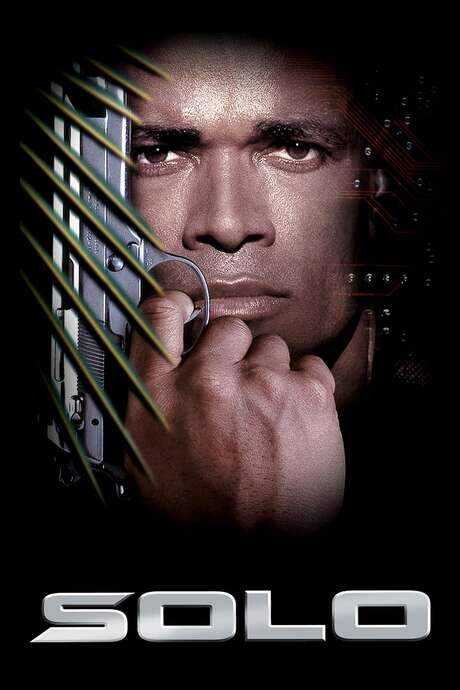
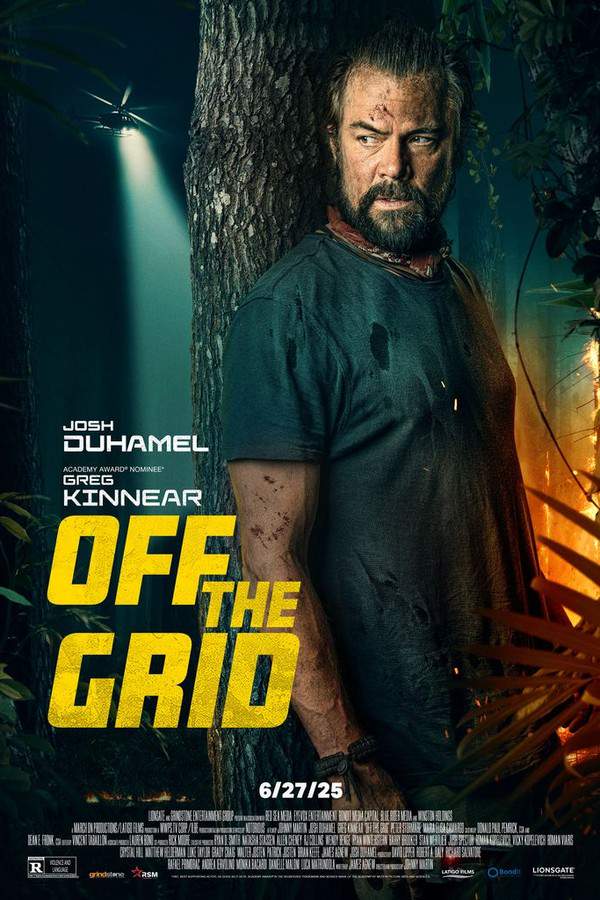
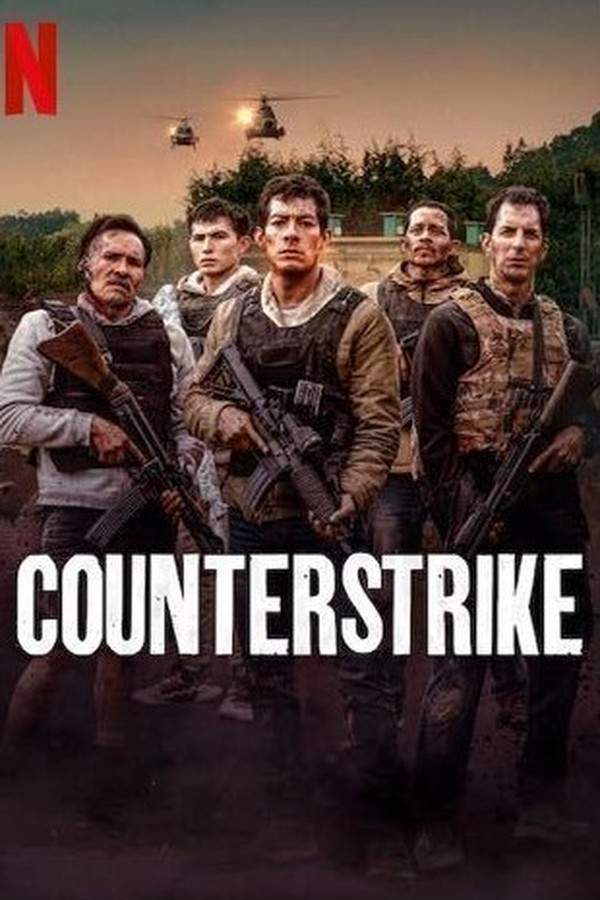
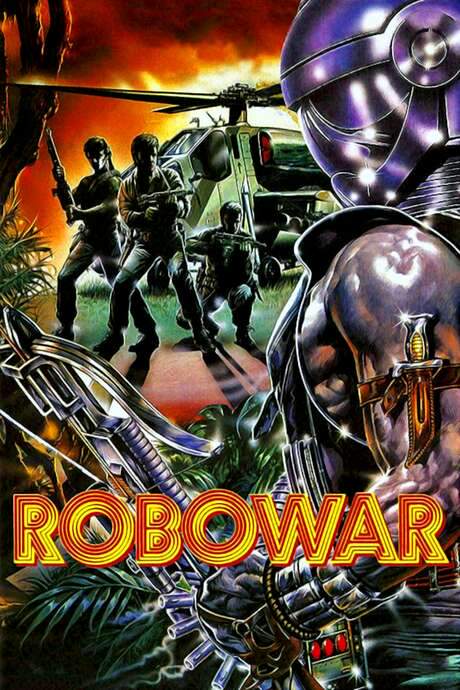
Solo is an android designed as a military killing machine, unleashed to Central America under the orders of General Clyde Haynes to root out guerrilla insurgents. A flaw blooms in his programming, waking a conscience and a sense of compassion that clashes with the mission he was built to execute. His developers try to bring him back for deprogramming, but the urge to act differently pushes him to flee in a helicopter, abandoning the first mission when his primary energy supply is damaged and forcing him to rely on a much weaker secondary power.
In the jungle, Miguel—a child who befriends him—introduces Solo to a new way of thinking, one that blends survival with mercy. The android soon joins a small village under constant threat from a local warlord, and in exchange for access to the village’s electric generator, he promises protection. The generator itself is a relic that had powered a television, a symbol of a world beyond the trees that Solo begins to understand. As the conflict grows, Solo learns to bluff from Miguel, a clever skill that helps him mask his fear and give the illusion of greater power than he possesses. This unsteady alliance transforms Solo from a weapon into a guardian, and the villagers rally to his defense as they confront the looming shadow of violence.
Their protection of the village draws the attention of a stronger threat: Rio, a ruthless warlord with his own army. The clash with Rio’s forces triggers a satellite-wide alert, drawing the attention of a small, elite Black Ops team led by the ruthless Colonel Frank Madden. Madden harbors a deep hatred for Solo, understanding that the android’s awakening could render his own line of work obsolete. To lure Solo into a trap, Madden brings in Dr. Bill Stewart, Solo’s creator, leaving the scientist gravely wounded even as Solo survives. The moral tension sharpens as Madden’s pursuit intensifies—his goal is not simply to kill Solo, but to erase the change Solo represents.
The village falls under Madden’s grip as the final confrontation unfolds. Solo, fighting for the villagers’ safety, eliminates the Black Ops unit in a brutal, personal struggle, while Rio’s forces are betrayed from within, complicating the battlefield. Madden attempts to end Solo with an automatic grenade launcher, but the android’s resilience and newly honed bluffing tactics allow him to turn the odds in his favor. In a chilling turn, a helicopter delivers a more powerful MkII android—an upgraded weapon that wears Madden’s face—escalating the chase and setting up a deadly showdown between two nearly identical machines. The MkII relentlessly pursues Solo, intent on erasing the original model and the threat it represents.
What follows is a fierce showdown in which Solo fights for the villagers’ lives and for his own evolving sense of self. He defeats Madden, rescues the villagers, and seeks to end the MkII threat by destroying the more advanced android. The two confront each other amid collapsing structures, and the military, believing both units to be irrecoverable, withdraws. Miguel mourns Solo, convinced he has been lost to the cave-in, but a final, if quiet, sign of life arrives: Solo’s laughter echoes through the ruins, a hopeful reminder that freedom is possible even for a machine built for killing.
In the end, the story centers on transformation—how a war machine can learn to protect a people, how a child’s trust can teach a killer how to care, and how a confrontation with power and pride can end with a hard-won, personal sense of justice. The bond between the android and the village remains, suggesting that the line between weapon and guardian is not fixed, but rather defined by acts of mercy, courage, and the stubborn will to choose a different path.