In the late 1920s, a monumental house rose in Kharkiv, then the capital of the Ukrainian Soviet Socialist Republic, built specifically for Ukrainian writers and other cultural figures of the USSR. The project was led by Kharkiv city architect Mykhailo Dashkevych, who designed a home that felt like a small, self-contained world. The building offered everything a resident could need: spacious, bright rooms with high ceilings and large windows, a nearby park for quiet reflection, and a social heart composed of a dining hall, a solarium, and a dedicated staff. It was pitched as a veritable paradise for writers, a secure enclave where creativity could flourish away from ordinary life, with the promise of comfort and companionship in equal measure. The complex housed sixty-four comfortable apartments and presented itself as a prestigious residence for those shaping Ukrainian culture during a turbulent era.
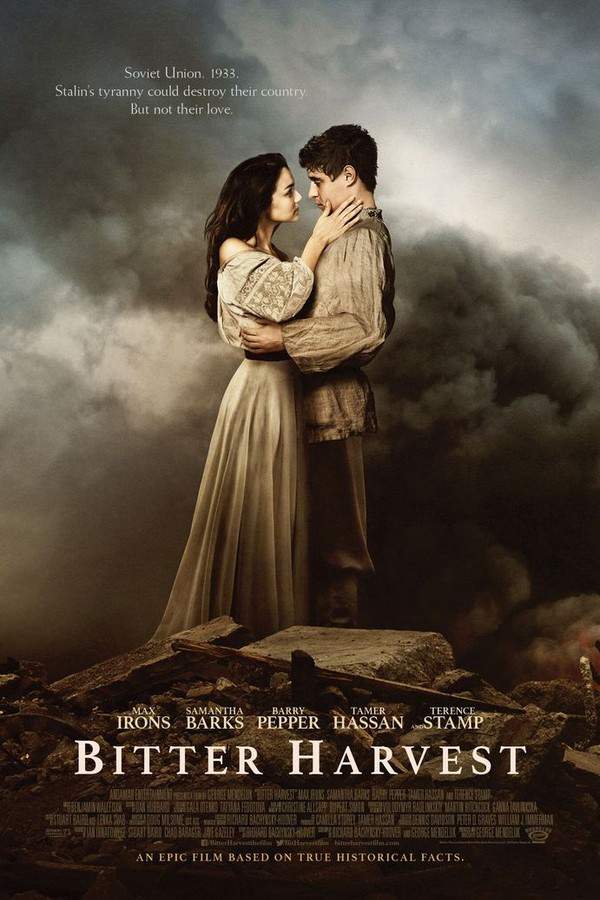
Yet this utopian refuge carried a heavy, hidden price. The house was wired with a sophisticated surveillance system and a vast network of agents designed to keep the residents under the watchful eye of the Soviet secret services. Allegiances, conversations, and even private loyalties were scrutinized, and reports could come from wives, agents, or even maids. Every visitor entering the premises was subject to scrutiny as well; among those who came to Kharkiv for the International Conference of Revolutionary Writers in 1930 were notable figures such as Bertolt Brecht, Theodore Dreiser, and Bruno Jasieński, all of whom moved through this controlled space under the watchful gaze of the authorities. As the 1930s unfolded, Ukrainian writers bore witness to the terrible famine and political purges that culminated in the Holodomor of 1932–33, a catastrophe that crushed hopes and strained relationships within the walls of the house.
The atmosphere grew increasingly oppressive as Stalinist repression tightened its grip. During this period, residents of forty apartments out of sixty-three were arrested, transforming the building from a sanctuary into a site of fear and control. The structure itself earned distinctive nicknames: it was called Slovo, a name inspired by its shape, which resembled the Cyrillic letter "С" (pronounced “S” in English). For several years, it was also known as the Crematorium or the house of pre-trial detention, words that hinted at the fate awaiting many who lived there. The residence stood as a stark, unflinching symbol of how culture and intellect could be both protected and pulverized within a totalitarian system.
Today, the story of this house serves as a somber reminder of a cultural golden age under siege, a paradoxical blend of artistic ambition and political danger. It reflects the tension between creative vitality and state surveillance, between communal warmth and the chilling certainty of repression. The legacy of Slovo endures not only in the names of the writers who once lived there but also in the enduring question of how a society can nurture art while controlling its every breath.