Plot Explained Spoilers guaranteed!
Plot Explained

Browse by genre

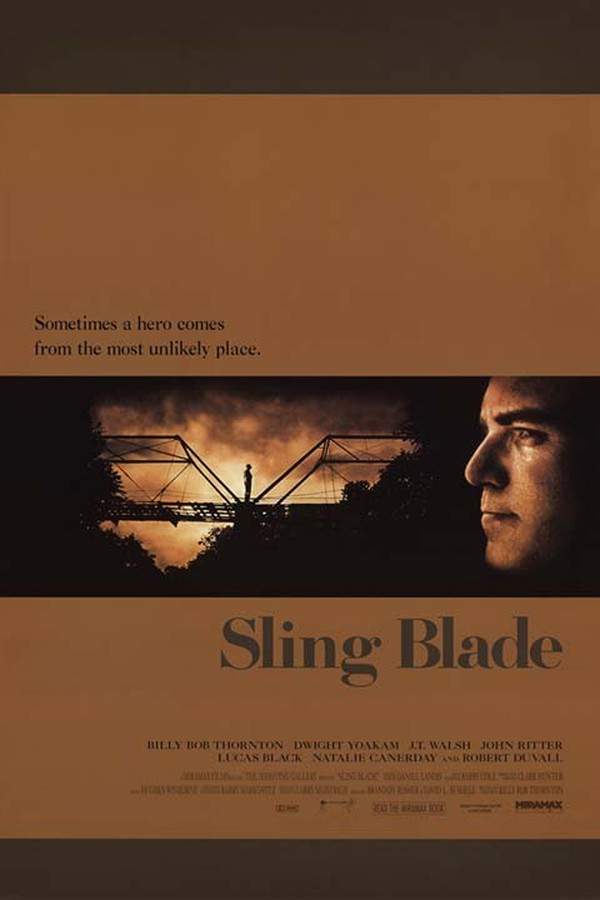
Sling Blade (1996) movie poster

Timeline

Sling Blade (1996) Timeline Explained – Every Event in Order

Release, runtime and language
1996 · 135 min · English
Starring
Billy Bob Thornton, Dwight Yoakam
Budget
$1M

Having spent 25 years in an institution, Karl returns to his rural hometown, seeking a quiet life. He develops a tender connection with a young boy and his struggling mother. However, the arrival of the boy's abusive father threatens their fragile peace, forcing Karl to confront a dangerous situation and protect the family he has come to care for, with profound and lasting repercussions.

On this page (5)
  1. 1 Events in order (15)
  2. 2 Timeline questions answered
  3. 3 Movie threads
  4. 4 Movies like Sling Blade
  5. 5 Every angle

15 events in order · contains spoilers

Sling Blade Timeline: Events in Chronological Order

Every key event of Sling Blade (1996) in order, scene by scene, with when and where it takes place. Use it to untangle flashbacks, time jumps and parallel storylines, to refresh your memory before the sequel or to find the exact scene you are thinking of.

  1. Conversation in the Asylum

    The film opens in an asylum where Charles speaks with Karl, who is preparing for his release. They engage in a discussion about mundane topics like cars and women, setting the tone for Karl's complex character.

    Where
    Asylum
  2. Interview by Student Reporters

    Student reporters Marsha and Theresa arrive at the asylum to interview Karl, known for his notorious past. They meet warden Jerry, who warns them about Karl's sensitivity and the potential consequences of probing too deeply.

    Where
    Asylum
  3. Karl's Traumatic Childhood

    During the interview, Karl reveals details of his isolated childhood marked by bullying and violence. He recounts a chilling incident where he killed Jessie Dixon after trying to defend his mother, which ultimately led him to commit further heinous acts.

  4. Return to Hometown

    Upon his release, Karl returns to the small town he grew up in, carrying only his books and a Bible. His arrival is met with a mix of curiosity and fear from the townsfolk, illustrating the lasting impact of his past.

    Where
    Hometown
  5. Helping Frank

    Karl helps a young boy named Frank with his laundry, sparking a friendship despite his trepidation about reintegrating into society. Frank invites Karl to join a game of football, marking the beginning of their bond.

    Where
    Hometown
  6. Job at the Repair Shop

    Warden Jerry aids Karl in securing a job at a local repair shop and offers him a temporary place to stay. Although Karl is grateful for the help, the family's anxiety around him is palpable.

    Where
    Repair Shop
  7. Building Relationships

    Karl meets Bill, the shop owner, and Scooter, adapting slowly to his new environment. After a laborious day, Bill offers Karl a key to the shop, a gesture of growing trust and acceptance.

    Where
    Repair Shop
  8. Friendship with Frank Deepens

    During his time with Frank, Karl becomes a confidante as Frank shares concerns about his family's dynamics, particularly about Doyle's abusive nature. Karl reassures Frank and aims to create a nurturing atmosphere.

    Where
    Frank's Home
  9. Attempted Relationship

    Linda, Frank's mother, tries to introduce Karl to her friend Melinda, leading to a clumsy yet hopeful interaction. As they bond, they explore the challenges of life and death, complicating Karl's emotions.

  10. Visit to Childhood Home

    Karl visits his childhood home to confront his past but finds only a senile father who does not recognize him. This painful realization propels him to visit his brother's grave, deepening his sense of loss.

    Where
    Childhood Home
  11. Desire for Redemption

    Driven by a desire for redemption, Karl expresses his wish to be baptized, leading to a significant moment of hope as he immerses himself in a river. This act symbolizes his quest for forgiveness and transformation.

    Where
    River
  12. Confrontation with Doyle

    Doyle's malicious behavior escalates, culminating in a confrontation that puts both Linda and Frank in danger. Karl's protective instincts emerge as he stands up for Frank, showcasing his evolving character.

    Where
    Frank's Home
  13. Heart-Wrenching Farewell

    In a poignant moment of parting, Karl gives Frank his books and warns him to stay away from Doyle. The emotional farewell cements their bond, leaving a profound impact on both characters.

    Where
    Woods
  14. Vengeance Against Doyle

    Overwhelmed with turmoil, Karl seeks revenge against Doyle after witnessing his abusive actions. In a shocking climax, he takes matters into his own hands, leading to dire consequences.

    Where
    Doyle's House
  15. Return to Asylum

    After his vengeful act, Karl calmly calls the police and prepares to return to the asylum. The film concludes with Karl resuming his conversation with Charles, now refusing to listen, signifying a cycle of despair.

    Where
    Asylum

Last updated: November 03, 2024 at 21:40

Was this helpful?

Timeline questions answered

Sling Blade Timeline Explained: Your Questions Answered

When does it happen, and why in that order? The questions people ask about the chronology of Sling Blade (1996): time jumps, flashbacks, cause and effect between scenes and the correct order of events, each answered with spoilers.

Q1

Why did Karl kill his mother?

Karl killed his mother after she protested when he murdered Jessie Dixon, a man who was assaulting her. During his interview at the asylum, Karl revealed that he attacked and killed Jessie Dixon to protect his mother from the abuse, but when she screamed and objected to the violence, he turned on her and killed her too. This childhood trauma forms the foundation of Karl's complex psychology and his subsequent institutionalization.

Foreshadowing: The film hints at Karl's violent capacity early in the asylum interview when he eerily states he has no reason to kill again, foreshadowing his ultimate act.

  • karl child murder
  • mother death
  • karl's past
  • jessie dixon
  • childhood trauma
Q2

Why does Karl return to his hometown after being released?

Karl returns to his hometown because it is the only place he knows. After spending 25 years in an institution, he has no other connections or family to turn to. The town represents both his painful past and a chance at redemption. He specifically returns to the place where he grew up, seeking to rebuild his life in the only environment familiar to him.

Foreshadowing: This return sets the stage for Karl's complicated reunion with his past, including his senile father who no longer recognizes him.

  • karl released
  • hometown return
  • reintegration
  • solitary life
Q3

Why does Karl kill Doyle at the end?

Karl kills Doyle to protect Frank and Linda from ongoing abuse. After witnessing Doyle threaten both Linda and Frank and seeing that his presence cannot stop Doyle's violence, Karl makes the choice to eliminate the threat permanently. He sharpens a lawnmower blade, a tool he mastered during his isolated childhood, and goes to Doyle's house, killing him in an act of desperate protection. Karl then calmly calls the police, knowing he will return to the institution.

Foreshadowing: Throughout the film, Frank warns Karl about Doyle's dangerous nature, and the escalating confrontations build toward this inevitable violent climax.

  • doyle's death
  • karl kills doyle
  • protection
  • final act
  • revenge
Q4

Why does Karl want to be baptized?

Karl requests baptism as an act of redemption and cleansing. After visiting his childhood home and finding his senile father who does not recognize him, then visiting his brother's grave to grieve lost family, Karl seeks spiritual renewal. He goes to Linda and Doyle's room to express his desire for baptism, viewing it as a chance to wash away his sins and start fresh. The next morning, he is immersed in the river in what he hopes will be a transformative spiritual experience.

Foreshadowing: Karl's request for baptism comes after his most vulnerable moment, confronting his past and his father's不认识 him, showing his deep need for forgiveness.

  • baptism
  • redemption
  • spiritual renewal
  • river scene
  • forgiveness
Q5

What happens to Karl at the end?

After killing Doyle, Karl returns to Frank one last time to say goodbye, giving the boy his books and warning him to stay away from Doyle. That same night, Karl calls the police to confess and waits calmly, eating leftover fried chicken. He is taken back into custody and returns to the asylum, where the film concludes with him telling Charles that he no longer wishes to listen, indicating a withdrawal into himself and a return to the cycle of institutionalization.

Foreshadowing: The opening conversation with Charles establishes Karl's pattern of listening to others, making his final refusal to listen a significant character conclusion.

  • karl arrested
  • return to asylum
  • final scene
  • confession
Q6

Why does Karl befriend Frank?

Karl befriends Frank because he sees innocence and vulnerability in the boy that mirrors his own traumatic childhood. Frank is anxious due to Doyle's abuse at home and lacks a positive male influence. Karl, having been isolated and bullied as a child, recognizes Frank's need for protection and guidance. Their bond grows as Karl helps with laundry, plays football, and becomes a trusted confidant. Karl sees in Frank a chance to be the protective figure he never had, though he cannot fully share his own dark past.

Foreshadowing: Karl's immediate connection with Frank upon arriving in town establishes the emotional core that drives Karl's ultimate decision to protect the boy.

  • karl and frank
  • friendship
  • protection
  • father figure
  • vulnerable child
Q7

Why does Karl sharpen the lawnmower blade before killing Doyle?

Karl uses a lawnmower blade because it represents both his only childhood skill and his instrument of violence. As a child, Karl was isolated and spent his time repairing lawnmowers, a solitary, safe activity. The lawnmower blade becomes the tool he uses to kill Doyle, echoing how he used whatever was at hand as a child. This choice connects his past violence to his present act of "protection," making the weapon symbolically loaded.

Foreshadowing: Karl's childhood is described as spent repairing lawnmowers, establishing this object as his only source of competence and safety before violence entered his life.

  • lawnmower blade
  • childhood skills
  • weapon
  • symbolic meaning
Q8

Why does Karl visit his childhood home?

Karl visits his childhood home to confront his past, but finds only his senile father who fails to recognize him. This devastating encounter, seeing his father alive but completely unaware of who Karl is, forces him to reckon with the loss of his entire family. He then visits his brother's grave, grieving the sibling who was likely the only person who showed him kindness. This trip deepens Karl's sense of isolation and propels his desire for spiritual redemption through baptism.

Foreshadowing: This visit occurs right before Karl requests baptism, showing how confronting his past directly leads to his search for redemption.

  • childhood home
  • father
  • brother grave
  • family loss
  • past confrontation
Q9

Why does Karl say he doesn't want to listen anymore at the end?

When Karl tells Charles he no longer wishes to listen, it signifies his complete withdrawal from the world. Throughout the film, Karl has listened to others, reporters, the warden, Frank, Linda, but his act of violence has returned him to the asylum, completing a cycle. By refusing to listen, Karl is rejecting connection and returning to the isolated state he occupied before his release. The final line suggests he has given up on rehabilitation and social reintegration, accepting his fate.

Foreshadowing: The film's circular structure mirrors the opening asylum scene, emphasizing that Karl's journey has led him back to where he started.

  • final conversation
  • withdrawal
  • cycle
  • refusal to listen
  • asylum return
Q10

Why does Karl perceive Doyle as a threat?

Karl perceives Doyle as a threat because he witnesses Doyle's escalating abuse toward Linda and Frank. Frank confides in Karl about Doyle's violent nature, and Karl sees Doyle throw a confrontational band party that puts Linda in danger. When Doyle threatens both Linda and Frank directly, Karl recognizes that this abuse will continue or worsen. Having experienced violence in his own childhood, Karl understands the danger and ultimately decides he must act to protect the family he has come to love.

Foreshadowing: Doyle's skepticism toward Karl from the beginning establishes him as an antagonistic force that will eventually trigger Karl's violent response.

  • doyle abuse
  • domestic violence
  • threat to frank
  • protective instincts
Q11

Why can't Karl escape his violent nature?

Karl cannot escape his violent nature because his psychology is permanently shaped by childhood trauma. Despite genuine attempts to live peacefully, finding work, forming relationships, seeking baptism, his return to the only environment he knows triggers the same protective instincts that led to his original crimes. When he encounters a vulnerable child (Frank) in a dangerous situation (Doyle's abuse), Karl responds the only way he knows how: through violent action. The film suggests that his institutionalization has not healed him, only contained him.

Foreshadowing: Karl's ominous statement during the interview that he has "no reason" to kill again proves prophetic when circumstances create exactly that reason.

  • cycle of violence
  • trauma
  • mental state
  • institutionalization
  • inevitable return

Movie threads

More Movies Like Sling Blade, by Mood & Story

Curated lists built around what makes Sling Blade tick: the same mood, the same kind of story or the same emotional payoff. Each list explains why these movies belong together.

Movies with quiet protector figures like in Sling Blade

Stories where quiet characters must embrace violence to shield the innocent. Explore movies like Sling Blade, where a quiet and often traumatized individual becomes an unlikely guardian. These stories feature similar themes of protection, moral sacrifice, and the tragic use of violence to save others, perfect for viewers who appreciated Karl's complex journey.

  • somber
  • tense
  • protective
  • tragic
  • redemptive
  • lonely
  • Tone: dark, tragic
  • Pacing: slow, deliberate
Why these movies?

The story pattern: The narrative follows a lone figure, often marked by past trauma, who forms a bond with someone innocent and vulnerable. Their newfound purpose is tested by the arrival of a direct threat, forcing them to confront their inner demons and utilize their capacity for violence one last time to ensure the safety of those they care for, typically at great personal cost.

Why they belong together: These movies are grouped by the central archetype of the protector and the thematic exploration of redemption through sacrifice. They share a similar emotional trajectory, building from quiet connection to tense confrontation, and resonate with a specific, heavy moral weight.
Slow burn rural dramas with tension like Sling Blade

Atmospheric tales where tension simmers in isolated, small-town settings. Find movies similar to Sling Blade that master a slow build of dread within a small-town or rural setting. If you liked the oppressive atmosphere and tense character dynamics of Sling Blade, these films offer a comparable feeling of quiet, simmering anxiety leading to a dramatic climax.

  • oppressive
  • slow burn
  • tense
  • melancholic
  • claustrophobic
  • lonely
  • Tone: dark, tense, oppressive
  • Pacing: slow burn, deliberate
Why these movies?

The story pattern: Stories unfold gradually in a confined, often economically depressed locale, focusing on the complex relationships between a small cast of characters. The plot is less about action and more about the psychological pressure that builds from unspoken histories, domestic secrets, or a threatening presence, eventually boiling over into a violent or tragic conclusion.

Why they belong together: These films share a specific atmosphere defined by their pacing and setting. The combination of a slow, deliberate narrative, an isolated rural world, and a dark, tense tone creates a unique viewing experience centered on psychological unease rather than fast-paced plot.

If you liked this

Movies Like Sling Blade

Similar movies to Sling Blade: the same genre, themes or kind of story. Each one comes with its own plot summary, timeline and ending explained.

Browse all movie summaries

Every angle

Sling Blade (1996) Explained: Plot, Timeline & Characters

Everything about Sling Blade in one place: what happens in the plot summary, the timeline in chronological order, the characters and meaning and a spoiler-free summary. What's After the Movie adds the cast, box office and post-credit scenes.

Coming soon on iOS and Android

The Plot Explained Movie Summary App

Plot summaries, endings explained and timelines on your phone. Catch up on any movie in minutes, save your favorites and never miss a twist again.

Be the first to know when we launch. Your email stays private, always.

Learn more about the app