
Sissi: The Fateful Years of an Empress
Year: 1957
Runtime: 109 mins
Language: German
Director: Ernst Marischka
After a joyful visit to Hungary, Sissi becomes seriously ill and is forced to seek a milder climate. Her mother arranges for her to leave Austria and convalesce on Madeira, where the young Empress hopes to regain health in the Mediterranean environment. She stays in a villa, receiving attentive care and soothing sea breezes that aid her recovery.
Warning: spoilers below!
Haven’t seen Sissi: The Fateful Years of an Empress yet? This summary contains major spoilers. Bookmark the page, watch the movie, and come back for the full breakdown. If you're ready, scroll on and relive the story!
Timeline – Sissi: The Fateful Years of an Empress (1957)
Trace every key event in Sissi: The Fateful Years of an Empress (1957) with our detailed, chronological timeline. Perfect for unpacking nonlinear stories, spotting hidden connections, and understanding how each scene builds toward the film’s climax. Whether you're revisiting or decoding for the first time, this timeline gives you the full picture.
Last Updated: October 07, 2025 at 08:50

Explore Movie Threads
Discover curated groups of movies connected by mood, themes, and story style. Browse collections built around emotion, atmosphere, and narrative focus to easily find films that match what you feel like watching right now.
Royal Resilience and Idyllic Convalescence like in Sissi: The Fateful Years of an Empress
Stories of noble figures finding strength and peace during a forced retreat from duty.If you enjoyed Sissi's journey of healing and duty, discover more movies like Sissi: The Fateful Years of an Empress. This collection features similar historical romance and drama stories where royal figures or prominent individuals overcome personal trials in picturesque settings, balancing personal well-being with public responsibility.

The Guernsey Literary and Potato Peel Pie Society
2018

The King's Speech
2010
The Lost King
2023

Red White & Royal Blue
2023
The King's Daughter
2022

Grace of Monaco
2014
Persuasion
2007

Safe Harbour
2007

Resurrection
1980

The Mudlark
1950

Prince Valiant
1954
Sissi: The Fateful Years of an Empress
1957

The Black Rose
1950

If I Were King
1938

Bright Victory
1951
Narrative Summary
The narrative follows a clear arc: a personal crisis forces a high-profile character into a period of isolation and convalescence. This retreat, often in an idyllic location, serves as a turning point for reflection and recovery. The story then builds towards a return, where regained health and inner strength are tested against the obligations and conflicts of their public life, culminating in a reaffirmation of their role.
Why These Movies?
Movies in this thread are grouped by their shared focus on dignified personal struggle, the therapeutic power of environment, and the tension between private healing and public duty. They offer a blend of melancholic challenges with a fundamentally hopeful and tender tone, set within lavish historical or prestigious contexts.
Hopeful Melodramas with a Gentle Touch like in Sissi: The Fateful Years of an Empress
Emotional stories where serious challenges are met with grace and lead to uplifting resolutions.Looking for movies like Sissi: The Fateful Years of an Empress? This selection highlights similar tender and hopeful dramas. These films share a gentle approach to serious themes, blending emotional weight with idyllic moments and happy endings, perfect for viewers who enjoy heartfelt stories that are ultimately uplifting.

Where Hope Grows
2015

The Secret: Dare to Dream
2020
Finding Joy
2013

My Own Love Song
2010

Beautiful Dreamer
2006
Persuasion
2007
Safe Harbour
2007

Happy!
2006

Hope Springs
2003

Middle Class Melodies
2020

Americanish
2021

Middle Class Melodies
2020

Dramatic School
1938

Seekers of Happiness
1936

Mr. Housekeeping
2025
Narrative Summary
These stories present a central character facing a substantial emotional or physical trial. The plot unfolds in a steady, linear fashion, allowing the audience to fully engage with the character's journey. While the stakes are real and the emotions sincere, the narrative is punctuated by moments of warmth, humor, and beauty, ensuring the path never feels overwhelmingly dark and leads to a satisfying, happy conclusion.
Why These Movies?
These films are united by their specific emotional mix: a medium level of intensity and sadness that is consistently counterbalanced by hope, romance, and a tender, often idyllic, atmosphere. The pacing is steady and the complexity straightforward, making them accessible and comforting emotional experiences.
Unlock the Full Story of Sissi: The Fateful Years of an Empress
Don't stop at just watching — explore Sissi: The Fateful Years of an Empress in full detail. From the complete plot summary and scene-by-scene timeline to character breakdowns, thematic analysis, and a deep dive into the ending — every page helps you truly understand what Sissi: The Fateful Years of an Empress is all about. Plus, discover what's next after the movie.
Sissi: The Fateful Years of an Empress Summary
Read a complete plot summary of Sissi: The Fateful Years of an Empress, including all key story points, character arcs, and turning points. This in-depth recap is ideal for understanding the narrative structure or reviewing what happened in the movie.

Characters, Settings & Themes in Sissi: The Fateful Years of an Empress
Discover the characters, locations, and core themes that shape Sissi: The Fateful Years of an Empress. Get insights into symbolic elements, setting significance, and deeper narrative meaning — ideal for thematic analysis and movie breakdowns.

Sissi: The Fateful Years of an Empress Spoiler-Free Summary
Get a quick, spoiler-free overview of Sissi: The Fateful Years of an Empress that covers the main plot points and key details without revealing any major twists or spoilers. Perfect for those who want to know what to expect before diving in.


Similar Movies to Sissi: The Fateful Years of an Empress
Discover movies like Sissi: The Fateful Years of an Empress that share similar genres, themes, and storytelling elements. Whether you’re drawn to the atmosphere, character arcs, or plot structure, these curated recommendations will help you explore more films you’ll love.












Explore More About Movie Sissi: The Fateful Years of an Empress
Sissi: The Fateful Years of an Empress (1957) Plot Summary & Movie Recap
Sissi: The Fateful Years of an Empress (1957) Scene-by-Scene Movie Timeline
Sissi: The Fateful Years of an Empress (1957) Spoiler-Free Summary & Key Flow
Movies Like Sissi: The Fateful Years of an Empress – Similar Titles You’ll Enjoy
Corsage (2022) Detailed Story Recap
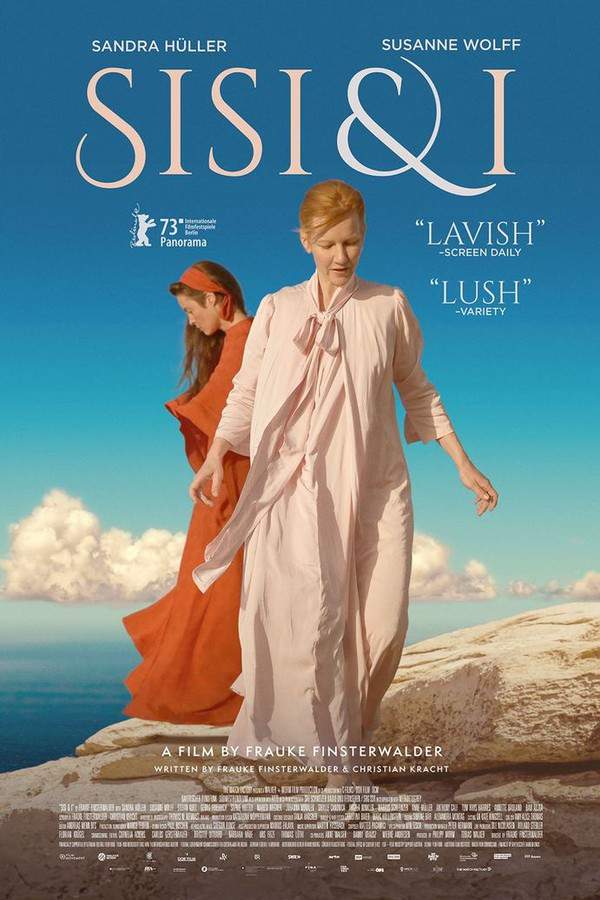
Sisi & I (2024) Film Overview & Timeline
Hotel Sacher (1000) Full Summary & Key Details
Sibyl (2019) Full Movie Breakdown
Kronprinz Rudolf (1000) Plot Summary & Ending Explained
Lissi and the Wild Emperor (2007) Detailed Story Recap
Elisabeth (2005) Movie Recap & Themes
Sissi: The Young Empress (1956) Film Overview & Timeline
Mayerling (1968) Detailed Story Recap
Sissi (1955) Full Movie Breakdown
Hotel Sacher (1939) Plot Summary & Ending Explained
Mayerling (1936) Full Movie Breakdown
Sissi - Forever My Love (1962) Full Summary & Key Details
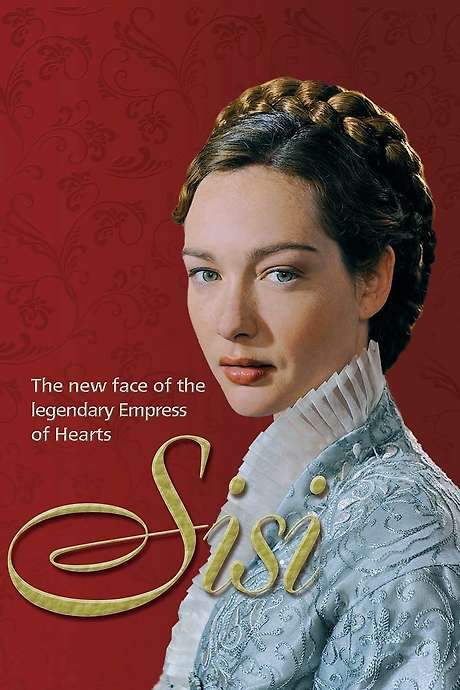
Sisi (1000) Spoiler-Packed Plot Recap
Senso (1954) Story Summary & Characters