Plot Explained Spoilers guaranteed!
Plot Explained

Browse by genre

Shooting Dogs (2005) movie poster

Timeline

Shooting Dogs (2005) Timeline Explained – Every Event in Order

Release, runtime and language
2005 · 115 mins · English
Directed by
Michael Caton-Jones
Starring
John Hurt, Steve Toussaint, Hugh Dancy, David Gyasi, Dominique Horwitz, Nicola Walker

When the Rwandan genocide erupts, a Western priest and a schoolteacher find themselves trapped in the chaos. Forced to choose between risking their own lives to shelter fleeing refugees or fleeing to safety, they confront a harrowing moral dilemma. The drama follows their real‑life struggle to act against unimaginable horror.

On this page (5)
  1. 1 Events in order (12)
  2. 2 Timeline questions answered
  3. 3 Movie threads
  4. 4 Movies like Shooting Dogs
  5. 5 Every angle

12 events in order · contains spoilers

Shooting Dogs Timeline: Events in Chronological Order

Every key event of Shooting Dogs (2005) in order, scene by scene, with when and where it takes place. Use it to untangle flashbacks, time jumps and parallel storylines, to refresh your memory before the sequel or to find the exact scene you are thinking of.

  1. Violence escalates at the École as night falls

    The night of 6 April 1994 brings distant explosions and gunfire, signaling the violence to come. Captain Delon orders the perimeter fortified and the school becomes a makeshift fortress. Refugees flood in, and Joe grows protective while his bond with Marie deepens in the looming chaos.

    When
    Night of 6 April 1994
    Where
    École Technique Officielle, outside Kigali
  2. Morning search and refugees’ protection

    Joe goes to Marie’s house to fetch her, only to find it empty except for a dog. The front is blocked by a Hutu mob, while Marie slips in through the rear as refugees organize under Roland. A growing split forms as foreign refugees receive better quarters, frustrating Father Christopher.

    When
    Morning of 7 April 1994
    Where
    Outside the school and Marie’s home vicinity
  3. Joe seeks media attention to the world

    With danger mounting, Joe urges Captain Delon to bring in Rachel, a BBC journalist, hoping television coverage will spur outside relief. Delon’s stance hardens after reports of massacres against Belgian troops, dampening his initial cooperation. Joe remains determined to shine a light on the refugees’ plight.

    When
    Evening 7 April 1994
    Where
    School command area
  4. Road to fetch journalists with François

    Joe enlists his Hutu friend François to escort him to find Rachel and her cameraman. They persuade the journalists to come to the school by insinuating that Europeans are inside. On the return trip, they are stopped at a roadblock and dragged from the vehicle at gunpoint.

    When
    Evening 7 April 1994
    Where
    Road near the school
  5. Journalists witness brutality and division widens

    At the roadblock, Rachel negotiates to pass, but violence erupts as a Tutsi man is hacked to death and François appears among the mob with a bloody blade. François arranges for the journalists to pass, but the moment fractures Joe’s view of neutral reporting and strains his friendship with François. The brutality makes the conflict personal for him.

    When
    Shortly after the journalist arrival
    Where
    Roadblock vicinity
  6. Interview exposes UN mandate limits

    During a tense interview, Rachel questions why the troops won’t intervene and challenges the UN mandate. Delon defends the need for political backing and intervention without relief, signaling the political constraints at play. The exchange sharpens the moral dilemma facing everyone inside the compound.

    When
    During interview
    Where
    Makeshift command post
  7. Father Christopher tends to a newborn

    Subtly rising above the chaos, Father Christopher helps deliver Edda’s baby, offering a small beacon of hope. He then seeks medicine for the infant from a nearby convent, bribing guards and lying that the child is Hutu to secure aid. The infant becomes a fragile moment of solace amid the siege.

    When
    Mid-late event
    Where
    Near the school and at a nearby convent
  8. Convent attacked; barricades reinforced

    Returning with medicine, Christopher discovers the convent attacked and the hurdlers lent for the roadblocks repurposed as barricades. The scene underscores the brutality and the moral compromises forced on those inside. The sense of sanctuary collapses as violence encroaches from every side.

    When
    Later that day
    Where
    Convent and roadblock outskirts
  9. French troops arrive and evacuation begins

    French troops arrive but say they’re there for French refugees only. Delon’s temper flares, yet he agrees to evacuate all Europeans. Rachel departs with the French convoy, and Joe is urged to leave as well, deepening the sense of a fragile lifeline slipping away.

    When
    Evening
    Where
    School gates
  10. A rear escape ends in massacre

    A last-ditch rear escape by refugees, including Edda, is ambushed by the mob; most are killed, and Edda and her baby fall victim to the crush of violence. Delon orders a withdrawal as the Belgians prepare to depart, while Roland pleads for a decisive act that never comes. Joe leaves with Delon, leaving Marie behind and whispering a final, sorrowful apology.

    When
    Massacre moment
    Where
    Roadblock/front of the school
  11. Christopher sacrifices to save children

    With danger intensifying, Christopher stays behind but smuggles a small group of children out in the back of the school truck, including Marie, intending to return for more. As he departs, the mob attacks the remaining refugees with renewed fury. The moral calculus of saving lives at great personal risk becomes painfully clear.

    When
    Shortly after Joe's departure
    Where
    Back of the school truck and surrounding grounds
  12. Epilogue: faces the aftermath

    In the epilogue, Marie finds Joe again and he is now a teacher at Christopher’s former school; they briefly reflect on their shared experiences. The film closes with factual notes about the genocide in Rwanda and personal reflections from crew members who lived through the days, grounding the tragedy in real history.

    When
    Post-crisis epilogue
    Where
    Now, at the former school and in the closing notes

Last updated: October 09, 2025 at 16:46

Was this helpful?

Timeline questions answered

Shooting Dogs Timeline Explained: Your Questions Answered

When does it happen, and why in that order? The questions people ask about the chronology of Shooting Dogs (2005): time jumps, flashbacks, cause and effect between scenes and the correct order of events, each answered with spoilers.

Q1

Why did Joe leave Marie behind when he evacuated with the troops?

Joe was forced to leave Marie behind because Captain Delon refused to allow any locals on the evacuation trucks, which were only meant for Europeans. Joe tried to negotiate for Marie to take his place, but Delon rejected this. Overwhelmed and unable to force the situation, Joe ultimately boarded the truck, whispering "I'm sorry" to Marie as he left. This decision haunted him, and in the epilogue, he remains at the school as a teacher, suggested to be partly penance for abandoning her.

Foreshadowing: Earlier, Joe had grown emotionally bonded to Marie and the school community, making his departure a painful betrayal of that bond.

  • joe
  • marie
  • evacuation
  • delon
  • guilt
  • abandonment
Q2

Why didn't Captain Delon's UN troops intervene to stop the killings?

Captain Delon maintained that his mandate only authorized him to protect Europeans and required political backing from the UN before he could take offensive action against the Hutu mobs. During a tense interview with Rachel, Delon defended his position, stating he could not act without authorization. He did request a mandate change but received no response or relief. This stuck strictly to the Rules of Engagement that governed the peacekeeping mission, even as massacres occurred within sight of his position.

Foreshadowing: Early in the film, reports indicate the UN mandate seems ill-suited to stop the violence, and news of Belgian troops being massacred hardens Delon's already cautious stance.

  • delon
  • un mandate
  • peacekeeping
  • intervention
  • genocide
  • rwanda
Q3

Why was François (Joe's Hutu friend) part of the mob at the roadblock?

François accompanied Joe to fetch the BBC journalist and helped negotiate their passage through the roadblock. However, when the group was stopped, François was seen among the mob wielding a bloody machete, appearing to participate in the violence. He arranged for the journalists to pass, but this moment shattered Joe's perception of his friend and revealed how the genocide forced impossible choices on ordinary people, François may have joined the mob for survival or faced coercion, though the film leaves this ambiguous.

Foreshadowing: Joe had trusted François as a friend and enlisted him for the dangerous mission, making the betrayal (or forced complicity) deeply personal.

  • francois
  • joe
  • mob
  • roadblock
  • participation
  • survival
Q4

Why did Father Christopher lie about the baby's ethnicity to get medicine?

Father Christopher lied and said the newborn was Hutu when obtaining medicine from a convent because the surrounding area had become hostile, Tutsi people were being targeted and killed. By claiming the baby was Hutu, he ensured the convent would help. This moral compromise exemplifies the impossible choices faced by those trying to survive the genocide, where telling such lies became a matter of life and death.

Foreshadowing: Earlier, Christopher had helped deliver Edda's baby, which became a rare source of solace amid the chaos, making his desperate attempt to save the infant's life deeply motivated.

  • christopher
  • baby
  • hutu
  • medicine
  • lie
  • survival
  • compromise
Q5

Why did the French troops only evacuate European refugees?

The French troops arrived at the school but explicitly stated they were there only to evacuate French citizens and other Europeans. They refused to take any Rwandan refugees, despite the desperate situation. This reflected the broader failure of international forces during the genocide, national interests protected their own citizens while doing nothing to stop the mass killings occurring around them.

Foreshadowing: The film's narrative consistently highlights the inadequacy and self-interest of international intervention throughout the crisis.

  • french
  • troops
  • evacuation
  • europeans
  • refugees
  • rescue
Q6

What happened to Edda and her baby during the escape attempt?

Edda, the refugee woman whom Father Christopher had helped deliver a baby earlier, attempted to escape with other refugees through a rear exit. However, the group was ambushed by the mob, and most were killed. Edda and her baby were specifically targeted and slain, the tragic end of the brief hope the newborn had brought to the compound. This event underscores the futility of escape attempts and the targeting of even the most vulnerable.

Foreshadowing: Christopher had personally delivered the baby and sought medicine for it, making Edda's fate a devastating personal loss for him.

  • edda
  • baby
  • escape
  • ambush
  • massacre
  • death
Q7

Why did Roland plead for Captain Delon to shoot the refugees?

Roland, a leader among the refugees, begged Delon to shoot the remaining refugees rather than leave them to be massacred by the mob when the Belgian forces withdrew. Roland believed a quick death at the hands of soldiers would be more merciful than the brutal torture and killing they would endure from the mob. This extreme request reflects the desperate hopelessness of their situation and the moral anguish of facing inevitable slaughter.

Foreshadowing: The mob had already killed many refugees, and the imminent withdrawal left no protection for those inside the compound.

  • roland
  • delon
  • refugees
  • mercy killing
  • desperation
  • surrender
Q8

Why did Joe want to bring the BBC journalist to the school?

Joe believed that bringing in Rachel, a BBC journalist, would force the outside world to witness the genocide unfolding at the school. He hoped television coverage would generate international pressure and prompt relief operations to intervene and save the refugees. This reflected Joe's conviction that the world's ignorance was complicit in the massacre and that exposing the truth could change the outcome.

Foreshadowing: Early in the film, Joe is frustrated by the whispers of violence and the lack of concrete action, driving him to seek any means of drawing attention.

  • joe
  • rachel
  • bbc
  • journalist
  • media
  • coverage
  • intervention
Q9

What happened to the children Father Christopher tried to save?

Father Christopher stayed behind when the Belgians withdrew and managed to smuggle a small group of children, including Marie, in the back of the school truck, intending to return for more. However, the moment he left with the children, the mob attacked and massacred the remaining refugees inside the compound. Marie successfully escaped with the children, slipping away from a roadblock, but the rest were killed.

Foreshadowing: Christopher had previously taken hurdlers to reinforce barricades and discovered the nuns at a convent had been killed, indicating the mob's proximity and intent.

  • christopher
  • children
  • marie
  • truck
  • escape
  • massacre
  • survival
Q10

Why did Joe whisper "I'm sorry" to Marie as he left?

Joe whispered "I'm sorry" to Marie because he was abandoning her and the other refugees while escaping to safety. Despite his efforts to bring journalists and negotiate for her evacuation, he was ultimately unable to save her. The apology reflects his guilt at prioritizing his own survival over staying with the community he had grown to care for, particularly his bond with Marie.

Foreshadowing: Joe had driven to Marie's house to fetch her as the violence began and had become emotionally tied to her throughout the crisis.

  • joe
  • marie
  • sorry
  • guilt
  • departure
  • abandonment
Q11

Why did François help the journalists pass the roadblock after being in the mob?

Despite being seen among the mob with a bloody machete, François arranged for Rachel and her cameraman to pass through the roadblock. This contradictory behavior suggests the complex realities of the genocide, participants in the mob sometimes still maintained connections to friends or acted under coercion. François likely helped the journalists as a way to preserve his relationship with Joe or as a remnant of his pre-genocide identity, though the film leaves his exact motivations unclear.

Foreshadowing: Joe had trusted François enough to enlist him for the dangerous mission, making this help consistent with their prior friendship.

  • francois
  • journalists
  • roadblock
  • pass
  • mob
  • ambiguity

Movie threads

More Movies Like Shooting Dogs, by Mood & Story

Curated lists built around what makes Shooting Dogs tick: the same mood, the same kind of story or the same emotional payoff. Each list explains why these movies belong together.

Moral crisis dramas like Shooting Dogs

Stories where ordinary people face impossible ethical choices under immense pressure. If you were gripped by the ethical dilemmas in Shooting Dogs, explore more movies like it. This section features films centered on moral choices during real-world conflicts, historical atrocities, and survival scenarios, offering similarly intense and thought-provoking narratives.

  • morally complex
  • tense
  • harrowing
  • somber
  • urgent
  • desperate
  • Tone: dark, morally complex, harrowing
  • Pacing: steady, urgent
Why these movies?

The story pattern: Films in this thread typically follow a linear, escalating crisis where characters are trapped by circumstances beyond their control. The central conflict is internal and external: a struggle between self-preservation and altruism, set against a backdrop of systemic failure and brutality. The journey is defined by a series of increasingly difficult choices with profound consequences.

Why they belong together: These movies are grouped together because they share a core focus on the human capacity for good and evil during extreme events. They create a similar atmosphere of urgent ethical tension, using realistic settings to explore themes of sacrifice, duty, and survival, resulting in a deeply impactful and morally complex experience.

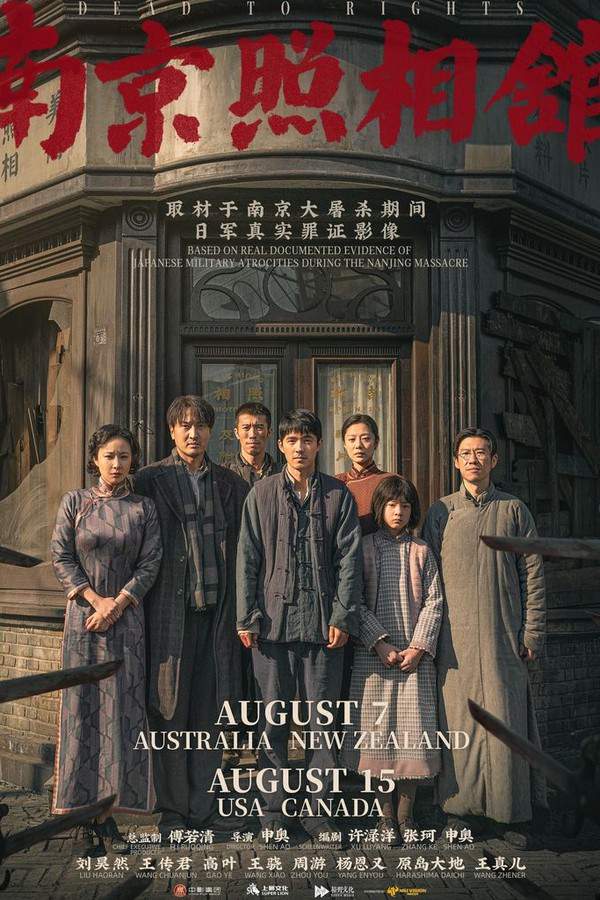
Bleak siege survival movies similar to Shooting Dogs

Films about groups trapped and abandoned, fighting for survival against overwhelming odds. For viewers who appreciated the trapped, escalating tension of Shooting Dogs, this collection highlights similar films. Discover movies about groups under siege, abandoned by failing institutions, battling for survival in a confined space against a relentless external threat.

  • claustrophobic
  • tense
  • oppressive
  • desperate
  • gripping
  • somber
  • Tone: oppressive, tense, bleak
  • Pacing: steady, escalating
Why these movies?

The story pattern: The narrative pattern involves a group seeking refuge in a location that becomes both sanctuary and prison. The story unfolds as a countdown, with supplies, hope, and safety dwindling as negotiations fail and defenses weaken. The structure is claustrophobic and linear, focusing on the group's dynamic and the slow, crushing realization that rescue is not coming.

Why they belong together: These films share a specific, potent combination of a confined setting, a relentless external threat, and the thematic backbone of institutional abandonment. They generate a similar feeling of claustrophobic dread, collective tension, and a bittersweet or bleak outlook, making the viewing experience intensely gripping and oppressive.

If you liked this

Movies Like Shooting Dogs

Similar movies to Shooting Dogs: the same genre, themes or kind of story. Each one comes with its own plot summary, timeline and ending explained.

Browse all movie summaries

Every angle

Shooting Dogs (2005) Explained: Plot, Timeline & Characters

Everything about Shooting Dogs in one place: what happens in the plot summary, the timeline in chronological order, the characters and meaning and a spoiler-free summary. What's After the Movie adds the cast, box office and post-credit scenes.

Coming soon on iOS and Android

The Plot Explained Movie Summary App

Plot summaries, endings explained and timelines on your phone. Catch up on any movie in minutes, save your favorites and never miss a twist again.

Be the first to know when we launch. Your email stays private, always.

Learn more about the app