
Choices of the Heart
Year: 1983
Runtime: 100 mins
Language: English
Director: Joseph Sargent
Jeannie Donovan, a party‑girl searching for meaning, travels to El Salvador and becomes involved with three American nuns amid the civil war. She faces love, loss and terror as the story recounts the true 1980 murder of four U.S. churchwomen in the countryside and the U.S. government’s indifferent response.
Warning: spoilers below!
Haven’t seen Choices of the Heart yet? This summary contains major spoilers. Bookmark the page, watch the movie, and come back for the full breakdown. If you're ready, scroll on and relive the story!
Choices of the Heart (1983) – Full Plot Summary & Ending Explained
Read the complete plot breakdown of Choices of the Heart (1983), including all key story events, major twists, and the ending explained in detail. Discover what really happened—and what it all means.
As the film opens, Jean Donovan [Melissa Gilbert] and Sister Dorothy Kazel [Pamela Bellwood] meet Sisters Maura Clarke [Mary McCusker] and Ita Ford [Mari Gorman] at the El Salvador airport, and the four pile into a van driven by Jean for the trip back to the mission where Jean and Dorothy live and work. Shortly after leaving the airport, the van is stopped by a group of armed soldiers. The women then go missing, and the US Ambassador to El Salvador, Robert White [Mike Farrell], searches for them, repeatedly following leads and clues that point toward a dangerous eventual truth. His investigation is interwoven with intimate flashbacks that trace Jean’s life from college to her surprising transformation, offering a window into the person behind the mission.
In Dublin, during a study abroad year, Jean drinks and parties with friends until she is approached by Father Phelan [Martin Sheen], a Catholic priest asking for help with his ministry to the local poor. At first, Jean is skeptical and self-centered, but gradually she becomes drawn to service and justice, finding a new purpose beyond a comfortable, materialistic life. Back home in the United States, she climbs the corporate ladder at a high-paying firm, indulging in expensive toys like a new car and a motorcycle, yet a growing restlessness gnaws at her. A serious relationship with medical student Doug Cable [Peter Horton] adds more color to her life, but she feels a pull toward something more meaningful. When a Catholic lay missionary program invites her to serve, she accepts and heads to El Salvador, joining Dorothy Kazel in the work among the local poor.
Jean’s bold, uncompromising stance against injustice soon brings her into sharp conflict with the Salvadoran military, a force that operates with heavy-handed authority in a climate tainted by external political pressure. The atmosphere grows increasingly perilous as a mutual attraction develops between Jean and Armando [Demián Bichir], a young man who is discerning a path toward priesthood. Armando slips into Jean’s world at night, and their bond deepens even as they know their romance is complicated by the danger surrounding them. Jean’s charisma and courage inspire many, but they also draw the ire of those who want to keep the status quo intact. The escalating tension is underscored by Archbishop Oscar Romero [René Enríquez], a figure beloved by the people for his outspoken defense of the oppressed, who is eventually assassinated for speaking out against the regime’s abuses.
Despite mounting grief and an ever-present threat from Doug—who warns that their relationship could falter if she does not return to the US—Jean cannot abandon her Salvadoran wards and the children she has grown to love. Her fierce dedication to stay with the people she serves becomes a moral test she cannot easily pass. The story crescendos in a brutally stark turn: a military death squad rapes, tortures, and murders Jean along with the three religious sisters she was driving to the mission house. Ambassador White’s pursuit of justice for Jean and her companions is impeded by a complex web of noncooperation from both the Salvadoran authorities and, frustratingly, the US government, leaving a chilling question of accountability in the wake of a devastating tragedy.
Last Updated: November 22, 2025 at 16:00

Explore Movie Threads
Discover curated groups of movies connected by mood, themes, and story style. Browse collections built around emotion, atmosphere, and narrative focus to easily find films that match what you feel like watching right now.
True political tragedy movies like Choices of the Heart
Sobering dramas where political violence shatters the lives of ordinary people.If you were gripped by the sobering true story of Choices of the Heart, explore more movies like it. These films dramatize real-life political conflicts and human rights crises, focusing on the devastating personal impact of violence and government indifference. They share a heavy emotional weight and a bleak, thought-provoking tone.
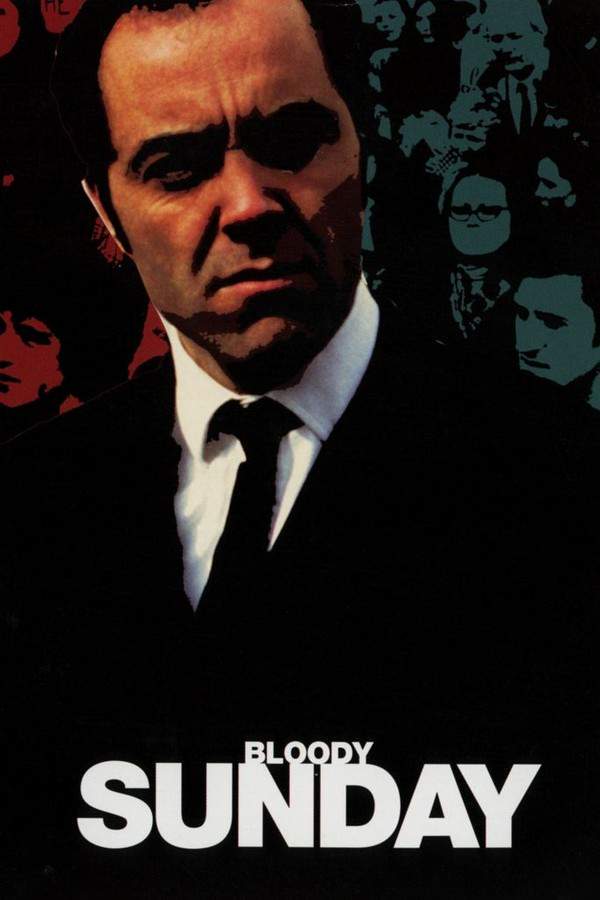
Bloody Sunday
2002

The Tragedy of Macbeth
2021

Memories of Murder
2005

Truth About Kerry
2010

Murdered By My Boyfriend
2014

Left Right Left
2013

The Truth Beneath
2016

Collective
2019

Koodal Nagar
2007
Choices of the Heart
1983

A Man of Principle
1984

A Short Film About Killing
1988

Colonel Redl
1985

After the Curfew
1954

Burnt by the Sun
1994
Narrative Summary
Stories in this thread typically follow individuals or small groups who become entangled in larger political conflicts, often with a known, tragic outcome. The narrative builds steadily towards this inevitable conclusion, emphasizing the courage and sacrifice of its subjects against an indifferent or hostile system. The journey is one of awakening and devastating loss.
Why These Movies?
Movies are grouped here because they share a commitment to telling fact-based stories of political martyrdom and oppression. They possess a high emotional intensity, a dark and somber tone, and a pacing that methodically leads to a devastating endpoint, creating a cohesive experience of historical reckoning and moral inquiry.
Movies about spiritual crisis like Choices of the Heart
Characters who find purpose and faith tested by extreme danger and violence.For viewers who connected with the spiritual journey in Choices of the Heart, this list features similar movies about personal transformation amid chaos. These films explore characters finding or questioning their faith and purpose while confronting violence and oppression, blending heavy drama with deep thematic questions about sacrifice and belief.

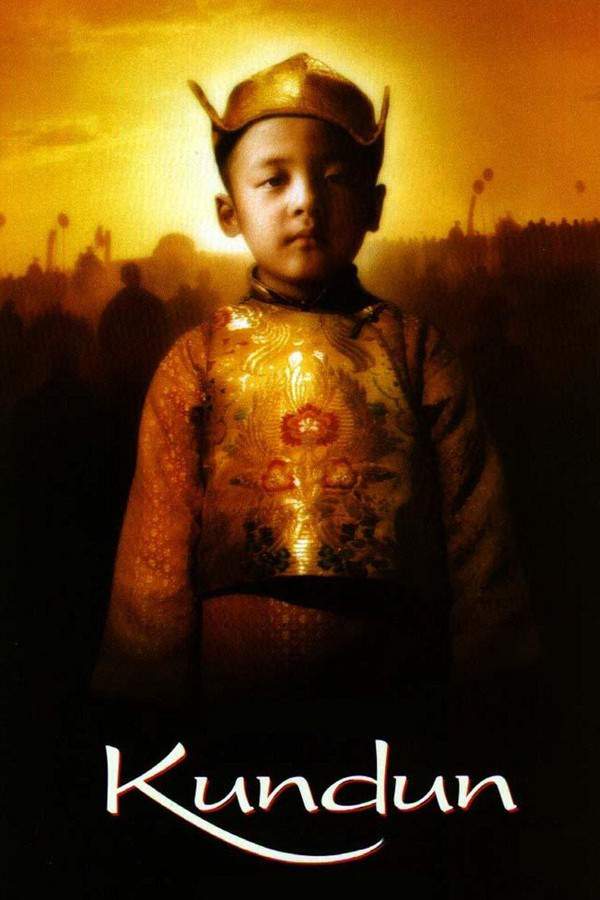
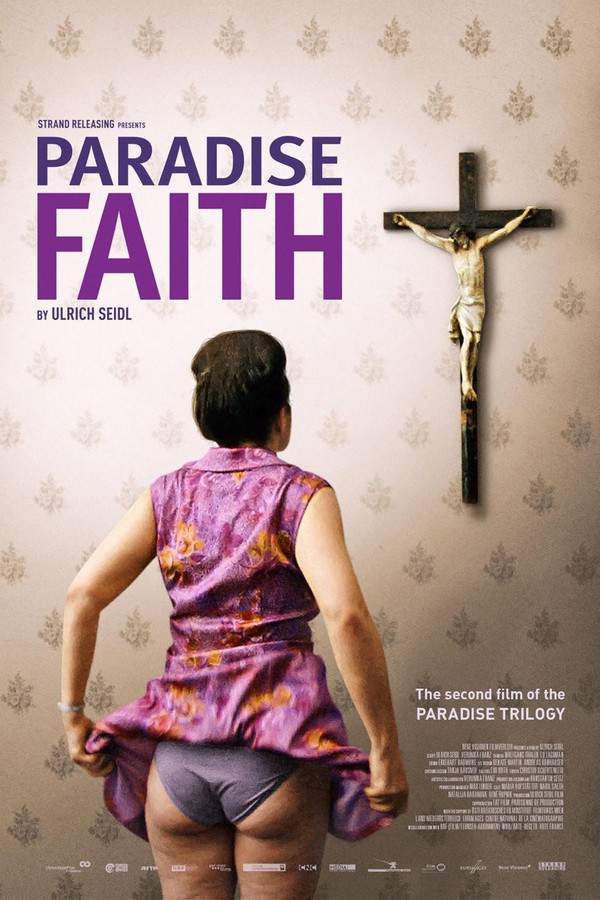







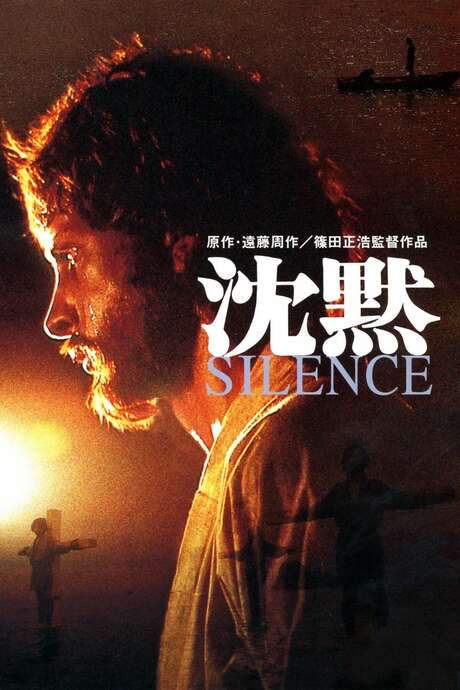

Narrative Summary
The narrative pattern involves a character's journey from uncertainty or disillusionment to a place of danger, where they encounter individuals living by a powerful creed. Through this exposure and the ensuing threats, the protagonist undergoes a deep internal shift, prioritizing service, sacrifice, or a newfound conviction over personal safety, often culminating in a tragic but spiritually resonant endpoint.
Why These Movies?
These movies are grouped by their central focus on a character's spiritual or existential crisis set against a backdrop of war or oppression. They share a heavy emotional weight, a somber and tense mood, and a thematic focus on the cost of conviction, creating a powerful blend of internal character development and external, high-stakes conflict.
Unlock the Full Story of Choices of the Heart
Don't stop at just watching — explore Choices of the Heart in full detail. From the complete plot summary and scene-by-scene timeline to character breakdowns, thematic analysis, and a deep dive into the ending — every page helps you truly understand what Choices of the Heart is all about. Plus, discover what's next after the movie.
Choices of the Heart Timeline
Track the full timeline of Choices of the Heart with every major event arranged chronologically. Perfect for decoding non-linear storytelling, flashbacks, or parallel narratives with a clear scene-by-scene breakdown.

Characters, Settings & Themes in Choices of the Heart
Discover the characters, locations, and core themes that shape Choices of the Heart. Get insights into symbolic elements, setting significance, and deeper narrative meaning — ideal for thematic analysis and movie breakdowns.



Similar Movies to Choices of the Heart
Discover movies like Choices of the Heart that share similar genres, themes, and storytelling elements. Whether you’re drawn to the atmosphere, character arcs, or plot structure, these curated recommendations will help you explore more films you’ll love.









Explore More About Movie Choices of the Heart
Choices of the Heart (1983) Scene-by-Scene Movie Timeline
Choices of the Heart (1983) Movie Characters, Themes & Settings
Choices of the Heart (1983) Spoiler-Free Summary & Key Flow
Movies Like Choices of the Heart – Similar Titles You’ll Enjoy
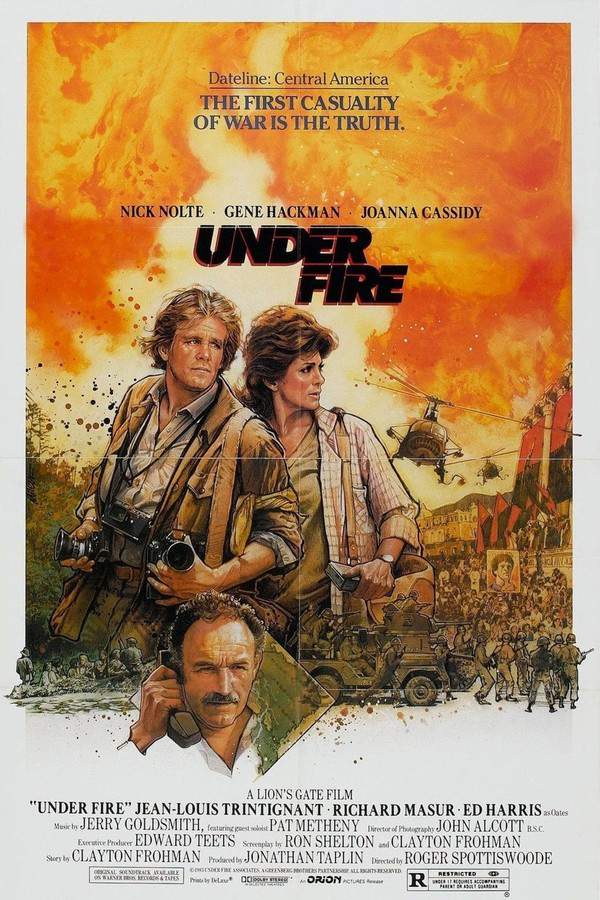
Under Fire (1983) Story Summary & Characters
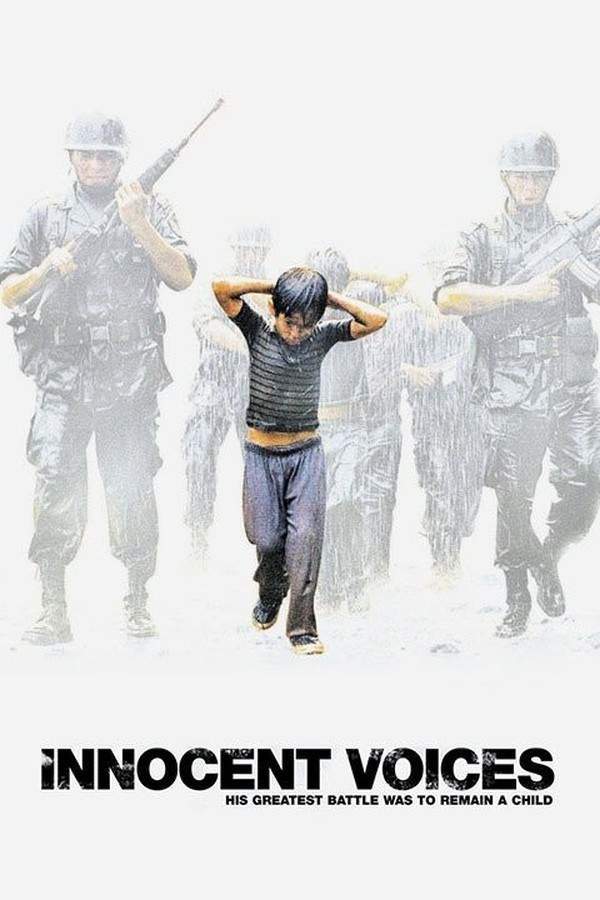
Innocent Voices (2005) Movie Recap & Themes
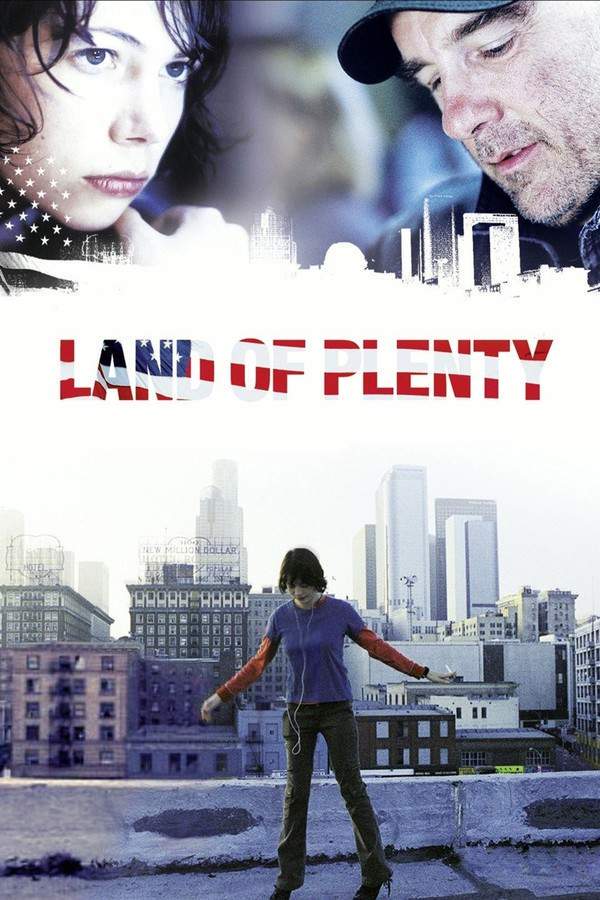
Land of Plenty (2005) Full Movie Breakdown
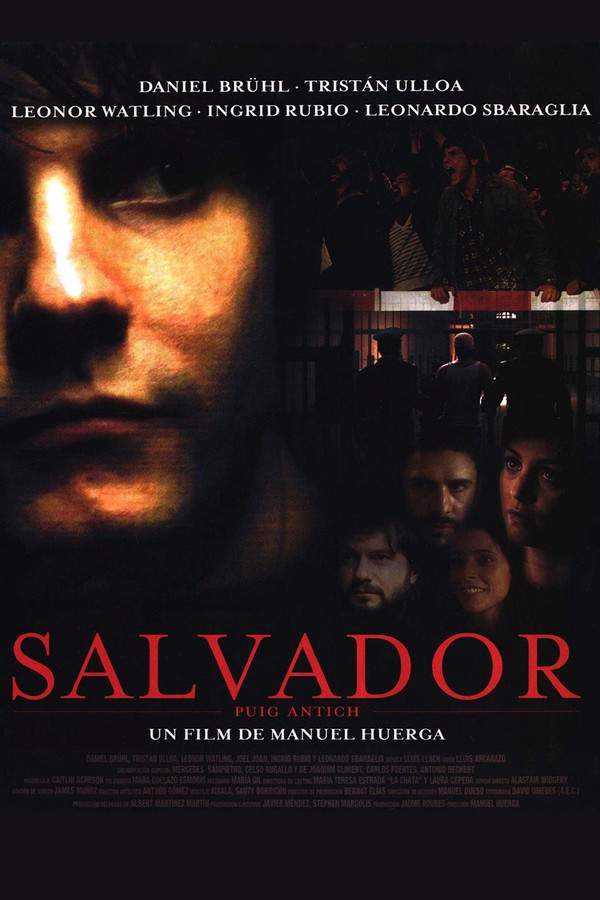
Salvador (1986) Complete Plot Breakdown
The Choice (2016) Full Summary & Key Details
Shot in the Heart (2002) Complete Plot Breakdown
Gracie’s Choice (2004) Complete Plot Breakdown
Heart of a Stranger (2002) Movie Recap & Themes
Heartaches (1981) Complete Plot Breakdown
Hard Choices (1985) Story Summary & Characters
Choices (1986) Story Summary & Characters
Hostile Intentions (1995) Plot Summary & Ending Explained
Her Desperate Choice (1996) Movie Recap & Themes
Heart of Fire (2008) Movie Recap & Themes
Corazón salvaje (1968) Spoiler-Packed Plot Recap