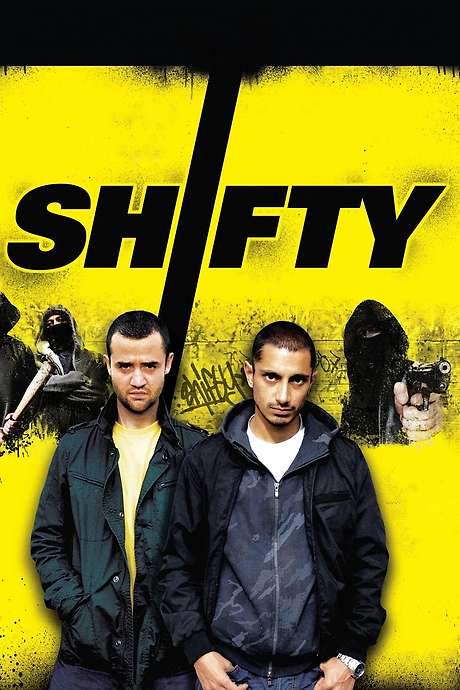
Four years have passed since Chris, Daniel Mays left his hometown behind to chase a steadier, more responsible life—one that includes a mortgage, a solid job, and a schedule that keeps him on track. He returns for what looks like a simple night out to attend a party, but his real motive is to reconnect with his old friend Shifty, Riz Ahmed, the man he once knew best and left behind. The reunion is punctuated by warmth and awkwardness, as Chris navigates the emotional terrain of a friendship that has been strained by distance and time. The tone remains measured, yet the undercurrents are clear: the past isn’t ready to stay buried, and the present is about to collide with it in unexpected ways.
Chris’s return comes with a hard truth that lands with a silent thud: Shifty has been deeply involved in cocaine dealing for some time, a dangerous life sustained by the double-dealing Glen, Jason Flemyng. The news rocks Chris, and the two men must readjust their relationship in the light of a reality neither of them anticipated. Shifty is glad to see Chris, but the past lingers between them, and it’s clear that Shifty hasn’t fully forgiven the choices that drove Chris away. The dynamic is delicate, balancing old affection with newly realized consequences, and the tension is felt as much as it is seen in their interactions.
What follows are twenty-four hours that hinge on a single, volatile premise: Chris watches Shifty navigate a day of dealing, moving through encounters with a range of increasingly desperate customers from the community. Each interaction reveals different facets of Shifty’s predicament, while also exposing the fragility of the life he’s caught up in. The story unfolds with a quiet intensity, holding the viewer in the tension of every exchange, every glance, and every decision that could tip the balance between loyalty and harm. The mood is taut, grounded, and ultimately human, as the film asks how far friendship can bend before it breaks.
Throughout this day, the ghosts of the past rise to the surface, challenging the men to face what drove Chris away and what pushed Shifty toward a perilous path. The audience is invited to witness how those old wounds influence present choices and how restored trust can emerge from shared peril. The friendship is tested again, not merely through words but through choices that carry real weight. Chris is given another chance to prove his loyalty to Shifty, not as a gesture from the past but as a commitment that could steer Shifty away from himself and toward a safer, steadier future.
As the hours slip by, the men wrestle with the uncomfortable truth that loyalty isn’t a fixed line—it’s a fragile, evolving bond that can endure only if both sides are willing to confront what lies beneath the surface. The narrative does not offer easy answers; instead, it presents a granular, unflinching look at how past loyalties and present dangers collide. In the end, the story hinges on whether Chris can act in a way that truly helps Shifty, or if the gravity of what’s happening will pull them both deeper into a cycle that seems almost inevitable. The result is a stark, intimate portrait of friendship under pressure, a day-long test that asks: what are you willing to do for someone you once believed you could never leave behind?