Plot Explained Spoilers guaranteed!
Plot Explained

Browse by genre

36 Hours to Kill (1936) movie poster

Plot Summary

36 Hours to Kill (1936) Plot Summary Explained

Release, runtime and language
1936 · 66 mins · English
Loading streaming availability…
Directed by
Eugene Forde
Starring
Paul Fix, Paul McVey, Harry Bernard, Dickie Jones, Jonathan Hale, Douglas Fowley

Duke and Jeanie Benson are fugitives living under false identities. When Duke discovers that his sweepstakes ticket is a winner worth $150,000, the pair race against time to cash it before the law catches up with them, knowing any misstep could end their freedom.

On this page (6)
  1. 1 Where to watch
  2. 2 What happens: full plot
  3. 3 Plot questions answered
  4. 4 Movie threads
  5. 5 Movies like 36 Hours to Kill
  6. 6 Every angle
Loading streaming availability…

Full plot summary · contains spoilers

What Happens in 36 Hours to Kill: Full Plot Summary

The whole story of 36 Hours to Kill (1936) explained, from the opening scene to the final frame: every key event, every twist and what it all adds up to. Read it as a quick recap before the sequel, to check a scene you missed, or to finally understand what really happened.

Duke and Jeanie Benson, a notorious outlaw couple, are hiding under false identities in a quiet suburban town. Their lives take a turn when Duke reads a newspaper story about a sweepstakes winner who has yet to claim his prize, revealing that Duke himself holds the winning ticket worth $150,000. Realizing his potential to escape his life of crime, Duke becomes determined to claim the jackpot, but he must do so without getting caught by the authorities. Eager for a change, Duke decides to hop on a train heading towards Kansas City, the city where he originally purchased the ticket, while Jeanie plans to fly there with a third person who will claim the winnings on their behalf.

At the train station, Frank Evers, a reporter played by Brian Donlevy, boards the train and immediately crosses paths with Duke, sensing an opportunity for a story. Later, in San Bernardino, another passenger, Anne Marvis, portrayed by Gloria Stuart, boards the train. When she notices the door to Duke’s private car left open, she discreetly hides in his bed, setting the stage for potential complications. Both Duke and Frank find themselves attracted to Anne, creating a complex web of relationships on the journey.

Jeanie, suspecting that Duke's intentions might be more than innocent, boards the train after her plane is grounded, and she quickly becomes suspicious of the growing closeness between Duke and Anne. She pulls a gun, fearing an affair, but Duke eases her worries by claiming that Frank is Anne’s husband, a lie they all participate in to keep the peace. From that point, Frank and Duke, who is actually a G-man, listen through a hidden device to the train conductor's room, gathering intelligence on the couple’s plans. They learn that Jeanie plans to leave Albuquerque by plane and head to Kansas City, where all their plans are set in motion.

Throughout the journey, Duke attempts to flirt with Anne, but she rebuffs him, revealing herself to be more than just a fellow traveler—she's a Los Angeles-based newspaper reporter subpoenaed to testify before a grand jury about a political scandal she uncovered. Her revelation surprises Duke, who is trying to navigate his criminal plans. Frank, still undercover, confronts Anne about her true role, only for her to assert her identity and her commitment to the truth.

As the train continues westward, complications intensify. In Topeka, a porter inadvertently finds the listening device planted in Duke’s room, leading to a scuffle where Duke hits the conductor. Meanwhile, Anne receives a message indicating it’s safe for her to return to Los Angeles and disembarks from the train. Duke, spotting Frank in pursuit, quickly enters a taxi with Anne to hide from the authorities, heading to a sanitarium where Duke’s wife Jeanie is waiting.

At the sanitarium, Jeanie is upset to see Duke with Anne, but their tense reunion is interrupted when they learn that the true lottery winner has already claimed the prize. Duke, desperate to claim his share, sends his lawyer Rickert to challenge the official claim. While Rickert is away, Duke attempts to convince Anne to leave with him after he secures the winnings. She initially agrees, but Duke secretly locks her in her room, planning to escape alone. Jeanie, showing her loyalty, helps Anne by opening her room's shutters, allowing her to escape. Anne manages to hitch a ride on a truck, only to discover that the driver is part of Duke’s gang who returns her to the sanitarium.

The situation escalates when Duke, realizing Jeanie’s involvement, physically assaults her. Frank, disguised as an insurance agent, arrives to support Rickert but arrests the gang as violence erupts. In a final confrontation, Duke pulls out a gun, shoots Frank as police arrive, and tries to take Anne with him. However, Jeanie, in a moment of heroism, shoots Duke, ending his reign of crime. She then breaks down crying over his body, thankful that Anne and the others are safe. The police capture the gang, and Anne, relieved, finds herself free alongside Frank, with the two of them riding the train once more—this time as a married couple, ready to face whatever comes next.

> "You can't run away from your past, but you can make choices about your future."

Last updated: August 19, 2025 at 05:15

Was this helpful?

Plot questions answered

36 Hours to Kill Plot Explained: Your Questions Answered

The questions people ask most about 36 Hours to Kill (1936): what happens in the confusing scenes, why the characters do what they do, the twists, hidden details and what the ending means. Each answer contains spoilers.

Q1

Why is Duke trying to claim the sweepstakes prize if he's actually a G-man?

Duke has been working undercover as a criminal to infiltrate the gang, but he's been living this dangerous double life for so long that he genuinely wants the $150,000 prize to escape his identity as a fugitive and start fresh. The winning ticket represents his chance at a legitimate life away from crime. His lawyer Rickert handles the legal dispute over the prize while Duke attempts to claim it discreetly, using a third party to collect the winnings.

  • duke g-man
  • sweepstakes prize
  • undercover
  • $150000
Q2

Why does Jeanie help Anne escape when she suspected Duke was having an affair?

Despite her suspicion, Jeanie realizes Duke is planning to abandon her and take Anne with the money. When Duke locks Anne in her room to escape alone with the winnings, Jeanie shows her loyalty by opening the shutters, allowing Anne to flee. This act reveals Jeanie's true character, she's willing to help someone in danger even when she feels betrayed, and she chooses justice over her husband's criminal plans.

  • jeanie benson
  • anne escape
  • duke plan
  • loyalty
Q3

Why does Duke lock Anne in her room at the sanitarium?

After winning his share of the prize money through his lawyer Rickert, Duke plans to escape with Anne, but he's not taking Jeanie, he intends to leave his wife behind. By locking Anne in the room, Duke hopes to prevent her from leaving so he can force her to go with him. It's a desperate move to keep his planned escape partner from running away before they can flee together with the money.

  • duke locks anne
  • sanitarium
  • escape plan
  • money
Q4

Is Frank Evers really a reporter or is he also a G-man?

Frank Evers is a G-man working undercover as a reporter. He boards the same train as Duke to gather intelligence on the criminal couple and their gang. Frank works with the train conductor to listen through a hidden device planted in Duke's room, hoping to catch the entire gang when they attempt to claim the prize money.

  • frank ever
  • g-man
  • reporter
  • undercover
  • surveillance
Q5

What happens to the $150,000 sweepstakes prize?

Another man claims the prize first, but Duke sends his lawyer Rickert to dispute the claim with the insurance company handling the contest. Rickert successfully secures Duke's share of the winnings, which motivates Duke to plan his escape with the money. However, the police arrive during the confrontation at the sanitarium before Duke can fully execute his escape.

  • 150000 prize
  • sweepstakes
  • rickert
  • lottery claim
Q6

Why does Jeanie shoot Duke at the end of the movie?

When police arrive, Duke pulls out a gun and shoots Frank, then tries to take Anne with him as he escapes. Jeanie, who has already been betrayed by Duke when he planned to abandon her, makes the critical decision to shoot her husband to prevent him from hurting anyone else. This act ends Duke's reign of crime and saves Anne and the others. Afterward, Jeanie breaks down crying over his body, grieving the man she loved despite his criminal ways.

  • jeanie shoots duke
  • climax
  • police arrive
  • anne rescue
Q7

What is Anne Marvis doing on the train and why is she subpoenaed?

Anne Marvis is a Los Angeles newspaper reporter who uncovered a political scandal so significant that she's been subpoenaed to testify before a grand jury. She's traveling on the train when she boards at San Bernardino and hides in Duke's private car after noticing the door was open. Her commitment to journalistic integrity puts her at odds with Duke's criminal schemes, and she asserts her identity throughout the journey.

  • anne marvis
  • reporter
  • grand jury
  • political scandal
  • subpoena
Q8

What is the hidden listening device in Duke's room used for?

Frank Evers and the train conductor plant a listening device in Duke's private car to monitor his conversations with Jeanie. Through this device, Frank gathers intelligence on their plans to reach Kansas City and claim the sweepstakes prize. The surveillance helps Frank track their movements and coordinate with other G-men to capture the gang. A porter discovers the device in Topeka, leading to a scuffle where Duke hits the conductor.

  • listening device
  • surveillance
  • train conductor
  • frank
  • espionage
Q9

What is the relationship between Duke and Jeanie Benson?

Duke and Jeanie Benson are an outlaw couple living under false identities in a suburban town. Despite their criminal lifestyle, their relationship shows complexity, Jeanie is loyal to Duke even when she suspects he's unfaithful, while Duke ultimately plans to abandon her for Anne and the money. Their toxic but devoted partnership ends tragically when Jeanie must kill her husband to stop his violence.

  • duke jeanie
  • couple
  • outlaw
  • marriage
  • criminal partnership
Q10

How do Frank and Anne end up together at the end?

After Duke is killed and the gang is arrested, Frank is wounded but alive. Anne, who's relieved that Frank survived the shooting, rides the train with him once more, this time as a married couple. Their relationship developed during the dangerous journey as they worked together to survive Duke's schemes and bring the criminals to justice.

  • frank anne
  • married
  • train
  • ending
  • romance
Q11

Why does Jeanie board the train instead of flying to Kansas City?

Jeanie originally plans to fly to Kansas City and have a third party claim the winnings on their behalf to avoid arousing suspicion. However, her plane gets grounded, forcing her to board the train instead. This detour leads to her suspicious encounter with Duke and Anne, setting up the conflict that drives much of the story's tension.

  • plane grounded
  • albuquerque
  • jeanie
  • transportation
Q12

Why does Duke take Anne to a sanitarium?

Duke takes Anne to a sanitarium after she disembarks from the train in Topeka, claiming they need to hide from the authorities. In reality, Duke is keeping Anne close so he can escape with her after collecting the prize money. Jeanie is already waiting at the sanitarium, and it's here that Duke's final plan to abandon his wife and flee with Anne unfolds.

  • sanitarium
  • duke anne
  • hiding
  • escape plan

Movie threads

More Movies Like 36 Hours to Kill, by Mood & Story

Curated lists built around what makes 36 Hours to Kill tick: the same mood, the same kind of story or the same emotional payoff. Each list explains why these movies belong together.

Movies with fugitives on the run like 36 Hours to Kill

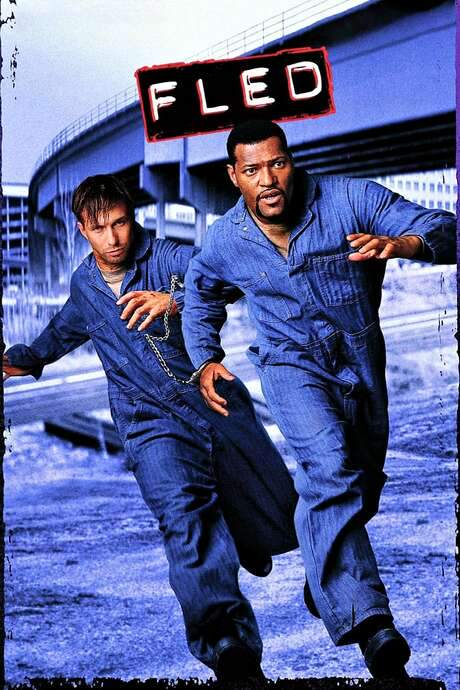
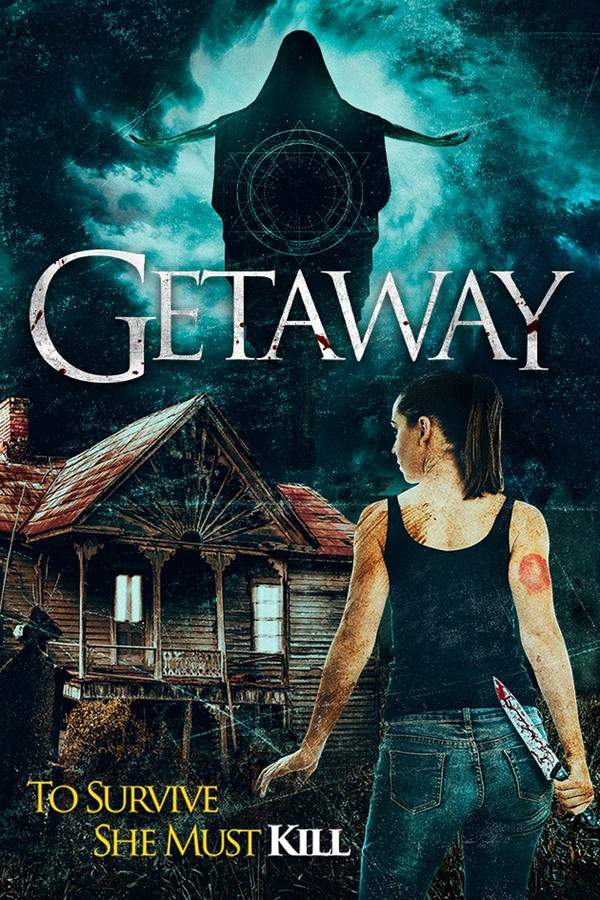
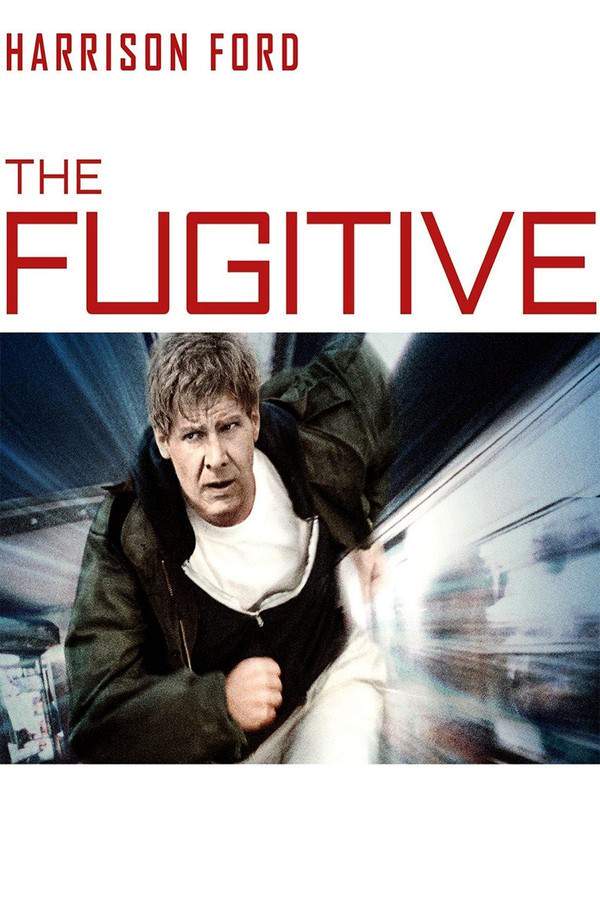
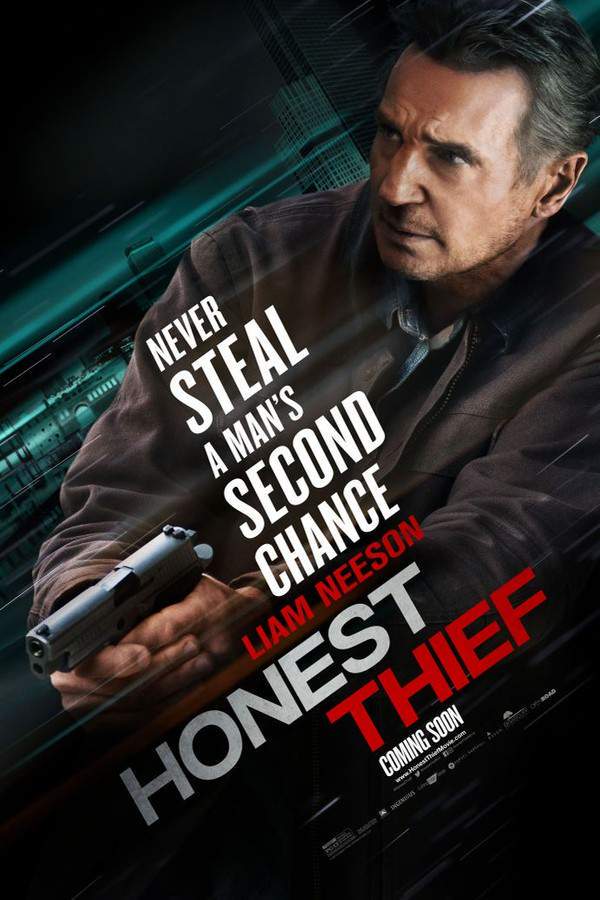
Desperate characters with one last chance, pursued by forces closing in. Discover similar movies like 36 Hours to Kill where fugitives are desperately racing against a deadline. If you enjoyed the relentless chase and high-stakes tension of characters living under false identities, this thread will guide you to other thrilling, fast-paced crime dramas.

  • tense
  • desperate
  • suspenseful
  • paranoid
  • frantic
  • high-stakes
  • Tone: tense, desperate
  • Pacing: fast, relentless
Why these movies?

The story pattern: The narrative pattern follows protagonists who are fugitives, often living under aliases, who see a fleeting opportunity for redemption or escape. The plot is structured around a literal or figurative countdown, forcing them into a series of risky gambles and close calls as their web of lies threatens to collapse.

Why they belong together: Movies are grouped here for their core premise of a desperate race against time, shared atmosphere of high-tension paranoia, and fast-paced plotting that keeps viewers on edge. They explore the psychological toll of life on the run and the moral compromises made under pressure.

Crime movies with bittersweet endings like 36 Hours to Kill

Criminal ambitions end in a mix of tragedy and partial redemption. Find more movies like 36 Hours to Kill that feature crime stories concluding with a bittersweet or mixed ending. If you appreciated the film's blend of tragic consequences for some characters and hopeful resolutions for others, explore this collection of morally complex and emotionally resonant dramas.

  • tense
  • tragic
  • morally complex
  • anxious
  • greed
  • redemption
  • Tone: tense, tragic
  • Pacing: fast, steady
Why these movies?

The story pattern: The narrative follows a criminal plot driven by greed or desperation, but intertwines the fates of multiple characters. The conclusion resolves the central conflict, but delivers a mixed emotional outcome—often redemption for one arc paired with tragedy for another—avoiding a simple, clean resolution.

Why they belong together: These films are connected by their focus on the moral gray areas of crime and their refusal to provide a uniformly happy or bleak ending. They share a moderate emotional weight and a narrative structure that balances the thrill of the crime with the sobering reality of its aftermath.

If you liked this

Movies Like 36 Hours to Kill

Similar movies to 36 Hours to Kill: the same genre, themes or kind of story. Each one comes with its own plot summary, timeline and ending explained.

Browse all movie summaries

Every angle

36 Hours to Kill (1936) Explained: Plot, Timeline & Characters

Everything about 36 Hours to Kill in one place: what happens in the plot summary, the timeline in chronological order, the characters and meaning and a spoiler-free summary. What's After the Movie adds the cast, box office and post-credit scenes.

Coming soon on iOS and Android

The Plot Explained Movie Summary App

Plot summaries, endings explained and timelines on your phone. Catch up on any movie in minutes, save your favorites and never miss a twist again.

Be the first to know when we launch. Your email stays private, always.

Learn more about the app