Plot Explained Spoilers guaranteed!
Plot Explained

Browse by genre

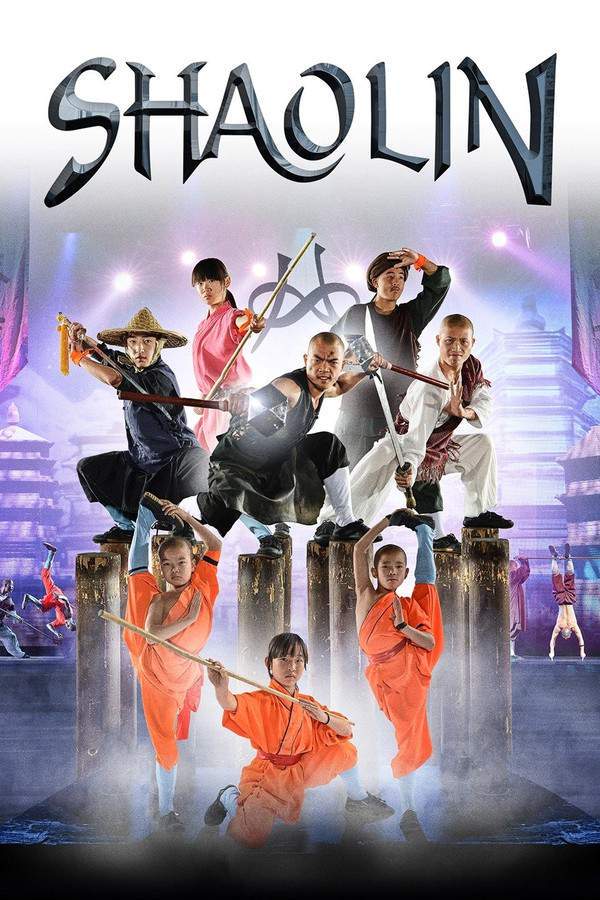
Shaolin Temple (1982) movie poster

Characters & Themes

Shaolin Temple (1982) Characters, Setting & Themes Explained

Release, runtime and language
1982 · 100 mins · Chinese
Directed by
Cheung Sing-Yim
Starring
Jet Li, Ji Chunhua, Henry Fong Ping, Sun Jiankui, Yu Chenghui, Yu Hai

When a Tang general betrays the emperor and crowns himself ruler of the Eastern Capital, the son of a slave under the usurper flees to the Shaolin Temple. There he rigorously trains in kung fu, perfecting the art while sharpening his resolve. Armed with skill and vengeance, he returns to confront and kill the traitor who murdered his father.

On this page (7)
  1. 1 Characters explained (4)
  2. 2 Where & when it takes place
  3. 3 Themes & meaning (3)
  4. 4 Character & meaning questions
  5. 5 Movie threads
  6. 6 Movies like Shaolin Temple
  7. 7 Every angle

4 main characters · contains spoilers

Shaolin Temple Characters Explained: Who Is Who

The main characters of Shaolin Temple (1982), heroes and villains: what drives them, how they change over the course of the story and what each of them reveals about the film's bigger ideas.

  • Jue Yuan (Gong Yuen)

    played by Jet Li

    An escaped rebel who seeks vengeance but is tempered by Shaolin training. He pushes toward mastering Northern Shaolin and, after many trials, embraces the monk’s path, even as he longs to honor his master’s memory. His arc moves from vengeance toward protection of the temple and its people.

    • ⚔️ Vengeful
    • 🧘 Monastic path
    • 🛡️ Protector
  • Bai Wu Xia

    played by Ding Lan

    Sifu’s daughter and skilled kung fu practitioner who aided Jue Yuan. She fled to the Temple with Jue Yuan years earlier and remains a capable ally in the fight to defend the temple and its inmates. Her presence rekindles hope during the temple’s darkest hours.

    • 🗡️ Skilled fighter
    • 🤝 Loyal ally
    • 🌊 River journey
  • Li Shimin

    played by Wong Kwong-Kuen

    Li Yuan’s son, hunted by the Emperor, who seeks a safer path through the Temple. He becomes a symbol of rebellion and eventual Tang ascendancy, aided by the monks as he escapes the pursuing forces. His presence links the temple’s fate to the wider political struggle.

    • 🗡️ Rebel prince
    • 🧭 Alley escape
    • 🏹 Key ally
  • Abbot Fang Zhang

    played by Zhang Jianwen

    Head of the Shaolin temple who embodies restraint and mercy. He orders the monks to avoid fighting, accepts blame to spare the temple, and ultimately sacrifices himself when the temple is under siege. His leadership frames the moral center of the story.

    • 🙏 Moral authority
    • 🕯️ Sacrifice
    • 🛡️ Temple protector

Last updated: October 04, 2025 at 13:14

Was this helpful?

Setting

Where and When Does Shaolin Temple Take Place?

The setting of Shaolin Temple (1982): the year and time period, the places and locations, and how they shape the characters, the mood and the tension of the story.

Time period

Late Sui Dynasty

The story unfolds in the waning years of the Sui dynasty, a time of rebellion, warlord rule, and power struggles. The East Capital and its rival warlords loom large as Emperor Wang Shichong consolidates power. Amid the chaos, Shaolin monks and their young trainee Jue Yuan become pivotal players in the defense of justice.

Location

Shaolin Temple, East Capital (Luoyang), China

Shaolin Temple sits by the river near the East Capital, a renowned Buddhist monastery famed for its martial arts training. The temple’s daily routines of discipline and defense shape the monks who guard it through the siege. Set during a period of political upheaval, it becomes a sanctuary for rebels and a focal point in the struggle between warlords.

  • 🏯 Shaolin Temple
  • 🗺️ China
  • 💧 Riverfront setting

Last updated: October 04, 2025 at 13:14

Was this helpful?

3 major themes

Shaolin Temple Meaning: Themes & Message Explained

What is Shaolin Temple (1982) really about? The emotional, social and philosophical themes the film keeps returning to, its symbolism and the message beneath the surface.

  • Duty & Violence

    Jue Yuan trains at Shaolin to defend others, yet his vengeful impulses threaten to turn his skills toward murder. The Sifu teaches that Shaolin kung fu is for defense, not killing, placing Jue Yuan in a moral conflict. His journey tests whether he can uphold righteous combat without becoming a killer. The eventual vow to protect the innocent marks his path toward a monk’s restraint.

  • Sacrifice & Redemption

    The Temple and its people endure brutal assaults that demand personal sacrifice. Jue Yuan and other monks risk life and limb to save Li Shimin and Bai Wu Xia, even as the Abbey faces destruction. The Sifu’s dying charge and Jue Yuan’s ultimate acts of selflessness seal a redemptive arc. The monk’s vow to non-killing redefines his sense of justice.

  • Loyalty & Justice

    Loyalty to the Shaolin Temple drives the monks to defend their home against a superior army. The Abbot accepts responsibility to spare the Temple, even at the cost of his life. The rescue of Li Shimin and the climactic duel on the river frame a narrative about justice upheld through courage. Jue Yuan’s final commitment to protect the innocent anchors the temple’s enduring legacy.

Last updated: October 04, 2025 at 13:14

Was this helpful?

Character & theme questions

Shaolin Temple Characters & Meaning: Your Questions Answered

The questions people ask about Shaolin Temple (1982): who the characters really are, their relationships, what the symbols mean, where it takes place and what the movie is really about. Each answer contains spoilers.

Q1

Where is Shaolin Temple set?

The film takes place in China during the late Sui Dynasty, centered around the legendary Shaolin Temple located near the East Capital (modern-day Luoyang). The temple sits by a river and serves as a renowned Buddhist monastery famous for its martial arts training. This setting places the story in a region torn by warlord conflict and political upheaval.

  • shaolin temple location
  • china
  • east capital
  • luoyang
  • setting
Q2

What time period does the movie depict?

Shaolin Temple is set in the waning years of the Sui Dynasty, a period marked by rebellion, warlord rule, and intense power struggles. The East Capital and its rival warlords dominate the political landscape as Emperor Wang Shichong consolidates control. This era of chaos and instability provides the backdrop for the temple's role in the struggle between warlords and those seeking justice.

  • sui dynasty
  • historical period
  • china
  • warlords
  • emperor wang shichong
Q3

Who is the Abbot in Shaolin Temple?

Abbot Fang Zhang is the head of the Shaolin Temple who embodies restraint, mercy, and moral integrity. He instructs the monks to avoid unnecessary fighting and ultimately accepts blame to spare the temple from destruction. When the temple comes under siege, he sacrifices himself, becoming the moral center of the story and exemplifying the temple's principles of non-violence and self-sacrifice.

  • abbot fang zhang
  • head monk
  • shaolin leader
  • moral center
Q4

What are the main themes of Shaolin Temple?

The film explores three interconnected themes: Duty & Violence, where the protagonist must choose between using his skills for vengeance or defense; Sacrifice & Redemption, as characters risk their lives to protect others and find redemption through selflessness; and Loyalty & Justice, as the monks defend their home and uphold righteousness against a corrupt empire. These themes interweave to examine the conflict between martial prowess and spiritual enlightenment.

  • themes
  • duty
  • violence
  • sacrifice
  • redemption
  • loyalty
  • justice
  • shaolin philosophy
Q5

What does the movie say about vengeance versus non-violence?

Shaolin Temple presents a central moral conflict between the protagonist's desire for revenge and the Shaolin code of non-violence. Jue Yuan trains at the temple to defend others, but his vengeful impulses threaten to turn his skills toward killing. The Sifu teaches that Shaolin kung fu is for defense, not murder, placing Jue Yuan in an ongoing struggle to uphold righteous combat without becoming a killer himself.

  • vengeance
  • non-violence
  • shaolin code
  • moral conflict
  • self-defense
Q6

Who is Jue Yuan in the story?

Jue Yuan is the protagonist of Shaolin Temple, a young man who flees to the Shaolin Temple after his father is murdered by a traitor. Originally seeking vengeance, he undergoes rigorous Shaolin training to master Northern Shaolin kung fu. His character arc traces a transformation from a vengeful rebel toward embracing the monk's path of protecting the innocent, ultimately choosing restraint over killing.

  • jue yuan
  • jet li
  • protagonist
  • shaolin monk
  • main character
Q7

What political conflict drives the story?

The film depicts a struggle between Emperor Wang Shichong, who betrayed the Tang dynasty and crowned himself ruler of the Eastern Capital, and those who oppose his usurped rule. Li Shimin, son of Li Yuan (founder of the Tang dynasty), is hunted by the Emperor and seeks refuge at Shaolin Temple. The monks become caught up in this political struggle, defending those who represent justice against the tyrannical ruler.

  • political conflict
  • emperor wang shichong
  • li shimin
  • tang dynasty
  • rebellion
  • usurper
Q8

Who is Bai Wu Xia in Shaolin Temple?

Bai Wu Xia is the daughter of the Sifu and a skilled kung fu practitioner who aids Jue Yuan throughout his training. She fled to the Temple with Jue Yuan years earlier and becomes a capable ally in defending the temple and its inhabitants. Her presence provides hope during the temple's darkest hours, and her relationship with Jue Yuan adds emotional depth to the narrative.

  • bai wu xia
  • sifu's daughter
  • female warrior
  • ally
Q9

Why is Shaolin Temple significant in martial arts history?

The movie highlights Shaolin Temple's historical reputation as the birthplace of Chan Buddhism and a legendary center for kung fu training. The temple's daily routines of discipline and defense shape monks who guard it through siege and conflict. In the film, mastering Northern Shaolin techniques represents both the protagonist's path to power and the temple's enduring legacy as a martial arts institution.

  • martial arts
  • kung fu
  • northern shaolin
  • shaolin training
  • monastery
Q10

How does the film explore sacrifice and redemption?

Sacrifice and redemption play central roles as the Temple and its people endure brutal assaults requiring personal sacrifice. Jue Yuan and other monks risk their lives to save Li Shimin and Bai Wu Xia, even as the Abbey faces destruction. The Sifu's dying charge and Jue Yuan's ultimate acts of selflessness seal a redemptive arc, with the monk's vow to non-killing redefining his sense of justice.

  • sacrifice
  • redemption
  • selflessness
  • monks
  • temple sacrifice
Q11

What does the movie say about loyalty and justice?

Loyalty to the Shaolin Temple drives the monks to defend their home against a superior army, even when victory seems impossible. The Abbot accepts responsibility to spare the Temple, sacrificing himself during the siege. The rescue of Li Shimin and the climactic confrontation frame a narrative about justice upheld through courage. Jue Yuan's final commitment to protect the innocent anchors the temple's enduring legacy of righteous defense.

  • loyalty
  • justice
  • courage
  • temple defense
  • righteous combat
Q12

What is the moral resolution of the film?

The film concludes with Jue Yuan embracing the monk's path, choosing to protect the innocent rather than pursue personal vengeance. While he achieves justice by confronting the traitor who murdered his father, the victory comes at great cost, the destruction of the temple and the sacrifice of many lives, including the Abbot. The ending is bittersweet, as Jue Yuan finds his place within Shaolin principles but must give up his personal relationship.

  • moral resolution
  • justice
  • monk's path
  • bittersweet ending
  • shaolin principles

Movie threads

More Movies Like Shaolin Temple, by Mood & Story

Curated lists built around what makes Shaolin Temple tick: the same mood, the same kind of story or the same emotional payoff. Each list explains why these movies belong together.

Martial Arts Revenge Sagas like Shaolin Temple

Stories where rigorous training and spiritual growth fuel a quest for retribution. If you enjoyed the disciplined training and vengeful quest in Shaolin Temple, you'll find similar stories here. These movies feature intense kung fu, a clear path from student to master, and a heavy emotional drive centered on justice and sacrifice, often set against historical backdrops.

  • vengeful
  • disciplined
  • brutal
  • spiritual
  • resolute
  • tragic
  • Tone: tense, resolute, tragic
  • Pacing: steady, methodical
Why these movies?

The story pattern: These narratives typically follow a linear path: a devastating betrayal or loss forces the hero into exile or a sacred space where they train rigorously. The core of the story is the transformation through discipline, leading to a climactic showdown where skills and resolve are tested. The ending is often bittersweet, as victory comes with personal cost.

Why they belong together: Movies in this thread share a high-intensity, tense tone driven by a personal vendetta. They feature steady pacing that builds methodically through training sequences to a final duel. The emotional weight is heavy, focusing on themes like sacrifice, betrayal, and the moral cost of vengeance, creating a cohesive experience of disciplined action and spiritual conflict.

Stories of Heavy Sacrifice like Shaolin Temple

Epic tales where achieving justice requires a profound and painful personal cost. For viewers who appreciated the heavy emotional cost of victory in Shaolin Temple, this section collects movies where the ending is bittersweet. These films explore similar themes of sacrifice, the weight of vengeance, and the tragic price of achieving one's goal, often within action or dramatic contexts.

  • tragic
  • bittersweet
  • heavy
  • resolute
  • vengeful
  • sacrificial
  • Tone: tense, tragic, resolute
  • Pacing: steady, deliberate
Why these movies?

The story pattern: The narrative pattern involves a clear, straightforward goal—usually justice or revenge—pursued with unwavering determination. The journey is fraught with hardship and loss, and the climax resolves the central conflict but at a great personal expense to the hero. The conclusion acknowledges the victory while deeply mourning what was lost to attain it.

Why they belong together: These films are grouped by their shared bittersweet ending feel and heavy emotional weight. They maintain a tense tone and steady pacing, leading to an impactful conclusion where the emotional resonance lies in the cost of success. The experience is defined by this mix of cathartic resolution and poignant loss.

If you liked this

Movies Like Shaolin Temple

Similar movies to Shaolin Temple: the same genre, themes or kind of story. Each one comes with its own plot summary, timeline and ending explained.

Browse all movie summaries

Every angle

Shaolin Temple (1982) Explained: Plot, Timeline & Characters

Everything about Shaolin Temple in one place: what happens in the plot summary, the timeline in chronological order, the characters and meaning and a spoiler-free summary. What's After the Movie adds the cast, box office and post-credit scenes.

Coming soon on iOS and Android

The Plot Explained Movie Summary App

Plot summaries, endings explained and timelines on your phone. Catch up on any movie in minutes, save your favorites and never miss a twist again.

Be the first to know when we launch. Your email stays private, always.

Learn more about the app