Plot Explained Spoilers guaranteed!
Plot Explained

Browse by genre

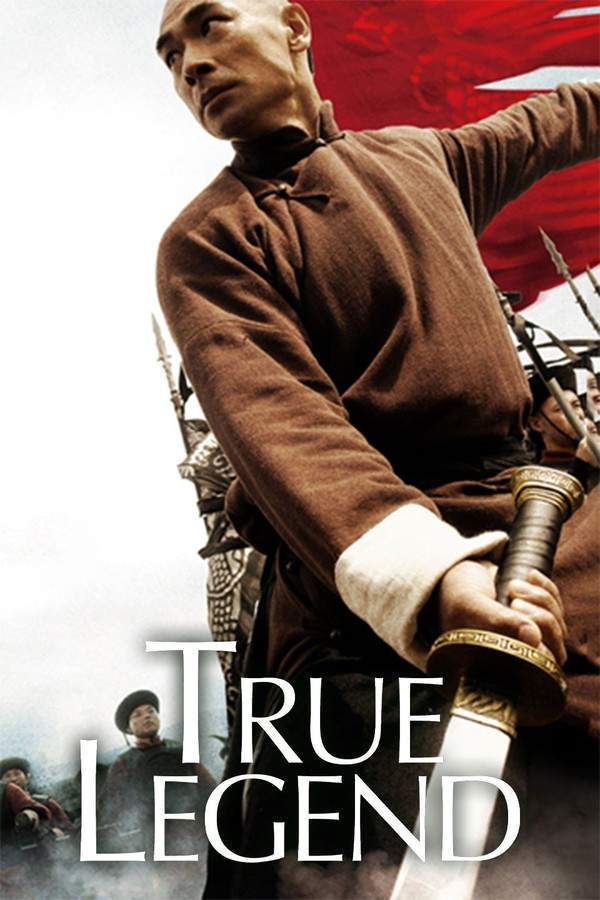
Fist of Legend (1994) movie poster

Plot Summary

Fist of Legend (1994) Plot Summary Explained

Release, runtime and language
1994 · 103 mins · Cantonese
JustWatch #10,288 21
Directed by
Gordon Chan
Starring
Jet Li, Jimmy Wong, Yasuaki Kurata, Kenji Tanigaki, Mike Leeder, Paul Chun Pui

Determined to avenge his master’s death, Chen returns to his alma mater only to find the revered instructor slain. When he discovers his fellow students are being terrorized by a gang of hooligans, he resolves to train harder than ever and defend them, confronting the threats head‑on.

On this page (6)
  1. 1 Where to watch
  2. 2 What happens: full plot
  3. 3 Plot questions answered
  4. 4 Movie threads
  5. 5 Movies like Fist of Legend
  6. 6 Every angle

Where to watch

Where to Watch Fist of Legend (1994)

Where can you watch Fist of Legend? Stream, rent or buy it in the US, including on Amazon Prime Video, Peacock Premium and Peacock Premium Plus: current JustWatch availability with up-to-date prices.

Streaming availability powered by JustWatch

Full plot summary · contains spoilers

What Happens in Fist of Legend: Full Plot Summary

The whole story of Fist of Legend (1994) explained, from the opening scene to the final frame: every key event, every twist and what it all adds up to. Read it as a quick recap before the sequel, to check a scene you missed, or to finally understand what really happened.

In 1937, Chen Zhen is a Chinese martial artist from Shanghai who studies at Kyoto University. When thugs from the ultranationalist Black Dragon Clan burst into the campus to push him out simply because he is Chinese, his classmate and lover, Mitsuko Mitsuko, along with Chen's professor and fellow students, stand up to defend his right to stay. The attackers turn violent, but Chen counters with precise and disciplined Qin Na techniques. The Japanese sensei behind the aggression, Hou Ting'en Fumio Funakoshi, Mitsuko’s uncle, arrives to regain control of the situation and apologizes for his students’ behavior. Funakoshi is impressed by Chen’s skill and strikes up a conversation, learning that Chen’s master, Huo Yuanjia, has died after a match with a Japanese karateka named Akutagawa. The news hits Chen hard, and he leaves Kyoto for Shanghai to process the loss.

Back in Jingwu School, Chen returns to learn that his master’s son, Ting'en, has stepped into the role of master. The next day, Chen travels to the Japanese dojo to challenge Ryuichi Akutagawa, who accepts the contest with honor. Chen defeats Akutagawa easily and begins to suspect foul play in Huo Yuanjia’s death. He pushes to exhume Huo’s body for an autopsy, even though Ting'en and the Jingwu members resist. The autopsy reveals that Huo was poisoned and weakened before his fateful match against Akutagawa. The triumph that follows makes Chen a local celebrity in Shanghai, and Jingwu members start looking to him as the new instructor, fueling Ting'en’s jealousy. Ting'en, meanwhile, retreats into a personal world of loneliness, seeking solace with a prostitute.

Across town, Akutagawa confronts General Fujita of the Imperial Japanese Army after suspecting that the match against Huo Yuanjia was rigged. A heated exchange ends with Fujita killing Akutagawa by breaking his back in front of the Japanese ambassador, and then laying the blame at Chen’s feet. Enraged by his master’s death, Akutagawa’s students attack the Jingwu School, drawing in the police. Chen is arrested and put on trial for the alleged murder. Witnesses, many bribed, offer conflicting accounts, and the Chinese defense witnesses are shut out. Mitsuko arrives to testify that Chen was with her the night of the incident, and the court accepts her testimony because she is Japanese. Chen is acquitted, but the public perception of his relationship with Mitsuko damages his honor among the Chinese, who view it as treachery.

Ting'en and the senior Jingwu members press Chen to choose between Mitsuko and the school. Ting'en challenges Chen to a duel to settle the matter; Chen defeats him, but decides to leave Jingwu with Mitsuko. Humiliated, Ting'en renounces his position as master and later returns to Jingwu after learning a hard lesson, while the Jingwu members reprimand him when they uncover the relationship.

Chen and Mitsuko must endure hostility from locals and take shelter near Huo Yuanjia’s grave. At that moment, Funakoshi arrives from Japan at Fujita’s request to eliminate Chen. They clash, and Funakoshi is defeated, but he warns Chen to adapt to his opponent’s moves if he hopes to stay unbeatable. Afterward, Ting'en visits Chen to confirm that Jingwu now accepts the relationship, and Huo teaches Chen the Mizong Fist that night, while Mitsuko quietly leaves a note saying she will wait for him in Japan.

The next day, Chen and Huo confront Fujita at his dojo. Fujita exposes a Jingwu traitor who helped fuel Huo Yuanjia’s death and shoots him. Hou Ting'en engages Fujita in a brutal duel, suffering grave injuries, and Chen steps in for a long, grueling fight that ends with Chen’s victory. As they prepare to escape, Fujita lunges with a katana. Huo pushes Chen aside but is stabbed in the arm, and Chen is forced to kill Fujita. Japanese soldiers close in, and the ambassador orders restraint, warning that Fujita’s death could spark a broader war unless China can account for it. Chen offers to take the blame to prevent escalation, and the ambassador stages a fake execution, substituting the dead Jingwu traitor’s body for Chen’s. With the crisis averted, Jingwu expands across China, and Chen quietly heads to Manchuria to reunite with Mitsuko.

Last updated: October 07, 2025 at 09:00

Was this helpful?

Plot questions answered

Fist of Legend Plot Explained: Your Questions Answered

The questions people ask most about Fist of Legend (1994): what happens in the confusing scenes, why the characters do what they do, the twists, hidden details and what the ending means. Each answer contains spoilers.

Q1

Why was Huo Yuanjia poisoned before his match with Akutagawa?

Huo Yuanjia was poisoned by someone within the Jingwu School who collaborated with General Fujita of the Imperial Japanese Army. The poison weakened Huo before his fateful match against Akutagawa, making it possible for the Japanese karateka to defeat him. This conspiracy was revealed when Chen insisted on exhuming Huo's body for an autopsy, discovering the poisoning that had been hidden from everyone.

Foreshadowing: Earlier in Kyoto, Funakoshi mentions Huo's death to Chen, but the true cause is only discovered later in Shanghai.

  • huo yuanjia
  • poisoning
  • akutagawa
  • death cause
  • jingwu traitor
Q2

Why did Mitsuko testify that Chen was with her on the night Akutagawa died?

Mitsuko testified to save Chen from being falsely convicted of Akutagawa's murder. Although her claim was false, she used her Japanese identity to convince the court that Chen could not have committed the crime. Her testimony effectively exonerated Chen, though it damaged his reputation among Chinese people who viewed his relationship with a Japanese woman as traitorous.

Foreshadowing: Mitsuko defended Chen at Kyoto University when the Black Dragon Clan attacked him, showing her willingness to stand up for him.

  • mitsuko
  • testimony
  • alibi
  • chen trial
  • exoneration
Q3

Why did General Fujita kill Akutagawa?

Fujita killed Akutagawa because he suspected the match against Huo Yuanjia had been rigged and wanted to prevent any embarrassment to the Japanese military. When Akutagawa confronted Fujita about the poisoning scheme, Fujita broke his back in front of the Japanese ambassador and blamed the murder on Chen to inflame tensions and justify further aggression against the Jingwu School.

Foreshadowing: Chen had already suspected foul play in Huo's death after easily defeating Akutagawa in their duel.

  • fujita
  • akutagawa
  • murder
  • framing
  • general
Q4

Why was Chen arrested for Akutagawa's murder?

Chen was arrested because General Fujita deliberately placed the blame for Akutagawa's death on him. Fujita killed Akutagawa and then used his position in the Imperial Japanese Army to accuse Chen of the murder, providing bribed witnesses who offered conflicting accounts. The Chinese defense witnesses were shut out of the trial, making it appear Chen was guilty until Mitsuko's testimony saved him.

Foreshadowing: After defeating Akutagawa, Chen had made enemies among the Japanese military by exposing the rigged match.

  • chen arrest
  • trial
  • murder charge
  • fujita frame
Q5

Why did Hou Ting'en challenge Chen to a duel?

Ting'en challenged Chen because he was consumed by jealousy over Chen's growing popularity and because the other Jingwu members preferred Chen as the new instructor. Ting'en used Chen's relationship with Mitsuko as a pretext, demanding that Chen choose between the Japanese woman and the school. When Chen defeated him, Ting'en was humiliated and relinquished his position as Jingwu master.

Foreshadowing: Ting'en's jealousy had been growing since Chen returned and became a local celebrity after defeating Akutagawa.

  • tingen
  • duel
  • jealousy
  • jingwu leadership
  • challenge
Q6

Why did the Japanese ambassador help Chen escape execution?

The ambassador helped Chen avoid execution to prevent a broader war between China and Japan. With Fujita dead and Chen publicly blamed, the ambassador realized executing Chen would spark massive Chinese retaliation and potentially invite international intervention. Instead, he staged a fake execution using the body of the Jingwu traitor, allowing Chen to escape while preserving diplomatic stability.

Foreshadowing: The ambassador had warned earlier that Fujita's death could ignite a full-scale war if not handled carefully.

  • ambassador
  • execution
  • escape
  • diplomacy
  • war prevention
Q7

What is the Mizong Fist that Huo teaches Chen?

The Mizong Fist is a secret martial arts technique that Huo Ting'en teaches Chen near the end of the film. This advanced technique represents the pinnacle of Jingwu training and is passed down only to the most worthy successor. Chen learns this technique during a climactic night before the final confrontation with Fujita, giving him the skills needed to defeat the antagonist.

Foreshadowing: Funakoshi had warned Chen to adapt to his opponent's moves if he hoped to remain unbeatable, hinting at the need for new techniques.

  • mizong fist
  • secret technique
  • huo teaching
  • martial arts
Q8

Why did Funakoshi agree to help Chen after defeating him?

Funakoshi, despite being sent by Fujita to eliminate Chen, respected martial arts honor and chose instead to test Chen's abilities in combat. After being defeated, Funakoshi warned Chen to adapt to his opponent's moves if he hoped to stay unbeatable, providing crucial advice for the upcoming battle with Fujita. This reflected Funakoshi's code as a true sensei who values skill and courage over political loyalty.

Foreshadowing: At Kyoto University, Funakoshi had apologized for his students' behavior and shown respect for Chen's abilities.

  • funakoshi
  • defeat
  • advice
  • martial honor
  • mentor
Q9

Why did Chen have to fake his death to leave Shanghai?

Chen faked his death because the Japanese ambassador arranged the deception to defuse the political crisis. With Fujita dead and Chen publicly executed, both sides could claim victory without going to war. The ambassador substituted the body of the Jingwu traitor, allowing Chen to secretly leave Shanghai for Manchuria to reunite with Mitsuko while the Jingwu school expanded across China.

Foreshadowing: The ambassador had warned that Fujita's death could spark war unless China could account for it.

  • fake death
  • execution
  • escape
  • manchuria
  • mitsuko reunion
Q10

Why did Ting'en return to Jingwu after leaving?

Ting'en returned to Jingwu after being reprimanded by the school and realizing his mistakes. After his defeat by Chen and departure with his lover, the Jingwu members discovered his relationship and rebuked him. This, combined with his humiliation, prompted Ting'en to reflect on his actions, return to the school, and rebuild his standing as a martial artist.

Foreshadowing: Ting'en's departure was hastened by his defeat and loss of face after challenging Chen.

  • tingen return
  • jingwu reconciliation
  • redemption
  • humiliation
Q11

Why did Mitsuko leave a note saying she would wait in Japan?

Mitsuko left quietly because she understood the political danger of remaining in China with Chen. By returning to Japan and asking Chen to come to her, she hoped to protect him from further retaliation and give them a chance to be together safely. Her note promised to wait for him, setting up their eventual reunion in Manchuria.

Foreshadowing: Mitsuko had faced hostility from Chinese locals throughout the film due to her Japanese identity.

  • mitsuko
  • note
  • japan
  • separation
  • waiting
Q12

Why did Chen leave Jingwu after defeating Ting'en?

Chen chose to leave Jingwu because the school demanded he choose between Mitsuko and the martial arts community. Although Chen defeated Ting'en in their duel, the senior Jingwu members pressured him to abandon his Japanese lover. Rather than compromise his relationship, Chen decided to leave with Mitsuko, though he later returned to help defend the school against Fujita.

Foreshadowing: The tension between Chen's relationship and his loyalty to Jingwu had been building since his return from Kyoto.

  • chen
  • jingwu
  • departure
  • relationship
  • mitsuko

Movie threads

More Movies Like Fist of Legend, by Mood & Story

Curated lists built around what makes Fist of Legend tick: the same mood, the same kind of story or the same emotional payoff. Each list explains why these movies belong together.

Intense Martial Arts Movies with Heavy Emotional Burdens like Fist of Legend

Heroes pushed to their limits in violent, honor-driven conflicts. Find movies like Fist of Legend that blend blistering martial arts action with serious, emotionally heavy themes. These films feature heroes driven by honor, revenge, or duty, where every fight carries significant personal and moral consequences. If you like epic combat intertwined with grim historical conflict, explore this thread.

  • intense
  • honorable
  • grim
  • violent
  • resilient
  • patriotic
  • Tone: tense, grim, honorable
  • Pacing: fast, driven by confrontation
Why these movies?

The story pattern: Stories in this thread typically follow a skilled warrior on a quest for justice or vengeance, often set against a backdrop of historical or societal conflict. The protagonist's martial prowess is tested not only by physical opponents but also by complex moral dilemmas, betrayals, and the psychological toll of their actions, leading to a climactic resolution that often comes at a great personal cost.

Why they belong together: These films are grouped together because they share a specific tonal blend: the visceral thrill of expertly choreographed combat is consistently underpinned by a serious, often grim, emotional core. The pacing is fast, driven by conflict, but the emotional weight ensures the action feels consequential rather than empty.

Movies with Bittersweet Endings After Heavy Conflict like Fist of Legend

The goal is achieved, but peace comes with profound personal sacrifice. Discover films like Fist of Legend where the hero's journey ends in a bittersweet victory. These stories involve achieving a major goal at a significant personal cost, such as exile or sacrifice. If you appreciate endings that are triumphant yet emotionally complex and somber, you'll find similar movies here.

  • bittersweet
  • resilient
  • solemn
  • triumphant
  • sacrificial
  • somber
  • Tone: bittersweet, heavy
  • Pacing: steady to fast, building to climax
Why these movies?

The story pattern: The narrative pattern involves a protagonist striving against overwhelming odds to achieve a critical objective, such as justice, saving a community, or defeating a powerful foe. The climax brings success, but the path is littered with loss and moral compromise. The resolution acknowledges the win while focusing on the lasting scars and sacrifices made, leaving the hero forever changed.

Why they belong together: These movies are united by their specific emotional arc, which builds towards a climax that is both a success and a loss. The tone balances the catharsis of achievement with the gravity of sacrifice, creating a memorable and emotionally resonant ending feel that is neither purely happy nor purely tragic.

If you liked this

Movies Like Fist of Legend

Similar movies to Fist of Legend: the same genre, themes or kind of story. Each one comes with its own plot summary, timeline and ending explained.

Browse all movie summaries

Every angle

Fist of Legend (1994) Explained: Plot, Timeline & Characters

Everything about Fist of Legend in one place: what happens in the plot summary, the timeline in chronological order, the characters and meaning and a spoiler-free summary. What's After the Movie adds the cast, box office and post-credit scenes.

Coming soon on iOS and Android

The Plot Explained Movie Summary App

Plot summaries, endings explained and timelines on your phone. Catch up on any movie in minutes, save your favorites and never miss a twist again.

Be the first to know when we launch. Your email stays private, always.

Learn more about the app