















Plot Explained Spoilers guaranteed!
Plot Explained

Browse by genre

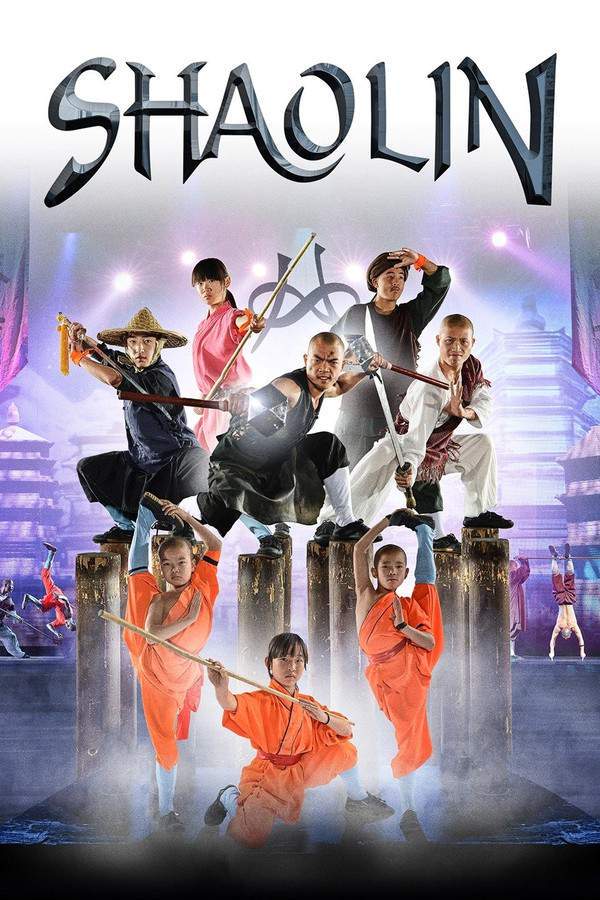
Shaolin (2011) movie poster

Timeline

Shaolin (2011) Timeline Explained – Every Event in Order

Release, runtime and language
2011 · 131 min · English
JustWatch #5,781 11
Directed by
Benny Chan

Amidst a fractured China, where warring warlords vie for power, the formidable army commander Hao Jie and his brother Huo Lung leave a trail of destruction. Seeking refuge, the wounded find sanctuary within the revered Shaolin Temple. During the day, the temple's disciples offer healing to the villagers, but under the cover of darkness, they don masks to secretly assist those suffering under oppression, operating as a modern-day band of heroes.

On this page (7)
  1. 1 Where to watch
  2. 2 Events in order (14)
  3. 3 Timeline questions answered
  4. 4 Movie threads
  5. 5 Movies like Shaolin
  6. 6 Categories
  7. 7 Every angle

Where to watch

Where to Watch Shaolin (2011)

Where can you watch Shaolin? Stream, rent or buy it in the US, including on Amazon Prime Video, Hi-YAH and Fawesome: current JustWatch availability with up-to-date prices.

Streaming availability powered by JustWatch

14 events in order · contains spoilers

Shaolin Timeline: Events in Chronological Order

Every key event of Shaolin (2011) in order, scene by scene, with when and where it takes place. Use it to untangle flashbacks, time jumps and parallel storylines, to refresh your memory before the sequel or to find the exact scene you are thinking of.

  1. Hou Jie defeats Huo Long and seizes Dengfeng

    In a ruthless campaign, Hou Jie defeats his rival Huo Long and seizes control of Dengfeng. Huo Long flees to the Shaolin Temple, where Hou tricks him into surrendering his treasure map and shoots him. Hou then ridicules the Shaolin monks as he departs.

    Where
    Dengfeng, Henan
  2. Dinner trap: Hou manipulates Song Hu under the guise of engagement

    Hou arranges a dinner in a restaurant under the pretense of arranging his daughter's engagement to Song Hu's son. The meal features a tense exchange in which Song declares his plan to retire and cede everything to Hou, while a tip off hints at an assassination. Fueled by anger at the betrayal, Hou fatally wounds Song during the confrontation.

    Where
    Restaurant, Dengfeng
  3. Cao Man betrays Hou

    Cao Man, Hou's ambitious deputy, betrays his master and aligns with rivals to weaken him. The betrayal foreshadows the coming attacks on Hou's family and the temple. It signals a fracture in the inner circle that will fuel the ensuing conflict.

    Where
    Dengfeng
  4. Song Hu dies saving Hou

    Cao's assassins attack Song and Hou's families. Song, though mortally wounded, saves Hou during the flee, and dies from his injuries. The deaths deepen Hou's sense of loss and set him on a darker path.

    Where
    Dengfeng vicinity
  5. Family separation and daughter's death near Shaolin

    Hou's wife and daughter are separated during the chaos. Shaolin monks who aid refugees steal rice to feed them at the temple. Hou's daughter falls from a cliff and dies despite the monks' efforts. The wife blames Hou and leaves him; Hou attacks the monks but is subdued.

    Where
    Near Shaolin Temple
  6. Hou seeks redemption; becomes a Shaolin monk

    Hou wanders near Shaolin in shock until he meets the cook Wudao, who offers food and shelter after he is trapped in a pit. Through this encounter he feels guilt about his past sins and resolves to reform. He begins to study Shaolin principles and martial arts, choosing to become a monk to atone.

    Where
    Shaolin Temple vicinity
  7. Cao recruits male refugees to unearth relics; plan to silence them

    Hou learns from refugees that Cao has been recruiting male laborers to unearth relics under the pretext of building a railway, intending to kill them once the job is done. He confronts the grim reality of Cao's scheme and the danger to innocent people. He then exposes the brutal plan by dragging recently buried victims' corpses to the temple gate to reveal the truth.

    Where
    Temple area
  8. Cao attacks Shaolin; Hou distracts to save labourers

    Cao returns with his troops to capture Hou at Shaolin. Hou volunteers to go with Cao so the monks can break into Cao's base and rescue the imprisoned laborers, buying time for the escape. He is briefly reunited with his wife, and they manage to flee together.

    Where
    Shaolin Temple
  9. Jingneng dies protecting the escape

    During the chaotic exit, Jingneng, Hou's senior monk, is killed by Cao while covering his juniors. Hou and his wife escape with the refugees, carrying with them the burden of the temple's fate.

    Where
    Shaolin Temple vicinity
  10. Refugees flee as the temple is attacked

    Cao returns with heavy forces and the foreigners bombard Shaolin with artillery. Many monks and soldiers are killed, and the refugees are forced to flee while the temple is pounded into ruin. The monks decide to hold off long enough for the escape to succeed.

    Where
    Shaolin Temple
  11. Hou defeats Cao but sacrifices himself

    Hou engages Cao in a final confrontation and defeats him, but sacrifices himself to prevent Cao from being crushed by a falling beam. He falls into the Buddha statue’s palm and dies peacefully, leaving Cao guilt-ridden. The surviving monks and refugees purge the attackers and end the bombardment.

    Where
    Shaolin Temple ruins
  12. Shaolin spirit endures despite destruction

    On a mountainside, the refugees cry as they look down at the temple ruins. Wudao consoles them, telling them that the Shaolin spirit will live on in them despite the destruction of the temple.

    Where
    Mountainside near Shaolin
  13. Final reunion and urn of the daughter's ashes

    Before evacuation, Hou meets his wife for a final time. He repents for his past deeds and gives her the urn containing their daughter's ashes. She forgives him and accepts his transformed self, even as they cannot be together. He chooses to stay and defend the refugees at Shaolin.

    Where
    Shaolin Temple vicinity
  14. Hou passes the moral burden to Cao

    Hou acknowledges that Cao's evil actions stem from his own past misdeeds and asserts that it is his responsibility to guide Cao toward the correct path. The moment marks a shift from vengeance to mentorship and a belief in reform.

    Where
    Shaolin Temple vicinity

Last updated: November 22, 2025 at 15:58

Was this helpful?

Timeline questions answered

Shaolin Timeline Explained: Your Questions Answered

When does it happen, and why in that order? The questions people ask about the chronology of Shaolin (2011): time jumps, flashbacks, cause and effect between scenes and the correct order of events, each answered with spoilers.

Q1

Why did Song Hu save Hou Jie after Hou tried to kill him?

Song Hu saved Hou despite Hou's attempt to murder him because their bond as sworn brothers ran deeper than the betrayal. Even after being fatally wounded by Cao Man's assassins, Song chose to protect Hou during the escape, sacrificing himself. This act of loyalty profoundly shocked Hou and marked the beginning of his moral awakening, showing him a type of forgiveness and selflessness he had long abandoned.

  • song hu
  • sworn brothers
  • betrayal
  • loyalty
  • sacrifice
Q2

Why did Hou Jie attack the Shaolin monks after his daughter's death?

Hou Jie attacked the monks in a grief-fueled rage because he blamed them for failing to save his daughter, who died after falling from a cliff near the temple. The monks had taken in his wife but could not rescue the child in time. Overwhelmed by loss and guilt, Hou venting his despair on the only people nearby, though he was quickly subdued by their martial prowess.

  • hou jie
  • daughter
  • grief
  • shaolin monks
  • attack
Q3

How did Hou Jie become a Shaolin monk after being a warlord?

After his violent outburst at the temple, Hou wandered shell-shocked for days until the cook Wudao found him trapped in a pit and offered food and shelter. Witnessing the monks' compassion toward refugees and confronting the devastation he caused as a warlord, Hou felt genuine remorse for the first time. He chose to stay at Shaolin, studying martial arts and Buddhist principles to atone for his past sins.

  • hou jie
  • redemption
  • shaolin
  • transformation
  • wudao
Q4

Why did Cao Man betray Hou Jie?

Cao Man betrayed Hou because he felt underappreciated and used, believing his loyalty and service as deputy commander had been taken for granted. Hungry for power and resentful of always being in Hou's shadow, Cao aligned with Hou's rivals to undermine him, orchestrating attacks on both families during the chaos that followed the dinner massacre.

  • cao man
  • betrayal
  • deputy
  • power
  • ambition
Q5

What was the treasure map that Hou Jie took from Huo Long?

The treasure map belonged to Huo Long, who fled to Shaolin Temple after losing to Hou Jie. Hou tricked Huo Long into handing over the map, then shot him dead, using the monks' sanctuary as a false safe haven. The map represented power and wealth that Huo Long had hoarded, and Hou seized it to strengthen his grip on Dengfeng while mocking the Shaolin order.

  • treasure map
  • huo long
  • hou jie
  • power
  • control
Q6

Why did Hou Jie sacrifice himself to save Cao Man?

Hou saved Cao from a falling beam during the temple's final battle because he saw Cao as a product of his own past cruelty. Hou believed it was his responsibility to guide Cao toward redemption rather than let him die. By sacrificing himself, Hou completed his spiritual transformation from a ruthless warlord to someone who chooses compassion and forgiveness, even toward his greatest enemy.

  • hou jie
  • cao man
  • sacrifice
  • redemption
  • forgiveness
Q7

How did the Shaolin monks help refugees while maintaining their temple?

The monks operated a dual existence: during the day they functioned as peaceful spiritual figures offering healing to villagers, while at night they donned masks to steal rice from the military granary. They distributed this stolen grain to feed the refugees living at the temple, becoming underground heroes who defied the warlords to help the oppressed.

  • refugees
  • monks
  • rice
  • granary
  • secret operation
Q8

Why did foreigners bomb the Shaolin temple?

The foreignersbombarded Shaolin after being misled by Cao Man, who had convinced them to support his assault on the temple. When the foreigners discovered they had been deceived about the situation, they turned their artillery on both the monks and Cao's soldiers, causing massive destruction and casualties before the surviving monks stopped the bombardment.

  • foreigners
  • artillery
  • bombardment
  • cao man
  • destruction
Q9

What triggered Hou Jie's transformation from warlord to peaceful monk?

Hou's transformation was triggered by multiple events: his daughter's death, his wife's abandonment, the shock of wandering near death in a pit, and Wudao's kindness. Most importantly, witnessing the monks' selfless care for refugees despite his past crimes against them awakened his conscience and showed him a different way to live, prompting his genuine desire for atonement.

  • transformation
  • daughter death
  • wudao
  • refugees
  • conscience
Q10

Why did the monks steal rice from the military granary?

The monks stole rice from the military granary because the warlords' constant warfare had left countless refugees starving at the temple. Rather than watch people die of hunger while food sat unused in government stores, the monks chose to break the law and risk punishment to feed the innocent civilians who had sought shelter at Shaolin.

  • rice
  • granary
  • refugees
  • stealing
  • monks
Q11

How did Hou Jie expose Cao Man's scheme with the laborers?

Hou learned from refugees that Cao was recruiting men under the false promise of railway work, only to kill them once they dug up valuable relics. To expose this horror, Hou dragged the freshly buried corpses of victims to the temple gate, allowing the villagers and refugees to identify their missing loved ones and revealing Cao's mass murders.

  • cao man
  • laborers
  • relics
  • corpses
  • exposure
Q12

Why did Hou Jie give his daughter's ashes to his wife?

Hou gave his wife the urn containing their daughter's ashes as a final act of accountability and closure. He had been unable to save their child, and the ashes represented his failure as a father. By handing them to his wife, he acknowledged his guilt and allowed her to take their daughter with her as he chose to stay and fight.

  • daughter
  • ashes
  • urn
  • wife
  • closure
  • accountability
Q13

What was the significance of the Buddha statue in the ending?

The massive Buddha statue served as Hou Jie's final resting place after he sacrificed himself to save Cao. Rather than dying in combat, he tumbled peacefully into the Buddha's palm, symbolizing his complete spiritual rebirth. This imagery represented his achievement of enlightenment and redemption, dying not as a warlord but as a true monk.

  • buddha statue
  • death
  • peace
  • enlightenment
  • palm
Q14

How did the Shaolin spirit survive after the temple's destruction?

The Shaolin spirit survived through the people who carried its teachings. Wudao assured the refugees that the Shaolin spirit would live on in them despite the temple's ruins. The monks who escaped, the transformed Hou, and the refugees themselves became the living embodiment of Shaolin values, compassion, courage, and resistance to oppression.

  • shaolin spirit
  • temple destruction
  • refugees
  • endurance
  • legacy

Movie threads

More Movies Like Shaolin, by Mood & Story

Curated lists built around what makes Shaolin tick: the same mood, the same kind of story or the same emotional payoff. Each list explains why these movies belong together.

Violent Redemption Stories like Shaolin

Profound character transformations born from bloodshed and moral collapse. If you enjoyed Shaolin's story of a warlord's spiritual awakening, you'll find similar movies here. This thread collects epic tales of ruthless characters seeking redemption through sacrifice, set against brutal backdrops. These films share a heavy emotional weight and a bittersweet, hopeful tone.

  • redemptive
  • somber
  • violent
  • spiritual
  • tragic
  • heroic
  • Tone: bittersweet, hopeful
  • Pacing: steady, character-driven
Why these movies?

The story pattern: The narrative typically begins with a protagonist at the height of their power or corruption, often in a position of violence or authority. A catastrophic event—often a personal betrayal or loss they caused—shatters their worldview, forcing them to confront their guilt. The core of the story is their slow, painful rebirth, guided by a new philosophy or community, culminating in a final act of self-sacrifice that solidifies their redemption, though not without tragedy.

Why they belong together: These movies are grouped by their powerful focus on a specific character arc: the fall and rise of a soul. They share a high-intensity, emotionally heavy atmosphere, a steady pacing that allows for deep character development, and a consistently bittersweet tone where hope is earned through immense suffering.


Sanctuary Under Siege Films like Shaolin

Stories where a peaceful community becomes a battleground for ideals. Movies like Shaolin often feature a peaceful community, like the Shaolin Temple, that stands as a beacon of hope in a dark world. This section gathers films where such sanctuaries are tested by external violence, forcing their inhabitants to confront their beliefs and fight for survival.

  • spiritual
  • oppressive
  • heroic
  • tragic
  • hopeful
  • violent
  • Tone: somber, heroic, oppressive
  • Pacing: steady, building tension
Why these movies?

The story pattern: The narrative is defined by its setting: a place of refuge and higher principles. The conflict arises when the violence of the outside world encroaches upon this sanctuary, forcing its inhabitants to choose between their vows of non-violence and the urgent need to act. The plot often involves protecting refugees, a central moral dilemma about using force for good, and a final, devastating battle where the physical sanctuary may be lost, but its spirit endures.

Why they belong together: These films share a specific world-building pattern and thematic conflict. They combine a somber, oppressive mood with moments of heroic hope. The pacing is steady, building towards an inevitable confrontation. The core appeal is the juxtaposition of serene spirituality against high-stakes, violent action, creating a powerful and tragic atmosphere.

If you liked this

Movies Like Shaolin

Similar movies to Shaolin: the same genre, themes or kind of story. Each one comes with its own plot summary, timeline and ending explained.

Browse all movie summaries

Categories

Movie Lists Featuring Shaolin

Shaolin appears in these hand-built movie categories. Each one groups movies by a specific mood, theme or story type, with their plot summaries and endings explained.

View all movie categories

Every angle

Shaolin (2011) Explained: Plot, Timeline & Characters

Everything about Shaolin in one place: what happens in the plot summary, the timeline in chronological order, the characters and meaning and a spoiler-free summary. What's After the Movie adds the cast, box office and post-credit scenes.

Coming soon on iOS and Android

The Plot Explained Movie Summary App

Plot summaries, endings explained and timelines on your phone. Catch up on any movie in minutes, save your favorites and never miss a twist again.

Be the first to know when we launch. Your email stays private, always.

Learn more about the app