Kundun

Kundun

Year: 1997

Runtime: 134 min

Language: English

Director: Martin Scorsese

Budget: $28M

BiographyDramaHistoryWar

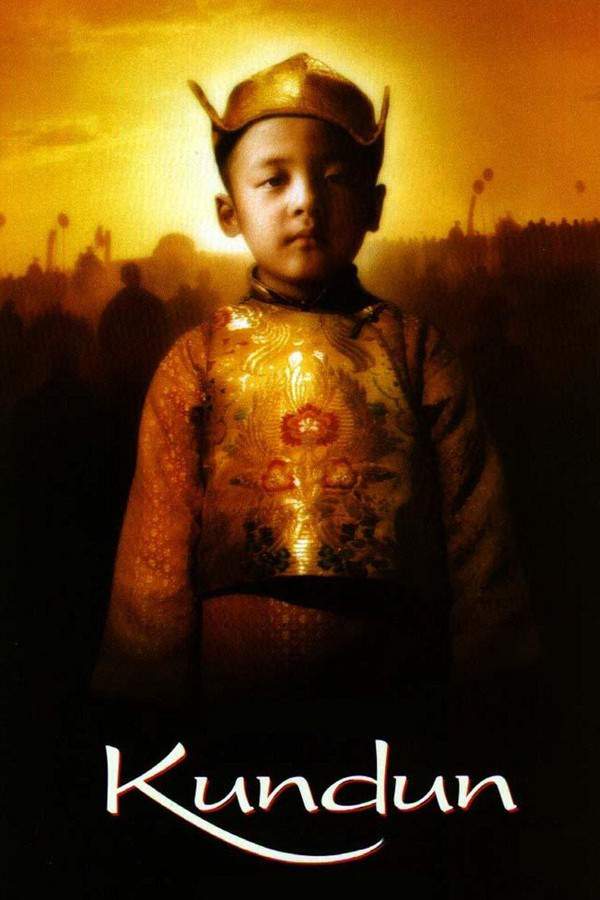
A young Tibetan boy is recognized as the 14th Dalai Lama, the reincarnation of the Buddha of Compassion. The film chronicles his early years, under the guidance of spiritual advisors and family, as he embraces his destiny and prepares to lead his people. Directed by Martin Scorsese, the story follows his journey through childhood and adolescence, culminating in the Chinese invasion of Tibet and his subsequent exile, offering a moving portrayal of a spiritual leader’s extraordinary life.

Warning: spoilers below!

Haven’t seen Kundun yet? This summary contains major spoilers. Bookmark the page, watch the movie, and come back for the full breakdown. If you're ready, scroll on and relive the story!

Kundun (1997) – Full Plot Summary & Ending Explained

Read the complete plot breakdown of Kundun (1997), including all key story events, major twists, and the ending explained in detail. Discover what really happened, and what it all means.

The film unfolds in a linear timeline, spanning the years 1937 to 1959, primarily set in Tibet with brief scenes in China and India. The story begins with the quest for the 14th mindstream emanation of the Dalai Lama. Following a vision by Reting Rinpoche, the regent of Tibet, a group of lamas, disguised as servants, discovers a promising young boy born into a farming family in Amdo, near the Chinese border.

To determine if this child is indeed the chosen one, the lamas conduct a test where he must identify objects that belonged to the previous Dalai Lama. The child successfully passes this challenging test and is subsequently taken to Potala Palace in Lhasa, where he is destined to be installed as the Dalai Lama upon reaching adulthood.

As their journey progresses, the child feels a deep sense of homesickness and fear, but Reting comforts him by recounting the tale of the first Dalai Lama, affectionately referred to as "Kundun." As time goes on, the boy matures, evolving not only in age but also in wisdom and understanding. A power struggle ensues, leading to Reting's imprisonment and tragic death, after which the Dalai Lama begins to assume a more active role in both governance and religious matters.

Simultaneously, the Chinese communists, having recently claimed victory in their revolution, are asserting that Tibet is traditionally part of Imperial China and express a desire to re-integrate it into the newly-established People's Republic of China. Despite Tibet's desperate appeals to various nations, including the United Nations, the United States, the United Kingdom, and India for help, the situation takes a dire turn when Chinese Communist forces invade Tibet. Initially presenting a facade of assistance, the Chinese quickly turn oppressive as the Tibetans resist their efforts to reorganize and reeducate their society.

In the face of ongoing atrocities against his people, the Dalai Lama decides to meet with Chairman Mao Zedong in Beijing. During their meeting, Mao outwardly sympathizes with the Tibetan plight but later reveals his true sentiments, declaring that "religion is poison" and branding Tibetans as "poisoned and inferior" due to their beliefs. Upon returning to Tibet, the Dalai Lama learns of further horrors inflicted upon his people, prompting them to nullify their treaty with China and initiate guerrilla warfare.

When the Chinese express their intention to kill him, the Dalai Lama's family and his Lord Chamberlain persuade him to flee to India. After consulting the Nechung Oracle for guidance on the safest escape route, the Dalai Lama and his entourage don disguises and stealthily exit Lhasa under cover of darkness. Their grueling journey is fraught with danger, as they are relentlessly pursued by the Chinese. During this time, the Dalai Lama becomes gravely ill and experiences two profound visions, first believing that their journey to India will be auspicious, and similarly, that their eventual return to Tibet will hold promise.

Ultimately, they reach a small mountain pass at the Indian border. As the Dalai Lama approaches the guard post, an Indian soldier greets him, saluting and asking, "Are you the Lord Buddha?" The Dalai Lama responds with the film's poignant closing line: > "I think that I am a reflection, like the moon on water. When you see me, and I try to be a good man, you see yourself." Upon arriving at his new home, he unpacks his telescope and steps outside, setting it up to gaze towards the Himalayas—and towards Tibet. The film concludes with the powerful lines on screen: "The Dalai Lama has not yet returned to Tibet. He hopes one day to make the journey." These words gracefully dissolve into the darkness as the credits roll.
Last updated: November 15, 2024 at 18:57

Was this helpful?

Kundun (1997) Plot Questions Answered – Summary FAQ

Explore frequently asked questions about Kundun (1997) with spoiler-rich answers covering the full plot summary, major story beats, character motivations, hidden details, and ending meaning. This movie summary FAQ helps explain confusing scenes, plot twists, and narrative decisions in clear, searchable detail.

Q1

How was the young boy identified as the 14th Dalai Lama?

A.

The lamas conducted a recognition test where the child was asked to identify objects that belonged to the previous Dalai Lama. When he correctly chose these items, it confirmed he was the reincarnation of the 14th mindstream emanation.

recognition testreincarnationReting RinpocheAmdo boy
Q2

Why was Reting Rinpoche imprisoned and how did he die?

A.

A power struggle unfolded within Tibet's leadership during the 1940s. Reting Rinpoche, who had discovered and guided the young Dalai Lama, was ultimately imprisoned and died tragically as a result of these political conflicts.

Reting Rinpochepower struggleimprisonmentTibetan politics
Q3

Why did the Dalai Lama meet with Chairman Mao despite Chinese oppression?

A.

The Dalai Lama traveled to Beijing in 1951 to meet with Mao Zedong after witnessing ongoing atrocities against his people. He hoped to negotiate for Tibetan autonomy and protection, though Mao's true intentions were far darker than his outward sympathy suggested.

The Chinese invasion of Tibet in 1950 had already begun, and the Dalai Lama sought to find a peaceful resolution to the growing crisis.

Mao ZedongBeijingnegotiationChinese invasionTibetan autonomy
Q4

What did Mao Zedong say about Tibetan religion during the meeting?

A.

After outwardly expressing sympathy for the Tibetan plight, Mao revealed his true views, declaring that religion is poison and branding Tibetans as poisoned and inferior due to their Buddhist beliefs.

Mao Zedongreligion poisonTibetan beliefsBuddhismChinese communism
Q5

Why did the Dalai Lama flee to India in 1959?

A.

Chinese forces expressed their intention to kill him. His family and Lord Chamberlain persuaded him to escape when it became clear his life was in immediate danger. He consulted the Nechung Oracle for guidance before undertaking the dangerous journey.

escape to India1959Nechung OracleChinese threatLhasa
Q6

What is the meaning of the Dalai Lama's final line about being a reflection?

A.

When asked by an Indian soldier if he is the Lord Buddha, the Dalai Lama responds that he is a reflection, like the moon on water. This poetic line conveys his belief that when others see him trying to be a good man, they actually see themselves reflected back, a teaching about interconnectedness and the nature of enlightenment.

moon on wateridentityreflectionBuddhaspiritual teaching
Q7

Why did China claim Tibet was traditionally part of Imperial China?

A.

Following their communist revolution victory in 1949, Chinese leaders asserted that Tibet had historically belonged to Imperial China and sought to reintegrate it into the newly established People's Republic of China, using this historical claim to justify their invasion and occupation.

Imperial ChinaPeople's Republic of ChinaTibetan sovereigntyhistorical claimcommunist revolution
Q8

What did the Chinese occupation mean by reorganizing and reeducating Tibetan society?

A.

The Chinese presented a facade of assistance upon invading Tibet in 1950, but quickly turned oppressive. They forced reorganization of Tibetan institutions and implemented reeducation programs aimed at eradicating Tibetan cultural and religious practices, leading to widespread atrocities against the Tibetan people.

reeducationChinese occupationcultural suppressionTibetan oppressionLhasa 1950
Q9

What visions did the Dalai Lama have during his escape to India?

A.

While fleeing through dangerous terrain pursued by Chinese forces, the Dalai Lama became gravely ill. During this period he experienced two profound visions, one indicating their journey to India would be auspicious, and another suggesting their eventual return to Tibet would also hold promise.

visionsescapejourney to Indiaspiritual experienceHimalayas
Q10

What is the significance of the telescope at the end of the film?

A.

After settling in India, the Dalai Lama unpacks his telescope and sets it up to gaze toward the Himalayas and Tibet. This symbolizes his enduring connection to his homeland and his hope of one day returning, even as he lives in exile.

telescopeHimalayashopeexilereturn to Tibet
Q11

Why didn't the United Nations help Tibet when they appealed for assistance?

A.

Despite desperate appeals to the United Nations, the United States, the United Kingdom, and India for help against Chinese invasion, no nation intervened militarily or effectively. The international community did not take actionable steps to support Tibetan sovereignty during the 1950 invasion.

United NationsTibetan appealinternational responsenon-intervention1950
Q12

Why was the Potala Palace important to the young Dalai Lama?

A.

The boy was taken to Potala Palace in Lhasa, where he would be installed as the Dalai Lama upon reaching adulthood. Despite the honor, he felt deep homesickness and fear about his new responsibilities and leaving his family behind.

Potala PalaceLhasainstallationchild Dalai Lamahomesickness
Mobile App Preview

Coming soon on iOS and Android

The Plot Explained Mobile App

From blockbusters to hidden gems - dive into movie stories anytime, anywhere. Save your favorites, discover plots faster, and never miss a twist again.

Sign up to be the first to know when we launch. Your email stays private, always.

Explore Movie Threads

Discover curated groups of movies connected by mood, themes, and story style. Browse collections built around emotion, atmosphere, and narrative focus to easily find films that match what you feel like watching right now.

Movies about spiritual leaders like Kundun

Profiles of spiritual figures facing political upheaval and existential threats.Discover other profound films about spiritual leaders facing immense challenges. If you liked Kundun's portrayal of the Dalai Lama's journey, you'll appreciate these movies exploring similar figures whose faith is tested by political turmoil and personal sacrifice.

reverentsolemncontemplativespiritualoppressiveserioushistorical

Narrative Summary

The narrative often follows a chronological journey, from the figure's early life or calling through their rise to leadership, culminating in a direct confrontation with opposing political powers. The central conflict pits inner peace and spiritual conviction against external violence and oppression.

Why These Movies?

Movies are grouped here based on their shared focus on a real-life spiritual leader, a tone of solemn reverence, high emotional stakes due to political conflict, and a generally heavy emotional weight. They offer contemplative yet intense viewing experiences.

Solemn exile dramas similar to Kundun

Moving stories of individuals forced from their homeland by conflict.Explore more movies that capture the sorrow and resilience of political exile. If you were moved by Kundun's portrayal of the Dalai Lama's forced departure from Tibet, these films offer similar journeys of individuals uprooted by war and oppression.

melancholicsolemnbittersweetoppressiveserioushistoricalsorrowful

Narrative Summary

The narrative arc typically follows a protagonist living peacefully in their homeland before an inciting political conflict forces them into a perilous journey to safety. The story is driven by external threat and internal fortitude, leading to an ending that mixes the relief of survival with the grief of permanent displacement.

Why These Movies?

These films share a core theme of forced exile, a melancholic and solemn tone, high emotional weight, and a bittersweet ending feel. The pacing is often steady, building towards the inevitable separation from home, creating a cohesive experience of sorrowful displacement.

Unlock the Full Story of Kundun

Don't stop at just watching - explore Kundun in full detail. From the complete plot summary and scene-by-scene timeline to character breakdowns, thematic analysis, and a deep dive into the ending - every page helps you truly understand what Kundun is all about. Plus, discover what's next after the movie.

Kundun Timeline

Track the full timeline of Kundun with every major event arranged chronologically. Perfect for decoding non-linear storytelling, flashbacks, or parallel narratives with a clear scene-by-scene breakdown.

Kundun Timeline

Characters, Settings & Themes in Kundun

Discover the characters, locations, and core themes that shape Kundun. Get insights into symbolic elements, setting significance, and deeper narrative meaning - ideal for thematic analysis and movie breakdowns.

Characters, Settings & Themes in Kundun

Kundun Spoiler-Free Summary

Get a quick, spoiler-free overview of Kundun that covers the main plot points and key details without revealing any major twists or spoilers. Perfect for those who want to know what to expect before diving in.

Kundun Spoiler-Free Summary

More About Kundun

Visit What's After the Movie to explore more about Kundun: box office results, cast and crew info, production details, post-credit scenes, and external links - all in one place for movie fans and researchers.

More About Kundun