Plot Explained Spoilers guaranteed!
Plot Explained

Browse by genre

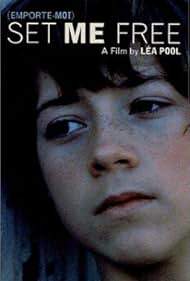
Set Me Free (1999) movie poster

Characters & Themes

Set Me Free (1999) Characters, Setting & Themes Explained

Release, runtime and language
1999 · 95 mins · French
Loading streaming availability…
Directed by
Léa Pool
Starring
Anna Karina, Pascale Bussières, Karine Vanasse, Neil Kroetsch, Miki Manojlović, Benoît Rousseau

In 1963, Hannah, a teenage girl coping with a troubled family, becomes entranced by Jean‑Luc Godard’s newly released film “Vivre sa vie.” She starts to imitate the movie’s heroine, and through that process she gradually navigates the confusing terrain of her emerging sexuality, confronting the constraints of her environment.

On this page (8)
  1. 1 Where to watch
  2. 2 Characters explained (9)
  3. 3 Where & when it takes place
  4. 4 Themes & meaning (3)
  5. 5 Character & meaning questions
  6. 6 Movie threads
  7. 7 Movies like Set Me Free
  8. 8 Every angle
Loading streaming availability…

9 main characters · contains spoilers

Set Me Free Characters Explained: Who Is Who

The main characters of Set Me Free (1999), heroes and villains: what drives them, how they change over the course of the story and what each of them reveals about the film's bigger ideas.

  • Hanna (Karine Vanasse)

    The 13-year-old at the center of Set Me Free, Hanna grapples with puberty, identity, and independence. She moves between rural farm life and urban Montreal, absorbing conflicting loyalties and searching for a voice of her own. Her curiosity leads her to imitate Godard's Nana while trying to claim responsibility for her choices.

    • 🎭 Protagonist
    • 👧 Coming-of-age
    • 🧭 Self-discovery
  • Père

    played by Miki Manojlović

    Hanna's father is an overbearing, loving, sometimes cruel poet who survived the Holocaust. He oscillates between tenderness and control, driving some of Hanna's discomfort and pushing conversations about life, identity, and danger. His volatile presence and storytelling shape Hanna's sense of safety and rebellion.

    • 🎭 Father figure
    • 💬 Authority
    • 🕊️ Duality
  • Mère

    played by Pascale Bussières

    Hanna's mother is exhausted, depressed, and financially strained, spending long hours at a sewing factory. She both clings to her husband and seeks connection, revealing the fragility of the family unit. Her wounds and moments of care influence Hanna's understanding of love and fragility.

    • 👩 Mother figure
    • 🧠 Emotional strain
    • 💔 Complexity
  • Grand-Mère

    played by Monique Mercure

    Grandmother in the rural home, embodying older, traditional values and pragmatic responses to hardship. Her presence anchors the family’s routines and highlights the tensions between generations. She represents the weight of family history on Hanna's world.

    • 👵 Elderly
    • 🏚️ Traditionalism
  • Grand-père

    played by Jacques Galipeau

    Grandfather in the rural setting, part of the multi-generational household that provides safety yet defines strict boundaries. His interactions reflect the authority and expectations of the older generation. He completes the firm, sometimes stifling, family framework around Hanna.

    • 👴 Elderly
    • 🕊️ Authority
  • Professeure

    played by Nancy Huston

    Hanna's schoolteacher who defends her against anti-Semitic taunts and encourages independence. The teacher admires Hanna's resolve but pushes her to form her own beliefs. She supports Hanna's growth and risk-taking, including exposure to cinema.

    • 👩 Teacher
    • 🧭 Guidance
    • 🧠 Empowerment
  • Laura

    played by Charlotte Christeler

    Hanna's school friend who shares moments of rebellion and affection, helping Hanna explore sexuality within a protected context. Laura's presence highlights the possibility of intimate connection and self-definition outside strict norms.

    • 👭 Friend
    • 👫 Exploration
    • 💃 Youth romance
  • Nana

    played by Anna Karina

    The cinematic archetype from Godard's Vivre Sa Vie that Hanna admires; Nana embodies a philosophy of personal responsibility and autonomy. Hanna uses Nana as a model for how to navigate desire and choice. Nana frames cinema as a guide to freedom.

    • 🎥 Icon
    • 🌀 Influence
    • 🗽 Freedom
  • Paul

    played by Alexandre Mérineau

    Hanna's brother who welcomes her back to Montreal and participates in the family's daily life. He shares the challenges of rent and money, acting as a peer in Hanna's early exploration of adulthood.

    • 👦 Brother
    • 🧭 Companionship
    • 🏠 Family

Last updated: December 04, 2025 at 15:26

Was this helpful?

Setting

Where and When Does Set Me Free Take Place?

The setting of Set Me Free (1999): the year and time period, the places and locations, and how they shape the characters, the mood and the tension of the story.

Time period

1963

Set in 1963, the film situates Hanna's coming-of-age within a period of traditional family roles and emerging social change in Quebec. The era's expectations shape her experiences of puberty, identity, and sexuality, as well as her exposure to different worlds—rural life, urban poverty, and cultural influences like cinema.

Location

Rural Quebec farm, Montreal

The story unfolds across Hanna's grandparents' farm in rural Quebec and a small apartment in Montreal. The rural setting highlights family routines, financial strain, and intergenerational dynamics, while the move to the city exposes Hanna to cramped living conditions and the challenges of urban life. These settings frame Hanna's transition from a sheltered upbringing to a more complex, independent existence.

  • 🏡 Farm life
  • 🌆 Montreal city
  • 🗺️ Quebec countryside

Last updated: December 04, 2025 at 15:26

Was this helpful?

3 major themes

Set Me Free Meaning: Themes & Message Explained

What is Set Me Free (1999) really about? The emotional, social and philosophical themes the film keeps returning to, its symbolism and the message beneath the surface.

  • Coming of age

    Hanna's puberty and emotional awakening drive the narrative, pushing her to define herself beyond parental expectations. She experiments with identity, fashion, and romantic feelings, while seeking a voice of her own. The story follows her missteps and moments of clarity as she moves toward greater personal autonomy.

  • Family dynamics

    The film centers on a fraught family environment where affection coexists with coercion and vulnerability. Hanna witnesses both conflict and tenderness, revealing how home life shapes her sense of self and safety. Financial stress and intergenerational tensions intensify her longing for independence.

  • Cinema influence

    Hanna is drawn to cinema, especially Godard's Vivre Sa Vie, which she uses as a model for personal responsibility. The character Nana serves as a cinematic guide, shaping Hanna's aspirations and sense of agency. The film frames art as both escape and instruction, informing how she navigates desire and choice.

Last updated: December 04, 2025 at 15:26

Was this helpful?

Character & theme questions

Set Me Free Characters & Meaning: Your Questions Answered

The questions people ask about Set Me Free (1999): who the characters really are, their relationships, what the symbols mean, where it takes place and what the movie is really about. Each answer contains spoilers.

Q1

Where does the story take place?

The film takes place in two main settings: a rural Quebec farm belonging to Hanna's grandparents, and a small apartment in Montreal where her family lives. The rural farm represents a sheltered, traditional environment with clear family routines and financial pressures, while Montreal represents the urban world that exposes Hanna to new experiences and challenges.

  • rural quebec
  • montreal
  • farm
  • settings
  • locations
Q2

When is the movie set?

The movie is set in 1963 in Quebec. This time period is significant because it was a era of traditional family roles combined with emerging social change. The early 1960s in Quebec shaped Hanna's experiences with puberty, identity, and sexuality, while also exposing her to different worlds including rural life, urban poverty, and foreign cultural influences like cinema.

  • 1963
  • time period
  • 1960s
  • quebec
  • era
Q3

Who is the main character?

Hanna is a 13-year-old girl at the center of the film, portrayed by Karine Vanasse. She grapples with puberty, identity, and independence as she moves between rural farm life and urban Montreal. Her curiosity leads her to imitate Nana, the protagonist of Godard's Vivre Sa Vie, while trying to claim responsibility for her own choices and find her voice.

  • hanna
  • protagonist
  • main character
  • karine vanasse
Q4

Who is Hanna's father?

Hanna's father, Père, is an overbearing but loving poet who survived the Holocaust. He oscillates between tenderness and control, sometimes being cruel while driving conversations about life, identity, and danger. His volatile presence and storytelling shape Hanna's sense of safety and rebellion within the family.

  • père
  • father
  • poet
  • holocaust survivor
  • parent
Q5

Who is Hanna's mother?

Hanna's mother, Mère, is exhausted, depressed, and financially strained, working long hours at a sewing factory. She both clings to her husband and seeks connection, revealing the fragility of the family unit. Her struggles and moments of care influence Hanna's understanding of love and fragility.

  • mère
  • mother
  • depressed
  • factory
  • family
Q6

What role do Hanna's grandparents play?

Hanna's grandparents represent the older, traditional generation living on the Quebec farm. Grand-Mère embodies pragmatic values and older perspectives on hardship, while Grand-Père reflects the authority and strict expectations of the older generation. Together they anchor the family's routines and highlight the tensions between generations that Hanna navigates.

  • grandparents
  • grand-mère
  • grand-père
  • generation
  • tradition
Q7

What is the coming-of-age theme about?

Hanna's puberty and emotional awakening drive the narrative, pushing her to define herself beyond parental expectations. She experiments with identity, fashion, and romantic feelings while seeking a voice of her own. The story follows her missteps and moments of clarity as she moves toward greater personal autonomy.

  • coming of age
  • puberty
  • identity
  • independence
  • 成长
Q8

How does family dynamics factor into the story?

The film centers on a fraught family environment where affection coexists with coercion and vulnerability. Hanna witnesses both conflict and tenderness, revealing how home life shapes her sense of self and safety. Financial stress and intergenerational tensions intensify her longing for independence.

  • family dynamics
  • family conflict
  • parents
  • relationships
  • home
Q9

What role does cinema play in the movie?

Hanna is drawn to cinema, particularly Godard's Vivre Sa Vie, which she uses as a model for personal responsibility. The character Nana serves as a cinematic guide, shaping Hanna's aspirations and sense of agency. The film frames art as both escape and instruction, informing how she navigates desire and choice.

  • cinema
  • godard
  • vivre sa vie
  • nana
  • art
  • film influence
Q10

Who is Nana and why is she important?

Nana is the protagonist from Jean-Luc Godard's film Vivre Sa Vie that Hanna admires and imitates. Nana embodies a philosophy of personal responsibility and autonomy. Hanna uses Nana as a model for how to navigate desire and choice, with cinema framing her guide to freedom and self-definition.

  • nana
  • anna karina
  • godard
  • vivre sa vie
  • cinematic guide
Q11

What role does Hanna's teacher play?

Hanna's teacher, Professeure, defends her against anti-Semitic taunts and encourages her independence. She admires Hanna's resolve but pushes her to form her own beliefs. The teacher supports Hanna's growth and risk-taking, including introducing her to cinema, acting as a positive influence outside the family.

  • teacher
  • professeure
  • school
  • mentor
  • support
Q12

How does the setting shift between rural and urban affect the story?

The rural Quebec farm setting highlights family routines, financial strain, and intergenerational dynamics. The move to Montreal exposes Hanna to cramped apartment living and the challenges of urban poverty. These contrasting settings frame Hanna's transition from a sheltered upbringing to a more complex, independent existence.

  • rural
  • urban
  • montreal
  • quebec farm
  • settings contrast
  • transition
Q13

Why is the Quebec setting significant?

Set in 1963 Quebec, the film captures a period of traditional family roles combined with emerging social change in the province. The era's expectations shape Hanna's experiences with puberty, identity, and sexuality, while French-language cinema and European cultural influences represent the broader social shifts occurring during this time.

  • quebec
  • french canada
  • 1960s
  • social change
  • culture
Q14

Who is Laura and what is her role?

Laura is Hanna's school friend who shares moments of rebellion and affection. She helps Hanna explore sexuality within a protected context. Laura's presence highlights the possibility of intimate connection and self-definition outside strict family or societal norms.

  • laura
  • friend
  • peer
  • friendship
  • rebellion

Movie threads

More Movies Like Set Me Free, by Mood & Story

Curated lists built around what makes Set Me Free tick: the same mood, the same kind of story or the same emotional payoff. Each list explains why these movies belong together.

Movies about artistic inspiration like Set Me Free

Characters whose lives are transformed by their deep connection to a work of art. Explore movies like Set Me Free, where a character's life is profoundly shaped by a piece of art. These films capture the power of cinema, literature, or music to ignite personal transformation, offering similar stories of artistic awakening and finding a voice through creative influence.

  • artistic
  • introspective
  • yearning
  • searching
  • transformative
  • imitative
  • Tone: searching, melancholic, introspective
  • Pacing: slow, contemplative
Why these movies?

The story pattern: Narratives in this thread typically follow a protagonist, often young or adrift, who discovers a resonant work of art. They begin to imitate or engage with the art, blurring the lines between fiction and reality as they use it to process their own complex emotions, relationships, and search for self.

Why they belong together: Movies are grouped here by their central theme of art as a catalyst for personal change. They share a focus on introspection, the power of media, and characters who use artistic models to construct their identities, resulting in a specific, intellectually curious, and emotionally resonant vibe.
Somber coming-of-age dramas like Set Me Free

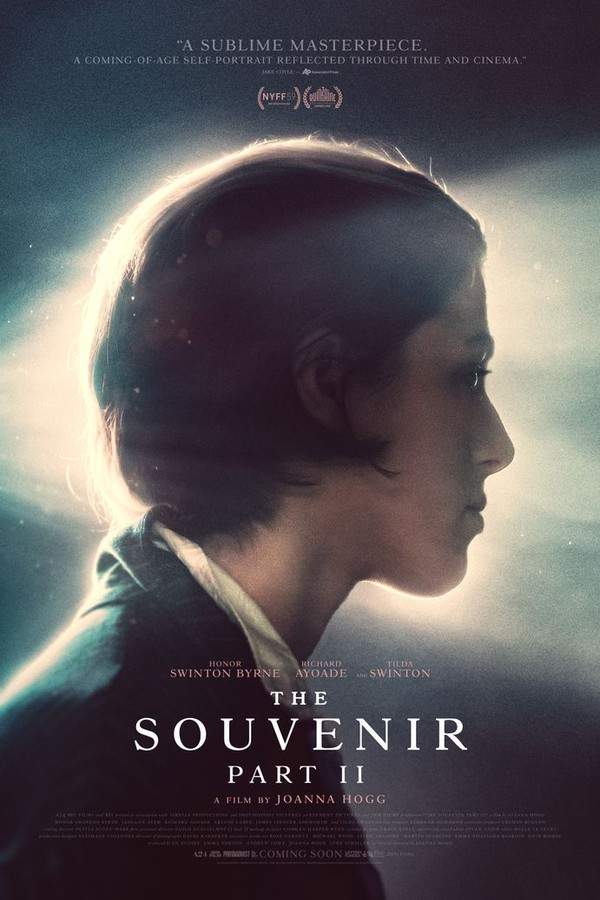
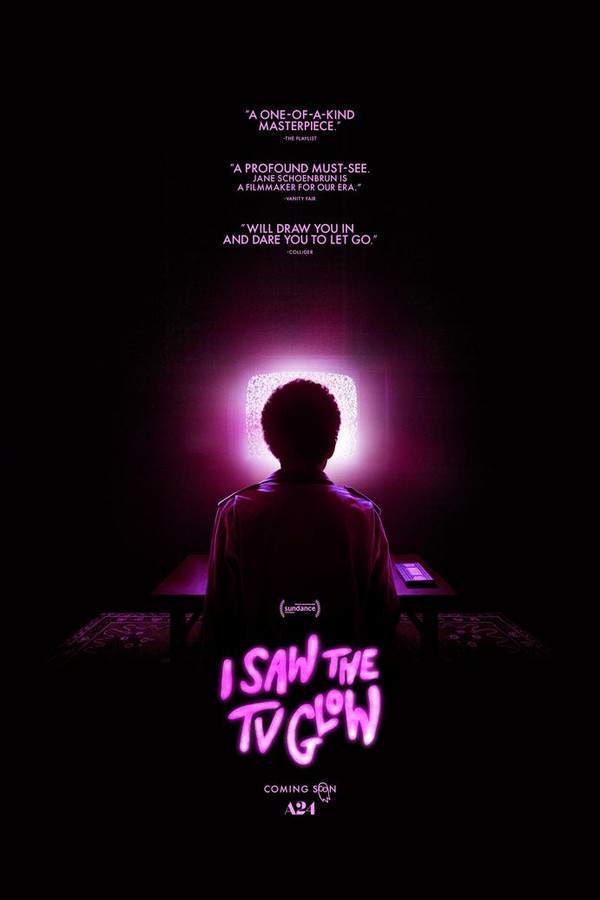
Bittersweet stories of teens grappling with dysfunction and self-discovery in muted settings. Find more somber coming-of-age stories like Set Me Free. These films feature teenagers navigating dysfunctional families and sexual awakening with a slow, melancholic pace and a heavy emotional weight, capturing the quiet desperation and bittersweet moments of adolescence.

  • melancholic
  • dysfunctional family
  • sexual awakening
  • isolated
  • introspective
  • adrift
  • Tone: melancholic, bittersweet, heavy
  • Pacing: slow, deliberate
Why these movies?

The story pattern: The narrative pattern follows a young protagonist enduring a strained home life, often marked by economic hardship or parental instability. Their journey is internal and gradual, involving dangerous explorations of sexuality and identity as they search for an escape, culminating in an ambiguous or bittersweet resolution that offers a sliver of hope without solving the underlying problems.

Why they belong together: These movies are united by their specific mood: a slow, heavy, and melancholic portrayal of teenage life. They share a similar emotional palette, pacing, and thematic focus on family dysfunction, sexual awakening, and the painful, quiet process of finding oneself.

If you liked this

Movies Like Set Me Free

Similar movies to Set Me Free: the same genre, themes or kind of story. Each one comes with its own plot summary, timeline and ending explained.

Browse all movie summaries

Every angle

Set Me Free (1999) Explained: Plot, Timeline & Characters

Everything about Set Me Free in one place: what happens in the plot summary, the timeline in chronological order, the characters and meaning and a spoiler-free summary. What's After the Movie adds the cast, box office and post-credit scenes.

Coming soon on iOS and Android

The Plot Explained Movie Summary App

Plot summaries, endings explained and timelines on your phone. Catch up on any movie in minutes, save your favorites and never miss a twist again.

Be the first to know when we launch. Your email stays private, always.

Learn more about the app