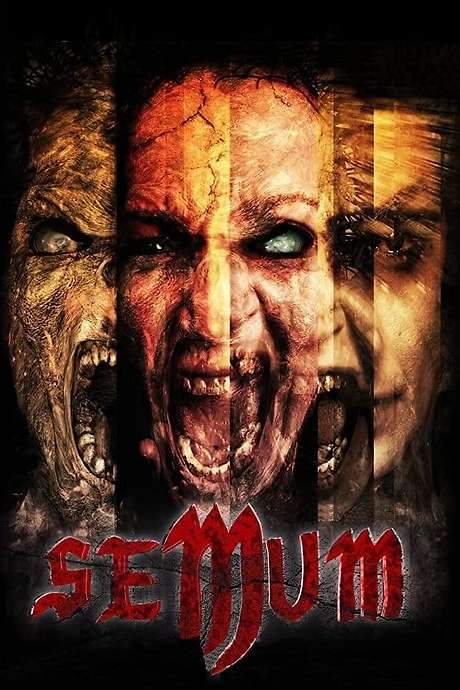
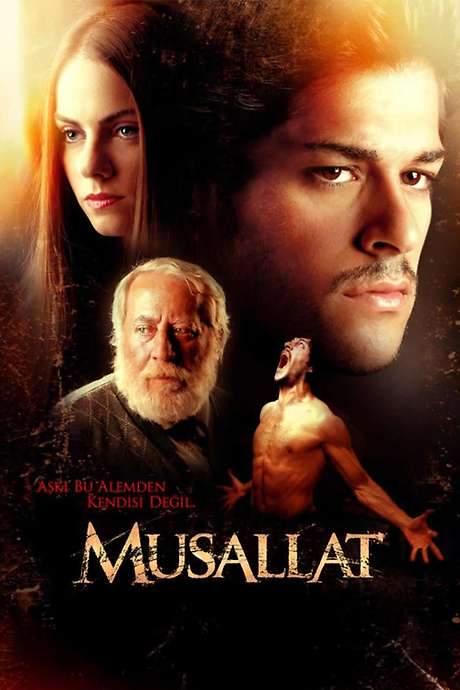
Canan [Ayça İnci] and her husband Volkan [Burak Hakkı] have just moved into a spacious, brand-new house, hoping to begin their life together with a sense of fresh possibility. The early days unfold with inviting normalcy: the couple settles in, routines form around the quiet rhythms of a new home, and the dream of a peaceful beginning feels within reach. Yet beneath the surface, Canan starts to notice odd, inexplicable happenings — small sounds, fleeting shadows, and a chill in rooms that should feel warm and safe. These sensations are easy to explain away at first, but they steadily grow more persistent and unsettling, leaving Canan increasingly unsettled as she struggles to understand what is happening to her.
A mysterious and malicious being, Semum [Nazlı Ceren Argon] takes control of her body and actions, and the atmosphere of the house shifts from uneasy to alarming. Canan’s behavior begins to change in ways she cannot anticipate or explain, and the people closest to her notice a growing distance between the woman they know and the person who now seems to be inhabiting her. The first part of the film follows Canan’s life as it is gradually upended by the demon’s influence. The once familiar home becomes a stage for fear, with intimate moments turning tense and fragile, and the couple’s trust strained as Canan’s choices start to diverge from the life she once envisioned. The sense of threat is not merely external; it seeps into everyday moments, turning ordinary conversations and routines into occasions for dread.
As the story moves into its second half, the tone broadens to engage with larger questions about faith, goodness, and the nature of evil through an Islamic lens. To guide these conversations, Mikail Hoca [Cem Kurtoğlu] enters the narrative, offering discussions about the nature of God, the meaning of good and evil, and the existence of the Devil. Through his dialogues, the film situates Canan’s personal ordeal within a wider spiritual framework, inviting viewers to consider how belief systems respond to fear and the unknown. The hospital-like precision of the medical explanations gives way to theological reflection, as characters grapple with questions that go beyond the surface of possession and into the realms of faith, doubt, and the human struggle to keep hold of one’s identity.
Within this cosmology, the demons are connected to ʿAzāzīl, a name that appears in Islamic tradition and is associated with Satan (Iblīs). The narrative uses this reference to frame the horror not merely as a personal affliction but as part of a larger spiritual contest between divine power and malevolent forces. The film acknowledges its roots in Islamic folklore while presenting its own cinematic interpretation of these timeless tensions. Director Hasan Karacadağ has asserted that Semum is an independent work, even as it nods to familiar exorcism tropes found in Western cinema. The result is a film that seeks to honor its cultural context by exploring fear through a distinctly Islamic lens rather than simply mirroring a Western template.
Throughout the drama, the study of fear is inseparable from the examination of faith. The house, once a symbol of safety and partnership, becomes a proving ground where Canan must confront not only the demon that has seized her but also the questions that arise when human vulnerability intersects with the unseen. The interactions with Mikail Hoca and the unfolding discourse about God and the Devil create a tension between the intimate, domestic horror and the broader metaphysical discussion that the film elevates as its central concern. By pairing a personal crisis with theological inquiry, Semum invites viewers to reflect on how people respond when faced with forces beyond their control and what it means to hold onto humanity in the face of possession.
In the end, the film presents a careful balance between atmosphere and idea, using the stark contrast between the couple’s everyday life and the supernatural menace to examine how fear can surface from within and how belief can shape the way that fear is understood and confronted. The result is a work that remains attentive to its characters — especially Canan, whose ordeal tests the strength of her own sense of self — while offering a thoughtful meditation on the interplay between faith, morality, and the mysteries of evil.