Plot Explained Spoilers guaranteed!
Plot Explained

Browse by genre

Seeing Heaven (2010) movie poster

Characters & Themes

Seeing Heaven (2010) Characters, Setting & Themes Explained

Release, runtime and language
2010 · 106 mins · English
Directed by
Ian Powell
Starring
Anthony Styles, Israel Cassol, Thomas Thoroe, Maximo Salvo, Denton Lethe, Alexander Bracq

Selling your body doesn’t mean selling your soul. A beautiful, young escort begins to experience vivid, trip‑like dreams that he cannot explain. Strangely, the same surreal visions appear for the clients he serves, leaving them both frightened and fascinated, and prompting a haunting exploration of desire, intimacy and the boundaries between flesh and spirit.

On this page (6)
  1. 1 Characters explained (4)
  2. 2 Where & when it takes place
  3. 3 Themes & meaning (2)
  4. 4 Character & meaning questions
  5. 5 Movie threads
  6. 6 Every angle

4 main characters · contains spoilers

Seeing Heaven Characters Explained: Who Is Who

The main characters of Seeing Heaven (2010), heroes and villains: what drives them, how they change over the course of the story and what each of them reveals about the film's bigger ideas.

  • Paul (Anthony Styles)

    A beautiful young escort with a unique ability to experience shared visions through sex. He is introspective, searching for his lost twin brother, and struggles with themes of self-discovery, desire, and danger. His journey is marked by vulnerability and a desire for transcendence.

    • 🌹 Beautiful
    • 🔍 Searching
    • 🧠 Sensitive
  • John Baxter (Film Director)

    An enigmatic filmmaker seeking to make films that transcend reality. He becomes a mentor to Paul, hoping his project will reveal greater truths. Baxter is deeply driven by a need for artistic immortality and understanding beyond the physical.

    • 🎬 Director
    • 🎨 Artistic
    • 🧭 Mentor
  • Zhivago (Denton Lethe)

    A bartender who offers a connection to the world of adult film and introduces Paul to Baxter. He maintains distance from Paul emotionally, perhaps sensing the deeper darkness within him. Zhivago acts as a subtle guide and a symbol of refuge.

    • 🍸 Calm
    • 📚 Reserved
    • 🔗 Connector
  • DeLeon (Anton Dickson)

    A sinister producer obsessed with purity in filmmaking, encouraging unsafe sex to achieve a pure vision. He embodies the darker side of the industry, pushing boundaries and risking destruction for artistic or personal gain.

    • 🎩 Manipulative
    • 🔥 Obsessive
    • 💀 Dark

Last updated: August 19, 2025 at 05:01

Was this helpful?

Setting

Where and When Does Seeing Heaven Take Place?

The setting of Seeing Heaven (2010): the year and time period, the places and locations, and how they shape the characters, the mood and the tension of the story.

Time period

The movie does not specify a precise time period, but its themes and visual style suggest a contemporary setting. The references to modern filmmaking techniques and contemporary social issues place it in the present day or recent years, emphasizing current attitudes toward sexuality and identity.

Location

City with vibrant nightlife and film industry

The movie is set in a city characterized by its vibrant nightlife and active film scene. It serves as a backdrop for Paul’s journey through the adult entertainment and artistic worlds, reflecting a place where secrets are hidden behind bright lights. The city's atmosphere underscores the themes of illusion and reality in the film.

  • 🌆 Urban
  • 🎥 Film industry
  • 🌃 Nightlife

Last updated: August 19, 2025 at 05:01

Was this helpful?

2 major themes

Seeing Heaven Meaning: Themes & Message Explained

What is Seeing Heaven (2010) really about? The emotional, social and philosophical themes the film keeps returning to, its symbolism and the message beneath the surface.

  • Darkness and Light

    The film explores the duality of human nature, contrasting outer beauty and inner darkness. Paul’s visions and dreams reveal a world of both transcendence and danger, symbolizing the conflict between the body and the spirit. The journey highlights how personal struggles can lead to self-awareness or self-destruction.

  • Identity

    Identity is a central theme, as Paul searches for his twin brother and his own self amid a confusing landscape of desires and fears. The narrative delves into how appearances can be deceiving and how inner truths can be hidden beneath surface beauty, prompting reflection on what truly defines a person.

Last updated: August 19, 2025 at 05:01

Was this helpful?

Character & theme questions

Seeing Heaven Characters & Meaning: Your Questions Answered

The questions people ask about Seeing Heaven (2010): who the characters really are, their relationships, what the symbols mean, where it takes place and what the movie is really about. Each answer contains spoilers.

Q1

Where is Seeing Heaven set?

The movie is set in a city known for its vibrant nightlife and active film industry. This urban environment serves as the backdrop for Paul's journey through the adult entertainment and artistic worlds, with the city's bright lights hiding secrets and reflecting the film's themes of illusion versus reality.

  • setting
  • city
  • nightlife
  • film industry
  • urban
Q2

When does the story take place?

The movie does not specify an exact time period, but its visual style and themes suggest a contemporary setting. References to modern filmmaking techniques and current social attitudes toward sexuality and identity place it in the present day or recent years.

  • time period
  • contemporary
  • modern
  • setting
Q3

What are the main themes of Seeing Heaven?

The film explores two primary themes: Darkness and Light, examining the duality of human nature where outer beauty contrasts with inner darkness, symbolizing the conflict between body and spirit. The second major theme is Identity, as Paul searches for his lost twin brother and himself amid desires and fears, questioning what truly defines a person when appearances can be deceiving.

  • themes
  • darkness and light
  • identity
  • duality
  • self-discovery
Q4

Who is Paul in the movie?

Paul is a beautiful young escort who possesses a unique ability to experience shared visions through sexual encounters. He is introspective and actively searching for his lost twin brother, making his journey one of self-discovery, desire, and danger. His vulnerability drives him toward both transcendence and potential self-destruction.

  • Paul
  • escort
  • protagonist
  • visions
  • twin brother
Q5

Who is John Baxter?

John Baxter is an enigmatic filmmaker who serves as Paul's mentor throughout the story. He is driven by a quest to make films that transcend reality and achieve artistic immortality. Baxter believes his project with Paul can reveal greater truths, representing the pursuit of understanding beyond the physical world.

  • John Baxter
  • director
  • filmmaker
  • mentor
  • artistic
Q6

What role does Zhivago play in the story?

Zhivago is a bartender who acts as a bridge connecting Paul to the world of adult filmmaking. He introduces Paul to director John Baxter, serving as a subtle guide through this darker landscape. Zhivago maintains emotional distance from Paul, possibly sensing the deeper darkness within him, and functions as a symbol of refuge in an otherwise perilous environment.

  • Zhivago
  • bartender
  • guide
  • adult film
  • Denton Lethe
Q7

Who is DeLeon and what does he represent?

DeLeon is a sinister film producer who becomes obsessed with the concept of purity in filmmaking. He encourages unsafe sexual practices among performers to achieve what he calls a pure artistic vision. DeLeon embodies the darker side of the entertainment industry, representing those who push dangerous boundaries risking destruction for personal or artistic gain.

  • DeLeon
  • producer
  • antagonist
  • exploitation
  • Anton Dickson
Q8

What does the film say about identity?

The film presents identity as a central, complex question. Paul's search for his twin brother mirrors his deeper search for self, exploring how personal struggles can lead to either self-awareness or self-destruction. The narrative suggests that appearances are deceiving and inner truths often hide beneath surface beauty, making the question of what truly defines a person a core philosophical concern.

  • identity
  • twin brother
  • self-discovery
  • appearance
  • truth
Q9

How does the movie explore the body versus spirit?

Seeing Heaven directly grapples with the conflict between flesh and spirit through Paul's shared visions, which occur during intimate encounters yet transcend the physical realm. The film suggests these experiences reveal both transcendence and danger, symbolizing how personal struggles with desire can lead to spiritual awakening or annihilation.

  • body
  • spirit
  • soul
  • visions
  • transcendence
Q10

How does the city's nightlife influence the story?

The city's vibrant nightlife serves as more than just a backdrop, it embodies the film's themes of illusion and reality. The adult entertainment world exists in the shadows of this glamorous urban landscape, where secrets are hidden behind bright lights. This setting creates an atmosphere where the boundaries between what is real and what is performed become increasingly blurred for Paul.

  • nightlife
  • illusion
  • reality
  • urban
  • atmosphere

Movie threads

More Movies Like Seeing Heaven, by Mood & Story

Curated lists built around what makes Seeing Heaven tick: the same mood, the same kind of story or the same emotional payoff. Each list explains why these movies belong together.

Dreamlike psychological thrillers like Seeing Heaven

Stories where the boundaries between dreams, reality, and identity blur. If you liked the haunting, surreal visions in Seeing Heaven, you'll find similar movies here. These films blend psychological drama with elements of horror and fantasy, using dreamscapes to explore themes of identity, obsession, and inner turmoil. They share a dark, atmospheric tone and a heavy emotional weight.

  • dreamlike
  • unsettling
  • atmospheric
  • psychological
  • haunting
  • introspective
  • Tone: dark, unsettling, melancholic
  • Pacing: steady, atmospheric
Why these movies?

The story pattern: Movies in this thread typically follow a protagonist experiencing inexplicable visions or dreams that challenge their perception of reality. The narrative often involves a mystery tied to the protagonist's own psyche or past, leading them on an obsessive and emotionally draining journey to uncover a disturbing truth.

Why they belong together: These films are grouped by their shared use of surreal, dreamlike visuals to create psychological tension. They prioritize atmosphere and mood over conventional plotting, resulting in a similar vibe that is unsettling, introspective, and visually rich, often leaving the audience with ambiguous conclusions.

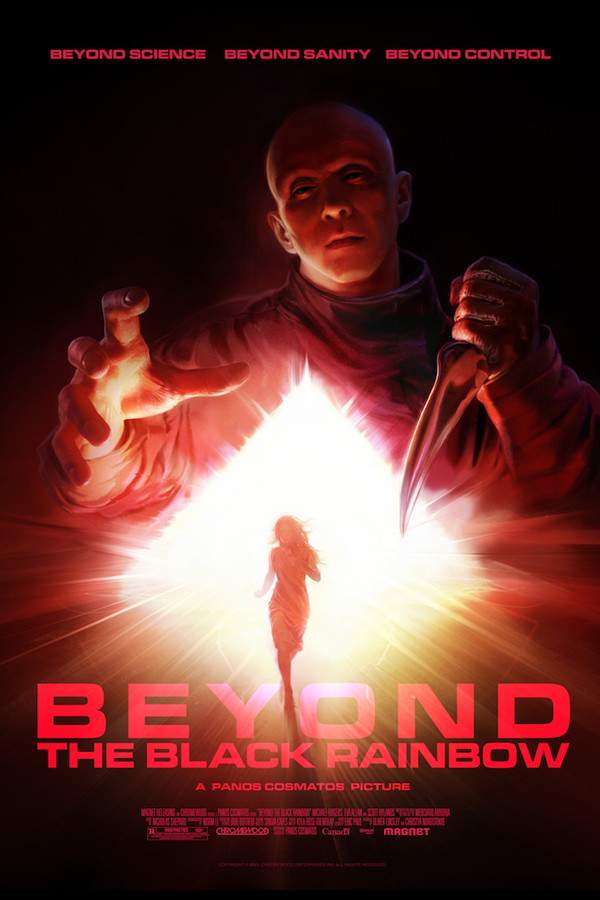
Movies about body and spirit like Seeing Heaven

Explorations of spirituality amidst gritty, exploitative realities. Discover movies similar to Seeing Heaven that explore the conflict between flesh and spirit. These dramas and thrillers often involve characters in morally complex or exploitative situations, leading to a haunting examination of desire, loneliness, and the search for something sacred within the profane.

  • sensual
  • melancholic
  • haunting
  • introspective
  • atmospheric
  • unsettling
  • Tone: dark, sensual, melancholic
  • Pacing: steady, introspective
Why these movies?

The story pattern: The narrative pattern involves a character entrenched in a world that commodifies or degrades the body—such as sex work or addiction—who begins to experience phenomena that suggest a deeper, spiritual dimension to their existence. This creates an internal conflict and a desperate search for authenticity and connection, often with a melancholic or ambiguous resolution.

Why they belong together: These films are united by their central thematic conflict between physical existence and spiritual yearning. They share a dark, sensual atmosphere, a steady, introspective pace, and a heavy emotional weight derived from the protagonist's psychological and existential distress.

Every angle

Seeing Heaven (2010) Explained: Plot, Timeline & Characters

Everything about Seeing Heaven in one place: what happens in the plot summary, the timeline in chronological order, the characters and meaning and a spoiler-free summary. What's After the Movie adds the cast, box office and post-credit scenes.

Coming soon on iOS and Android

The Plot Explained Movie Summary App

Plot summaries, endings explained and timelines on your phone. Catch up on any movie in minutes, save your favorites and never miss a twist again.

Be the first to know when we launch. Your email stays private, always.

Learn more about the app