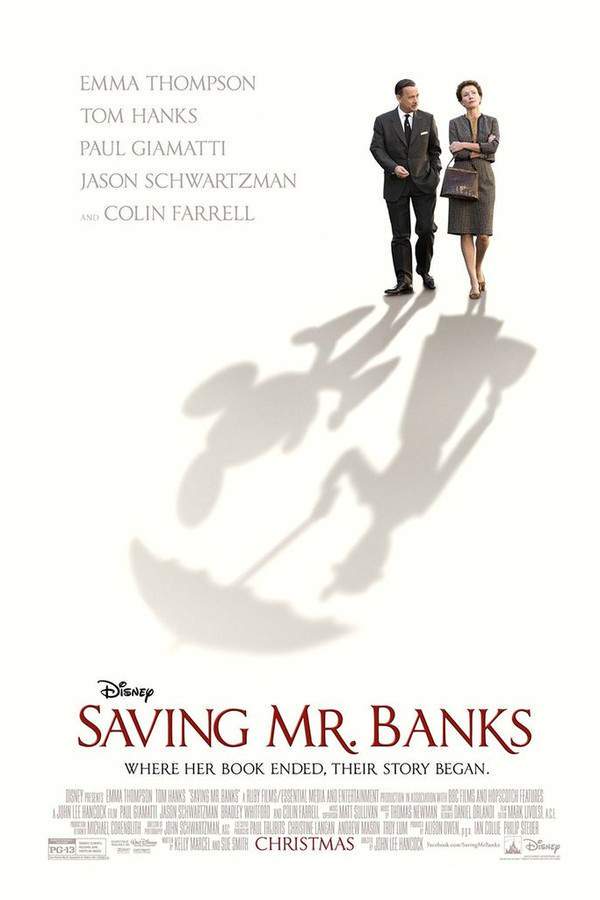
Saving Mr. Banks

Walt Disney makes a promise to his daughters to adapt their favorite book, Mary Poppins, into a film. However, fulfilling that promise proves challenging as he encounters P.L. Travers, the novel’s fiercely protective author. A lengthy and complex negotiation ensues, marked by a clash of creative visions and personalities, as Travers insists on preserving the heart and magic of her beloved character. The film explores the unexpected bond that develops between the two as Disney strives to bring Mary Poppins to the big screen.
Where to Watch Saving Mr. Banks?
Find where to stream, rent, or buy Saving Mr. Banks (2013) in the US with current JustWatch availability, up-to-date pricing, and platform listings for subscription, rental, and digital purchase options.







Warning: spoilers below!
Haven’t seen Saving Mr. Banks yet? This summary contains major spoilers. Bookmark the page, watch the movie, and come back for the full breakdown. If you're ready, scroll on and relive the story!
Saving Mr. Banks (2013) – Full Plot Summary & Ending Explained
Read the complete plot breakdown of Saving Mr. Banks (2013), including all key story events, major twists, and the ending explained in detail. Discover what really happened, and what it all means.
In 1961 London, we follow Pamela “P. L.” Travers (Emma Thompson), a financially strapped author who is reluctantly compelled to journey to Los Angeles. This trip happens at the insistence of her agent, Diarmuid Russell (Ronan Vibert), leading her to a meeting with Walt Disney (Tom Hanks). For two long decades, Disney has pursued Travers, hoping to secure the film rights to her beloved Mary Poppins stories at the behest of his daughters, who are eager to see the character brought to life on screen. However, Travers has serious reservations about handing over her creation, primarily because she views Disney, known for his animated films, with disdain.
Travers’ childhood in Allora, Queensland, during 1906 comes to life through poignant flashbacks, revealing how it deeply influenced her Mary Poppins narrative. In these recollections, we see her bond with her charming but troubled father, Travers Robert Goff (Colin Farrell), who battles alcoholism.
Upon her arrival in Los Angeles, Travers is immediately struck by the city’s superficial charm and the overly friendly disposition of its residents, highlighted by her affable limo driver, Ralph (Paul Giamatti). At the Walt Disney Studios in Burbank, she begins working alongside a creative team that includes screenwriter Don DaGradi (Bradley Whitford) and the renowned music composers Richard and Robert Sherman (Jason Schwartzman and B.J. Novak). Travers finds their laid-back attitudes and creative assumptions utterly inappropriate, and she feels an immediate surge of irritation upon encountering Disney himself.
Travers struggles to cooperate with the creative team, insisting that Mary Poppins resists sentimentality and whimsicality. This stance baffles Disney and his team, especially given the imaginative essence of the Mary Poppins story and the vividness of Travers’ own childhood memories. One of her chief complaints involves the portrayal of George Banks, a character she feels is being grossly mischaracterized, which leads her to leave a development session in tears. It soon becomes clear to the team how intimately Mary Poppins is connected to Travers’ own life experiences and the characters that embody her past.
For instance, George Banks is modeled after Travers’ father, who, struggling with alcoholism while serving as a bank manager in Australia, faced ridicule from his superiors and community, impacting Travers significantly. The creative team’s interpretation of Banks as a ruthless banker leaves Travers feeling misrepresented. Furthermore, the character of Mary Poppins hints at the impact of a strict nanny hired during her father’s illness, a woman who assured Travers that she would “fix everything.” After her father’s death, Travers unfairly channels her grief towards the nanny.
Despite her mounting disengagement, Travers continues to collaborate with the team. As old wounds from her childhood resurface, Disney takes it upon himself to understand her turmoil, even inviting her to Disneyland. This leads to a budding friendship with Ralph and a softening perspective towards the revisions the team has made to George Banks’ character, as well as the inclusion of a new song intended to close the film. Travers begins to reconnect with her imagination and engage enthusiastically with the creative process.
However, this hopeful progression is abruptly interrupted when Travers discovers that the film will include an animated segment, a choice she vehemently opposes. She confronts Disney, indignantly asserting that she will not relinquish the film rights, and she ultimately departs for London. Unbeknownst to Travers, Disney learns that her real name is Helen Goff and, armed with a fresh understanding of her struggles, he travels to London with a resolve to seek her collaboration once more.
In a surprising visit to Travers’ home, Disney candidly shares aspects of his own challenging childhood and emphasizes the therapeutic potential of storytelling, urging her to let go of her deep-seated disillusionment. This heartfelt conversation persuades Travers to finally grant him the rights to her beloved character.
Fast forward to 1964, as Mary Poppins nears its world premiere at the famed Grauman’s Chinese Theatre. Disney, fearing a negative reaction from Travers, has not invited her to the event. Spurred on by her agent, she decides to travel to Los Angeles, crashing Disney’s office to secure an invitation. As she watches Mary Poppins, Travers starts with skepticism, particularly reacting poorly to the animated sequence. Surprisingly, as the film unfolds, she finds herself touched by the portrayal of George Banks’ redemption—a moment that resonates profoundly with her own past.
The film concludes with a heartfelt touch, as a recorded session featuring Travers alongside the Sherman Brothers and DaGradi plays during the end credits, capturing the essence of her journey.
Last updated: November 03, 2024 at 20:30
Saving Mr. Banks (2013) Plot Questions Answered – Summary FAQ
Explore frequently asked questions about Saving Mr. Banks (2013) with spoiler-rich answers covering the full plot summary, major story beats, character motivations, hidden details, and ending meaning. This movie summary FAQ helps explain confusing scenes, plot twists, and narrative decisions in clear, searchable detail.
Why was P.L. Travers so resistant to Disney making Mary Poppins?
Travers believed Disney would trivialize her creation. She had spent decades protecting Mary Poppins as a serious children's book with emotional depth, and she distrusted Disney's reputation for animated films, fearing he would add sentimentality and whimsy that would betray the story's true heart.
Early in the film, Travers explicitly states that Mary Poppins must avoid sentimentality and whimsy, immediately setting up her resistance.
Why does P.L. Travers care so much about how George Banks is portrayed?
George Banks is directly modeled after Travers' own father, Travers Robert Goff, who was a bank manager in Australia struggling with alcoholism. The team's interpretation of Banks as a ruthless banker felt like a misrepresentation of her father, triggering deep emotional wounds from her childhood.
The flashbacks to 1906 Queensland reveal her father's charm and struggles, establishing the personal connection to the character.
How did Travers' childhood influence Mary Poppins?
Travers' childhood in 1906 Queensland with her charming but troubled father, who battled alcoholism, became the emotional core of Mary Poppins. The character of Mary Poppins herself hints at a strict nanny hired during her father's illness, who assured young Travers she would fix everything. After her father's death, Travers unfairly channeled her grief toward that nanny.
The film explicitly connects the nanny figure in the story to Travers' real-life experiences.
Why did P.L. Travers oppose animated sequences in Mary Poppins?
Travers viewed animated sequences as another example of Disney trivializing her work. She had already fought against what she perceived as Disney's tendency to add whimsy and sentimentality, and the animated segment represented everything she feared would corrupt her beloved story's integrity.
This conflict emerges after she had begun softening toward the team, making her sudden opposition more impactful.
How did Walt Disney finally convince P.L. Travers to give up the film rights?
Disney traveled to London and visited Travers at her home. There, he shared his own difficult childhood experiences and emphasized the therapeutic power of storytelling. This heartfelt conversation, built on mutual understanding of childhood trauma, persuaded Travers to finally grant him the rights.
Disney first learns Travers' real name is Helen Goff, giving him the personal insight needed to connect with her.
Why was Travers moved by the film at the premiere?
Travers was moved because the film's portrayal of George Banks' redemption resonated with her own past. Watching Banks transform and find redemption mirrored her own unresolved feelings about her father, providing her with a form of catharsis she hadn't expected from Disney's adaptation.
The film's ending shows Banks being redeemed, which directly mirrors the emotional journey Travers has been on.
What was the purpose of Travers' friendship with Ralph the limo driver?
Ralph provided Travers with a grounded, genuine connection in the unfamiliar world of Los Angeles. His authentic kindness helped her gradually soften toward the Disney team and re-engage with her own imagination. This friendship represented the human element that helped Travers reconnect with the creative process.
Ralph is introduced as the overly friendly limo driver who immediately contrasts with Travers' reserved nature.
Why did Travers leave a development session in tears?
Travers left in tears because the creative team's interpretation of George Banks as a ruthless banker felt like a direct attack on her father's memory. The misrepresentation, combined with the stress of revisiting her painful childhood memories, overwhelmed her during the development session.
This moment occurs after the team dismisses her concerns about sentimentality, building tension throughout the collaboration.
Why did Walt Disney want to make Mary Poppins into a film?
Disney pursued the film rights for two decades at the behest of his two daughters, who were eager to see their favorite book character brought to life on screen. This personal motivation from his family drove his persistent pursuit of Travers.
The film opens with Disney making a promise to his daughters about adapting the book.
Why did P.L. Travers finally agree to meet with Disney?
Travers was facing financial difficulties in 1961 London. Her agent, Diarmuid Russell, persuaded her to travel to Los Angeles to meet with Disney, essentially forcing the meeting due to her monetary situation, despite her long-standing resistance to the idea.
The film opens with Travers in financial straits, establishing the practical reason for her reluctant journey.

Explore Movie Threads
Discover curated groups of movies connected by mood, themes, and story style. Browse collections built around emotion, atmosphere, and narrative focus to easily find films that match what you feel like watching right now.
Movies about creative conflict like Saving Mr. Banks
Stories where strong-willed creators clash over the soul of their work.If you enjoyed the behind-the-scenes drama of Saving Mr. Banks, this section features movies about artists, writers, and filmmakers fighting for their vision. Discover similar stories of creative collaboration, clashes of ego, and the delicate art of compromise in filmmaking and artistic creation.

Curtiz
2020
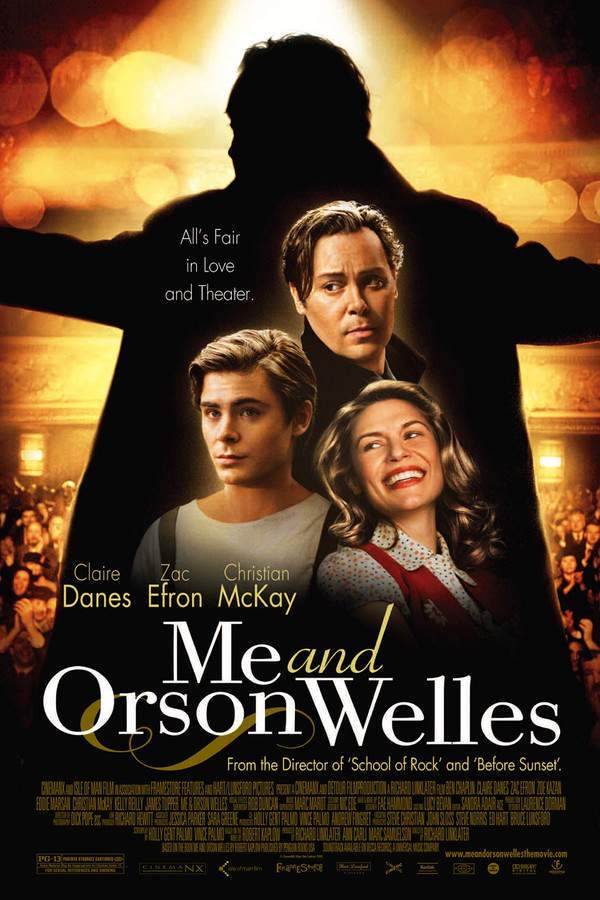
Me and Orson Welles
2009

Stage Beauty
2004

Words and Pictures
2014
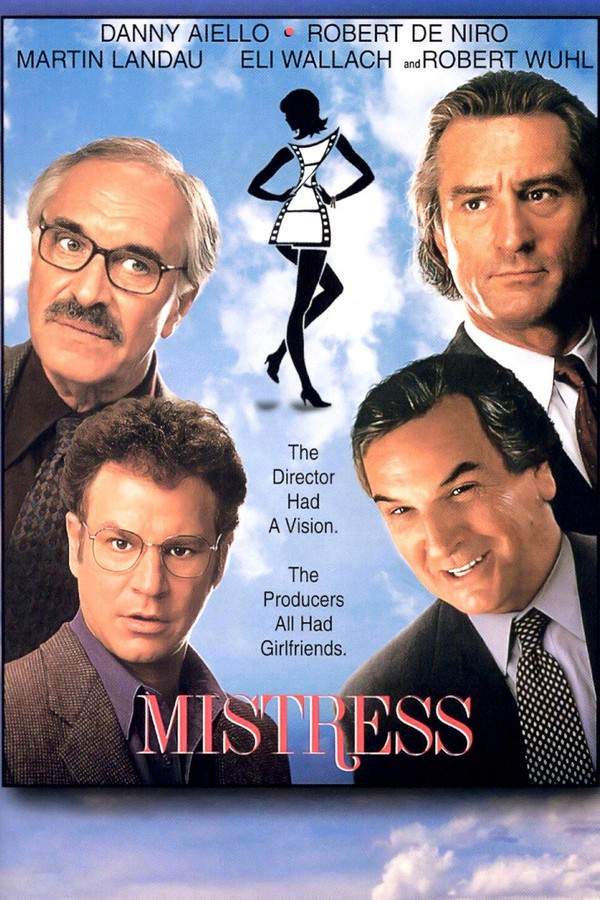
Mistress
1992
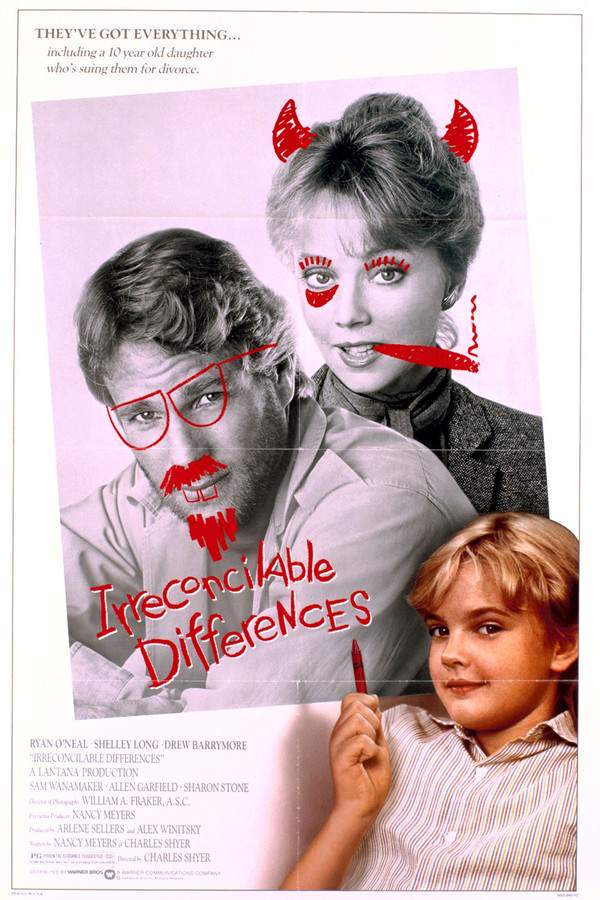
Irreconcilable Differences
1984

The Icarus Line Must Die
2018

The Actress
2011

As It Is in Heaven
2004
Swarabhishekam
2004

For Your Consideration
2020
Impromptu
1991

Look for the Silver Lining
1949

Talentime
2009

Tick Tick Boom
2009
Narrative Summary
These narratives typically center on a clash between two or more strong personalities, often an artist protective of their original work and a producer or collaborator with a different, more commercially-minded vision. The plot follows their negotiations, arguments, and moments of breakthrough, building toward a resolution that may involve painful compromise or a surprising meeting of minds.
Why These Movies?
Movies in this thread share a focus on the creative process as a form of human drama. They are united by a bittersweet tone, medium emotional weight, and a steady pacing that allows the audience to appreciate the nuances of the conflict and the gradual development of respect between adversaries.
Movies with emotional flashbacks like Saving Mr. Banks
Where present-day struggles are slowly explained by poignant glimpses into the past.For viewers who appreciated how Saving Mr. Banks used memories to explain P.L. Travers' present behavior, this collection highlights films with a similar narrative structure. Explore movies where a character's guarded personality or deep-seated pain is unraveled through poignant flashbacks, leading to emotional resolution.

Past Lives
2023

Eternal Sunshine of the Spotless Mind
2004

Snow Flower and the Secret Fan
2011

A Soldier's Daughter Never Cries
1998
Moving On
2023
Random Harvest
1942

The Children's Train
2024

Echoes of the Rainbow
2010

The Drawer Boy
2017

Carrie’s War
2004

Aftersun
2006

Late Autumn
1960

This Happy Breed
1944

Elizabeth of Ladymead
1948

Lost in Yonkers
1993
Narrative Summary
The narrative structure alternates between a present-day storyline, where a character is resistant or emotionally guarded, and a past timeline that gradually reveals the source of their pain—often involving childhood, family trauma, or loss. The two timelines are carefully interwoven, with revelations in the past directly explaining conflicts in the present, building toward a cathartic moment of acceptance or understanding.
Why These Movies?
These films are grouped by their shared use of a dual-timeline structure to explore psychological depth. They create a moderate complexity for the viewer and carry a melancholic yet hopeful mood. The emotional journey is central, focusing on themes of grief, redemption, and the long shadow of family history.
Unlock the Full Story of Saving Mr. Banks
Don't stop at just watching - explore Saving Mr. Banks in full detail. From the complete plot summary and scene-by-scene timeline to character breakdowns, thematic analysis, and a deep dive into the ending - every page helps you truly understand what Saving Mr. Banks is all about. Plus, discover what's next after the movie.
Saving Mr. Banks Timeline
Track the full timeline of Saving Mr. Banks with every major event arranged chronologically. Perfect for decoding non-linear storytelling, flashbacks, or parallel narratives with a clear scene-by-scene breakdown.

Characters, Settings & Themes in Saving Mr. Banks
Discover the characters, locations, and core themes that shape Saving Mr. Banks. Get insights into symbolic elements, setting significance, and deeper narrative meaning - ideal for thematic analysis and movie breakdowns.


Similar Movies to Saving Mr. Banks
Discover movies like Saving Mr. Banks that share similar genres, themes, and storytelling elements. Whether you’re drawn to the atmosphere, character arcs, or plot structure, these curated recommendations will help you explore more films you’ll love.





Explore More About Movie Saving Mr. Banks
Saving Mr. Banks (2013) Scene-by-Scene Movie Timeline
Saving Mr. Banks (2013) Movie Characters, Themes & Settings
Saving Mr. Banks (2013) Spoiler-Free Summary & Key Flow
Movies Like Saving Mr. Banks – Similar Titles You’ll Enjoy
Bambi (1942) Full Summary & Key Details
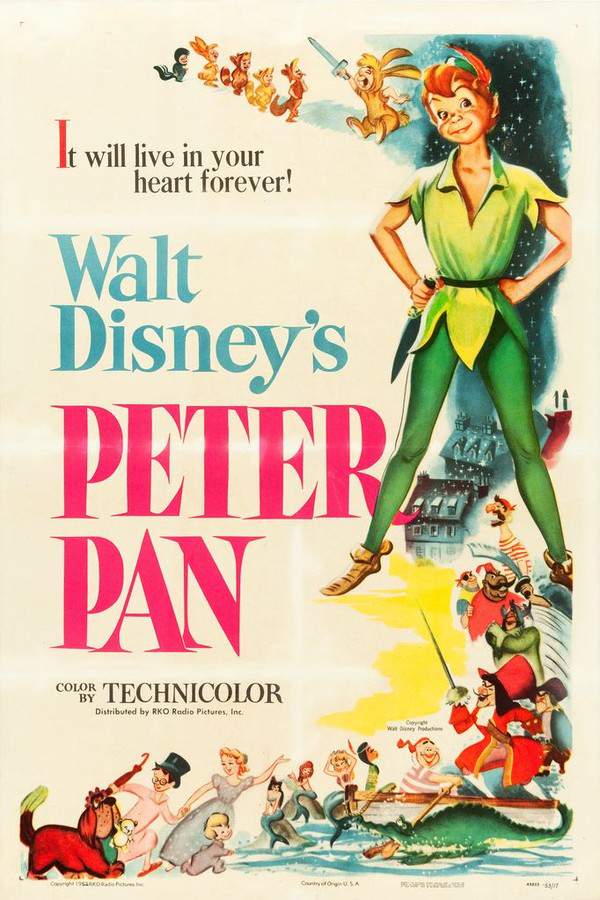
Peter Pan (1953) Movie Recap & Themes
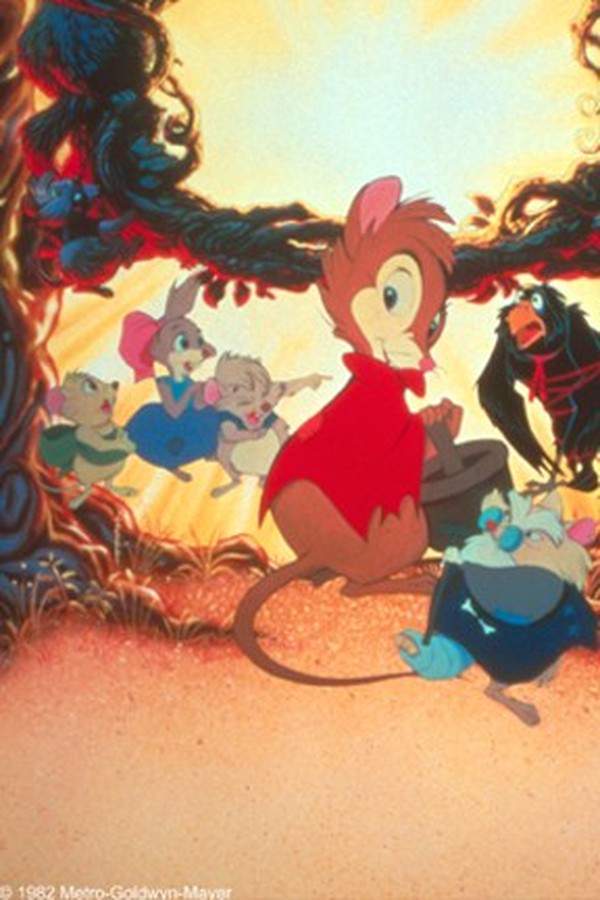
The Secret of NIMH (1982) Full Movie Breakdown
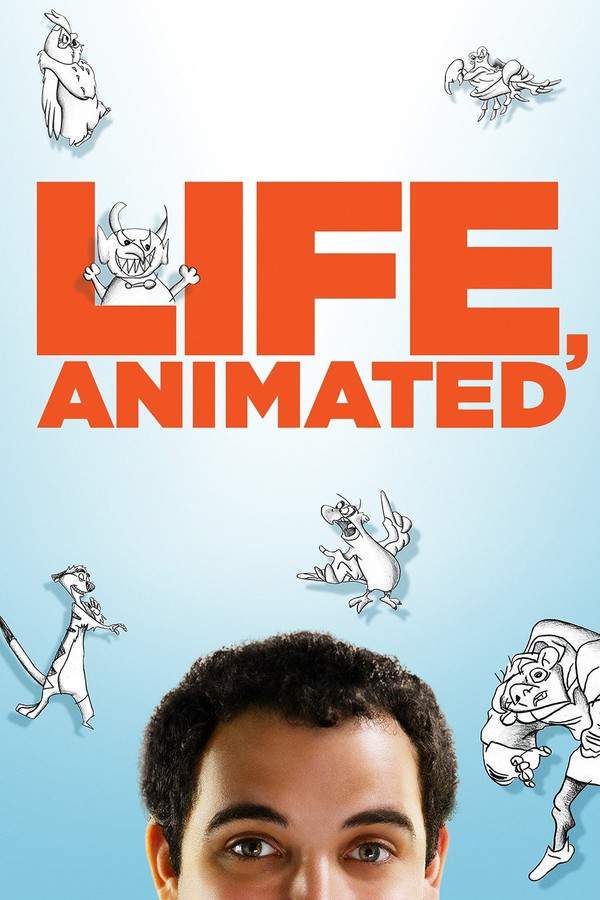
Life, Animated (2016) Detailed Story Recap
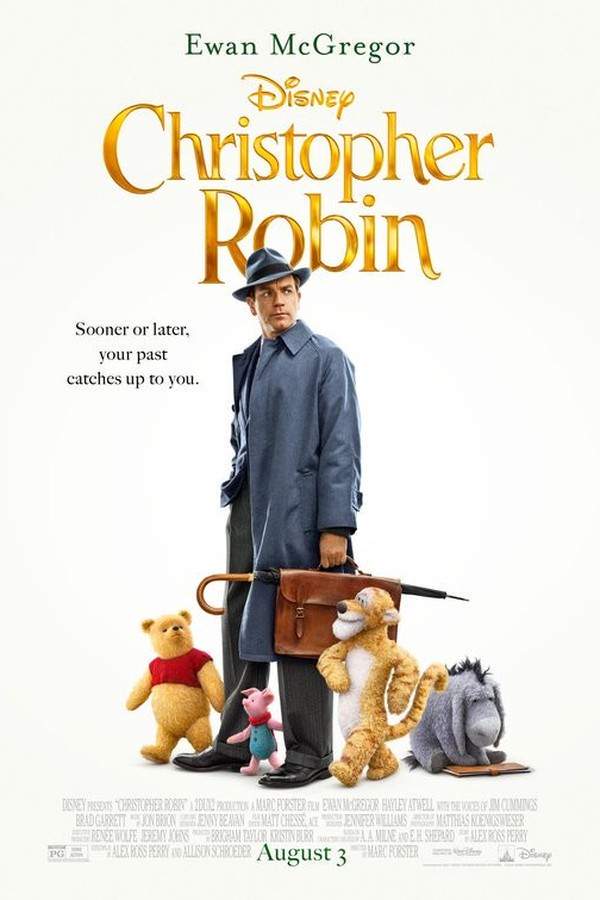
Christopher Robin (2018) Story Summary & Characters
Mary Poppins (1964) Spoiler-Packed Plot Recap
Goodbye Christopher Robin (2017) Plot Summary & Ending Explained
Mary Poppins Returns (2018) Full Summary & Key Details
Pan (2015) Story Summary & Characters
Finding Neverland (2004) Ending Explained & Film Insights
Dumbo (1941) Detailed Story Recap
Dumbo (2019) Full Summary & Key Details
Cinderella (1914) Story Summary & Characters
Mickey (1918) Ending Explained & Film Insights
Mickey (1918) Film Overview & Timeline