Year: 1964
Runtime: 139 min
Language: English
Director: Robert Stevenson
Facing financial hardship and the potential loss of their home, the Banks family is in desperate need of a miracle. As bank teller Michael Banks struggles to find a lost inheritance certificate, the magical Mary Poppins returns to bring enchantment and wonder back into their lives. She guides them on a fantastical journey filled with laughter, adventure, and heartwarming moments, helping them rediscover the importance of family, imagination, and believing in the impossible.
Warning: spoilers below!
Haven’t seen Mary Poppins yet? This summary contains major spoilers. Bookmark the page, watch the movie, and come back for the full breakdown. If you're ready, scroll on and relive the story!
Read the complete plot breakdown of Mary Poppins (1964), including all key story events, major twists, and the ending explained in detail. Discover what really happened—and what it all means.
In Edwardian London, 1910, Winifred Banks returns home after a suffragette rally to discover that Jane and Michael have wandered off again—this time “for the fourth time this week”—leaving their stern father George to post a strict newspaper ad for a no-nonsense nanny. Their own impulsive plea for a kind, understanding caretaker is ripped up by George, and the scraps are tossed into the fireplace. That night, a powerful wind lifts those scraps up the chimney and into the sky, setting the stage for a remarkable arrival.
The next day, a queue of sour-faced nannies gathers outside the Banks household, only to be swept away by a gust of air. Into the scene glides a young woman who floats down with an open umbrella: Mary Poppins Julie Andrews. She arrives with the children’s advertisement in hand, the torn scraps mysteriously restored, and she promises to be firm yet fair. George is skeptical, yet Mary convinces him to hire her, while displaying a knack for transforming the nursery chores into something magical. The trio soon finds themselves orbiting around a blend of practicality and enchantment as Mary gently reshapes the children’s world.
In a park, Mary is joined by Bert, a versatile street artist who seems to know every corner of London. Mary transports the group into one of Bert’s drawings, and the children ride a carousel as Bert and Mary sing along. The mood lightens as they participate in a playful horse race, a moment Mary marks with the whimsical term she loves to wield, Supercalifragilisticexpialidocious, a word that becomes a running symbol of their adventures. When a thunderstorm dissolves the drawing, the group returns to the real city, and Mary ends the day with a soothing lullaby at the children’s bedside.
The following day, Mary and the children visit Bert’s eccentric uncle Albert, whose endless laughter makes him float. George’s patience wears thin as the household’s buoyant atmosphere clashes with his gravity-bound expectations, and he contemplates firing Mary. She persuades him to take the children to his workplace, and later, her lullabies deepen the sense of domestic warmth, including a song about a woman selling bird food on the steps of St. Paul’s Cathedral. The next morning, a trip to the bank introduces Michael to the stern Mr. Dawes Sr., who seems to attract trouble as he urges Michael to invest his tuppence and then calmly pockets it. The scene broadens into chaos as a bank run begins, with customers clamoring for their money back.
Jane and Michael run from the bank and lose themselves in the East End, only to be guided home by Bert, who now works as a chimney sweep. The trio, guided by Mary, climbs onto the rooftops where Bert dances with the other chimney sweeps. A crucial moment arrives when George learns of a meeting at the bank; the children overhear and worry about the family’s future. Bert’s advice to spend more time with the kids nudges George toward reconciliation, and Michael’s gesture of giving back the tuppence triggers a quiet transformation in his father. George walks through London toward the bank and faces a humbling cashiering, but his testimony becomes a turning point: he redeems himself with a heartfelt joke that echoes through the story.
Supercalifragilisticexpialidocious
Mr. Dawes Sr. eventually understands the joke and floats upward, laughing as the old banker finds a strange, comforting happiness in the moment. The next day, Mary tells the children that her work is nearly done. The Banks family completes a kite-flying outing—an act that strengthens their bond and signals a hopeful future. At the park, they meet Mr. Dawes Jr., who reveals his father died laughing and who rehires and promotes George, recognizing the bank’s renewed faith in the Bankses. Mary watches with a mix of tenderness and resolve, sensing that her purpose in the family has been fulfilled. She prepares to depart, while Bert watches the sky and gently says goodbye.
As Mary wings away, the family’s cohesion feels newly earned, and they savor a moment of quiet triumph. The film’s final image is one of warmth and renewal: a child’s kite catching the breeze, a father who has learned to balance duty with affection, and a cheerful city that has welcomed a little magic without losing its heart. The legacy of Mary Poppins echoes in the lingering sense that kindness, discipline, and a touch of wonder can coexist to transform a home—and a family—forever.

Last Updated: October 09, 2025 at 15:41
Discover curated groups of movies connected by mood, themes, and story style. Browse collections built around emotion, atmosphere, and narrative focus to easily find films that match what you feel like watching right now.
A wondrous outsider brings magic and healing to a troubled family.Discover films where a magical being or whimsical outsider arrives to help a family in need, much like in Mary Poppins. If you loved the enchanting guidance and joyful adventures, you'll find similar stories of wonder and domestic healing in these movies.
These stories typically follow a family unit struggling with emotional distance or a practical problem. The arrival of a magical catalyst disrupts their routine, introducing whimsy and impossible solutions. The narrative is driven by episodic adventures that teach heartfelt lessons, culminating in the family's emotional reconciliation and a return to stability, now infused with newfound magic.
These films are grouped by their shared core premise of external, benevolent magic solving internal family strife. They share a whimsical tone, low intensity, and a focus on comfort, joy, and the power of belief, creating a consistently uplifting and enchanting viewing experience.
Uplifting stories where song and fantasy guide characters back to what matters.If you enjoyed the blend of live-action storytelling with animated sequences and memorable songs in Mary Poppins, explore these films. They capture a similar vibe of cheerful musical numbers driving a narrative of rediscovery and lighthearted, family-friendly magic.
The plot follows a character or family who has lost their sense of wonder, often due to adult responsibilities. The story uses musical numbers as pivotal turning points, seamlessly transitioning into animated or highly stylized fantasy worlds. These journeys are not just for entertainment but serve as metaphorical lessons, breaking down cynicism and rebuilding a sense of joy and belief in the impossible.
This thread connects films through their unique combination of the musical genre with fantasy elements and a strongly whimsical tone. They share a specific emotional mix: high humor, low sadness, and a steady, comforting pace that uses music and animation as primary tools for character development and delivering an uplifting message.
Don't stop at just watching — explore Mary Poppins in full detail. From the complete plot summary and scene-by-scene timeline to character breakdowns, thematic analysis, and a deep dive into the ending — every page helps you truly understand what Mary Poppins is all about. Plus, discover what's next after the movie.
Track the full timeline of Mary Poppins with every major event arranged chronologically. Perfect for decoding non-linear storytelling, flashbacks, or parallel narratives with a clear scene-by-scene breakdown.
Discover the characters, locations, and core themes that shape Mary Poppins. Get insights into symbolic elements, setting significance, and deeper narrative meaning — ideal for thematic analysis and movie breakdowns.
Get a quick, spoiler-free overview of Mary Poppins that covers the main plot points and key details without revealing any major twists or spoilers. Perfect for those who want to know what to expect before diving in.
Visit What's After the Movie to explore more about Mary Poppins: box office results, cast and crew info, production details, post-credit scenes, and external links — all in one place for movie fans and researchers.
Discover movies like Mary Poppins that share similar genres, themes, and storytelling elements. Whether you’re drawn to the atmosphere, character arcs, or plot structure, these curated recommendations will help you explore more films you’ll love.
Mary Poppins (1964) Scene-by-Scene Movie Timeline
Mary Poppins (1964) Movie Characters, Themes & Settings
Mary Poppins (1964) Spoiler-Free Summary & Key Flow
Movies Like Mary Poppins – Similar Titles You’ll Enjoy
Peter Pan & Wendy (2023) Detailed Story Recap
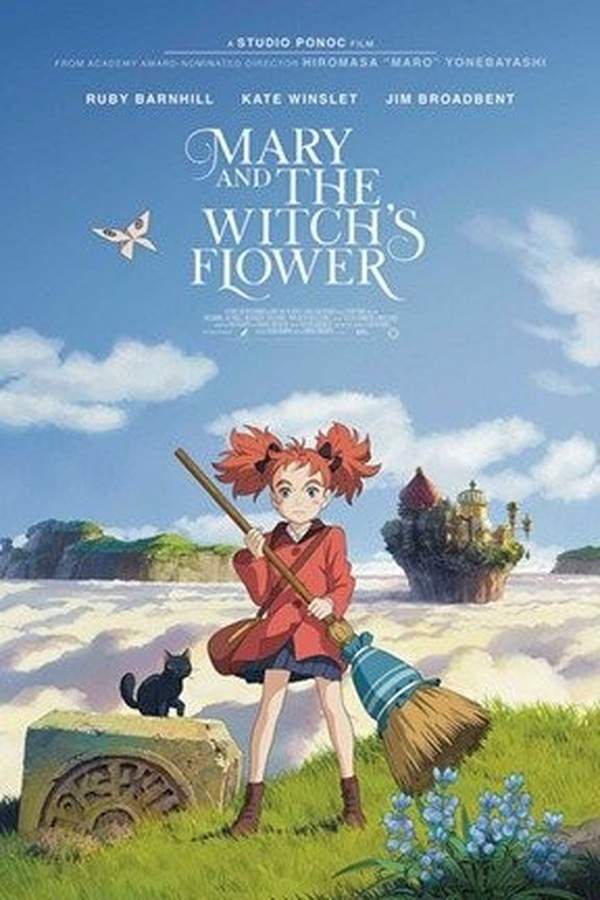
Mary and The Witch's Flower (2018) Film Overview & Timeline
Peter Pan (1953) Detailed Story Recap
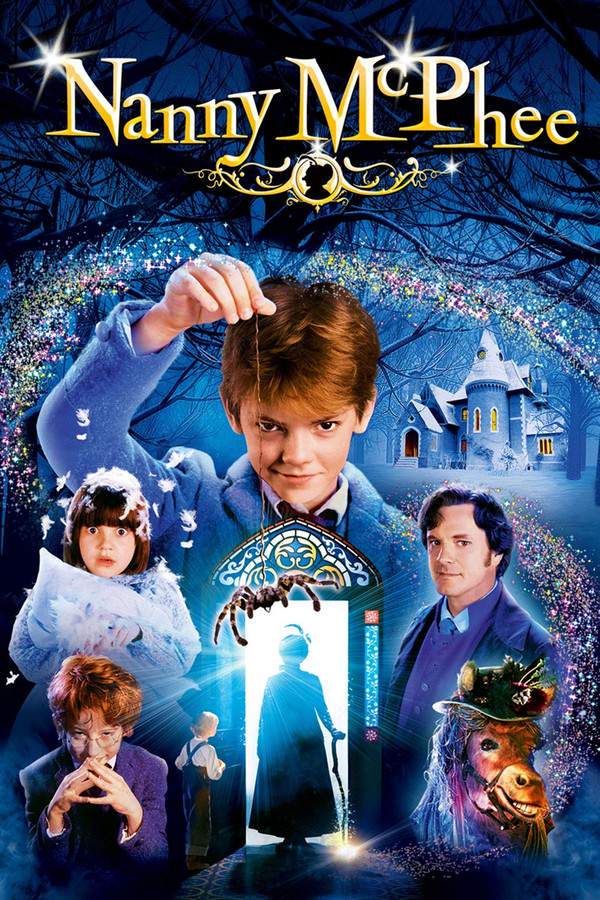
Nanny McPhee (2006) Story Summary & Characters
Nanny McPhee Returns (2010) Story Summary & Characters
Bedknobs and Broomsticks (1971) Plot Summary & Ending Explained
Mary Poppins Returns (2018) Spoiler-Packed Plot Recap
Pan (2015) Complete Plot Breakdown
Babes in Toyland (1961) Movie Recap & Themes
The Tale of John and Mary (1980) Full Movie Breakdown
Peter Pan (1988) Ending Explained & Film Insights
Peter Pan (1987) Film Overview & Timeline
Mary, Queen of Tots (1925) Full Movie Breakdown
Peter Pan (1960) Full Movie Breakdown
Peter Pan (1924) Full Summary & Key Details