
Echoes of the Rainbow
Year: 2010
Runtime: 117 mins
Language: Chinese
Director: Alex Law Kai-Yui
In 1969 a turbulent Hong Kong neighborhood provides the backdrop for a tight‑knit, grassroots community. Young Big Ears, an eight‑year‑old with sticky fingers, narrates his family's life: his parents run the local shoe shop, and his older brother Desmond is the golden child—star athlete with top‑tier grades. Amid the turmoil, love and family become their shelter.
Warning: spoilers below!
Haven’t seen Echoes of the Rainbow yet? This summary contains major spoilers. Bookmark the page, watch the movie, and come back for the full breakdown. If you're ready, scroll on and relive the story!
Echoes of the Rainbow (2010) – Full Plot Summary & Ending Explained
Read the complete plot breakdown of Echoes of the Rainbow (2010), including all key story events, major twists, and the ending explained in detail. Discover what really happened, and what it all means.
Set in late 1960s Hong Kong, the film follows the Law family—Mr. Law, Mrs. Law, and their two sons, Desmond Law Chun-yat and Law Chun-yi—who live in a small shoe shop on Wing Lee Street in Sheung Wan. Desmond is the elder brother and a standout student: he earns top grades, is a gifted musician, and shines as a champion runner at the prestigious Diocesan Boys’ School, beloved by classmates and teachers. He also has a girlfriend, Flora, who comes from an affluent family.
Flora’s family eventually immigrates from Hong Kong to the United States, a move that coincides with a decline in Desmond’s academic performance and school life. As Desmond faces growing pressure, he becomes aware of the sharper edges of Hong Kong society—through encounters with a cocky British policeman who extorts money from his father in exchange for keeping the family shop, and who proclaims that Desmond will never be successful because his English isn’t good enough. These moments illuminate the social inequalities surrounding him, and the contrast between Desmond’s potential and the world around him becomes more pronounced when Flora’s departure destabilizes the family’s routine.
After Flora returns from abroad, Desmond’s health deteriorates. He collapses and is diagnosed with leukemia, sending his parents on a desperate search for care. In the hospital, he endures harsh treatment from nurses who opportunistically extract money for basic care, highlighting further the vulnerabilities faced by the family. Chun-yi, who loves his brother and spends much of his time stealing trinkets around town, tries to lift Desmond’s spirits by offering small gifts, but Desmond does not accept them.
Flora visits Desmond in the hospital and the two share a first kiss, a fleeting moment of happiness before the illness overwhelms him. Desmond passes away, leaving a space in the family and in Chun-yi’s life that his younger brother will carry forward. Years later, Chun-yi, now a teenager, narrates the story and remarks that time is the greatest thief.
time is the greatest thief
In the final scenes, Chun-yi and their mother visit Desmond’s grave. The film closes with Chun-yi recounting a lesson Desmond had taught him about double rainbows, a memory that gives his childhood innocence a lasting, if bittersweet, resonance.
Last updated: October 09, 2025 at 16:56
Echoes of the Rainbow (2010) Plot Questions Answered – Summary FAQ
Explore frequently asked questions about Echoes of the Rainbow (2010) with spoiler-rich answers covering the full plot summary, major story beats, character motivations, hidden details, and ending meaning. This movie summary FAQ helps explain confusing scenes, plot twists, and narrative decisions in clear, searchable detail.
Why did Desmond's grades drop after Flora left?
Desmond's grades declined because Flora's departure emotionally destabilized him. She was his girlfriend and a major source of emotional support, and her move to the United States left a void in his life. Combined with the mounting pressures from school and the social inequalities he was beginning to encounter, the loss of this relationship was the tipping point that caused his once-spotless academic performance to slip.
Earlier scenes show Desmond as a star student whose confidence seems tied to his stable home life and romance.
Why did the British policeman target the Law family?
The British policeman targeted the Law family as part of broader colonial exploitation in 1960s Hong Kong. He extorted money from small local businesses in exchange for 'protection,' using his position of authority to prey on vulnerable families. His comment that Desmond would never succeed because his English wasn't good enough reflects the systemic prejudice and limited opportunities faced by local Chinese residents under British rule.
The film establishes early on that the family lives in a modest shoe shop in a working-class neighborhood, making them easy targets for corruption.
Why did Chun-yi steal things around town?
Chun-yi stole trinkets as a way to cope with his fear of losing his brother. As Desmond's health declined, the young Chun-yi felt powerless and anxious. He attempted to 'fix' things by offering small gifts to Desmond, hoping to lift his brother's spirits. The stealing was an unconscious expression of love and a desperate attempt to contribute something meaningful during a terrifying time.
The film opens with Chun-yi as an eight-year-old with 'sticky fingers,' establishing this behavior before the illness becomes the central crisis.
What was the lesson about double rainbows that Desmond taught Chun-yi?
Desmond taught Chun-yi that double rainbows appear when sunlight reflects twice inside raindrops, creating a rare and beautiful phenomenon. In the context of the film, this lesson becomes a metaphor for finding beauty and hope even in difficult times. The memory represents the lasting impact of Desmond's wisdom on Chun-yi, serving as a tender reminder that something beautiful can emerge from sadness.
This lesson is referenced in the final scenes, giving retrospective meaning to the brother's relationship.
What caused Desmond to get leukemia?
Leukemia is not caused by emotional stress or external circumstances, it is a medical disease. However, the timing of Desmond's diagnosis comes after a period of significant emotional upheaval: Flora's departure, academic pressure, and the encounters with social inequality and prejudice. The film presents his illness as a cruel twist of fate that strikes without warning, shattering the family's fragile stability at a moment when they were already under strain.
After Flora returns and the family senses 'bigger changes are ahead,' Desmond collapses, linking the emotional pressure to the onset of his illness.
Why did Desmond not accept Chun-yi's gifts at the hospital?
Desmond likely pushed Chun-yi away not because he didn't appreciate the gesture, but because he was protecting his younger brother from the painful reality of his病情. As someone who had always been the strong, accomplished older sibling, Desmond may have struggled with being the one who needed care. His refusal could also stem from wanting to spare Chun-yi the emotional pain of attachment during his final days.
Earlier scenes show Desmond as a protective older brother, suggesting his distance came from a place of love rather than rejection.
Why did Flora return from America?
Flora returned from America, though the exact reason is not specified in the summary. Her return coincides with Desmond's declining health and eventual diagnosis. The timing suggests she may have come back for Desmond, possibly sensing something was wrong or wanting to be closer to him during the family's difficult period. Her return sets up the poignant hospital kiss scene.
The timeline notes that Flora's return briefly reconnects Desmond to normalcy but also intensifies the pressure he feels.
What does 'time is the greatest thief' mean in the film?
The phrase 'time is the greatest thief' means that time steals everything that matters, youth, loved ones, opportunities, and memories. As the adult Chun-yi narrates the story years after Desmond's death, he reflects on how time has taken his brother away while leaving only memories. The quote encapsulates the film's themes of loss, memory, and the bittersweet nature of growing up.
The film establishes early that Chun-yi narrates from years later, preparing the audience for this reflective conclusion.
Why did the hospital nurses extort money from the family?
The nurses exploited the family's desperation for basic care, reflecting the broader inequities in Hong Kong's healthcare and social systems during the 1960s. This moment highlights how the family faced vulnerability on multiple fronts, not just from the illness itself, but from a system that preyed on families like theirs. It underscores the film's theme of social inequality and the challenges faced by ordinary people against institutional corruption.
This mirrors the earlier scene with the British policeman, showing a pattern of exploitation by those in positions of authority.
What happened to Flora after Desmond died?
The summary does not specify what happened to Flora after Desmond's death. Given that her family had already immigrated to the United States, it is likely she returned to America or moved on with her life. Her absence from the final scenes with Chun-yi and his mother at the grave suggests she was no longer part of their lives, though the film leaves this deliberately open.
Flora's departure to America earlier in the film established that her connection to Hong Kong was temporary.
What happened to Chun-yi after Desmond died?
After Desmond died, Chun-yi carried forward both the memory of his brother and the lessons he learned during their time together. Years later, as a teenager, he narrates the entire story, reflecting on loss and time. The final scenes show him visiting Desmond's grave with his mother, suggesting he remained in Hong Kong and maintained a deep connection to his brother's memory.
The film opens with Chun-yi as the narrator, establishing from the start that he lived through these events and into adulthood.
How did Desmond's death affect the Law family?
Desmond's death left a profound void in the family, particularly for Chun-yi, who lost his older brother and role model. The family had invested all their hopes in Desmond's promising future, and his death shattered those dreams. For Chun-yi specifically, the loss became a defining experience that shaped his understanding of time, love, and memory.
The timeline emphasizes that Desmond's passing creates a 'void in the family and in Chun-yi's life that will shape the younger brother's future.'

Explore Movie Threads
Discover curated groups of movies connected by mood, themes, and story style. Browse collections built around emotion, atmosphere, and narrative focus to easily find films that match what you feel like watching right now.
Nostalgic Family Dramas like Echoes of the Rainbow
Affectionate looks back at simpler times tinged with the ache of loss.If you enjoyed the bittersweet, nostalgic feel of Echoes of the Rainbow, you'll appreciate these movies. This collection features tender stories about families and communities, often set in the past, where cherished memories are shadowed by hardship or loss, similar to the emotional journey in the film.

Life Is Sweet
1991
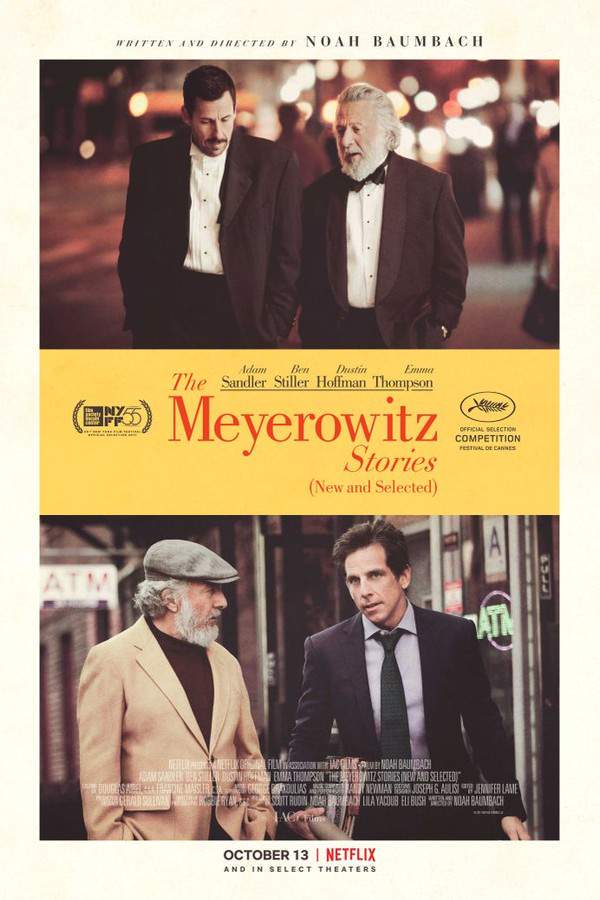
The Meyerowitz Stories (New and Selected)
2017
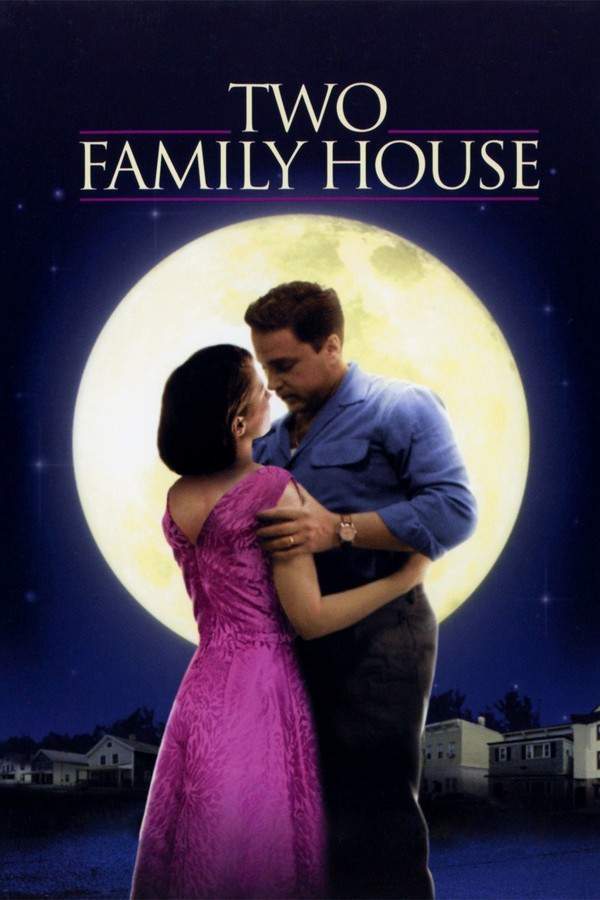
Two Family House
2000

Delicacy
2012

Downton Abbey: A New Era
2022

Brooklyn Lobster
2005
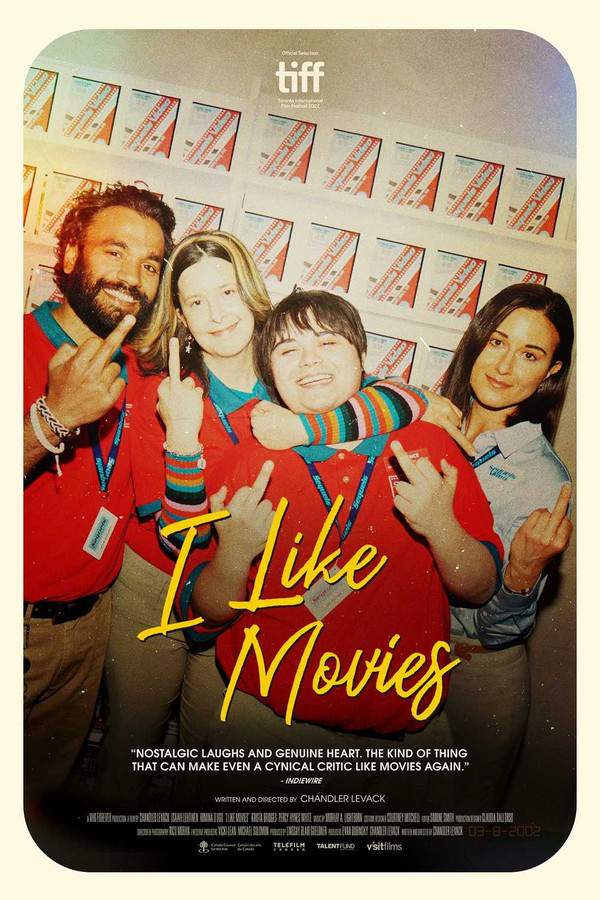
I Like Movies
2024

Four Letters of Love
2025

Some Girls
1988

Fanny
1961

This Happy Breed
1944

The Evening Star
1996

My Family
1995

On Borrowed Time
1939

Regretting You
2025
Narrative Summary
Stories in this thread typically follow a straightforward, character-driven narrative that builds intimacy with a family or small community. A foundation of warmth and everyday life is established, which is later challenged by a tragic event—often an illness or historical upheaval—leading to a reflective, bittersweet conclusion that emphasizes the enduring power of love and memory.
Why These Movies?
Movies are grouped here for their shared ability to evoke a powerful sense of nostalgia and their bittersweet emotional core. They blend tender, even humorous, depictions of close-knit relationships with a melancholic acknowledgment of life's inevitable hardships, creating a deeply sentimental and resonant viewing experience.
Coming-of-Age Stories with Family Tragedy like Echoes of the Rainbow
A youthful narrator witnesses joy and sorrow unfolding within their family.For viewers who liked the childhood perspective and family tragedy in Echoes of the Rainbow, this list finds similar movies. These films feature young narrators facing the illness or loss of a loved one, blending youthful innocence with mature themes in a straightforward, emotionally engaging narrative.
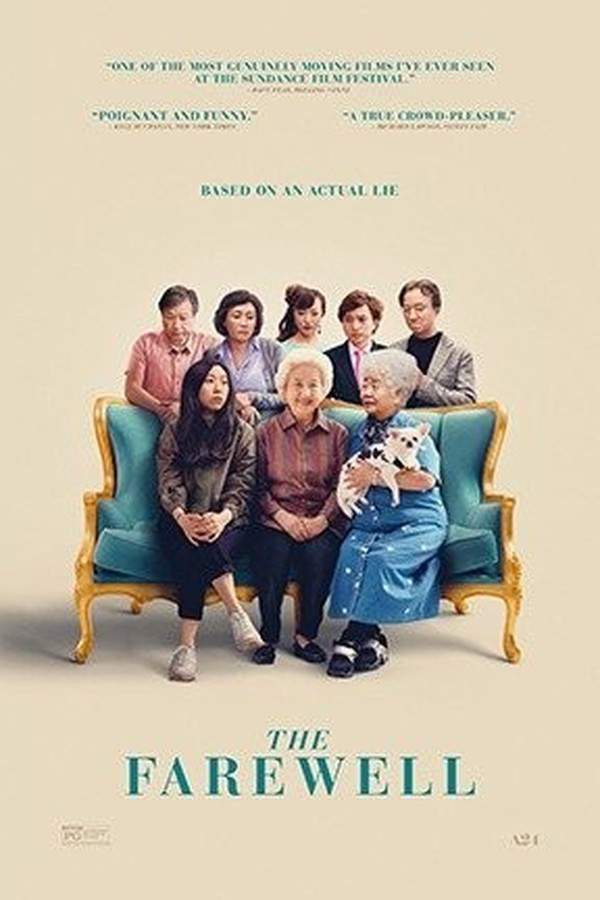
The Farewell
2019
Stand by Me
1986
Is Anybody There?
2009
The Thing About My Folks
2005

The Tiger Rising
2022
The Ultimate Gift
2007
The Children's Train
2024

Children of Heaven
2012

Not Suitable For Children
2012
Echoes of the Rainbow
2010

School of Life
2005
Paradise
1991
The Evening Star
1996
On Borrowed Time
1939

20th Century Girl
2022
Narrative Summary
The narrative pattern involves a child or young adolescent observing their family, often idolizing an older sibling or parent. A central conflict, such as a terminal illness, shatters this youthful idealization, forcing a rapid maturation. The story is linear and focused on emotional truth, leading to an ending that is sad yet enriched by the love that preceded the loss.
Why These Movies?
These movies share a specific narrative lens and emotional arc: a child's-eye view of family crisis. They connect through their blend of youthful mischief and profound sorrow, their straightforward storytelling, and their powerful exploration of how grief shapes a young person's understanding of the world.
Unlock the Full Story of Echoes of the Rainbow
Don't stop at just watching - explore Echoes of the Rainbow in full detail. From the complete plot summary and scene-by-scene timeline to character breakdowns, thematic analysis, and a deep dive into the ending - every page helps you truly understand what Echoes of the Rainbow is all about. Plus, discover what's next after the movie.
Echoes of the Rainbow Timeline
Track the full timeline of Echoes of the Rainbow with every major event arranged chronologically. Perfect for decoding non-linear storytelling, flashbacks, or parallel narratives with a clear scene-by-scene breakdown.

Characters, Settings & Themes in Echoes of the Rainbow
Discover the characters, locations, and core themes that shape Echoes of the Rainbow. Get insights into symbolic elements, setting significance, and deeper narrative meaning - ideal for thematic analysis and movie breakdowns.


