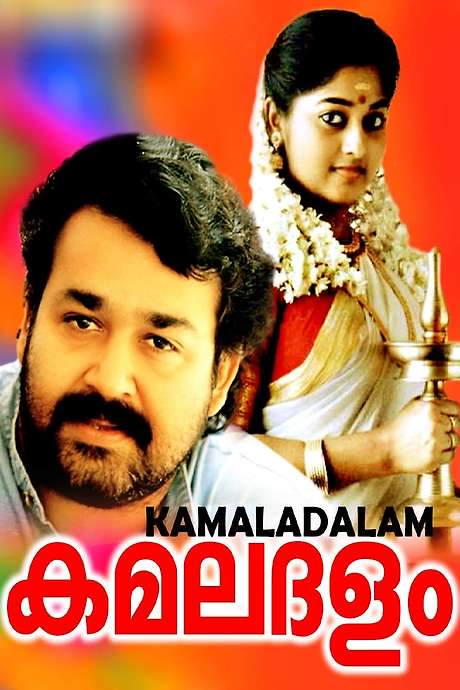
Balakrishna, fondly called Balu, is an economically disadvantaged yet multi-talented dancer who shines in the classical Indian arts of Kuchipudi, Bharatanatyam, Kathak, and more. His simple, honest nature keeps him from climbing the glossy ladder of professional success in a world that often rewards moral compromises. When Madhavi, a wealthy dance patron, notices his gift, she becomes his benefactor, helping him gain a chance to participate in a prestigious classical dance festival and opening doors that his circumstances otherwise would have kept closed.
Tragedy strikes just days before the big event. Balu’s aging mother passes away, her suffering born of poverty weighing heavily on him. Emotionally crushed, he cannot perform. Yet Madhavi stands by him, offering steady support and encouragement, helping him begin the slow process of healing. As their bond deepens, Balu secretly falls for Madhavi, concealing his feelings behind a respectful restraint. He musters the courage to confess, only to learn that Madhavi is married but separated from her husband; when her husband returns to reunite the pair, Balu makes a selfless choice, sacrificing his love out of respect for the institution of marriage.
Years pass, and Balu has drifted into the life of a disillusioned man who drinks heavily and works as a newspaper journalist and art critic. In one critique, he targets a dancer for prioritizing audience reaction over discipline and form—an act that triggers a personal and public conversation about his own art and integrity. The article eventually reaches Madhavi, who is Sailaja’s mother and a widow, and she begins to see the full scope of Balu’s enduring love for her and her family, alongside his deteriorating health.
To revive his will to live and renew his artistic fire, Madhavi enlists the help of her confidant Raghu [Raghu], guiding Balu to become the dance instructor for her daughter, Sailaja [Sailaja]. She keeps her distance, hesitant to reveal herself as a widow, yet she works behind the scenes to support him and to keep his spirit alive through teaching and mentorship. Sailaja becomes both student and catalyst in this complicated emotional web, and Balu’s sense of purpose slowly rekindles as he shares his craft with her.
As the illness progresses, Madhavi resolves to ensure that Balu’s name and talent endure beyond his life. Sailaja, feeling unsettled by her mother’s actions toward the man she helps train, leaves home but is brought back by Raghu, who sees the value in keeping Sailaja under Balu’s tutelage. The relationship between teacher and student remains a central thread to the end, even as tensions persist.
The finale unfolds on stage: Sailaja delivers a powerful performance, while Balu, seated in a wheelchair, watches with reverent pride and quiet sorrow. His health deteriorates as the performance unfolds, and he passes away as Sailaja completes her piece. Raghu carries him away with solemn respect, leaving Madhavi to follow, umbrella in hand, shielding him from the rain as she limps behind in heartbreak. The story closes on a note of legacy—Balu’s art living on through Sailaja and the enduring memory of a man whose integrity, devotion, and sacrifice outlasted his own life.