Plot Explained Spoilers guaranteed!
Plot Explained

Browse by genre

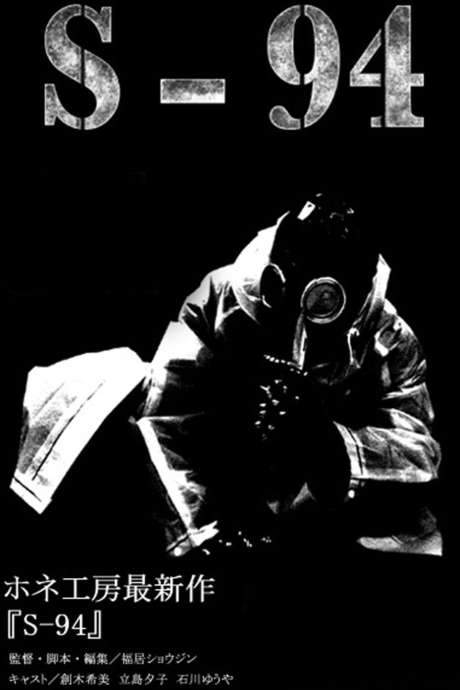
S-94 (2009) movie poster

Characters & Themes

S-94 (2009) Characters, Setting & Themes Explained

Release, runtime and language
2009 · 30 mins · Japanese
Directed by
Shozin Fukui
Starring
Yuya Ishikawa, Yuko Tatsushima, Nozomi Hatsuki

In 2010 a deadly virus called S‑94 eradicates almost all of humanity. Two women are the only survivors, living together in isolation. One is driven to stay alive, the other is consumed by suicidal despair. Their equilibrium shatters when a radio broadcast reveals a third survivor, and they soon begin to fight over him despite a bleak future.

On this page (7)
  1. 1 Characters explained (3)
  2. 2 Where & when it takes place
  3. 3 Themes & meaning (3)
  4. 4 Character & meaning questions
  5. 5 Movie threads
  6. 6 Movies like S-94
  7. 7 Every angle

3 main characters · contains spoilers

S-94 Characters Explained: Who Is Who

The main characters of S-94 (2009), heroes and villains: what drives them, how they change over the course of the story and what each of them reveals about the film's bigger ideas.

  • Mai

    A hopeful survivor who seeks to preserve humanity and continue the species. She remains determined and communicative, trying to make contact with the outside world while keeping a fragile alliance with Ice. Her optimism is a counterpoint to the bunker’s growing tension.

    • ✨ Hope
    • 💬 Communication
  • Ice

    A resentful and volatile partner whose darker impulses push her to harm Mai and threaten others. Her hostility escalates until she initiates deadly acts within the bunker, revealing the fragility of trust in extreme circumstances.

    • 🔥 Anger
    • 💀 Desperation
  • Shuma

    A man immune to the outside air, brought into the bunker after Mai’s radio call. His presence challenges the survivors’ dynamics, and his status as an outsider triggers Ice’s fatal actions. He represents a possible rebirth, but also the fragility of safety.

    • 🧬 Science
    • 🧭 Survival

Last updated: March 05, 2026 at 18:12

Was this helpful?

Setting

Where and When Does S-94 Take Place?

The setting of S-94 (2009): the year and time period, the places and locations, and how they shape the characters, the mood and the tension of the story.

Time period

2010

The events unfold in 2010 Japan, in the aftermath of a virus that annihilates the population. Survivors conceal themselves in an underground shelter, attempting to maintain a sliver of civilization as resources grow scarce. The era is marked by isolation, shrinking hope, and desperate acts to endure.

Location

Underground bunker, Japan

Two women, Mai and Ice, live in a secluded underground bunker in Japan after a deadly virus wipes out most of humanity. The bunker serves as their fragile shelter and a last anchor to humanity. The setting emphasizes claustrophobic confinement and the constant threat from the outside world.

  • 🧭 Underground
  • 🏚 Post-apocalyptic

Last updated: March 05, 2026 at 18:12

Was this helpful?

3 major themes

S-94 Meaning: Themes & Message Explained

What is S-94 (2009) really about? The emotional, social and philosophical themes the film keeps returning to, its symbolism and the message beneath the surface.

  • Survival

    The film centers on the brutal realities of staying alive in a collapsed world. Scarcity of resources and the pressure to reproduce force choices that test morality. Trust is brittle, and hope must be fought for amid constant danger.

  • Isolation

    The bunker is a closed world where the characters confront their own psyches without any real contact with the outside. Attempted radio contact with the outside world underscores both longing and despair. Social dynamics, loneliness, and the claustrophobic environment drive the tension.

  • Ethics

    Desperation blurs moral lines as violence, murder, and cannibalism surface in the shelter. The arrival of Shuma unsettles power dynamics and exposes how far people will go when humanity seems lost. The film probes what it means to remain human when survival overrides ethics.

Last updated: March 05, 2026 at 18:12

Was this helpful?

Character & theme questions

S-94 Characters & Meaning: Your Questions Answered

The questions people ask about S-94 (2009): who the characters really are, their relationships, what the symbols mean, where it takes place and what the movie is really about. Each answer contains spoilers.

Q1

Where is the movie set?

The story takes place in an underground bunker in post-apocalyptic Japan. After the S-94 virus wipes out most of humanity in 2010, the two surviving women, Mai and Ice, remain hidden in this sealed shelter. The bunker represents both their protection from the deadly outside world and their prison, creating a claustrophobic environment that amplifies the psychological tension throughout the film.

  • japan
  • bunker
  • underground
  • setting
  • post-apocalyptic
Q2

When does the story take place?

The events occur in 2010, immediately after a deadly virus called S-94 devastates humanity. The timeline is explicitly mentioned in the film's description, placing the narrative in the immediate aftermath of the pandemic. This near-future setting creates a chilling sense of plausibility, as the world has collapsed very recently and the survivors are still attempting to cope with the loss of civilization.

  • 2010
  • timeline
  • virus
  • pandemic
  • year
Q3

What is the survival theme about in this movie?

The film centers on the brutal realities of staying alive in a collapsed world. With resources dwindling and the future of humanity uncertain, the characters face immense pressure to survive and reproduce. Trust becomes extremely brittle in this environment, and hope must be actively fought for amid constant danger. The theme explores how extreme circumstances test human resilience and force desperate decisions.

  • survival
  • humanity
  • desperation
  • resources
  • hope
Q4

How does isolation factor into the story?

Isolation is a central theme, with the bunker functioning as a closed world where characters confront their psyches without any real contact with the outside. The attempted radio contact with the external world underscores both a longing for connection and the deepening despair of the survivors. The claustrophobic environment and social dynamics driven by loneliness create mounting tension between Mai and Ice.

  • isolation
  • bunker
  • loneliness
  • psychology
  • radio contact
Q5

What ethical questions does the movie explore?

Desperation blurs moral lines as violence, murder, and even cannibalism surface within the shelter. The arrival of Shuma disrupts the existing power dynamics and exposes how far people will go when humanity appears lost. The film probes what it truly means to remain human when survival instincts override traditional ethics, questioning whether humanity can survive without its moral compass.

  • ethics
  • morality
  • desperation
  • cannibalism
  • humanity
Q6

Who is Mai and what motivates her?

Mai is one of the two women who survived the S-94 virus. She is characterized as a hopeful survivor who seeks to preserve humanity and continue the species. Unlike her counterpart Ice, Mai remains determined and communicative, attempting to make contact with the outside world through radio signals. Her optimism serves as a counterpoint to the bunker’s growing tension and represents the human drive to persist despite overwhelming despair.

  • mai
  • survivor
  • hope
  • humanity
  • motivation
Q7

Who is Ice and what drives her actions?

Ice is the other surviving woman in the bunker, characterized by resentment and volatility. Her darker impulses lead her to harm Mai and threaten others within the shelter. As the story progresses, her hostility escalates until she commits deadly acts, revealing the extreme fragility of trust in isolated, life-or-death circumstances. Her descent into violence represents how hopelessness can corrupt the human psyche.

  • ice
  • antagonist
  • violence
  • volatility
  • nihilism
Q8

Who is Shuma and what role does he play?

Shuma is a man who is immune to the outside air, making him uniquely capable of surviving in the post-apocalyptic world. He is brought into the bunker after Mai’s radio call successfully reaches him. His presence as an outsider disrupts the established dynamics between Mai and Ice, ultimately triggering Ice’s fatal actions. Shuma represents both a possible rebirth for humanity and the fragility of any perceived safety in this world.

  • shuma
  • survivor
  • immune
  • outsider
  • rebirth
Q9

What is the tone and atmosphere of the movie?

The film maintains a consistently bleak and oppressive atmosphere throughout. With a high intensity rating driven by constant life-or-death stakes and psychological tension between characters, the movie explores how extreme isolation and a hopeless future corrode the human psyche. The ending reinforces this tone with all main characters perishing horribly, leaving no room for hope or redemption.

  • tone
  • atmosphere
  • bleak
  • oppression
  • psychological
Q10

Why does the setting in Japan matter?

The choice of Japan as the setting contributes to the film’s atmosphere of isolation and cultural context. Japan’s dense urban population contrast sharply with the empty, devastated world shown in the film. The underground bunker setting also resonates with Japanese media’s frequent exploration of post-nuclear and apocalyptic scenarios. Additionally, the specificity of the location grounds the otherwise universal story in a particular cultural moment.

  • japan
  • setting
  • culture
  • location
  • context
Q11

What does the movie say about humanity in extreme circumstances?

The film presents a grim examination of humanity under duress, showing how quickly civilization’s veneer can disintegrate when survival becomes the primary concern. The themes of survival, isolation, and ethics intersect to suggest that humanity’s greatest challenge may not be the external threat of the virus, but the internal collapse of moral values when hope fades. The characters’ descent into violence and cannibalism illustrates the thin boundary between human and animalistic survival instincts.

  • humanity
  • civilization
  • survival
  • morality
  • collapse

Movie threads

More Movies Like S-94, by Mood & Story

Curated lists built around what makes S-94 tick: the same mood, the same kind of story or the same emotional payoff. Each list explains why these movies belong together.

Claustrophobic Survival Horror Movies Like S-94

Stories of survivors trapped together, where the greatest threat comes from within. If you liked the tense, confined horror of S-94, explore these movies about survivors trapped together. These films focus on psychological breakdown, desperate power struggles, and the bleak reality of surviving in isolation, often with a heavy, oppressive atmosphere.

  • claustrophobic
  • oppressive
  • despairing
  • tense
  • psychological
  • isolated
  • Tone: bleak, tense, oppressive
  • Pacing: steady, methodical
Why these movies?

The story pattern: The narrative typically follows a small, isolated group of survivors facing an external existential threat (like a virus or disaster). The primary conflict shifts from external survival to internal psychological warfare, as characters' sanity, morals, and alliances fracture under the strain. The story arc is a steady descent into paranoia, violence, and often a tragic, hopeless conclusion.

Why they belong together: These films are grouped for their shared setting of extreme confinement and their intense focus on psychological horror over action. They share a bleak tone, high emotional weight, and a pacing that builds dread through character interaction and mounting tension rather than jump scares.

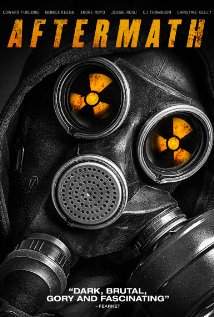
Bleak Post-Apocalyptic Character Studies Like S-94

In a ruined world, the last people on Earth fight not monsters, but each other. Fans of the grim human drama in S-94 will find similar stories here. These movies explore the psychological toll and brutal conflicts among the last survivors after the world has ended, prioritizing character study over action and featuring heavy emotional weight and bleak outcomes.

  • bleak
  • despairing
  • grim
  • tense
  • psychological
  • hopeless
  • Tone: bleak, dark, despairing
  • Pacing: steady, character-driven
Why these movies?

The story pattern: These narratives begin after society has collapsed. With the initial survival scramble over, the story centers on a microcosm of humanity—often just two or three characters—as they navigate a dead world. The conflict is intensely interpersonal, driven by clashing ideologies (hope vs. nihilism, survival vs. morality), scarce resources (often symbolized by another person), and the crushing weight of being possibly the last of humankind.

Why they belong together: They are linked by their shared focus on the 'aftermath' phase of an apocalypse, prioritizing intimate character drama over large-scale action. They uniformly possess a bleak or dark tone, straightforward yet heavy narratives, and explore themes of isolation, despair, and what it means to be human when nothing is left.

If you liked this

Movies Like S-94

Similar movies to S-94: the same genre, themes or kind of story. Each one comes with its own plot summary, timeline and ending explained.

Browse all movie summaries

Every angle

S-94 (2009) Explained: Plot, Timeline & Characters

Everything about S-94 in one place: what happens in the plot summary, the timeline in chronological order, the characters and meaning and a spoiler-free summary. What's After the Movie adds the cast, box office and post-credit scenes.

Coming soon on iOS and Android

The Plot Explained Movie Summary App

Plot summaries, endings explained and timelines on your phone. Catch up on any movie in minutes, save your favorites and never miss a twist again.

Be the first to know when we launch. Your email stays private, always.

Learn more about the app