Plot Explained Spoilers guaranteed!
Plot Explained

Browse by genre

Rurouni Kenshin Part II: Kyoto Inferno (2014) movie poster

Characters & Themes

Rurouni Kenshin Part II: Kyoto Inferno (2014) Characters, Setting & Themes Explained

Release, runtime and language
2014 · 138 mins · Japanese
JustWatch #25,043 2
Directed by
Keishi Otomo
Starring
Masaharu Fukuyama, Masataka Kubota, Min Tanaka, Tatsuya Fujiwara, Ryunosuke Kamiki, Munetaka Aoki

Having found a measure of peace with Kaoru and his companions, Kenshin is drawn back into conflict when the Meiji government seeks his aid. A former assassin named Makoto Shishio, believed to have died after being left for dead, has resurfaced in Kyoto. Fueled by vengeance, Shishio plots to overthrow the government, and Kenshin reluctantly agrees to confront him, despite Kaoru's concerns about the danger and potential consequences. The fate of Japan hangs in the balance as Kenshin prepares to face a formidable and ruthless foe.

On this page (7)
  1. 1 Where to watch
  2. 2 Characters explained (12)
  3. 3 Where & when it takes place
  4. 4 Themes & meaning (3)
  5. 5 Character & meaning questions
  6. 6 Movie threads
  7. 7 Every angle

Where to watch

Where to Watch Rurouni Kenshin Part II: Kyoto Inferno (2014)

Where can you watch Rurouni Kenshin Part II: Kyoto Inferno? Stream, rent or buy it in the US, including on Netflix and Netflix Standard: current JustWatch availability with up-to-date prices.

Streaming availability powered by JustWatch

12 main characters · contains spoilers

Rurouni Kenshin Part II: Kyoto Inferno Characters Explained: Who Is Who

The main characters of Rurouni Kenshin Part II: Kyoto Inferno (2014), heroes and villains: what drives them, how they change over the course of the story and what each of them reveals about the film's bigger ideas.

  • Kenshin Himura (Takeru Satoh)

    A wandering swordsman who has sworn to protect the innocent and pursue a non-lethal path. He lives at the Kamiya dojo with Kaoru, Yahiko, and Misao, but is drawn back into conflict as Shishio's threat grows. He confronts his past as Hitokiri Battōsai while striving to prevent further bloodshed.

    • 🗡️ Protagonist
    • 🗡️ Meiji-era warrior
    • 🛡️ Protector
  • Shishio Makoto (Tatsuya Fujiwara)

    A ruthless renegade bent on conquering Japan by destabilizing Kyoto and Tokyo. He commands a loyal cadre under Sōjirō and Chō Sawagejō, using fear and violence to push his agenda. He challenges Kenshin’s ideals at every turn.

    • 🗡️ Antagonist
    • 🧭 Power-seeker
    • ⚔️ Meiji-era
  • Misao Makimachi (Tao Tsuchiya)

    A spirited, aspiring ninja who initially tries to steal Kenshin's sakabato but becomes a steadfast ally. Her curiosity and courage drive her to Kyoto, where she aids Kenshin against Shishio's plans and connects him with the Oniwabanshu.

    • 🗡️ Ninja
    • 🛡️ Ally
    • 🗺️ Meiji-era
  • Kaoru Kamiya (Emi Takei)

    The dojo owner and Kenshin's ally who follows him to Kyoto. She embodies compassion and resilience, supporting Kenshin as they confront Kyoto’s threats and the broader danger to Tokyo.

    • 👘 Mentor
    • 🛡️ Ally
    • 🗺️ Meiji-era
  • Sanosuke Sagara (Munetaka Aoki)

    A brash yet loyal fighter who joins Kenshin after crossing paths with him. He provides strength and camaraderie, standing firm against Shishio's men as the group moves toward Kyoto.

    • ⚔️ Fighter
    • 🛡️ Ally
    • 🗺️ Meiji-era
  • Sōjirō Seta (Ryunosuke Kamiki)

    Shishio's elite underling whose cunning and skill test Kenshin's resolve. His duels and manipulations escalate the conflict and push Kenshin to push his limits.

    • 🗡️ Elite
    • 🧭 Antagonist
    • ⚔️ Meiji-era
  • Okina / Kashiwazaki Nenji (Min Tanaka)

    A semi-retired ninja who provides guidance and protection to Kenshin. He embodies the old guard’s loyalty and shares the Oniwabanshu legacy with Kenshin and Misao.

    • 🗡️ Mentor
    • 🛡️ Ally
    • 🗺️ Meiji-era
  • Chō Sawagejō (Ryosuke Miura)

    Shishio's elite warrior who kidnaps a baby to pressure the government and confront Kenshin. He stands as a formidable obstacle in Kyoto, amplifying the danger posed by Shishio.

    • 🗡️ Elite
    • 🛡️ Adversary
    • ⚔️ Meiji-era
  • Seiku Arai (Dai Watanabe)

    The son of Arai Shakku, who provides Kenshin a chance to wield a second sakabato after the original is broken. He becomes a crucial link in Kenshin’s weapon-recovery arc.

    • 🗡️ Artisan
    • 🛡️ Ally
    • ⚔️ Meiji-era
  • Arai Shakku / Shakku Arai (Tatsuya Nakamura)

    The original sakabato craftsman whose legacy continues through his son. His work underpins Kenshin's ability to face Chō and Shishio in the conflict.

    • 🗡️ Craftsman
    • 🛡️ Mentor
    • ⚔️ Meiji-era
  • Saito Hajime (Yōsuke Eguchi)

    played by Yosuke Eguchi

    A capable government policeman who challenges Shishio’s forces and collaborates with Kenshin to restore order. His presence anchors the government’s response to the insurgent threat.

    • 🕶️ Law enforcer
    • 🛡️ Ally
    • 🗺️ Meiji-era
  • Aoshi Shinomori (Yusuke Iseya)

    played by Yûsuke Iseya

    Shishio's former rival who pursues Kenshin with a desire to prove his strength. His confrontations with Kenshin reflect the lingering loyalties from the old guard.

    • ⚔️ Rival
    • 🛡️ Meiji-era
    • 🗡️ Duelist

Last updated: October 01, 2025 at 12:47

Was this helpful?

Setting

Where and When Does Rurouni Kenshin Part II: Kyoto Inferno Take Place?

The setting of Rurouni Kenshin Part II: Kyoto Inferno (2014): the year and time period, the places and locations, and how they shape the characters, the mood and the tension of the story.

Time period

Meiji period

The events unfold during Japan's Meiji era, a time of rapid modernization and political upheaval. Traditional samurai codes contend with new government authority and societal reform. The story juxtaposes ancient loyalties with the birth of a modern state.

Location

Settsu Mine, Hyōgo Prefecture, Kyoto, Tokyo

Settsu Mine in Hyōgo Prefecture is where Saitō Hajime pursues Shishio's operatives and where a massacre underscores the threat. The action shifts to Kyoto as Kenshin confronts Shishio and his forces, drawing in Okina and the Oniwabanshu. The plot ultimately targets Tokyo, signaling a clash between old loyalties and a rapidly modernizing Japan.

  • 🏯 Historical
  • ⚔️ Samurai
  • 🗺️ Meiji era
  • 🗼 Kyoto
  • 🗼 Tokyo

Last updated: October 01, 2025 at 12:47

Was this helpful?

3 major themes

Rurouni Kenshin Part II: Kyoto Inferno Meaning: Themes & Message Explained

What is Rurouni Kenshin Part II: Kyoto Inferno (2014) really about? The emotional, social and philosophical themes the film keeps returning to, its symbolism and the message beneath the surface.

  • Duty and Morality

    Kenshin struggles to protect the innocent while avoiding lethal violence, highlighting the tension between personal duty and the costs of war. Shishio represents a radical, immoral use of power to impose his will. The narrative probes whether true justice can coexist with mercy.

  • Power and Modernization

    Shishio seeks to destabilize Kyoto and threaten Tokyo to seize control, exploiting fear to rise to power. The Meiji government embodies reform and institutional change, clashing with insurgent violence. The conflict frames modernization as a battleground between old loyalties and a new political order.

  • Loyalty and Alliance

    Kenshin's allies—Misao, Kaoru, Yahiko, and Sanosuke—stand together against a common foe, forged through trust and sacrifice. Their bonds are tested by danger and deceit, yet they unite to safeguard Kyoto. The power of friendship and collective resolve shines amid the peril.

Last updated: October 01, 2025 at 12:47

Was this helpful?

Character & theme questions

Rurouni Kenshin Part II: Kyoto Inferno Characters & Meaning: Your Questions Answered

The questions people ask about Rurouni Kenshin Part II: Kyoto Inferno (2014): who the characters really are, their relationships, what the symbols mean, where it takes place and what the movie is really about. Each answer contains spoilers.

Q1

Why does Kenshin refuse to kill his enemies?

Kenshin has sworn a sacred oath to protect the innocent and pursue a non-lethal path. After his past as Hitokiri Battōsai, a legendary assassin, he struggles to prevent further bloodshed while still defending those who cannot defend themselves. This core motivation drives his every conflict with Shishio.

  • kenshin
  • non-lethal path
  • hitokiri battosai
  • swordsmanship
  • redemption
Q2

What does Shishio Makoto want?

Shishio seeks to conquer Japan by destabilizing Kyoto and threatening Tokyo. A ruthless renegade who was left for dead, he plots to overthrow the Meiji government using fear, violence, and a loyal cadre of deadly operatives. His radical ambition represents an immoral use of power entirely opposed to Kenshin's ideals.

  • shishio
  • villain
  • overthrow government
  • kyoto
  • tokyo
Q3

What is the Meiji era setting about?

The Meiji era was Japan's period of rapid modernization and political upheaval, where traditional samurai codes clashed with new government authority and societal reform. The story uses this backdrop to juxtapose ancient loyalties with the birth of a modern state, making the conflict between Kenshin and Shishio a battle between old and new Japan.

  • meiji era
  • modernization
  • samurai
  • japan
  • historical
Q4

Why is Kyoto important in the story?

Kyoto serves as the primary battleground where Kenshin confronts Shishio and his forces. As Japan's ancient capital, it represents the old order that Shishio seeks to exploit and destabilize. The city also draws in the Oniwabanshu and Okina, becoming the focal point for the film's central conflict.

  • kyoto
  • oniwabanshu
  • okina
  • shishio
  • battleground
Q5

What is the sakabato and why does it matter?

The sakabato is a reverse-blade sword with the cutting edge on the inside, making it incapable of killing, symbolizing Kenshin's commitment to non-lethal combat. Its craftsmanship comes from Arai Shakku, and when broken, obtaining a replacement becomes crucial for Kenshin to face Shishio's elite warriors.

  • sakabato
  • reverse blade sword
  • arai shakku
  • kenshin weapon
Q6

How does the film explore duty versus morality?

The film centers on Kenshin's struggle to protect the innocent while avoiding lethal violence, highlighting the tension between personal duty and the heavy costs of war. Shishio represents the opposite extreme, a radical, immoral use of power to impose his will. The narrative probes whether true justice can coexist with mercy.

  • duty
  • morality
  • justice
  • mercy
  • kenshin ideals
Q7

What does the film say about power and modernization?

The conflict frames modernization as a battleground between old loyalties and a new political order. Shishio exploits fear to rise to power, while the Meiji government embodies reform and institutional change. This clash between insurgent violence and governmental reform shapes the story's stakes.

  • modernization
  • power
  • meiji government
  • conflict
  • reform
Q8

Who is Kaoru Kamiya and what is her role?

Kaoru Kamiya is the owner of the Kamiya dojo, where Kenshin lives with her, Yahiko, and Misao. She embodies compassion and resilience, supporting Kenshin as they confront Kyoto's threats and the broader danger to Tokyo. Her concern for Kenshin's safety adds emotional weight to his dangerous mission.

  • kaoru
  • kamiya dojo
  • compassion
  • support
  • kenshin allies
Q9

Who is Misao Makimachi and why does she help Kenshin?

Misao is a spirited, aspiring ninja who initially tried to steal Kenshin's sakabato but became a steadfast ally. Her curiosity and courage drive her to Kyoto, where she aids Kenshin against Shishio's plans and connects him with the Oniwabanshu, proving herself a valuable member of the group.

  • misao
  • makimachi
  • ninja
  • oniwabanshu
  • ally
Q10

Who are Sōjirō and Chō Sawagejō?

Sōjirō Seta is Shishio's elite underling whose cunning and skill test Kenshin's resolve, pushing him to his limits through manipulative duels. Chō Sawagejō is another of Shishio's elite warriors who kidnaps a baby to pressure the government and confront Kenshin, standing as a formidable obstacle in Kyoto.

  • sojiro
  • cho sawagejo
  • shishio warriors
  • elite fighters
  • kyoto battle
Q11

What is the Oniwabanshu?

The Oniwabanshu are a group of ninja led by Okina, a semi-retired ninja who provides guidance and protection to Kenshin. They embody the old guard's loyalty and work alongside Kenshin and Misao to oppose Shishio's forces in Kyoto, representing traditional martial values in a changing world.

  • oniwabanshu
  • okina
  • ninja
  • traditional
  • kyoto
Q12

How do Kenshin's allies contribute to the story?

Kenshin's allies, Misao, Kaoru, Yahiko, and Sanosuke, stand together against a common foe, forged through trust and sacrifice. Their bonds are tested by danger and deceit, yet they unite to safeguard Kyoto. The power of friendship and collective resolve shines amid the peril, contrasting Shishio's solitary tyranny.

  • allies
  • friendship
  • teamwork
  • sano suke
  • yahiko
  • Misao

Movie threads

More Movies Like Rurouni Kenshin Part II: Kyoto Inferno, by Mood & Story

Curated lists built around what makes Rurouni Kenshin Part II: Kyoto Inferno tick: the same mood, the same kind of story or the same emotional payoff. Each list explains why these movies belong together.

Reluctant heroes in high-stakes conflicts like Rurouni Kenshin Part II: Kyoto Inferno

Burdened warriors from the past are forced back into violence for a greater cause. Explore movies like Rurouni Kenshin Part II: Kyoto Inferno featuring skilled warriors forced back into action. These historical action epics blend personal redemption arcs with nation-shaking political conflicts, perfect for fans of heavy emotional weight and fast-paced, high-intensity battles.

  • heroic
  • urgent
  • tense
  • melancholic
  • action-packed
  • grim
  • Tone: dark, heroic, melancholic
  • Pacing: fast, urgent
Why these movies?

The story pattern: The narrative typically centers on a protagonist haunted by a violent history who has found a fragile peace. This peace is shattered when a formidable new threat emerges, forcing them to confront their past and use their deadly skills once more, often for a cause larger than themselves, while battling the fear of reverting to their old self.

Why they belong together: These films are grouped by their shared core of a reluctant hero archetype, a dark and urgent tone fueled by high-stakes political revolution, and a compelling mix of spectacular action with a heavy emotional focus on personal sacrifice and the burden of violence.
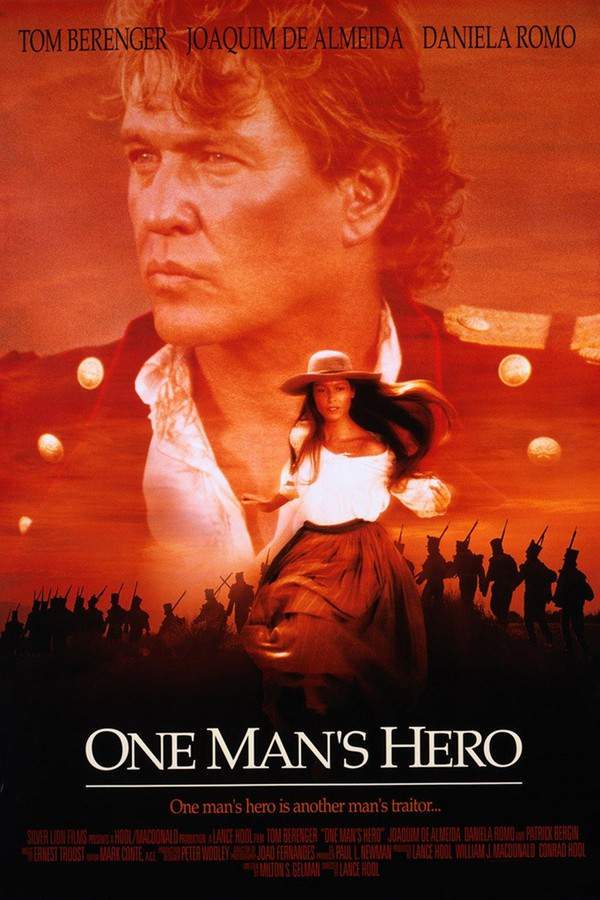
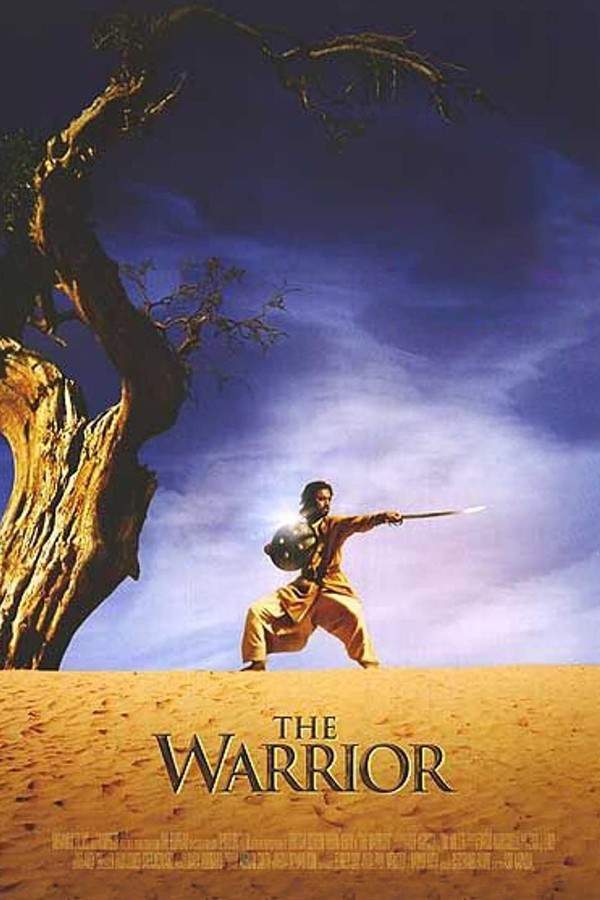
Dark action epics with cliffhanger endings like Rurouni Kenshin Part II: Kyoto Inferno

High-intensity journeys that end on a tense, ambiguous note, leaving fate uncertain. Find movies similar to Rurouni Kenshin Part II: Kyoto Inferno that are part of a larger saga and end on a tense, unresolved note. If you liked the high-intensity action, dark tone, and ambiguous cliffhanger of this film, you'll enjoy these gripping stories that leave you eager for more.

  • tense
  • sinister
  • action-packed
  • unresolved
  • grim
  • urgent
  • Tone: dark, tense, grim
  • Pacing: fast, relentless
Why these movies?

The story pattern: Stories in this thread follow a fast-paced, high-stakes narrative that builds towards a major confrontation. However, instead of a clean victory, the protagonist often suffers a significant setback or the primary threat remains largely unchecked by the end, creating a feeling of incomplete triumph and setting the stage for a direct continuation.

Why they belong together: Movies are grouped here based on a potent combination of a dark tone, high intensity, fast pacing, and a specific narrative structure that employs an ambiguous, cliffhanger-style ending. This creates a shared viewing experience of high tension and anticipation.

Every angle

Rurouni Kenshin Part II: Kyoto Inferno (2014) Explained: Plot, Timeline & Characters

Everything about Rurouni Kenshin Part II: Kyoto Inferno in one place: what happens in the plot summary, the timeline in chronological order, the characters and meaning and a spoiler-free summary. What's After the Movie adds the cast, box office and post-credit scenes.

Coming soon on iOS and Android

The Plot Explained Movie Summary App

Plot summaries, endings explained and timelines on your phone. Catch up on any movie in minutes, save your favorites and never miss a twist again.

Be the first to know when we launch. Your email stays private, always.

Learn more about the app