Lone Wolf and Cub: White Heaven in Hell

Lone Wolf and Cub: White Heaven in Hell

Year: 1974

Runtime: 83 mins

Language: Japanese

Director: Yoshiyuki Kuroda

AdventureFantasyAction

In the sixth and final film of the Lone Wolf and Cub series, the final conflict between Ogami Itto and the Yagyu clan is carried out.

Where to Watch Lone Wolf and Cub: White Heaven in Hell?

Find where to stream, rent, or buy Lone Wolf and Cub: White Heaven in Hell (1974) in the US with current JustWatch availability, up-to-date pricing, and platform listings for subscription, rental, and digital purchase options.

Warning: spoilers below!

Haven’t seen Lone Wolf and Cub: White Heaven in Hell yet? This summary contains major spoilers. Bookmark the page, watch the movie, and come back for the full breakdown. If you're ready, scroll on and relive the story!

Lone Wolf and Cub: White Heaven in Hell (1974) – Full Plot Summary & Ending Explained

Read the complete plot breakdown of Lone Wolf and Cub: White Heaven in Hell (1974), including all key story events, major twists, and the ending explained in detail. Discover what really happened, and what it all means.

After the Shogun threatens to disgrace the Yagyū clan for their continual failures to kill the wandering swordsman Ogami Itto, Tomisaburô Wakayama, and his infant son Daigoro, Akihiro Tomikawa, Lord Yagyū Retsudo, Minoru Ōki, sends his daughter Kaori, Junko Hitomi, an expert with flying daggers, to finish the job. When Kaori is killed, Retsudo turns to the Tsuchigumo, a secretive mountain clan that practices black magic and is led by Hyoei, Isao Kimura. He dispatches his three most fearsome followers, each with the terrifying ability to burrow through the earth and reach Ittō and Daigoro.

Ittō soon confronts Hyoei in a sword duel, and defeats him along with the three Tsuchigumo followers who can burrow through the earth. Fleeing to the mountains of northern Japan, Ittō turns the tables on the Tsuchigumo, who cannot burrow under snow and ice, and kills all three of them as the harsh terrain helps level the playing field.

The conflict climaxes in a final battle on a snow‑capped peak, where nearly a thousand allied troops rally under Retsudo’s personal command. The infant cart is transformed into a sled and serves as a mobile weapons platform, with Ittō first mowing down a sizeable chunk of the army using the cart’s Gatling gun, then pressing the assault with sword—shooting, stabbing, slashing, dismembering, and beheading foes in a brutal crescendo. But the one‑eyed Retsudo escapes by riding away on a sled, vowing to kill Ittō another day.

Last updated: February 18, 2026 at 23:47

Was this helpful?

Lone Wolf and Cub: White Heaven in Hell (1974) Plot Questions Answered – Summary FAQ

Explore frequently asked questions about Lone Wolf and Cub: White Heaven in Hell (1974) with spoiler-rich answers covering the full plot summary, major story beats, character motivations, hidden details, and ending meaning. This movie summary FAQ helps explain confusing scenes, plot twists, and narrative decisions in clear, searchable detail.

Q1

Why does Yagyū Retsudo send his daughter Kaori to kill Ogami Ittō?

A.

Retsudo sends Kaori because the Shogun has threatened to disgrace the Yagyū clan for their repeated failures to eliminate Ogami Ittō and his son Daigoro. With most of his children already dead due to previous attempts on Ittō's life, Kaori is the last remaining child in the Yagyū family. Retsudo assigns her the mission to uphold the clan's honor and satisfy the Shogun's demand, leveraging her expertise with flying daggers.

Earlier failures by Retsudo's sons are referenced in the Shogun's ultimatum, setting up Kaori as the final attempt.

yagyu retsudokaorishogun threatfamily honor
Q2

How do the Tsuchigumo followers burrow through the earth?

A.

The Tsuchigumo are a secretive mountain clan that practices black magic, and their three most fearsome followers possess the terrifying supernatural ability to burrow through solid earth. This allows them to emerge unexpectedly beneath Ittō and Daigoro, making them dangerous predators who can attack from underground. Hyoei dispatches these three burrowers to track down and kill the duo.

The Tsuchigumo are introduced as a clan of dark magic practitioners who inhabit mountains, foreshadowing their connection to earth-based powers.

tsuchigumoburrowinghyoeiblack magicsupernatural abilities
Q3

Why can't the Tsuchigumo burrow through snow and ice?

A.

The Tsuchigumo's earth-burrowing ability is limited to solid ground. When Ittō retreats to the northern Japanese mountains, he exploits this weakness, snow and ice are not solid earth, so the three burrowing followers cannot use their powers in the frozen terrain. This levels the playing field and allows Ittō to kill all three of them.

Ittō's strategic retreat to the northern mountains is a deliberate choice after defeating Hyoei, suggesting he knows the terrain will work to his advantage.

tsuchigumosnowburrowing weaknessnorthern mountains
Q4

Why does the baby cart have a Gatling gun?

A.

The baby cart that Ittō uses to transport infant Daigoro is revealed to be a mobile weapons platform equipped with a Gatling gun and other weapons. During the final battle on the snow-capped mountain, Ittō transforms the cart into a sled and uses the Gatling gun to devastating effect, mowing down roughly a third of the nearly 1,000-strong army before continuing the assault with sword combat.

The cart's transformation into a sled during the final battle suggests it was always designed as a multi-purpose weapon, though this is not explicitly foreshadowed earlier.

baby cartgatling gunweapons platformfinal battle
Q5

How does Ogami Ittō defeat Hyoei and the Tsuchigumo?

A.

Ittō confronts Hyoei in a direct sword duel at Hyoei's mountain fortress and defeats him in combat. After this victory, the three Tsuchigumo followers continue pursuing Ittō and Daigoro, but when the duo retreats to the northern mountains, Ittō kills all three of them in the snowy terrain where their burrowing abilities are useless.

The initial confrontation at Hyoei's fortress establishes Ittō's superior swordsmanship, making the later snow battle a strategic retreat-turned-ambush.

ogami ittohyoeisword dueltsuchigumo defeat
Q6

Why does Yagyū Retsudo escape on a sled during the final battle?

A.

During the climactic battle on the snow-capped peak, Retsudo sees that his army is being decimated by Ittō's Gatling gun and subsequent sword assault. Recognizing the battle is lost, the one-eyed Retsudo escapes by riding away on a sled, vowing to kill Ittō another day. This allows the conflict between them to continue beyond this film.

The Yagyū clan's resilience and strategic adaptability are established earlier when Retsudo repeatedly sends new forces after previous failures.

yagyu retsudosled escapevow revengeone-eyed
Q7

What happens to Kaori after she is sent to kill Ittō?

A.

Kaori, the Yagyū clan's expert with flying daggers and last remaining child of Lord Retsudo, is killed during her attempt to eliminate Ogami Ittō and his son Daigoro. Her death forces Retsudo to abandon the conventional approach and turn to the Tsuchigumo clan, escalating the conflict to a more desperate and supernatural level.

Kaori's assignment represents the Yagyū clan's final conventional strike, and her failure sets the stage for the supernatural intervention.

kaori deathyagyu daughterflying daggersfailure
Q8

Why does Retsudo command nearly a thousand troops for the final battle?

A.

Retsudo personally commands nearly 1,000 allied troops for the final battle because he is determined to finally destroy Ogami Ittō once and for all. The massive scale reflects both the Shogun's pressure to end the feud and Retsudo's personal desperation after losing his daughter Kaori and the Tsuchigumo reinforcements. This is meant to be the decisive, overwhelming assault that ends the wandering swordsman's life.

The Shogun's threat to disgrace the Yagyū clan provides the urgency that drives Retsudo to commit such overwhelming force.

thousand troopsyagyu armyfinal battleoverwhelming force
Q9

Why does the film end with the conflict unresolved?

A.

The film ends with Retsudo escaping on a sled and vowing to kill Ittō another day because this is the sixth and final entry in the Lone Wolf and Cub series. The narrative intentionally leaves the feud unresolved, maintaining the cyclical nature of violence that defines the series. Both Ittō and Retsudo are locked in a nihilistic quest for vengeance with no ultimate resolution, the legend of the wanderer and his son simply continues.

The series has consistently portrayed vengeance as an endless cycle, and Retsudo's escape follows the pattern of previous films where the conflict persists.

unresolved endingcycle of violenceseries conclusionrevenge theme
Q10

What triggers Retsudo to recruit the Tsuchigumo clan?

A.

Retsudo recruits the Tsuchigumo after Kaori is killed, which represents the failure of conventional Yagyū warriors. With his daughter dead and the Shogun demanding results, Retsudo turns to the secretive mountain clan led by Hyoei, who practices black magic and commands followers with supernatural earth-burrowing abilities. This represents a significant escalation in the conflict, introducing supernatural elements.

Kaori's death is the turning point that forces Retsudo to abandon standard tactics and seek darker, more dangerous allies.

tsuchigumo recruitmenthyoeiblack magickilled kaori
Mobile App Preview

Coming soon on iOS and Android

The Plot Explained Mobile App

From blockbusters to hidden gems - dive into movie stories anytime, anywhere. Save your favorites, discover plots faster, and never miss a twist again.

Sign up to be the first to know when we launch. Your email stays private, always.

Explore Movie Threads

Discover curated groups of movies connected by mood, themes, and story style. Browse collections built around emotion, atmosphere, and narrative focus to easily find films that match what you feel like watching right now.

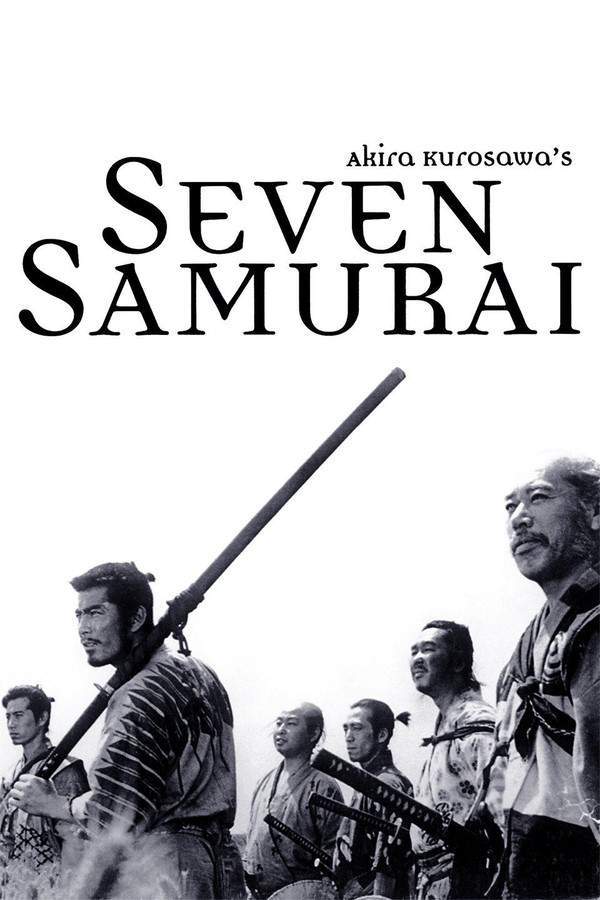
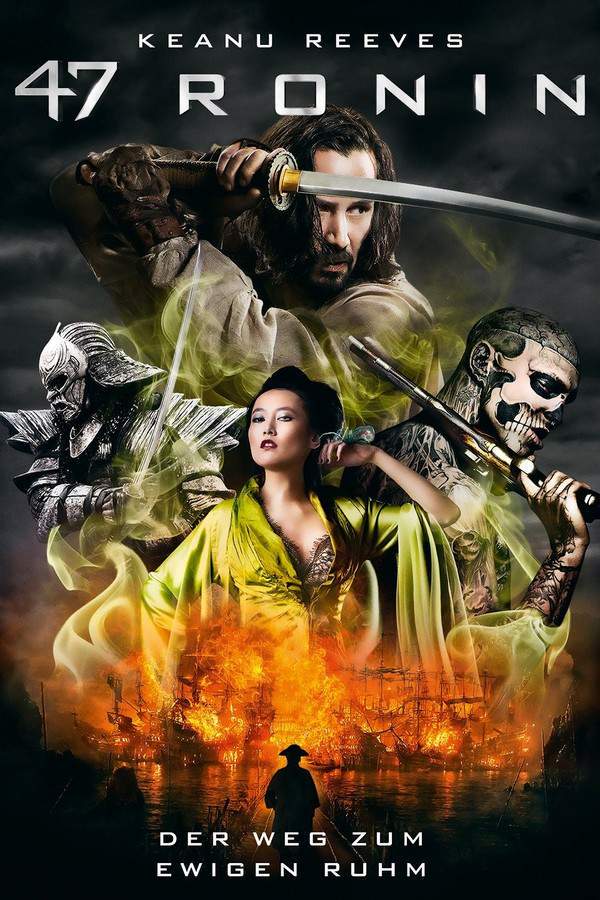
Relentless Samurai Epics like Lone Wolf and Cub: White Heaven in Hell

A lone warrior pursues a bloody, all-consuming path of retribution.If you enjoyed the fatalistic pursuit and brutal combat of Lone Wolf and Cub, you'll find similar immersive tales of lone warriors on a bloody quest for revenge. These movies share a dark tone, high intensity, and a focus on the code of the samurai.

vengefulbrutalrelentlessatmosphericdesolatefatalisticepic

Narrative Summary

The narrative follows a linear path of vengeance, where the protagonist confronts waves of enemies leading to a final, climactic showdown. Character development is often secondary to the relentless forward momentum of the quest, emphasizing action and atmosphere over complex plotting.

Why These Movies?

These films are grouped by their shared focus on a lone warrior archetype, a dark and atmospheric tone, fast pacing driven by action, and the heavy emotional weight of a blood feud. They deliver a specific, intense experience of samurai-era conflict.

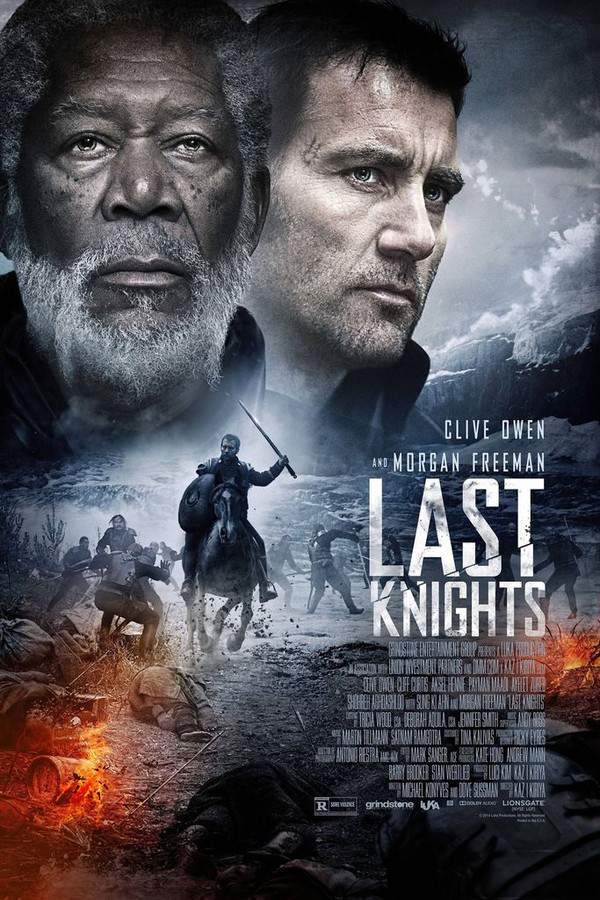
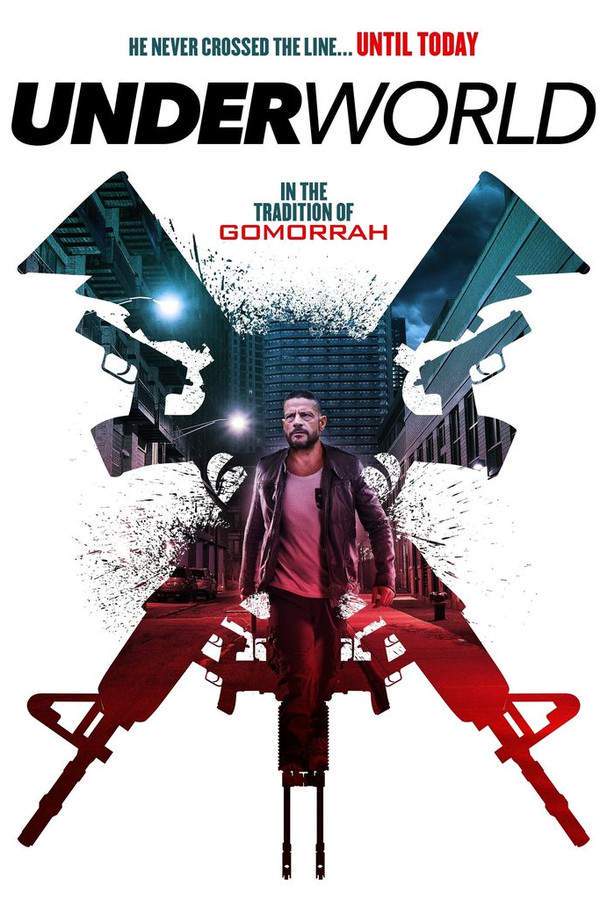
Bleak and Brutal Action Journeys like Lone Wolf and Cub: White Heaven in Hell

Violent quests in hostile worlds where resolution offers little solace.For viewers who appreciated the nihilistic violence and unresolved tension of Lone Wolf and Cub, this thread finds other films with a similarly dark and brutal tone. These stories feature high-stakes action in unforgiving worlds.

brutalbleaknihilisticgraphic violencedesolatefatalisticintenseatmospheric

Narrative Summary

The narrative revolves around an ultimate confrontation that serves as the culmination of a long-running conflict. The journey is linear and straightforward, with a focus on survival and the mechanics of combat rather than complex twists. The emotional journey is one of endurance amid overwhelming opposition, often ending without a clear sense of victory.

Why These Movies?

These films share a cocktail of high intensity, dark tone, straightforward narratives, and heavy emotional weight derived from graphic violence and bleak themes. They are united by a visceral, atmospheric feel rather than a specific genre, appealing to viewers seeking uncompromising action with a nihilistic edge.

Unlock the Full Story of Lone Wolf and Cub: White Heaven in Hell

Don't stop at just watching - explore Lone Wolf and Cub: White Heaven in Hell in full detail. From the complete plot summary and scene-by-scene timeline to character breakdowns, thematic analysis, and a deep dive into the ending - every page helps you truly understand what Lone Wolf and Cub: White Heaven in Hell is all about. Plus, discover what's next after the movie.

Lone Wolf and Cub: White Heaven in Hell Timeline

Track the full timeline of Lone Wolf and Cub: White Heaven in Hell with every major event arranged chronologically. Perfect for decoding non-linear storytelling, flashbacks, or parallel narratives with a clear scene-by-scene breakdown.

Lone Wolf and Cub: White Heaven in Hell Timeline

Characters, Settings & Themes in Lone Wolf and Cub: White Heaven in Hell

Discover the characters, locations, and core themes that shape Lone Wolf and Cub: White Heaven in Hell. Get insights into symbolic elements, setting significance, and deeper narrative meaning - ideal for thematic analysis and movie breakdowns.

Characters, Settings & Themes in Lone Wolf and Cub: White Heaven in Hell

Lone Wolf and Cub: White Heaven in Hell Spoiler-Free Summary

Get a quick, spoiler-free overview of Lone Wolf and Cub: White Heaven in Hell that covers the main plot points and key details without revealing any major twists or spoilers. Perfect for those who want to know what to expect before diving in.

Lone Wolf and Cub: White Heaven in Hell Spoiler-Free Summary

More About Lone Wolf and Cub: White Heaven in Hell

Visit What's After the Movie to explore more about Lone Wolf and Cub: White Heaven in Hell: box office results, cast and crew info, production details, post-credit scenes, and external links - all in one place for movie fans and researchers.

More About Lone Wolf and Cub: White Heaven in Hell