Plot Explained Spoilers guaranteed!
Plot Explained

Browse by genre

Running Man (2013) movie poster

Plot Summary

Running Man (2013) Plot Summary Explained

Release, runtime and language
2013 · 127 mins · Korean
Directed by
Jo Dong-oh
Starring
Joo Hyun, Oh Jung-se, Shin Ha-kyun, Lee Tae-ri, Kim Eui-sung, Cho Eun-ji

A man who wrongly accused as a murderer know nothing but just running from everyone who want to catch him. Can he reveal the truth before things getting worst?

On this page (4)
  1. 1 What happens: full plot
  2. 2 Plot questions answered
  3. 3 Movie threads
  4. 4 Every angle

Full plot summary · contains spoilers

What Happens in Running Man: Full Plot Summary

The whole story of Running Man (2013) explained, from the opening scene to the final frame: every key event, every twist and what it all adds up to. Read it as a quick recap before the sequel, to check a scene you missed, or to finally understand what really happened.

Jong-Woo, portrayed by Shin Ha-kyun, is a man with a troubled past, having been incarcerated four times for minor offenses such as burglary and auto theft. Despite those setbacks, he is now attempting to turn his life around as an auto mechanic. Jong-Woo is a father to a 17-year-old son named Gi-Hyuk, played by Lee Tae-ri, but their relationship is strained, filled with misunderstandings and tension. While Jong-Woo might come off as an irresponsible parent, he genuinely strives to provide for his son, even going so far as to work additional hours as a private taxi driver to make ends meet.

One fateful evening, Jong-Woo's ordinary taxi-driving job takes an unexpected turn when he drops off a couple at an upscale hotel. Suddenly, a mysterious man jumps into his car and demands that Jong-Woo drive away quickly. The man, who reveals a hefty bundle of money, sparks Jong-Woo's curiosity and a sudden sense of opportunity. The man instructs him to take him to a delivery service, which takes an ominous turn when Jong-Woo steps inside to ask for the bathroom and sees the man mailing off a small electronic device.

The situation escalates when the man offers Jong-Woo $1,000 to drive him to an apartment and then to the airport. Eager for the cash, Jong-Woo suspiciously decides to call his own phone from the man's device, a choice that ultimately seals his fate.

As they navigate to the parking garage of the apartment complex, Jong-Woo suddenly finds himself running for his life, now the key suspect in a shocking murder case that flips his world completely upside down. In the meantime, Gi-Hyuk grapples with the unthinkable reality of his father's involvement in such a grave situation, igniting his determination to uncover the truth behind the horrifying events that have transpired. The struggle for both father and son unfolds as Gi-Hyuk sets out to unravel the mystery that has cast a dark shadow over their lives.

Last updated: September 24, 2026 at 14:40

Was this helpful?

Plot questions answered

Running Man Plot Explained: Your Questions Answered

The questions people ask most about Running Man (2013): what happens in the confusing scenes, why the characters do what they do, the twists, hidden details and what the ending means. Each answer contains spoilers.

Q1

Why does Jong-Woo become the prime suspect in the murder?

Jong-Woo becomes the prime suspect because he is the last person seen with the victim in the apartment parking garage, and the mysterious passenger deliberately engineers the scene to make him look guilty. When the murder is discovered, the stranger has already vanished, leaving Jong-Woo as the only identifiable person connected to both the victim and the location. Combined with his prior criminal record, this setup makes him an immediate and convenient target for the investigation.

Foreshadowing: Jong-Woo's instinctive curiosity about the man's device and money earlier in the ride hints that his willingness to engage with the stranger will eventually be used against him.

  • jong-woo
  • murder suspect
  • parking garage
  • frame-up
  • running man 2013
Q2

Why does Jong-Woo call his own phone from the mysterious man's device?

Jong-Woo calls his own phone from the stranger's device as a precaution, hoping to trace the man if the situation turns dangerous. He suspects the passenger is involved in something shady, especially after seeing the bundle of cash and the mailed electronic device. The move backfires because it gives the stranger Jong-Woo's number, creating a direct digital link that later becomes key evidence in framing him for the murder.

Foreshadowing: His habit of distrusting strangers, born from a lifetime of brushes with the law, pushes him to take this precaution without realizing it would be used against him.

  • jong-woo
  • phone call
  • trace
  • evidence
  • mystery device
Q3

What happens at the apartment parking garage that changes everything?

In the parking garage, the mysterious passenger exits the car and a murder victim is discovered almost immediately, with Jong-Woo left as the only person present who can be connected to the scene. Before Jong-Woo can react, the stranger disappears, and the situation forces him into a desperate run for his life. The garage essentially becomes the trap that flips Jong-Woo from an ordinary taxi driver into a fugitive.

Foreshadowing: Jong-Woo had sensed earlier that 'something was amiss' as they approached the complex, but the lure of $1,000 kept him driving forward.

  • apartment complex
  • parking garage
  • murder scene
  • turning point
  • jong-woo
Q4

Why does Jong-Woo run instead of turning himself in?

Jong-Woo runs because he knows his four prior convictions for burglary and auto theft will make it nearly impossible for the police to believe his story. With no alibi, no witness to the stranger, and a history that fits the suspect profile, he believes he will be convicted regardless of the truth. Fleeing becomes his only perceived way to buy time and find the real culprit on his own.

Foreshadowing: His anxiety about the police, established through his criminal past, primes him to react with flight rather than cooperation.

  • jong-woo
  • running
  • fugitive
  • criminal record
  • innocence
Q5

Why does Gi-Hyuk decide to investigate and clear his father's name?

Gi-Hyuk decides to investigate because he cannot reconcile the image of his father with the label of murderer, despite the tension between them. The shock of hearing that his father is the prime suspect pushes him past his resentment and into action. His intelligent and resourceful nature drives him to gather clues and piece together what really happened that night.

Foreshadowing: Earlier arguments between father and son hint at a deeper loyalty that resurfaces once Jong-Woo's life is on the line.

  • gi-hyuk
  • investigation
  • clear name
  • father-son
  • truth
Q6

What is the significance of the small electronic device mailed at the delivery company?

The small electronic device is a planted piece of evidence meant to eventually link Jong-Woo to the murder setup. By mailing it in Jong-Woo's presence, the stranger creates a witness who can be tied to the device, while also leaving Jong-Woo's phone number attached to it through the earlier call. Together, these moves form a digital and physical trail pointing directly at the auto mechanic.

Foreshadowing: Jong-Woo notices the mailing but does not realize he has just become a witness to his own framing.

  • electronic device
  • delivery company
  • evidence
  • frame-up
  • planted
Q7

How does Jong-Woo's criminal past affect the murder investigation?

Jong-Woo's four prior convictions for burglary and auto theft make him an immediate suspect in the eyes of the police, even before deeper evidence is examined. His history fits the profile of a likely offender and removes any benefit of the doubt he might otherwise receive. This past effectively does half of the stranger's job for him, making the frame-up far more believable.

Foreshadowing: The opening scenes establish his criminal record as a defining trait long before the murder occurs, foreshadowing how it will be exploited.

  • criminal record
  • prior convictions
  • police suspicion
  • profile
  • jong-woo
Q8

Who is the mysterious man who jumps into Jong-Woo's taxi?

The mysterious man is never fully identified early in the story, but he is clearly not a random passenger. He is calm, prepared, and carrying cash and a device, suggesting he has planned the entire encounter. His behavior indicates he was specifically looking for a vulnerable driver to use as a scapegoat, and Jong-Woo's financial desperation makes him the perfect target.

Foreshadowing: The stranger's immediate offer of money and refusal to explain himself signals that he is operating with a hidden agenda.

  • mysterious man
  • stranger
  • passenger
  • mastermind
  • suspect
Q9

Why did Jong-Woo accept the mysterious man's $1,000 offer?

Jong-Woo accepted the offer because he was stretched thin financially, working double shifts as both a mechanic and a night taxi driver to support his son. The promise of quick, easy cash blinded him to the obvious danger of the situation. His desperation, combined with curiosity about the stranger's money and device, overrides his better judgment.

Foreshadowing: His ongoing struggle to provide for Gi-Hyuk is established from the start, making the financial lure inevitable.

  • 1000 dollars
  • offer
  • money
  • financial struggle
  • jong-woo
Q10

Why is the relationship between Jong-Woo and Gi-Hyuk so strained?

Their relationship is strained because Jong-Woo's past incarcerations have left Gi-Hyuk with deep resentment and a lack of trust. On top of that, Jong-Woo works long hours at both jobs, leaving little time or energy to repair the bond. The two misunderstand each other constantly, with Gi-Hyuk seeing irresponsibility where Jong-Woo sees sacrifice.

Foreshadowing: Their frequent arguments early in the story hint that a crisis will be needed to push them toward reconciliation.

  • father-son
  • strained relationship
  • gi-hyuk
  • jong-woo
  • family drama
Q11

How does the visit to the delivery company connect to the murder?

The visit to the delivery company is where the stranger mails the small electronic device, placing Jong-Woo at the scene of a crucial piece of planted evidence. It establishes a verifiable connection between Jong-Woo and the stranger's belongings just before the murder occurs. This link becomes the foundation the police later use to build a case against him.

Foreshadowing: Jong-Woo's casual decision to step inside and ask for the bathroom puts him in exactly the wrong place at the wrong time.

  • delivery company
  • device
  • evidence
  • connection
  • frame-up
Q12

Why does the mysterious man offer Jong-Woo such a large sum of money?

The generous payment is a deliberate lure designed to make Jong-Woo compliant and willing to follow the stranger's instructions without asking questions. By dangling $1,000 in front of a financially struggling father, the man guarantees cooperation and silence during the setup. The money is not a reward; it is the bait that seals Jong-Woo's role as the perfect scapegoat.

Foreshadowing: The stranger's immediate flash of cash the moment he enters the taxi signals that the offer is calculated, not generous.

  • money offer
  • lure
  • stranger
  • bait
  • financial motive

Movie threads

More Movies Like Running Man, by Mood & Story

Curated lists built around what makes Running Man tick: the same mood, the same kind of story or the same emotional payoff. Each list explains why these movies belong together.

Movies like Running Man: wrongly accused manhunt thrillers

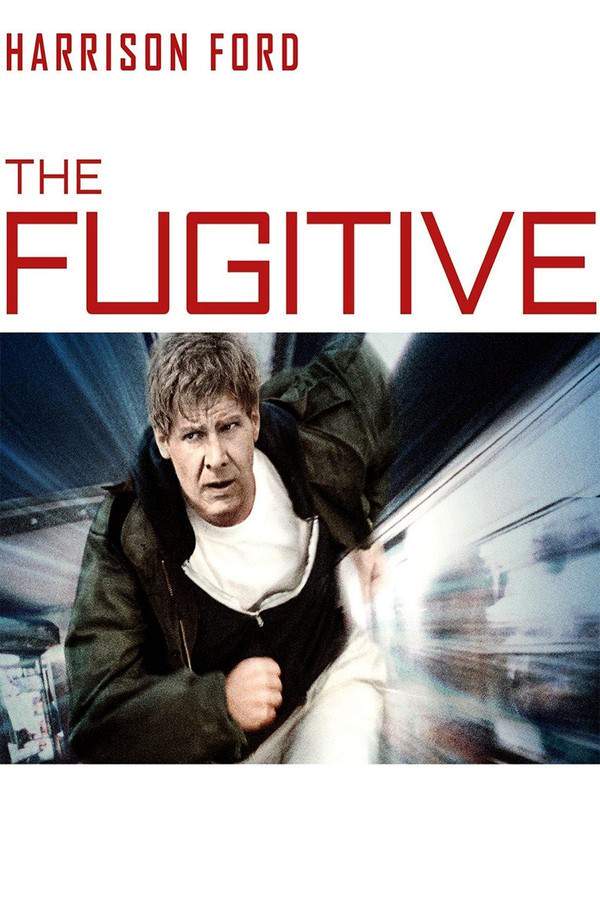
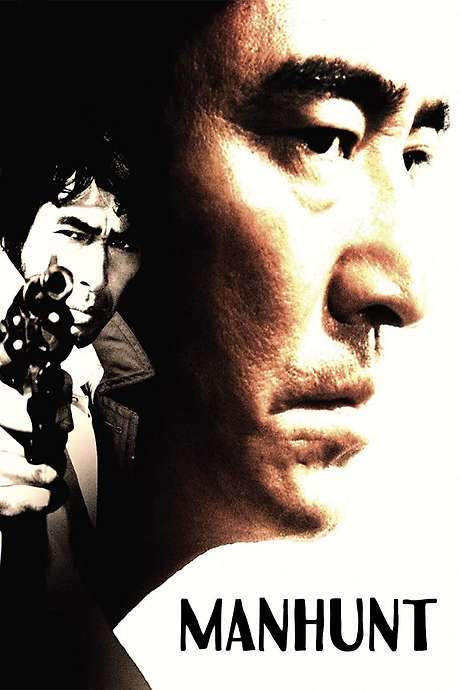
Hunted for a crime you didn't commit, racing to expose the truth before the net closes in. If you liked Running Man's breathless chase structure, this section highlights similar thrillers where an ordinary person is hunted for a murder they didn't commit. These movies like Running Man lean on sustained paranoia, rapid-fire pacing, and protagonists forced to investigate their own case while fleeing. Expect tense, emotionally heavy survival stories built around proving innocence under pressure.

  • on the run
  • wrongly accused
  • manhunt
  • relentless
  • paranoid
  • desperate chase
  • Tone: tense, desperate
  • Pacing: fast and relentless
Why these movies?

The story pattern: These stories typically start with the protagonist's ordinary life being shattered by an accusation that catches them off guard, often during a routine moment. From there the plot accelerates into flight: allies disappear, evidence piles against them, and escape becomes a constant calculation. The investigation and the chase intertwine as the protagonist must track down the real culprit while staying ahead of police, criminals, or shadowy figures. Resolution hinges on exposing the truth rather than outlasting the pursuit, giving the chase a purpose beyond mere survival.

Why they belong together: They share a tight focus on an innocent man locked in a life-or-death run from misunderstanding, revenge, or conspiracy. Pacing is consistently fast and the tone tense, with emotional weight carried by the unfairness of the situation and the cost on the protagonist's family. The mix of investigative puzzle, chase mechanics, and personal stakes is what unites them.

Movies like Running Man: father and son thrillers about broken family bonds

An already damaged parent-child relationship pushed past the breaking point by danger. Building on Running Man's emotional core, this section surfaces movies like Running Man where a damaged father-son or parent-child relationship is tested by life-or-death danger. Similar stories blend tense action and survival with quiet, heavy family drama, asking whether blood ties can survive suspicion, miscommunication, and a crisis that never lets up. Perfect for viewers who want thrillers with real emotional stakes.

  • family drama
  • strained bond
  • survival
  • emotional
  • reconciliation
  • heavy
  • Tone: heavy, tense, bittersweet
  • Pacing: fast with emotional pockets
Why these movies?

The story pattern: These narratives open with the family clearly at odds: a parent is absent, unreliable, or disrespected, and the child carries resentment or disappointment. A sudden threat then traps them together with no escape route, forcing real conversation and cooperation. As danger closes in, small acts of protection begin to crack the old wounds, and the climax usually reframes who the father truly is in the child's eyes. Resolution tends to be bittersweet, leaning on the hard-won reconnection rather than a clean happy ending.

Why they belong together: They combine thriller pacing and intensity with a parent-child relationship arc that drives the emotional weight of the story. Tone and pacing stay tense, but the heart of the film is the relational repair happening inside the chaos. That pairing of high stakes with intimate family conflict is what links them together.

Every angle

Running Man (2013) Explained: Plot, Timeline & Characters

Everything about Running Man in one place: what happens in the plot summary, the timeline in chronological order, the characters and meaning and a spoiler-free summary. What's After the Movie adds the cast, box office and post-credit scenes.

Coming soon on iOS and Android

The Plot Explained Movie Summary App

Plot summaries, endings explained and timelines on your phone. Catch up on any movie in minutes, save your favorites and never miss a twist again.

Be the first to know when we launch. Your email stays private, always.

Learn more about the app