Plot Explained Spoilers guaranteed!
Plot Explained

Browse by genre

Rude Awakening (1989) movie poster

Characters & Themes

Rude Awakening (1989) Characters, Setting & Themes Explained

Release, runtime and language
1989 · 98 mins · English
Loading streaming availability…
Directed by
David Greenwalt
Starring
Cheech Marin, Cindy Williams, Robert Carradine, Julie Hagerty, Andrea Martin, Melora Walters

After being pursued by the FBI in the late 1960s, two hippies flee their friends and hide in a jungle for 20 years. When the 1980s arrive they discover a secret war is about to erupt in the United States, and that the world cares about buying rather than saving. Determined, they return to New York to sound the alarm, hoping to expose the conflict.

On this page (8)
  1. 1 Where to watch
  2. 2 Characters explained (4)
  3. 3 Where & when it takes place
  4. 4 Themes & meaning (3)
  5. 5 Character & meaning questions
  6. 6 Movie threads
  7. 7 Movies like Rude Awakening
  8. 8 Every angle
Loading streaming availability…

4 main characters · contains spoilers

Rude Awakening Characters Explained: Who Is Who

The main characters of Rude Awakening (1989), heroes and villains: what drives them, how they change over the course of the story and what each of them reveals about the film's bigger ideas.

  • Fred Wook (Eric Roberts)

    An unwavering idealist who co-edits an underground newspaper and believes in radical social change. He flees the city for the jungle to escape pursuit, then returns years later to confront a shifting political climate. His optimism gives way to disillusionment as war becomes a reality, yet he remains driven by a hope that younger generations can spark action.

    • 🎭 Idealist
    • 📰 Writer
    • 🌍 Activist
  • Jesús Monteya (Cheech Marin)

    A free-spirited hippie whose mind has been altered by LSD, shaping him into a laid-back yet perceptive ally to Fred. He embodies pacifism and loyalty, providing a counterpoint to aggression while still keeping faith in peace. His outlook remains hopeful even as the world eyes war.

    • 🎭 Pacifist
    • 🧭 Loyal
    • 🌿 Free Spirit
  • Sammy Margolin (Robert Carradine)

    Fred’s friend who keeps the mission alive through publishing their message, even as the era shifts. He initially clings to the cause but gradually succumbs to the lure of the 1980s yuppie lifestyle. His evolution highlights how personal ambition can clash with collective activism.

    • 🎭 Writer
    • 📰 Journalist
    • 💼 Materialist
  • Petra Black (Julie Hagerty)

    Fred’s artist girlfriend who becomes entangled in the materialistic culture of the 1980s. She is creative and supportive, yet influenced by the lure of urban success. Her journey mirrors the larger tension between art, love, and political action.

    • 🎨 Artist
    • 🌆 Yuppie
    • 💡 Creative

Last updated: October 04, 2025 at 13:53

Was this helpful?

Setting

Where and When Does Rude Awakening Take Place?

The setting of Rude Awakening (1989): the year and time period, the places and locations, and how they shape the characters, the mood and the tension of the story.

Time period

1969–1989

The film spans two decades, beginning in the late 1960s era of anti-war activism and hippie experimentation. It follows the ascent of 1980s yuppie culture in New York, showing how materialism and corporate optimism encroach on countercultural ideals. The narrative culminates in the early-to-mid 1980s, as the protagonists attempt to halt a war while confronting personal disillusionment.

Location

New York City, Central American Jungle

The story begins in 1969 New York City, a bustling urban center known for its vibrant counterculture and protests. It then moves to the secluded jungles of Central America, a stark contrast where the protagonists hide from a world that no longer shares their ideals. The setting shifts between cramped urban communes and remote jungle isolation, highlighting the tension between activism and survival.

  • 🌆 City
  • 🏞️ Jungle
  • 🕊️ Counterculture

Last updated: October 04, 2025 at 13:53

Was this helpful?

3 major themes

Rude Awakening Meaning: Themes & Message Explained

What is Rude Awakening (1989) really about? The emotional, social and philosophical themes the film keeps returning to, its symbolism and the message beneath the surface.

  • War

    A protest-driven quest to stop a looming invasion frames the characters’ actions, but the film reveals how activism can fuel conflict and public appetite for war. It examines the unpredictable consequences when information and momentum intersect with political will. The tension between idealism and real-world power is central to the story.

  • Disillusionment

    Fred’s belief that he can avert war is steadily eroded as outcomes diverge from his intentions. The characters experience personal heartbreak as their efforts fail to prevent violence, yet the film also hints that hope persists through younger generations and continued activism. The contrast between romantic ideals and grim reality drives the emotional core.

  • Materialism

    The return to the urban setting exposes how the 1980s yuppie culture seduces Sammy and Petra away from their early ideals. The movie shows how consumerism and professional ambition challenge a counterculture’s mission. In contrast, Fred and Jesus confront the comfort of wealth with a renewed call for change.

Last updated: October 04, 2025 at 13:53

Was this helpful?

Character & theme questions

Rude Awakening Characters & Meaning: Your Questions Answered

The questions people ask about Rude Awakening (1989): who the characters really are, their relationships, what the symbols mean, where it takes place and what the movie is really about. Each answer contains spoilers.

Q1

Where does the story take place?

The movie is set primarily in New York City during the late 1960s and again in the 1980s, with a significant portion set in the Central American jungle where the protagonists hide for two decades. The contrast between the urban counterculture scene and the isolated jungle reflects the characters' retreat from society and their later return to confront a changed world.

  • new york city
  • central american jungle
  • setting
  • locations
Q2

What time period does the movie cover?

The story spans from 1969 to 1989, beginning in the late 1960s era of anti-war activism and hippie counterculture. It jumps forward to the 1980s, showcasing the rise of yuppie culture and consumerism in New York, which directly contrasts with the idealistic 1960s setting the characters remember.

  • 1960s
  • 1980s
  • time period
  • era
  • timeline
Q3

What are the main themes of the movie?

The movie explores three interconnected themes: War and the unpredictable consequences of activism; Disillusionment as idealistic characters confront reality and personal heartbreak; and Materialism, showing how 1980s consumer culture challenges countercultural values. These themes create tension between romantic ideals and grim reality while ultimately offering hope through renewed activism.

  • themes
  • activism
  • disillusionment
  • materialism
  • war
  • idealism
Q4

Who is Fred Wook and what motivates him?

Fred Wook is the protagonist played by Eric Roberts, an unwavering idealist who co-edits an underground newspaper and believes in radical social change. He flees to the jungle to escape FBI pursuit, then returns in the 1980s determined to stop a looming war. His motivation is rooted in activism and a belief that younger generations can spark meaningful change, even as his optimism gives way to disillusionment.

  • fred wood
  • eric roberts
  • protagonist
  • idealist
  • activist
Q5

Who is Jesús Monteya and what role does he play?

Jesús Monteya is played by Cheech Marin as a free-spirited hippie whose mind was altered by LSD. He serves as Fred's laid-back yet perceptive ally, embodying pacifism and loyalty throughout the story. While the world around him gears toward war, Jesús maintains a hopeful outlook and provides a counterpoint to aggression, representing the enduring spirit of peace.

  • jesus monteya
  • cheech marin
  • hippie
  • pacifist
  • supporting character
Q6

How do the 1960s and 1980s settings contrast in the movie?

The 1960s setting represents counterculture, anti-war protests, and idealism, while the 1980s showcases materialism, corporate optimism, and personal ambition. This contrast drives the narrative as the returning hippies discover their former friends have been seduced by yuppie culture, highlighting how consumerism challenged the counterculture's mission.

  • 1960s
  • 1980s
  • counterculture
  • yuppie
  • contrast
  • culture clash
Q7

Why is the movie classified as a comedy?

The film is classified as a comedy because it uses satire and humor to address serious themes like war and disillusionment. Despite the stakes involving a secret war and political conflict, the movie maintains a comedic foundation through character quirks, absurd situations, and a lighthearted tone that prevents it from becoming a dark drama.

  • comedy
  • satire
  • tone
  • humor
  • genre
Q8

Who is Sammy Margolin and what represents his arc?

Sammy Margolin, played by Robert Carradine, is Fred's friend who keeps their activist message alive through publishing. He initially clings to the cause but gradually succumbs to the 1980s yuppie lifestyle. His arc represents how personal ambition can clash with collective activism, serving as a cautionary example of the materialism theme.

  • sammy margolin
  • robert carradine
  • yuppie
  • character arc
  • ambition
Q9

What does the movie say about activism and its effectiveness?

The film examines how activism can unexpectedly fuel conflict and public appetite for war, presenting a nuanced view that good intentions don't guarantee good outcomes. While the characters experience heartbreak as their efforts fail to prevent violence, the movie suggests hope persists through younger generations and continued activism, ending on an optimistic note.

  • activism
  • protest
  • war
  • message
  • hope
  • younger generations
Q10

Who is Petra Black and what is her significance?

Petra Black, played by Julie Hagerty, is Fred's artist girlfriend who becomes entangled in the materialistic culture of the 1980s. She represents the tension between art, love, and political action. While creative and supportive, she is influenced by the lure of urban success, mirroring the larger conflict between countercultural ideals and material comfort.

  • petra black
  • julie hagerty
  • artist
  • girlfriend
  • materialism

Movie threads

More Movies Like Rude Awakening, by Mood & Story

Curated lists built around what makes Rude Awakening tick: the same mood, the same kind of story or the same emotional payoff. Each list explains why these movies belong together.

Counterculture Rebel Movies like Rude Awakening

Idealistic outsiders return to find the world has moved on without them. If you enjoyed the clash of ideals in Rude Awakening, you'll like these movies about characters returning to a changed world. This list features films with idealistic protagonists, satirical looks at society, and hopeful stories of activism and sticking to your beliefs.

  • satirical
  • idealistic
  • quirky
  • nostalgic
  • rebellious
  • hopeful
  • Tone: hopeful, satirical
  • Pacing: steady
Why these movies?

The story pattern: These narratives often begin with a period of isolation or separation, followed by a jarring re-entry into a society that has evolved. The central conflict is a clash of values, pitting the protagonist's idealism against a world obsessed with consumerism, conformity, or a new status quo. The journey typically involves rallying allies, staging some form of protest, and ultimately finding a way to make their voice heard, often with a hopeful resolution.

Why they belong together: These films are grouped together because they share a specific character archetype—the displaced idealist—and a central theme of generational or cultural dissonance. They blend satire with a hopeful, often quirky tone, creating a unique vibe that is both reflective of the past and critical of the present.
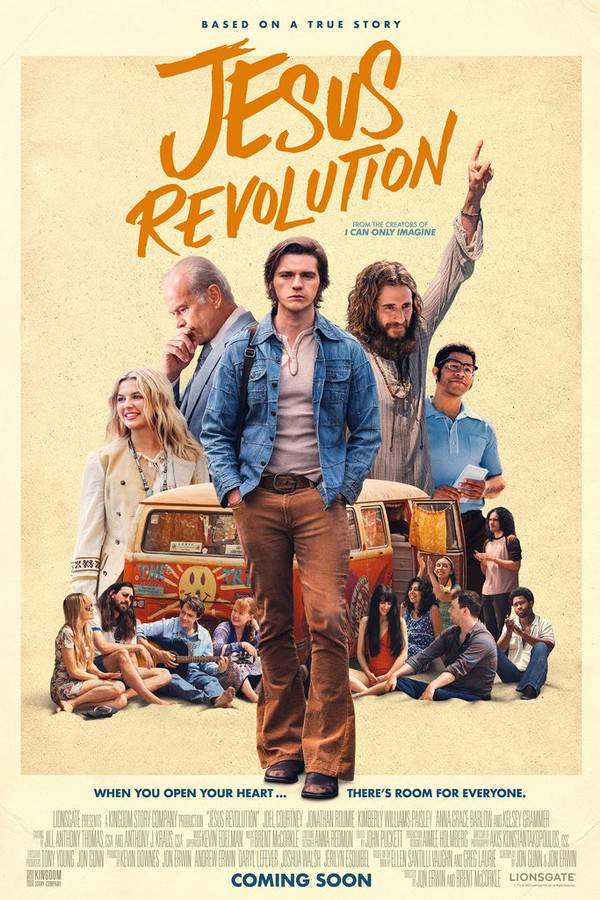
Hopeful Political Satire Films similar to Rude Awakening

Comedies that skewer societal norms while maintaining an optimistic spirit. Looking for more movies like Rude Awakening that blend political commentary with comedy? This list features satirical films with a hopeful tone, where characters challenge the status quo with idealism and humor, leading to uplifting and happy endings.

  • satirical
  • hopeful
  • idealistic
  • quirky
  • reflective
  • uplifting
  • Tone: hopeful, satirical
  • Pacing: steady
Why these movies?

The story pattern: The plot typically centers on a seemingly insurmountable social or political problem, which a group of quirky or underestimated characters decides to confront. Their methods are often unconventional and humorous. Despite setbacks and the sheer scale of the challenge, the narrative maintains a positive outlook, suggesting that individual action and community can make a difference, culminating in a satisfying and happy conclusion.

Why they belong together: These movies are united by their unique balance of satire and sincerity. They critique the world without succumbing to cynicism, offering a viewing experience that is both thought-provoking and genuinely uplifting. The shared vibe is one of witty commentary blended with heartfelt optimism.

If you liked this

Movies Like Rude Awakening

Similar movies to Rude Awakening: the same genre, themes or kind of story. Each one comes with its own plot summary, timeline and ending explained.

Browse all movie summaries

Every angle

Rude Awakening (1989) Explained: Plot, Timeline & Characters

Everything about Rude Awakening in one place: what happens in the plot summary, the timeline in chronological order, the characters and meaning and a spoiler-free summary. What's After the Movie adds the cast, box office and post-credit scenes.

Coming soon on iOS and Android

The Plot Explained Movie Summary App

Plot summaries, endings explained and timelines on your phone. Catch up on any movie in minutes, save your favorites and never miss a twist again.

Be the first to know when we launch. Your email stays private, always.

Learn more about the app