Year: 1959
Runtime: 117 min
Language: English
Director: Jack Clayton
Joe Lampton is an ambitious young man seeking to climb the social ladder. He finds himself caught between two women: a wealthy heiress who represents his chance at a secure future, and a captivating older woman with whom he shares a passionate and intense connection. As he navigates these conflicting desires, he must confront the choices that will shape his destiny and determine what truly matters to him.
Find where to stream, rent, or buy Room at the Top (1959) in the US with current JustWatch availability, up-to-date pricing, and platform listings for subscription, rental, and digital purchase options.
Warning: spoilers below!
Haven’t seen Room at the Top yet? This summary contains major spoilers. Bookmark the page, watch the movie, and come back for the full breakdown. If you're ready, scroll on and relive the story!
Read the complete plot breakdown of Room at the Top (1959), including all key story events, major twists, and the ending explained in detail. Discover what really happened, and what it all means.
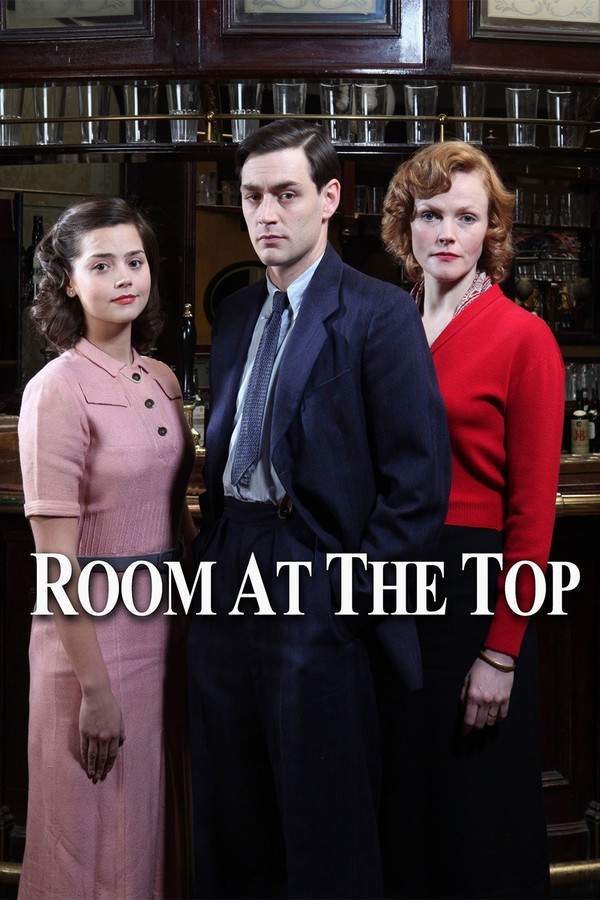
Soon after the Second World War, in the West Riding of Yorkshire, Joe Lampton, [Laurence Harvey], a driven and ambitious young man, leaves his dreary hometown Dufton to take a secure yet poorly paid post in the Borough Treasurer’s Department in Warnley. Eager to climb the social ladder, he pursues Susan Brown, the daughter of a local industrial magnate, even though she has been seeing the wealthy Jack Wales. Joe manages to charm Susan, catching the eye of her father and mother, who try to derail his plans by nudging his boss to steer him toward a partner from a more suitable class, offering him a lucrative job back in Dufton as a temptation he refuses once he realizes the manipulation, and sending Susan abroad on a trip—yet Susan remains deeply smitten.
While chasing Susan, Joe also keeps seeing Alice Aisgill, an unhappy, married Frenchwoman ten years his senior who came to England as a teacher and married George Aisgill, a haughty and abusive upper-middle-class Englishman who now conducts numerous affairs. Joe believes he is merely passing the time with Alice, and Alice suggests they can be “loving friends.” Their feelings for each other soon deepen, and Joe begins to lose interest in his pursuit of Susan. The relationship becomes passionate and tempestuous, and after a particularly heated argument, Joe redirects his attention back to Susan. He even manages to take her virginity, yet finds himself unsatisfied and drawn back toward Alice.
Together, Joe and Alice go away on a short holiday, and Alice is buoyed by the sense that Joe may have chosen happiness over wealth and status with her. They plan that she will ask for a divorce when they return, but when she tries, George refuses and vows to ruin both Joe and Alice socially and financially if their relationship continues. While Joe broods over this, Mr. Brown delivers the bombshell that Susan is pregnant and that he expects Joe to stop seeing Alice and marry Susan, thereby allowing Joe to come into a generous salary at his business.
Facing insurmountable obstacles to a life with Alice, Joe tells her that he will marry Susan. Heartbroken, Alice sinks into drink, and the next morning, as his co-workers celebrate the engagement, Joe learns that she drove her car off a cliff where they once went together, dying slowly over several hours. Devastated, Joe wanders away from the office to the flat where he and Alice had their trysts, only to be driven away by Alice’s friend Elspeth, who shouts at him and blames him for Alice’s death.
Soon after, Joe and Susan marry, and with a rich wife and a high-paying job, he appears to have attained everything he thought he wanted. As they are driven away from the ceremony, Susan’s praise of the union is cut short when she notices tears in Joe’s eyes, which she misreads as sentiment and declares, “I believe you really are sentimental after all.”
Last updated: October 09, 2025 at 15:47
Explore frequently asked questions about Room at the Top (1959) with spoiler-rich answers covering the full plot summary, major story beats, character motivations, hidden details, and ending meaning. This movie summary FAQ helps explain confusing scenes, plot twists, and narrative decisions in clear, searchable detail.
Joe chooses Susan because she offers financial security and social advancement, which aligns with his core ambition to climb the class ladder. When Alice's husband George threatens to ruin them both socially and financially if they continue their affair, and Susan's father offers Joe a generous salary if he marries her, the practical benefits become clear. Joe recognizes that a life with Alice would mean social ruin and poverty, while Susan provides the comfortable future he has always sought. The tragedy is that his rational calculation destroys the one person who genuinely loved him.
Alice drives off the cliff after Joe tells her he will marry Susan Brown. When George refuses to grant her a divorce and threatens to ruin both her and Joe, and then Joe himself chooses to abandon her for Susan's money and security, Alice is completely devastated. She had believed Joe might choose love over wealth during their holiday together, and his final decision to marry for money shatters her. Her suicide is a tragic consequence of losing the one person who offered her genuine affection in her unhappy marriage.
Earlier, Alice tells Joe they can be "loving friends" and begins to hope for a real future with him after the holiday, making her eventual abandonment even more crushing.
Mr. Brown offers Joe a lucrative position in his business because Susan is pregnant with Joe's child. Faced with the reality of his daughter carrying the child of a man from a lower social class, Brown attempts to secure a legitimate marriage by dangling financial reward. It's a calculated move to preserve his family's reputation and ensure his grandchild has a proper father, even if that father is not the wealthy suitor he originally preferred.
Joe's tears at his wedding represent the hollow victory of his ambitions. He has achieved everything he supposedly wanted, wealth through marriage to Susan, social advancement, and security, yet he is crying because he has lost Alice, the only person he genuinely loved. Susan misreads his tears as sentimentality, not recognizing that they are tears of regret and grief over the destruction his ambition has caused. The moment confirms that material success cannot fill the emotional void left by sacrificing true love.
Joe recognizes the Dufton job offer as a manipulation by the Browns to derail his pursuit of Susan. When they nudge his boss to steer him toward a more socially suitable partner and then dangle a lucrative position in his hometown, Joe sees through the attempt to buy him off and send him back to his lower social station. His refusal demonstrates his determination to stay in Warnley and continue his ascent, even though it ultimately leads him toward Susan rather than the love he truly wanted.
Alice, a Frenchwoman unhappily married to the abusive and unfaithful George Aisgill, seeks genuine affection and companionship that her marriage lacks. Joe represents youth, passion, and sincerity, everything her husband is not. Though Joe initially believes he is merely passing time with Alice, their relationship deepens into something much more meaningful. Alice hopes Joe might be her path to freedom and happiness, making her eventual abandonment even more devastating.
Susan's family sends her abroad on a trip specifically to put distance between her and Joe, hoping the separation would end their relationship. They disapprove of Joe's social ambitions and see him as an unsuitable match for their daughter. The tactic fails completely, Susan remains deeply smitten and refuses to give up on Joe despite the geographical distance. The attempt at separation only intensifies her resolve to be with him, and she returns even more determined to pursue the relationship.
Alice dies by driving her car off a cliff at a location she and Joe had visited together during their holiday. After Joe tells her he will marry Susan, Alice descends into drinking and despair. The next morning, while Joe's co-workers celebrate his engagement, Alice drives to the cliff and lets her car go over the edge. She does not die immediately, she dies slowly over several hours, alone and in pain, which makes the tragedy even more poignant.
The holiday location becomes the site of her death, turning a place of happiness into one of tragedy.
Alice's friend Elspeth confronts Joe at the flat they shared and blames him entirely for Alice's death. She drives him away with angry accusations, holding him responsible for leading Alice on and then abandoning her for money. Elspeth sees Joe as the cause of Alice's despair and subsequent suicide, and her confrontation forces Joe to face the moral consequences of his choices. The encounter leaves him emotionally devastated and morally hollow.
The title refers to Joe's explicit goal of securing "room at the top" of society, achieving wealth, status, and social advancement. He literally moves from Dufton to Warnley to pursue this ambition. By the end, he has technically achieved this goal: he has a wealthy wife, a high-paying job, and upper-class status. However, the bitter irony is that achieving his dreams brings him no happiness, his "room at the top" is empty and lonely, symbolized by his tears at his own wedding. The title thus becomes a critique of social ambition as a hollow pursuit.
Discover curated groups of movies connected by mood, themes, and story style. Browse collections built around emotion, atmosphere, and narrative focus to easily find films that match what you feel like watching right now.
Passionate affairs clash with ambition, leading to devastating choices.If you were captivated by the passionate but doomed romance in Room at the Top, discover more movies like it. This collection features powerful dramas where characters are torn between genuine love and ruthless ambition, leading to bittersweet or tragic outcomes.
The narrative often follows a protagonist entangled with two lovers, one representing a forbidden passion and the other a path to material security or societal acceptance. The plot builds tension as these worlds collide, culminating in a climactic choice that sacrifices one relationship for the other, leaving a lasting emotional scar.
These films are grouped together because they share a core theme of impossible romantic choices set against a backdrop of rigid social hierarchies. They deliver a similar emotional weight, blending high-stakes romance with the tense, melancholic fallout of ambition.
Stories where the relentless pursuit of success destroys personal happiness.Fans of Room at the Top's exploration of ambition's consequences will find similar stories here. These films depict the heavy emotional toll of social climbing and moral compromise, perfect for viewers who enjoy complex, character-driven dramas with bittersweet resolutions.
The narrative arc follows a protagonist's calculated rise to power or status, which is paralleled by their descent into emotional manipulation and personal loss. The climax is not the achievement of the goal, but the stark realization of its emptiness, resulting in an ending steeped in regret and melancholy.
These movies are united by their profound examination of the human cost of ambition. They share a steady, intense pacing that builds dread, a melancholic tone, and a heavy emotional weight, creating a cohesive viewing experience centered on moral and emotional downfall.
Don't stop at just watching - explore Room at the Top in full detail. From the complete plot summary and scene-by-scene timeline to character breakdowns, thematic analysis, and a deep dive into the ending - every page helps you truly understand what Room at the Top is all about. Plus, discover what's next after the movie.
Track the full timeline of Room at the Top with every major event arranged chronologically. Perfect for decoding non-linear storytelling, flashbacks, or parallel narratives with a clear scene-by-scene breakdown.
Discover the characters, locations, and core themes that shape Room at the Top. Get insights into symbolic elements, setting significance, and deeper narrative meaning - ideal for thematic analysis and movie breakdowns.
Discover movies like Room at the Top that share similar genres, themes, and storytelling elements. Whether you’re drawn to the atmosphere, character arcs, or plot structure, these curated recommendations will help you explore more films you’ll love.
Room at the Top (1959) Scene-by-Scene Movie Timeline
Room at the Top (1959) Movie Characters, Themes & Settings
Room at the Top (1959) Spoiler-Free Summary & Key Flow
Movies Like Room at the Top – Similar Titles You’ll Enjoy
A Room with a View (1986) Movie Recap & Themes
Up at the Villa (2000) Complete Plot Breakdown
For Love or Money (1993) Complete Plot Breakdown
Match Point (2005) Plot Summary & Ending Explained
The Lover (1992) Spoiler-Packed Plot Recap
Moonlight Mile (2002) Complete Plot Breakdown
The Blue Room (2002) Movie Recap & Themes
A Room with a View (2007) Full Summary & Key Details
A Room in Town (1982) Spoiler-Packed Plot Recap
The Room Upstairs (1987) Movie Recap & Themes
Street of Women (1932) Story Summary & Characters
The Dark at the Top of the Stairs (1960) Film Overview & Timeline
Music from Another Room (1998) Complete Plot Breakdown
Life at the Top (1965) Spoiler-Packed Plot Recap
Living on Velvet (1935) Plot Summary & Ending Explained