Plot Explained Spoilers guaranteed!
Plot Explained

Browse by genre

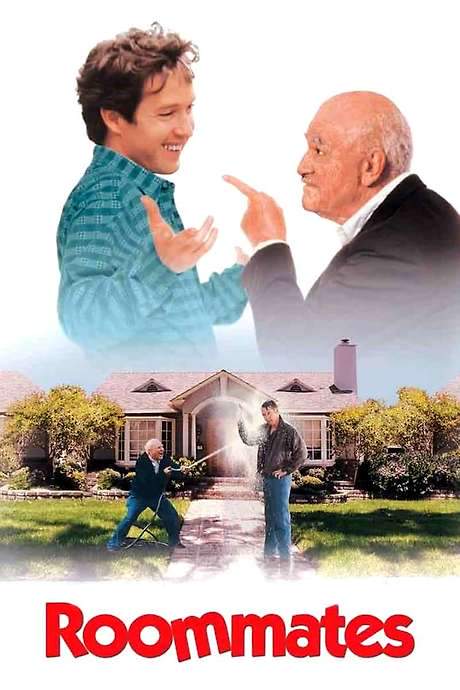
Roommates (1995) movie poster

Plot Summary

Roommates (1995) Plot Summary Explained

Release, runtime and language
1995 · 108 mins · English
Directed by
Peter Yates
Starring
Ellen Burstyn, Julianne Moore, Peter Falk, Frankie Faison, William H. Macy, Scott Cohen

A lively 107‑year‑old who believes age is just a number decides to move in with his grandson. Their contrasting worlds—one full of stories and stubborn independence, the other of modern concerns—collide, forcing both to listen, learn, and rethink what it means to live fully as their lives are turned upside‑down.

On this page (6)
  1. 1 Where to watch
  2. 2 What happens: full plot
  3. 3 Plot questions answered
  4. 4 Movie threads
  5. 5 Movies like Roommates
  6. 6 Every angle

Where to watch

Where to Watch Roommates (1995)

Where can you watch Roommates? Stream, rent or buy it in the US, including on Amazon Video, Apple TV Store and Fandango At Home: current JustWatch availability with up-to-date prices.

Streaming availability powered by JustWatch

Full plot summary · contains spoilers

What Happens in Roommates: Full Plot Summary

The whole story of Roommates (1995) explained, from the opening scene to the final frame: every key event, every twist and what it all adds up to. Read it as a quick recap before the sequel, to check a scene you missed, or to finally understand what really happened.

In 1963 Pittsburgh, Rocky Holzeck is a cantankerous 77-year-old Polish-American baker who insists, despite relatives' protests, on adopting his young grandson Michael after his parents die. The rest of the family resists, arguing Rocky is too old, but he declares that “Family takes care of family!” and the two build a life in Rocky's apartment, often spent over long, patient card games. Rocky’s methodical way of arranging his hand slows down the action and tests Michael’s patience, yet that ritual becomes a steady heartbeat for their fragile new family.

Twenty years later, Michael is a medical intern in Columbus, and he is forced to take in his still-spry grandfather when Rocky is evicted from his apartment building. In a college history class, Rocky explains that the "S" in Harry S Truman's name actually did stand for something, defying the professor's claim and revealing Rocky's stubborn, outspoken nature. He gets along with Michael's Chinese college roommates and, despite the tension over his grandson’s girlfriend, he and the group continue their card games. It’s around this time that Beth enters the story, and Rocky’s initial enthusiasm for her is guarded, though a quiet fondness begins to emerge as they share space and time.

Eventually, [Michael] and [Beth] marry and head to Pittsburgh, where Michael begins his medical residency while Rocky keeps baking and staying close to the family. An illness forces Rocky to move back to Pittsburgh with his grandson and his wife, and he gradually warms to Beth, reinforcing the sense that this stubborn bond has grown into something deeper and more protective. The two men keep their cards close, but the house fills with a gentler rhythm as Beth becomes a steady, if wary, presence in the household.

Seven years pass, and Rocky lives with [Michael] and [Beth] and their two children as Michael builds a prominent medical career. Tragedy strikes when Beth is killed in an automobile accident, and Rocky again steps in to support his grandson through the loss. Beth's mother seeks custody of the children, and Michael initially agrees, but Rocky’s enduring motto—“Family takes care of family”—persists as the deciding force. Michael refuses to give up the kids and, echoing Rocky, declares “End of discussion!” to Beth’s mother, who backs off and allows the family to stay intact.

In a final, intimate moment, Rocky is hospitalized while Michael and the kids visit to celebrate his 107th birthday. As Rocky’s EKG weakens, Michael quietly reads a newspaper and stumbles on a want ad for a Chinese bakery—a wink to his grandfather’s life. He turns to Rocky and asks, “You know anything about this?” The old man offers a warm, fading smile, and Michael recognizes the oracle of family care in Rocky’s eyes. With a final breath, Rocky passes away, leaving a legacy of devotion and a family that remains cared for, connected, and steadfast through the days ahead.

Last updated: December 04, 2025 at 15:33

Was this helpful?

Plot questions answered

Roommates Plot Explained: Your Questions Answered

The questions people ask most about Roommates (1995): what happens in the confusing scenes, why the characters do what they do, the twists, hidden details and what the ending means. Each answer contains spoilers.

Q1

Why did Rocky decide to adopt his grandson when he was already 77 years old?

Rocky adopted Michael after the boy's parents died, defying relatives who argued he was too old. He declared that 'Family takes care of family,' insisting he could provide love and stability despite his age. This decision set the foundation for their lifelong bond and established Rocky's stubborn commitment to keeping his family together.

Foreshadowing: The opening scene establishes Rocky's determination to care for family, which will drive his actions throughout the decades.

  • adoption
  • family bond
  • grandfather
  • orphan
  • motivation
Q2

Why was Rocky forced to leave his apartment in Columbus?

Rocky was evicted from his apartment building in Columbus around 1983, forcing Michael to take in his grandfather. The exact reason for the eviction isn't specified, but it occurs two decades after the original adoption when Michael is working as a medical intern. This event shifts the family dynamic, reversing their roles as Rocky becomes dependent on his grandson.

Foreshadowing: The eviction marks the first major reversal in their relationship, setting up the later inversion where Rocky lives with Michael's family.

  • eviction
  • columbus
  • apartment
  • living situation
Q3

Why was Rocky initially wary of Beth when she first entered the story?

Rocky was initially guarded about Beth when she entered Michael's life, showing more enthusiasm for his grandson's Chinese college roommates than for his girlfriend. This wariness reflects Rocky's protective nature over Michael and his skepticism about anyone joining their family unit. However, he gradually warms to Beth as they share space and time together.

Foreshadowing: Rocky's initial resistance to Beth foreshadows the deeper bond they develop later when he moves in with the married couple.

  • beth
  • relationship
  • wariness
  • acceptance
Q4

What happened to Beth and how did it affect the family?

Beth was killed in an automobile accident in the mid-1990s, abruptly changing everyone's lives. This tragedy struck seven years into Michael and Beth's marriage, after they had two children and Michael had built a prominent medical career. Rocky stepped in to support his grandson through this devastating loss, reinforcing the family's resilience.

Foreshadowing: Beth's death represents the film's major loss, reversing the family's fortunes and testing Rocky's motto about family caring for family.

  • beth death
  • car accident
  • tragedy
  • loss
Q5

Why did Beth's mother try to take custody of the children after Beth died?

After Beth's death, her mother sought custody of the children, and Michael initially considered stepping aside. Rocky's enduring motto, 'Family takes care of family', became the deciding force. Michael ultimately refused to give up the kids, echoing Rocky's words with 'End of discussion!' and keeping the family intact.

Foreshadowing: The custody crisis directly tests the family's commitment to Rocky's philosophy, forcing Michael to choose between his own wishes and his grandfather's guiding principle.

  • custody
  • family court
  • beth mother
  • children
Q6

What was the significance of the card games throughout the movie?

The card games served as a recurring ritual that anchored the evolving bond between Rocky and Michael. Rocky's methodical, slow way of arranging his hand tested Michael's patience in their early years together, but the ritual became a steady heartbeat for their fragile new family. These games continued throughout the decades, representing their connection across different life stages.

Foreshadowing: The card games begin in 1963 as a tension point between generations but evolve into a cherished tradition that persists even as circumstances change.

  • card games
  • ritual
  • bond
  • patience
  • tradition
Q7

Why did Rocky move back to Pittsburgh to live with Michael and Beth?

Rocky became ill and was forced to move back to Pittsburgh to live with Michael and Beth in the early 1990s. He initially struggled with the change, but gradually warmed to Beth as they shared meals and resumed their card games. This move marked another inversion in their relationship as Rocky aged and needed more care.

Foreshadowing: Rocky's illness and return foreshadow his eventual decline and final days with the family.

  • illness
  • pittsburgh
  • care
  • return
Q8

What did the newspaper want ad for a Chinese bakery mean at the end of the film?

In the hospital room during Rocky's 107th birthday, Michael finds a newspaper want ad for a Chinese bakery and asks Rocky if he knows anything about it. This is a symbolic wink to Rocky's past life as a baker and his college days with Chinese roommates. It represents continuity, hope, and a return to origins, as Rocky smiles in recognition before passing away.

Foreshadowing: The Chinese bakery ad connects back to Rocky's friendships with Michael's Chinese college roommates in Columbus, creating a full-circle emotional moment.

  • chinese bakery
  • newspaper
  • ending
  • symbolism
  • ad
Q9

How did Rocky's motto 'Family takes care of family' drive the story?

Rocky's declaration 'Family takes care of family' served as the guiding principle throughout the film. It justified his adoption of Michael in 1963, his decision to keep the family together during the custody crisis, and his continued support through Beth's death. The motto represents unconditional commitment and becomes the emotional core that binds three generations together.

Foreshadowing: The motto appears at key turning points, from the original adoption to the custody battle, reinforcing its importance to the family's survival.

  • motto
  • family
  • philosophy
  • commitment
Q10

How did Rocky and Beth's relationship change over the years?

Rocky initially viewed Beth with wariness when she first entered the story, but their relationship evolved significantly over time. When Rocky moved back to Pittsburgh due to illness, he gradually warmed to Beth as they shared meals and card games. By the time of Beth's death, Rocky had become a protective presence in the household, and the two had developed a genuine bond.

Foreshadowing: The evolution from wariness to warmth mirrors Beth's integration into the family unit and shows Rocky's capacity to accept change.

  • beth
  • rocky
  • relationship
  • growth
  • acceptance
Q11

What happens in the final scene of Roommates at Rocky's 107th birthday?

In the hospital during Rocky's 107th birthday, Michael and the grandchildren keep vigil as Rocky's EKG weakens. Michael discovers a newspaper want ad for a Chinese bakery, a symbolic nod to Rocky's past. Rocky offers a warm, fading smile, recognizes the reference to family and connection, and passes away peacefully, leaving a legacy of devotion.

Foreshadowing: The ending brings full circle the themes of family, tradition, and intergenerational connection that began with Rocky's stubborn adoption decades earlier.

  • birthday
  • hospital
  • death
  • final scene
  • ending

Movie threads

More Movies Like Roommates, by Mood & Story

Curated lists built around what makes Roommates tick: the same mood, the same kind of story or the same emotional payoff. Each list explains why these movies belong together.

Bittersweet Family Legacy Movies like Roommates

Intergenerational stories that blend heartwarming bonds with the inevitable sorrows of life. If you appreciated the intergenerational bond in Roommates, you'll find similar heartfelt stories here. These movies feature strong family dynamics, often between grandparents and grandchildren, blending nostalgic reflection with themes of aging, duty, and the bittersweet passage of time.

  • heartwarming
  • bittersweet
  • nostalgic
  • reflective
  • melancholic
  • hopeful
  • Tone: bittersweet, reflective
  • Pacing: steady, character-driven
Why these movies?

The story pattern: The narrative pattern typically follows a linear or reflective journey through key life events, focusing on the clash and eventual harmony between old and new ways of life. Characters learn from each other, facing grief and celebrating small victories, culminating in an ending that acknowledges loss but affirms the strength of family continuity.

Why they belong together: These movies are grouped together because they share a core focus on intergenerational relationships, a bittersweet emotional tone that balances warmth with melancholy, and a thematic exploration of aging, legacy, and the personal growth that comes from bridging generational gaps.

Movies About a Life Lived, similar to Roommates

Character-driven stories that unfold linearly through the significant chapters of a person's life. Fans of Roommates who enjoyed its steady progression through Michael's life will find more films here with a similar structure. These are straightforward, character-focused dramas that cover major life events, offering a reflective and often bittersweet look at the full arc of a human experience.

  • reflective
  • linear
  • life-spanning
  • contemplative
  • resilient
  • poignant
  • Tone: reflective, bittersweet
  • Pacing: steady, linear
Why these movies?

The story pattern: The narrative unfolds in a linear, episodic fashion, checking in on the protagonist at pivotal moments. The conflict is often internal or relational, driven by the passage of time itself. The story emphasizes authenticity and emotional truth over complex plotting, making the audience feel as if they have witnessed a real, fully-lived life.

Why they belong together: This thread connects films that share a specific narrative structure—a steady, linear pacing that spans many years—coupled with a medium emotional weight and a focus on personal growth and resilience. The experience is one of intimate reflection rather than high-stakes drama.

If you liked this

Movies Like Roommates

Similar movies to Roommates: the same genre, themes or kind of story. Each one comes with its own plot summary, timeline and ending explained.

Browse all movie summaries

Every angle

Roommates (1995) Explained: Plot, Timeline & Characters

Everything about Roommates in one place: what happens in the plot summary, the timeline in chronological order, the characters and meaning and a spoiler-free summary. What's After the Movie adds the cast, box office and post-credit scenes.

Coming soon on iOS and Android

The Plot Explained Movie Summary App

Plot summaries, endings explained and timelines on your phone. Catch up on any movie in minutes, save your favorites and never miss a twist again.

Be the first to know when we launch. Your email stays private, always.

Learn more about the app