Lord Doyle (Colin Farrell) hides out in Macau, spending his days and nights on casino floors, drinking heavily and betting the last of his money. Burdened by rapidly mounting debt, he receives a lifeline from the enigmatic Dao Ming (Fala Chen), a casino employee who hides her own secrets. Their uneasy alliance pulls them deeper into the high‑stakes underworld, where trust is scarce and every gamble could be fatal.
Find where to stream, rent, or buy Ballad of a Small Player (2025) in the US with current JustWatch availability, up-to-date pricing, and platform listings for subscription, rental, and digital purchase options.
Warning: spoilers below!
Haven’t seen Ballad of a Small Player yet? This summary contains major spoilers. Bookmark the page, watch the movie, and come back for the full breakdown. If you're ready, scroll on and relive the story!
Read the complete plot breakdown of Ballad of a Small Player (2025), including all key story events, major twists, and the ending explained in detail. Discover what really happened, and what it all means.
Brendan Reilly, Colin Farrell, a disgraced Irish financier living undercover in Macau, drifts through a city of glittering hotels and neon-lit casinos, where the veneer of aristocracy buys him time from creditors while his life unravels at the edges. He is an inveterate gambler, chasing the rush of a lucky hand as his reputation and finances crumble, and he clings to a wealthy persona to insulate himself from the mounting pressure that follows him from Europe to the Chinese enclave.
Reilly’s erratic presence draws the gaze of casino staff and affluent regulars, who quickly tag him as a gweilo, a white ghost drifting between chandeliers and card tables. Yet the thrill of the games remains a siren call, and he continues to press his luck at baccarat even as his funds thin and his certainty falters. Into this precarious world steps Dao Ming, Fala Chen, a taciturn credit broker whose own burdens weigh heavy as she crosses paths with him. Their meeting is charged with a strange mix of pity, curiosity, and the unspoken lure of a possible alliance.
Dao Ming, guilt-ridden after one of her despondent clients takes his own life, comforts Reilly and leads him to a temple afloat on the water for the first night of the Ghost Festival. The ritual night awakens a strange mutual dependence: she fears luck has deserted her, while he clings to the belief that fortune can still swing in their favor. But dawn reveals a cruel twist—Reilly wakes to find a cryptic number etched on his hand, a sign that his luck may be both real and dangerously misleading.
As his losing streak persists, the case of his impending downfall is taken up by investigator Cynthia Blithe, Tilda Swinton, who gives him a stark ultimatum: repay the embezzled funds by the next day or face deportation and a reckoning in court. In a haze of desperation, he searches for Dao but cannot locate her, and in a bid for assistance he reaches out to a fellow expatriate con man, Adrian Lippett, Alex Jennings. To Reilly’s horror, he discovers that Lippett is working with Blithe, a realization that even his fragile resolve cannot fully resist as thoughts of suicide creep back in. He dines at a restaurant beyond his means, waiting for the clock to run out, and there, in a moment that feels both intimate and unreal, he seems to be reunited with Dao even as his heart betrays him with a severe ache.
When Reilly awakens again, he finds himself in a floating home on Lamma Island where Dao nurses him back to health. The two begin to confide their deepest regrets to one another and grow closer, with Dao suggesting that their shared misfortunes might make them kindred spirits. Left to his own devices, Reilly discovers that the number on his hand is actually the combination to Dao’s locked shed, where sacks of money lie submerged beneath the waves, waiting to be claimed.
The allure of easy wealth proves irresistible, and Reilly cannot resist sinking the cash into the roulette of the casinos. A remarkable winning streak follows, allowing him to pay off his hotel debts, yet the triumph feels hollow—the winnings carry a supernatural energy that leads to his banishment from Macau’s casinos. It is a chilling verdict that convinces him he has become a hungry ghost, an invisible predator wandering through the same world yet never fully part of it.
He engineers a final and colossal bet, an $8 million gambit on a single baccarat hand, hoping to settle his debt with Blithe and to set Dao on a new path. Blithe’s hands are busy elsewhere, but the moment is punctuated by the appearance of Lippett, who reappears in disguise as an Italian prince, matching the bet in a bid for one last win. Reilly’s skill and nerve prevail, and he leaves Blithe with her repayment, sharing a fleeting kiss before marching off with his winnings, intent on finding Dao and writing a different ending to their tale. Grandma, Deannie Ip, offers him a 100-to-1 game as one last test of fortune, but he declines. She then reveals a devastating truth: Dao walked into the Ghost Festival’s waters and drowned on that very first night.
The revelation shatters his perception of reality, and Reilly realizes the encounters with Dao were a cascade of hallucinations spawned by his own guilt and longing. He returns to the temple, discards his lucky gloves, and burns all his money as a final offering to the sea. Standing at the water’s edge amid the festival’s fireworks, his reflection seems to dissolve into Dao herself, leaving him haunted by her presence even as she vanishes from sight. The closing credits leave a lingering image: a surreal, dreamlike dance between Blithe and Reilly in a hotel ballroom, a quiet echo of their intertwined fates and the fragile line between fortune and memory.
Last updated: December 04, 2025 at 15:32
Explore frequently asked questions about Ballad of a Small Player (2025) with spoiler-rich answers covering the full plot summary, major story beats, character motivations, hidden details, and ending meaning. This movie summary FAQ helps explain confusing scenes, plot twists, and narrative decisions in clear, searchable detail.
Dao Ming was a hallucination. The film reveals that she drowned on the very first night of the Ghost Festival, shortly after meeting Reilly at the temple. Everything that transpired between them after that evening, her nursing him back to health on Lamma Island, their intimate conversations, and their growing closeness, was a construct of Reilly's guilt-ridden mind, desperate for connection and salvation.
The film hints at this early on when Reilly wakes up alone with the mysterious number on his hand, and Dao mysteriously vanishes without explanation.
Dao Ming drowned herself on the first night of the Ghost Festival. She was guilt-ridden after one of her clients, a despondent gambler, took his own life. Her own despair and the weight of that guilt led her to walk into the waters during the festival, where she drowned.
Dao Ming mentions fearing that luck has deserted her, and she is visibly troubled when she takes Reilly to the temple, establishing her fragile mental state.
The number written on Reilly's hand was the combination to Dao Ming's locked shed. Inside that shed, submerged underwater, were sacks of money. Reilly used this money to pay off his debts and fuel his gambling streak.
The cryptic number appears immediately after the Ghost Festival night, foreshadowing its connection to Dao's hidden secrets.
Reilly was banned because his winning streak was impossibly supernatural. After discovering Dao's submerged money and gambling with it, he experienced an uncanny run of wins that seemed otherworldly. The casinos concluded his luck was unnatural, either cheating or something beyond normal, and expelled him as a pariah.
The film establishes early on that Reilly believes in fortune and luck, and the supernatural element of the Ghost Festival sets the stage for this impossible streak.
Reilly burned his money as a final offering to the sea, releasing his obsession with fortune and gambling. After learning that Dao was a hallucination and that his supposed salvation was built on guilt and delusion, he let go of his attachment to wealth as a means of escape, symbolically surrendering to the forces he had been fighting.
This act completes his arc, echoing the Ghost Festival's themes of honoring the dead and letting go of earthly attachments.
Grandma was the elderly woman who ran or presided over the final gambling setup. She offered Reilly a 100-to-1 odds game as one last test of his fortune. It was she who revealed the devastating truth about Dao Ming's drowning, shattering Reilly's illusion.
Grandma's presence carries authority and mystery from the beginning, positioning her as a keeper of hidden truths.
Reilly suffered a heart attack from the overwhelming stress and desperation of his situation. Facing Blithe's imminent deadline to repay his debts, coupled with the realization that Lippett was working with Blithe and his sense of being completely trapped, his body gave out under the strain.
The film establishes his fraying physical and mental state throughout, with mounting pressure from debt collectors and Blithe's investigation.
Adrian Lippett disguised himself as an Italian prince to match Reilly's final $8 million baccarat bet. This was part of his final con, presenting himself as a high-roller willing to gamble the same enormous sum. Lippett was still working with Blithe at this point, though Blithe was occupied elsewhere during the hand.
Lippett's tendency to assume false identities and manipulate situations was established earlier when Reilly discovered his collaboration with Blithe.
The closing dance between Reilly and Blithe represents the lingering connection and unresolved tension between them. Despite their adversarial dynamic throughout the film, Blithe pursuing Reilly for repayment, there is an implied intimacy or shared understanding. It also reinforces the dreamlike, surreal quality of the film's final moments, blurring the line between reality and memory.
The dance echoes their earlier interactions, where professional antagonism masked a deeper, more complex dynamic.
After his supernatural winning streak and subsequent banishment, Reilly believed he had transformed into a hungry ghost, a concept from Buddhist and Chinese folklore representing spirits who wander invisibly, never truly part of the living world. This reflects his isolation, guilt, and the film suggesting he exists in a liminal space between reality and delusion.
The Ghost Festival's spiritual themes and Dao's own despair set the groundwork for this metaphor.
Investigator Cynthia Blithe gave Reilly a strict deadline because she was preparing to take legal action against him for embezzlement. The next day would be the cutoff for repayment before she proceeded with deportation and criminal charges. This forced Reilly into increasingly desperate measures to find money quickly.
Blithe's professional intensity and the earlier mention of Reilly's disgraced financial background establish the stakes.
Reilly adopted the persona of Lord Doyle to maintain his dwindling status and avoid immediate consequences. In Macau's elite casino environment, the aristocratic identity bought him time from creditors and allowed him to continue gambling on credit. The gilded persona was a last vestige of his former life as a wealthy financier, now exposed as a fraud.
The film establishes early that casino staff quickly see through his act, tagging him as a gweipo, but the persona persists until his debts become untenable.
Still wondering what the ending of Ballad of a Small Player (2025) really means? Here’s a spoiler-heavy breakdown of the final scene, major twists, and the deeper themes that shape the film’s conclusion.
The film follows Brendan Thomas Reilly, who has reinvented himself as the flamboyant “Lord Doyle.” After a life of fraud, theft and reckless gambling, he finally collapses from a cardiac arrest. He is taken to a quiet house on Lamma Island by Dao Ming, a woman he believes has become his only friend. There, amid the cramped rooms and the smell of stale incense, Doyle discovers a hidden stash of cash that Dao Ming had been keeping for herself.
When he opens the locked cupboard—using the number she once wrote on his palm—he believes he has found the key to his redemption. He rushes back to Macau, cashes the money and, in a spectacular final table at the Wynn Palace, defeats his old associate Adrian Lippett, uses a portion of the winnings to bribe the relentless investigator Cynthia Blithe, and even shares a brief, surreal dance with her as the credits roll.
At the climactic moment when he returns to “The Rainbow” hoping to reunite with Dao Ming, a grandmother in the temple reveals the heartbreaking truth: Dao Ming had died months earlier, committing suicide after the Hungry‑Ghost ceremony. The revelation shatters the illusion that she ever saved him; the woman he has been leaning on was nothing more than a hallucination born of his fevered mind.
Faced with the reality that the money he has been hoarding belonged to a dead stranger, Doyle makes a stark choice. He throws the cash into the fire of the temple’s offerings, burning his ill‑gotten fortune and symbolically discarding the “Lord Doyle” persona. The act leaves him penniless but alive, forced to confront the crimes he committed as Brendan Reilly and to consider a life of honesty—if only for the brief time he has left. Whether he ultimately survives the aftereffects of his heart attack remains ambiguous, but the ending makes clear that his former glory is gone, and the only redemption he can claim is the decision to let go of the false self he created.
Last updated: December 10, 2025 at 15:52
Discover curated groups of movies connected by mood, themes, and story style. Browse collections built around emotion, atmosphere, and narrative focus to easily find films that match what you feel like watching right now.
Slow-burn stories of characters being consumed by their own vices.If you liked the melancholic and haunting portrayal of gambling addiction in Ballad of a Small Player, explore these similar movies. This collection features character-driven dramas and psychological thrillers about individuals consumed by their vices, leading to a desperate and atmospheric journey into debt and despair.
The narrative pattern centers on a protagonist whose life is systematically dismantled by a single, powerful compulsion—be it gambling, substance abuse, or another obsession. The plot is a series of escalating losses and diminishing hope, where each decision deepens the hole they're in, creating a sense of inescapable fate.
These films are grouped by their shared focus on the heavy emotional weight of addiction, a melancholic and atmospheric tone, and a steady pacing that allows the viewer to feel the suffocating nature of the protagonist's decline. They create a haunting, immersive experience of psychological decay.
Where the line between psychological breakdown and supernatural intervention blurs.For viewers who enjoyed the ambiguous supernatural elements and psychological unraveling in Ballad of a Small Player, this list features similar mysterious thrillers. Discover films where desperate characters grapple with hallucinations, fate, and eerie coincidences, creating a haunting and dreamlike narrative about guilt and possible redemption.
Stories in this thread feature a character on the edge, often burdened by guilt or loss, who begins to experience events that defy logical explanation. The narrative walks a fine line, making the audience question if the protagonist is having a psychological break or is truly touched by a supernatural fate, leading to a climactic revelation that recontextualizes everything.
These films share a specific blend of psychological thriller elements with supernatural or ambiguous mystical undertones. They maintain a steady, atmospheric pacing, a high level of psychological intensity, and a bittersweet or bleak ending feel, creating a cohesive vibe of eerie, fate-haunted journeys.
Don't stop at just watching - explore Ballad of a Small Player in full detail. From the complete plot summary and scene-by-scene timeline to character breakdowns, thematic analysis, and a deep dive into the ending - every page helps you truly understand what Ballad of a Small Player is all about. Plus, discover what's next after the movie.
Track the full timeline of Ballad of a Small Player with every major event arranged chronologically. Perfect for decoding non-linear storytelling, flashbacks, or parallel narratives with a clear scene-by-scene breakdown.
Discover the characters, locations, and core themes that shape Ballad of a Small Player. Get insights into symbolic elements, setting significance, and deeper narrative meaning - ideal for thematic analysis and movie breakdowns.
What really happened at the end of Ballad of a Small Player? This detailed ending explained page breaks down final scenes, hidden clues, and alternate interpretations with expert analysis and viewer theories.
Discover movies like Ballad of a Small Player that share similar genres, themes, and storytelling elements. Whether you’re drawn to the atmosphere, character arcs, or plot structure, these curated recommendations will help you explore more films you’ll love.
Ballad of a Small Player (2025) Scene-by-Scene Movie Timeline
Ballad of a Small Player (2025) Movie Characters, Themes & Settings
Ballad of a Small Player (2025) Ending Explained & Theories
Ballad of a Small Player (2025) Spoiler-Free Summary & Key Flow
Movies Like Ballad of a Small Player – Similar Titles You’ll Enjoy
The Gambler (2014) Full Summary & Key Details
Exiled (2007) Movie Recap & Themes
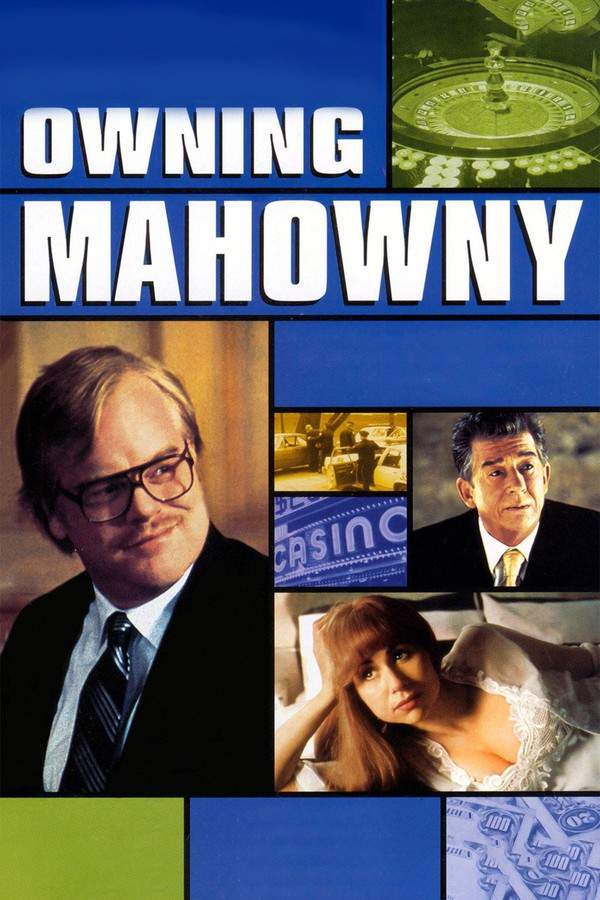
Owning Mahowny (2003) Complete Plot Breakdown
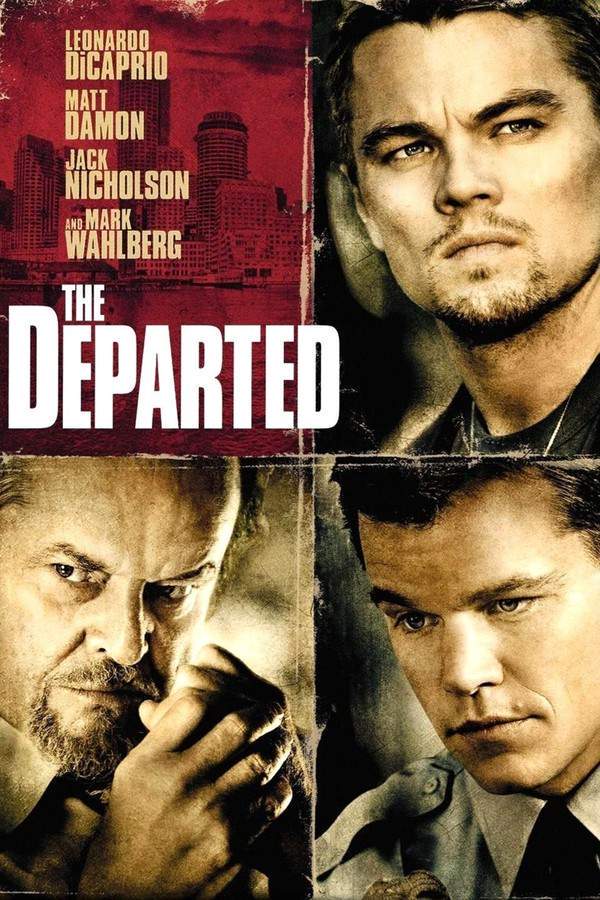
The Departed (2006) Spoiler-Packed Plot Recap
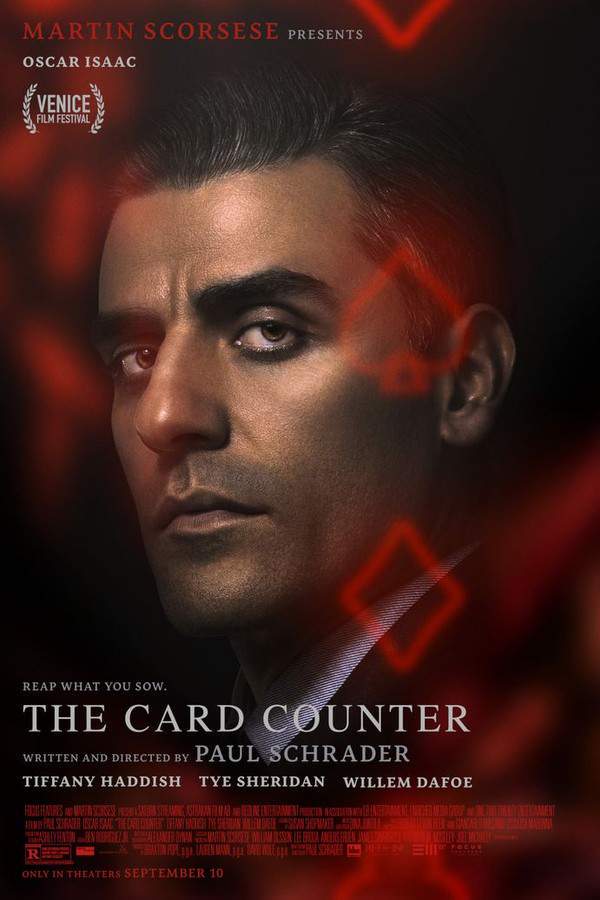
The Card Counter (2021) Full Movie Breakdown
Infernal Affairs (2004) Spoiler-Packed Plot Recap
The Bank (2002) Ending Explained & Film Insights
After Dark, My Sweet (1990) Film Overview & Timeline
The Gambler (1974) Ending Explained & Film Insights
The Ballad Of Billy McCrae (2021) Complete Plot Breakdown
Macao (1952) Plot Summary & Ending Explained
Gambling Hell (1942) Film Overview & Timeline
Where a Good Man Goes (1999) Movie Recap & Themes
Street of Shadows (1953) Movie Recap & Themes
The Gambler and the Lady (1952) Spoiler-Packed Plot Recap