




Plot Explained Spoilers guaranteed!
Plot Explained

Browse by genre

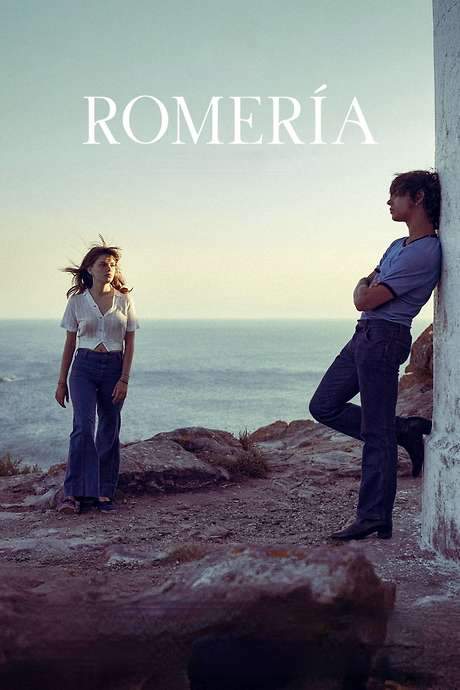
Romería (2025) movie poster

Timeline

Romería (2025) Timeline Explained – Every Event in Order

Release, runtime and language
2025 · 114 mins · Spanish
Echo score 86
JustWatch #2,086 16
Directed by
Carla Simón
Starring
José Ángel Egido, Tristán Ulloa, Celine Tyll, Miryam Gallego, Alberto Gracia, Sara Casasnovas
Budget
$3.7M

Eighteen-year-old Marina, orphaned as a child, journeys to the Spanish Atlantic coast to secure a scholarship signature from grandparents she’s never known. Surrounded by unfamiliar relatives, she grapples with uncertainty, unsure if she’s welcome. As she spends time with her extended family, long-dormant emotions surface, tenderness is rekindled, and painful truths about her parents’ past are revealed, helping her understand her fragmented memories.

On this page (5)
  1. 1 Where to watch
  2. 2 Events in order (15)
  3. 3 Timeline questions answered
  4. 4 Movie threads
  5. 5 Every angle

Where to watch

Where to Watch Romería (2025)

Where can you watch Romería? Stream, rent or buy it in the US, including on Amazon Video, Apple TV Store and Fandango At Home: current JustWatch availability with up-to-date prices.

Streaming availability powered by JustWatch

15 events in order · contains spoilers

Romería Timeline: Events in Chronological Order

Every key event of Romería (2025) in order, scene by scene, with when and where it takes place. Use it to untangle flashbacks, time jumps and parallel storylines, to refresh your memory before the sequel or to find the exact scene you are thinking of.

  1. Arrival in Vigo and stay on Lois's houseboat

    On arriving in Vigo, Marina checks into her uncle Lois's houseboat where the family welcomes her. She begins to gauge how much information about her biological father is available and what the five-day visit might yield for her scholarship plans. The trip is framed as both a search for family history and a chance to secure film studies funding.

    When
    2004
    Where
    Vigo, on Lois's houseboat
  2. Marina probes where her parents lived and carries her mother's diary

    She asks Lois about where her parents actually lived; Lois references Playa Samil, but Marina insists it was Toralla, a point later echoed by Iago and her mother's diary. The exchange reveals early tension between memory and official family lore. She keeps the mother's diary as a guide to the past.

    When
    2004
    Where
    Lois's houseboat, Vigo
  3. Aunt Olalla makes a red dress for Marina

    Marina visits her aunt Olalla, who sews a red dress for her and invites her to moments of intimate family connection. The boutique setting offers a glimpse of female influence in Marina's search for identity. The dress becomes a symbolic bridge to her mother's past.

    When
    2004
    Where
    Olalla's boutique
  4. Afternoon at the beach with Virxinia

    Marina spends time at the beach with her aunt Virxinia, hoping to connect with the Vigo described in her mother's diary. The seaside setting deepens themes of memory and longing as she steps into the city’s sunlit surface. The moment blends ordinary life with the pull of history.

    When
    2004
    Where
    Playa de Vigo (beach)
  5. Cousins’ remark about illness and Olalla’s warning

    Some young cousins relay a claim that Olalla warned them not to touch Marina, suggesting she is sick because of her blood. The remark highlights family stigma and secrecy surrounding Marina’s lineage. It foreshadows the fragile trust within the clan as she digs into the past.

    When
    2004
    Where
    Around Olalla’s vicinity, Vigo
  6. Marina grows closer to Iago

    Marina finds herself drawn to Iago, a figure the family regards with disappointment because he resembles her father. Their growing bond becomes a counterpoint to the family’s judgment and offers another path to understanding the past. It also complicates the emotional terrain of her quest.

    When
    2004
    Where
    Houseboat, Vigo
  7. Xulia’s cabin reveals the father’s death year

    During a visit to aunt Xulia's cabin, Marina learns that her father died in 1992, contradicting the years she had believed since childhood. The revelation unsettles her and reframes her understanding of family history. It intensifies her search for a coherent narrative.

    When
    2004
    Where
    Xulia's cabin
  8. Grandparents visit with an envelope of money

    The grandparents greet Marina with a cold welcome yet offer an envelope of money to support her future career. Marina asks for a scholarship instead, but ultimately accepts the money as a means to continue her education. The gesture underscores how the family manages opportunities and resources.

    When
    2004
    Where
    Grandparents’ house
  9. Learning about the father's AIDS isolation

    Marina discovers that her grandparents kept her father isolated from others after he contracted AIDS, even up to his death. The revelation reframes Marina’s image of her parents and their sacrifices. It also highlights the stigma surrounding AIDS in the community.

    When
    2004
    Where
    Grandparents’ house
  10. Night escape to the Fiestas de Vigo

    That night Marina and Nuno slip away from the houseboat, leaving the envelope on the grandparents’ doorstep and tossing old leaves into their swimming pool. They head to the Fiestas de Vigo to seek answers and belonging amid the city’s celebrations. The escape marks a turning point toward self-guided discovery.

    When
    2004
    Where
    Vigo, night; Fiestas de Vigo
  11. Bar talk at the Fiestas: the father’s withdrawal explained

    In a bar at the festival, Iago explains that Marina’s father did not raise her because he could not, due to his heroin addiction, and chose to stay away before things worsened. The explanation reframes the past through the lens of addiction and distance. Marina absorbs the new truth while continuing to seek her own path.

    When
    2004
    Where
    Fiestas de Vigo, bar
  12. Port walk and a rowboat to Toralla

    After the festival, Marina walks alone through the streets to the port and rows a boat to Toralla, bridging the gap between memory and reality. The journey physically reconnects the present with the world she imagined her parents inhabited. Toralla represents the tangible link to her parents’ story.

    When
    2004
    Where
    Vigo port to Toralla
  13. Dream sequence: 1983 in Toralla

    In a dream-like sequence, Marina is transported to 1983 in Toralla, where she sees her parents on the rooftop and hears fragments of her mother's diary in Catalan. They travel by boat, play naked on the beach, attend the Fiestas de Vigo, and struggle through heroin withdrawal in 1986. The dream blurs time to reconstruct a vanished world.

    When
    1983
    Where
    Toralla, 1983
  14. Signing documents and grandmother’s memory

    Back in the present, Marina reunites with the grandparents to sign the documents proving she is her father’s daughter so she can obtain a scholarship to study film in Barcelona. Her grandmother remarks on how Marina resembles her father as she gazes at the sea. The moment binds memory, appearance, and future aspirations.

    When
    2004
    Where
    Grandparents’ house
  15. Afternoon sail with Lois and dolphins

    That afternoon Marina sails on Lois's boat with his family as dolphins surface alongside them, providing a living, cinematic backdrop to her journey. She films the encounter, capturing a sense of belonging and closure with the sea that framed her search. The voyage marks a quiet, hopeful culmination of her five-day odyssey.

    When
    2004
    Where
    Vigo port/sea

Last updated: February 05, 2026 at 07:36

Was this helpful?

Timeline questions answered

Romería Timeline Explained: Your Questions Answered

When does it happen, and why in that order? The questions people ask about the chronology of Romería (2025): time jumps, flashbacks, cause and effect between scenes and the correct order of events, each answered with spoilers.

Q1

Why did Marina's father abandon her?

Marina's father didn't abandon her out of neglect, he left because he couldn't resist his heroin addiction and chose to stay away before the situation worsened. Iago explains this at the Fiestas de Vigo, revealing that he couldn't care for Marina and decided distance was better than watching his addiction destroy everything.

  • father abandonment
  • heroin addiction
  • Iago explanation
  • family stigma
Q2

Why did Xulia say Marina's father died in 1992?

Marina had believed her father died in 1987 when she was a baby, but Aunt Xulia reveals he actually died in 1992. This contradicts the version Marina grew up believing and forces her to reassess everything she thought she knew about her family history and timeline of events.

  • father death year
  • Xulia cabin
  • 1992
  • family secrets
Q3

Why were Marina's grandparents cold toward her?

The grandparents gave Marina an envelope of money but greeted her coldly. Later, Marina learns they kept her father isolated from others after he contracted AIDS, even until his death. Their coldness stems from the stigma and shame they felt about his illness, not from rejection of Marina herself.

  • grandparents coldness
  • AIDS isolation
  • family stigma
  • envelope money
Q4

Why did the cousins say Marina is sick because of her blood?

Some young cousins told Marina that Olalla warned them not to touch her, claiming she is sick because of her blood. This refers to the stigma surrounding AIDS, Marina's father died of the disease, and the family's fear and ignorance manifested as this cruel remark about Marina's inheritance.

  • sick because of blood
  • cousins remark
  • AIDS stigma
  • family prejudice
Q5

What did Marina's mother's diary reveal about her parents?

The diary, written in Catalan, revealed fragments of Marina's parents' life in Toralla from 1983-1986. It showed them traveling by boat, playing on the beach naked, attending Fiestas de Vigo, and struggling with heroin addiction. Their relationship collapsed in 1986 after severe withdrawal, forcing Marina's pregnant mother to leave Vigo.

  • mother diary
  • Toralla 1983
  • heroin withdrawal
  • Catalan diary
Q6

Why did Marina insist her parents lived in Toralla?

Marina insisted her parents lived in Toralla, not Playa Samil as Lois claimed. This was later confirmed by Iago and her mother's diary. Toralla represents the real, authentic place where Marina's parents built their relationship before addiction destroyed everything, a place Marina needed to see to understand her origins.

  • Toralla
  • Playa Samil
  • parents home
  • Iago confirmation
Q7

Why did Marina row a boat to Toralla at night?

After the Fiestas de Vigo, Marina walked alone to the port and rowed a boat to Toralla. This journey physically connected her to the world her parents inhabited, she was literally following in their footsteps, crossing the same waters to reach the place where her mother wrote about their happier times together.

  • rowboat Toralla
  • port journey
  • parents world
  • symbolic return
Q8

What is the significance of the dolphins at the end?

At the end, Marina sails on Lois's boat with his family while dolphins leap beside the vessel. She films them with her camera, the same camera she's used to document her entire journey. The dolphins represent freedom, connection to nature, and closure; Marina has found her place within the family and can now pursue her future in film with clarity about her roots.

  • dolphins
  • Lois boat
  • film camera
  • closure
  • freedom
Q9

Why did Aunt Olalla make a red dress for Marina?

Olalla crafts a red dress for Marina during her boutique visit, creating an intimate female bonding moment. The dress becomes a symbolic connection to Marina's mother, both women wearing something made by Olalla, linking Marina to the maternal lineage she never knew while she was growing up as an orphan.

  • red dress
  • Olalla boutique
  • maternal connection
  • symbolic clothing
Q10

Why did the grandmother say Marina looks like her father?

When Marina signs documents to prove she's her father's daughter for the scholarship, her grandmother remarks on how closely Marina resembles him. This moment marks a shift, the grandmother moves from coldness to acknowledgment, seeing her late son's face in his daughter as Marina gazes out at the sea.

  • grandmother resemblance
  • father face
  • sea window
  • acknowledgment
Q11

What did the dream sequence about 1983 show?

The dreamlike sequence transports Marina to 1983 Toralla, where she sees her parents on a rooftop. Her mother's voice narrates diary fragments describing their bohemian life together, traveling by boat, beach scenes, attending festivals, before heroin withdrawal destroyed their relationship in 1986, forcing her mother to leave while pregnant.

  • 1983 dream
  • rooftop scene
  • diary narration
  • withdrawal 1986
Q12

Why did Marina leave the envelope at the grandparents' doorstep?

Marina and Nuno leave the envelope of money the grandparents gave her at their doorstep, then toss old leaves into their swimming pool before escaping to the Fiestas. This act symbolizes Marina rejecting the family's conditional, awkward acceptance, she refuses their money and creates a small act of rebellion before seeking her own truths.

  • envelope money
  • leaves pool
  • Fiestas escape
  • rejection

Movie threads

More Movies Like Romería, by Mood & Story

Curated lists built around what makes Romería tick: the same mood, the same kind of story or the same emotional payoff. Each list explains why these movies belong together.

Movies about uncovering family secrets like Romería

Quiet stories where a character's past is pieced together through difficult revelations. If you liked the quiet, emotional discovery in Romería, explore these other films. This collection features melancholic dramas where characters piece together painful family histories, leading to bittersweet revelations and a deeper sense of self.

  • melancholic
  • reflective
  • nostalgic
  • tender
  • contemplative
  • lonely
  • Tone: melancholic, contemplative
  • Pacing: slow, deliberate
Why these movies?

The story pattern: The narrative typically centers on a character, often young or disconnected, who is drawn into investigating their family's past. They uncover long-buried secrets—such as addiction, tragedy, or estrangement—through artifacts, conversations, or fragmented memories, resulting in a nonlinear journey toward personal clarity.

Why they belong together: Movies are grouped here for their shared focus on the slow, emotional unraveling of familial mysteries. They create a cohesive experience through a melancholic tone, deliberate pacing, and a central theme of confronting painful truths to achieve a complex form of healing.

Bittersweet coming-of-age dramas similar to Romería

Character-driven stories of young adults finding their way through loss and acceptance. For viewers who appreciated the atmospheric and bittersweet journey in Romería, this selection highlights other poignant coming-of-age stories. These films explore young protagonists grappling with identity, memory, and loss within a contemplative and visually evocative mood.

  • contemplative
  • dreamlike
  • bittersweet
  • lonely
  • nostalgic
  • hopeful
  • Tone: bittersweet, reflective
  • Pacing: slow, atmospheric
Why these movies?

The story pattern: The narrative arc follows a young protagonist navigating a formative experience marked by solitude and self-discovery. They confront external challenges—like family dysfunction or personal grief—and internal conflicts, leading to significant but imperfect growth. The conclusion offers a sense of earned wisdom tinged with the sadness of what was lost or learned.

Why they belong together: These films share a specific emotional trajectory: a slow-burn, character-focused plot with a melancholic atmosphere, leading to a bittersweet resolution. The combination of a young protagonist's journey with a mood of reflective nostalgia creates a distinct and cohesive viewing experience.

Every angle

Romería (2025) Explained: Plot, Timeline & Characters

Everything about Romería in one place: what happens in the plot summary, the timeline in chronological order, the characters and meaning and a spoiler-free summary. What's After the Movie adds the cast, box office and post-credit scenes.

Coming soon on iOS and Android

The Plot Explained Movie Summary App

Plot summaries, endings explained and timelines on your phone. Catch up on any movie in minutes, save your favorites and never miss a twist again.

Be the first to know when we launch. Your email stays private, always.

Learn more about the app