In a small town where money talks and reputations run deep, the trouble starts with Tiny Doyle and his brood—the five drunken sons who terrorize the streets from the back of a battered pickup, turning ordinary nights into danger-filled skirmishes. The Doyles’ influence shadows every corner of the community, setting a tone that local authorities and residents alike find hard to challenge.
Across town lives Big Joe Rosso, a hardworking trucker who navigates a delicate balance between duty and danger. He shares a life with his wife Kathy Rosso, their son Joey Rosso, and two young daughters, Allison Rosso and Kristin Rosso. The Rosso family makes ends meet by delivering liquor to Tiny’s bar, a business arrangement that binds them to the town’s power dynamics even as it exposes them to the Doyles’ volatile influence.
Tragedy strikes when Vic Doyle, Tiny’s son, recklessly drives while intoxicated and careens into Kathy’s road, an accident that shatters a family. Kathy, along with Allison and Kristin, are killed in the crash, a blow that hardens the Rosso family’s resolve to seek justice. The town’s justice system falters in the wake of Tiny’s clout, as the local judge sets Vic free after a piddling $300 fine, a decision that feels like a rebuke to the Rosso family’s grief. The relief is short-lived, because the law’s scales tilt away from those who can pay and toward those who carry power, a dynamic that weighs heavily on the town.
Lt. Sly Sullivan—a cop who shows sympathy for the Rosso family—finds himself boxed in by a retiring career and the entrenched influence of Tiny Doyle. The sense of a broken system hangs in the air as justice feels delayed or denied, and the Rosso family braces for a future that looks increasingly brutal.
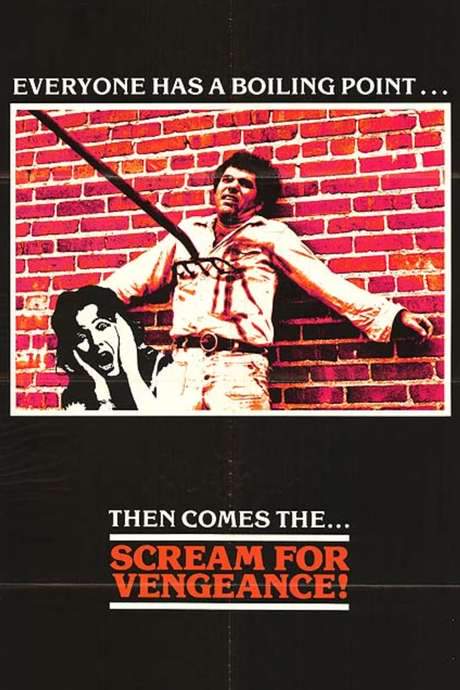
In the wake of their losses, Big Joe’s anger hardens into a desire for revenge. Tiny Doyle and his sons answer with violence of their own, ending Big Joe’s life in a brutal confrontation that leaves the town in shocked silence and unsettled fear. The violence escalates further when Misty, Misty—Joey’s girlfriend—becomes a victim of a horrific act carried out by the Doyle clan, a vicious blow that cements the town’s sense of injustice and vulnerability.
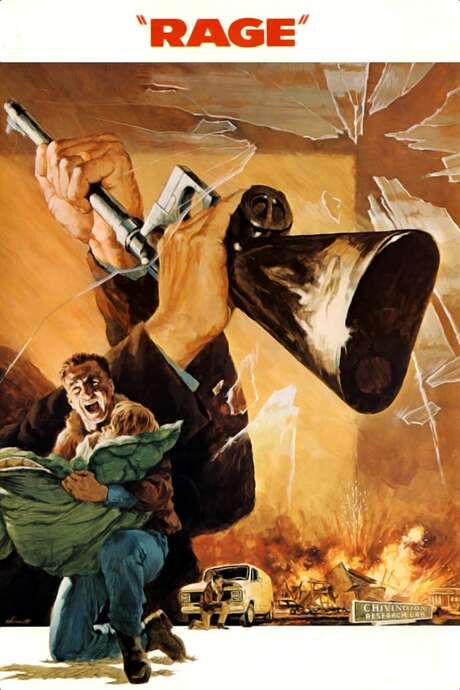
Joey, already living with grief and anger, refuses to let the cycle of cruelty stand unchallenged. He crafts a defiant instrument of retribution: a monster truck built from junkyard parts, equipped with seven-foot-tall tires, a blazing flame thrower, and a massive retractable drill and metal cutter mounted on the front. This machine becomes more than a vehicle; it is Joey’s manifesto, a tangible answer to crimes that local authorities have failed to curb. His plan is clear and chilling—he intends to end the Doyle reign by force, to confront a family and a system that have defined his world with fear.
As the flames of vengeance draw closer, the town sits at a crossroads between mourning and action, between a broken trust in the law and the desperate need for redress. The story unfolds as a raw, bleak meditation on power, retaliation, and the price of families choosing to stand against those who wield influence. In the end, the drama remains a stark portrait of a community caught in the grip of violence, with one determined son mounting a perilous response to crimes that no ordinary means could resolve.