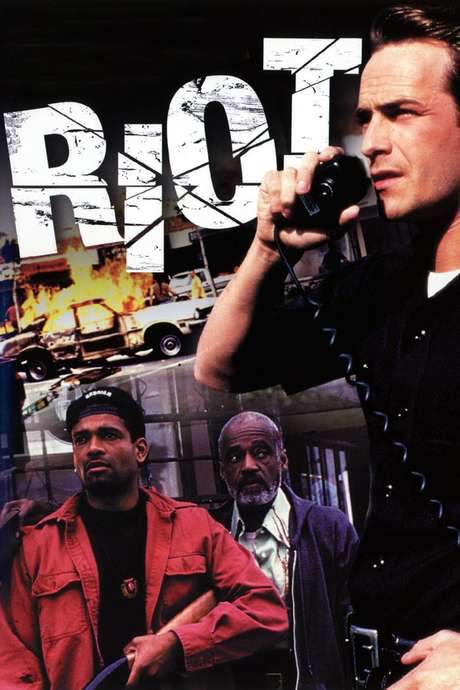
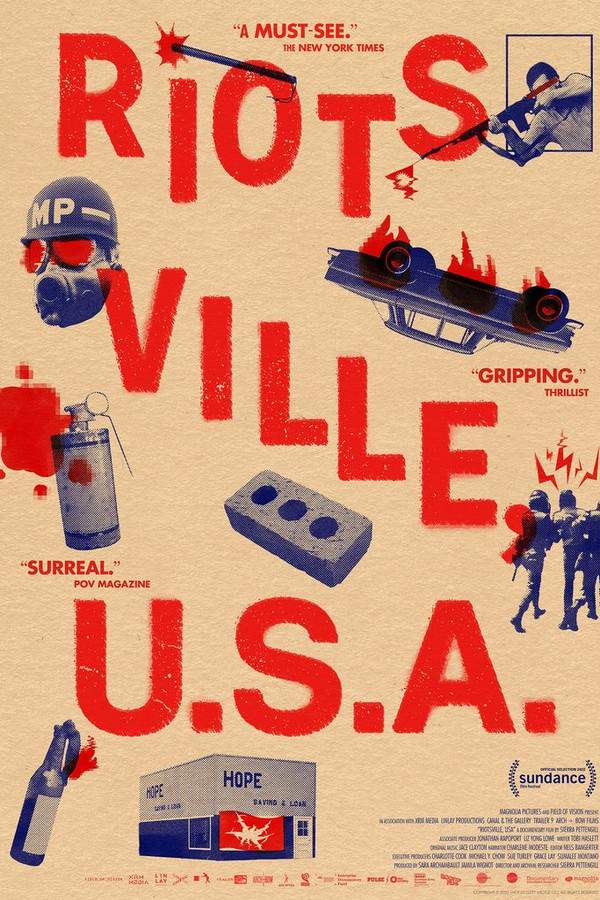
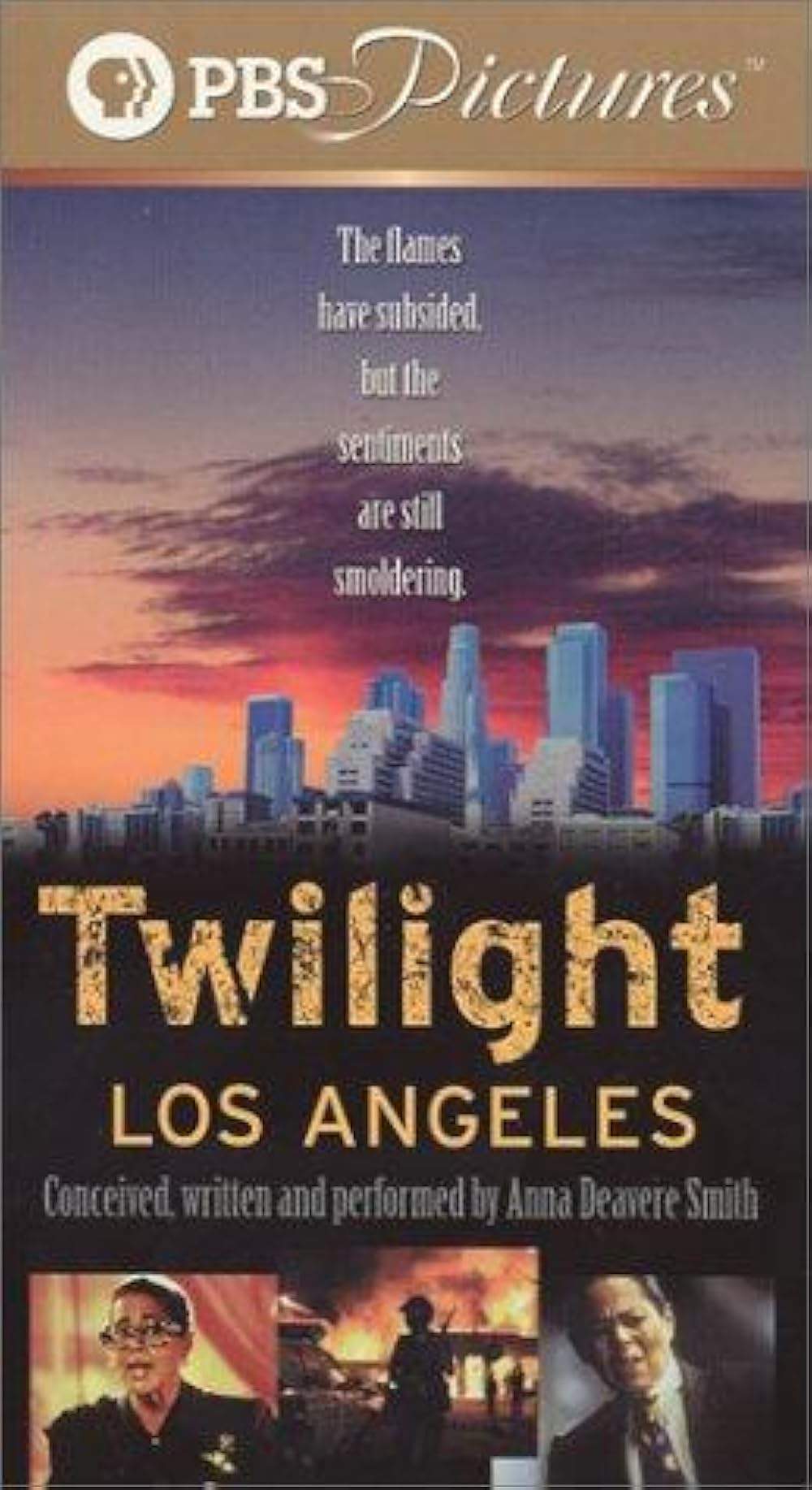
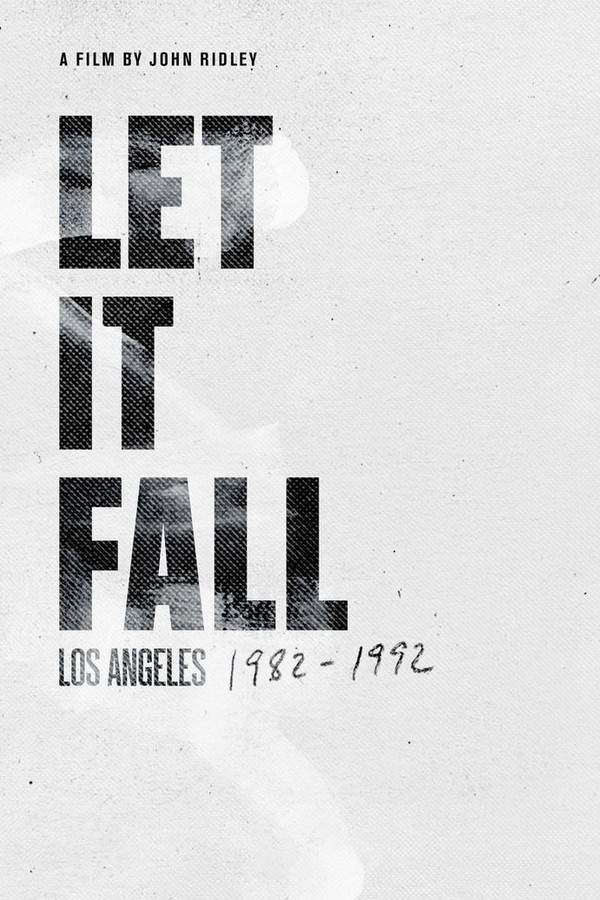
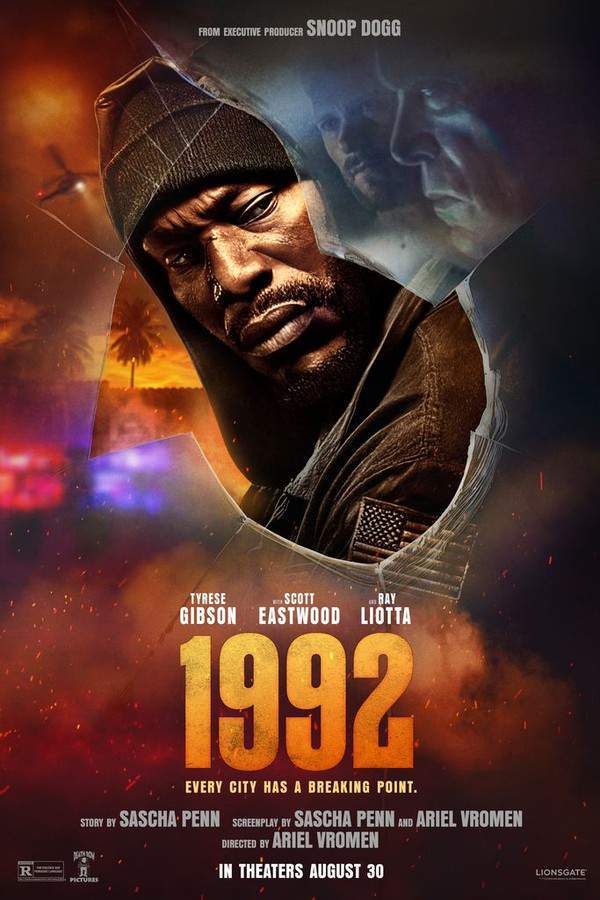
The film examines the aftermath of the Rodney King verdict and the riots that followed, unfolding through four intertwined vignettes that quietly map the strains of a city rebuilt, reeling, and searching for meaning in the wake of upheaval. Each thread perspectives a different community and set of loyalties, yet all ripple across one another in surprising ways.
Mr. Lee [Mako] faces a poignant test as he tries to bridge the gap with his assimilating teenage son, whose view of his father’s Old World customs and his non-aggressive Buddhist approach reads as signs of weakness. The friction between tradition and modern identity sits at the heart of their relationship, shaping conversations about respect, safety, and the path to belonging in a city where old codes clash with new realities.
The second thread centers on the Hispanic teenager Carlos [Alexis Cruz], who strives to live straight and excel in school in hopes of securing a steadier future for his current and future family. He carries the weight of his older brother’s mistakes as a cautionary shadow, and his efforts to chart a responsible course highlight both the pressures of family obligation and the pull of opportunity in a neighborhood scarred by recent violence and shifting opportunities.
A white LAPD officer Ciaco [John Ortiz] navigates a complex personal landscape, balancing obligations to his girlfriend and the partially defined boundaries of his not-quite-wife, while contending with a blue-collar culture that sometimes prizes bravado over restraint. His perspective sheds light on how professional duty and personal loyalties can become entangled in a climate of suspicion, fear, and fast-changing community dynamics.
Vernon [Melvin Van Peebles], an African American middle-class man who has recently moved his family out of the ghetto, returns to visit the store his father once owned in the old neighborhood. He hopes to bring good news to his mother, Mrs. Lee, whose memories of living through the Watts riots barely thirty years earlier remain vivid. His visit underscores the persistent ache of generational memory and the ways in which past traumas echo into present choices and hopeful futures.
Though these stories run parallel, they constantly interact and influence one another, painting a broader portrait of a city trying to reconnect, rebuild trust, and redefine what safety, belonging, and community mean in a landscape still haunted by the echoes of upheaval. The film favors a steady, observant tone, letting small moments—glances, conversations, and decisions—illuminate larger social currents without overplaying their significance.