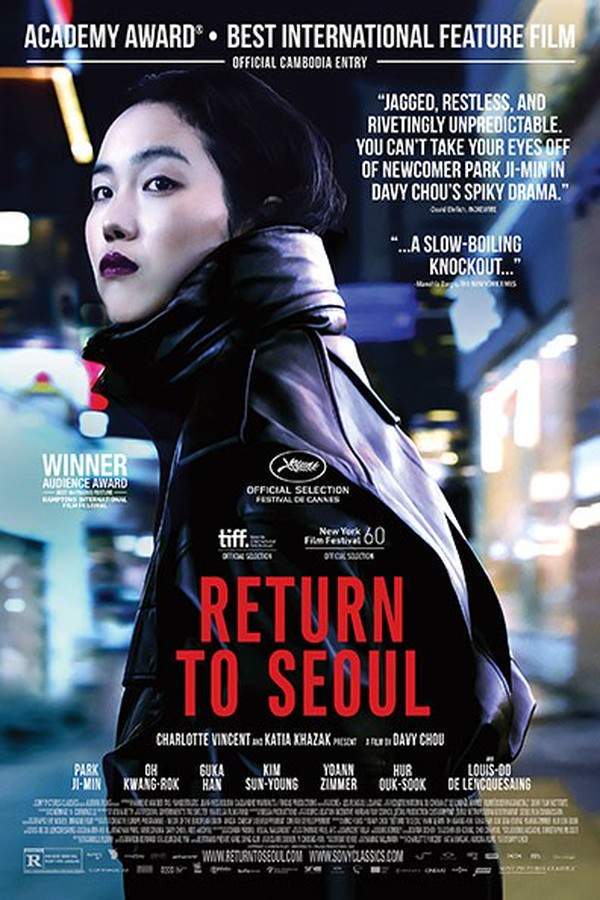
Return to Seoul
Freddie, a 25-year-old man living in the United States, unexpectedly returns to South Korea, his country of birth, hoping to discover more about his origins. During his journey, he explores the culture and confronts questions about his identity and place in the world. He navigates unfamiliar surroundings and seeks a deeper understanding of his heritage and family history.
Where to Watch Return to Seoul?
Find where to stream, rent, or buy Return to Seoul (2022) in the US with current JustWatch availability, up-to-date pricing, and platform listings for subscription, rental, and digital purchase options.







Warning: spoilers below!
Haven’t seen Return to Seoul yet? This summary contains major spoilers. Bookmark the page, watch the movie, and come back for the full breakdown. If you're ready, scroll on and relive the story!
Timeline – Return to Seoul (2022)
Trace every key event in Return to Seoul (2022) with our detailed, chronological timeline. Perfect for unpacking nonlinear stories, spotting hidden connections, and understanding how each scene builds toward the film’s climax. Whether you're revisiting or decoding for the first time, this timeline gives you the full picture.
Last updated: November 16, 2024 at 18:05
Return to Seoul (2022) Timeline Questions Answered – Chronology FAQ
Find frequently asked questions about the Return to Seoul (2022) timeline, including chronological order, nonlinear jumps, cause-and-effect links, and scene sequence clarifications. This timeline FAQ helps explain when key events happen, how moments connect, and why the story unfolds in that specific order.
Why does Freddie decide to visit the adoption center?
Freddie initially shows no desire to reconnect with her biological parents, but her curiosity leads her to visit the Hammond Adoption Center after Tena and a friend introduce her to it. While at the center, she learns they cannot disclose her parents' identities but can notify them of her interest through telegrams up to three times a year.
This decision plant the seeds for the entire emotional journey that unfolds over the following years.
Why doesn't Freddie's biological mother respond to the telegrams at first?
Freddie's mother does not respond to the telegrams initially. Years later, when she finally replies, she reveals she does not wish to meet Freddie. The reason for her initial silence and reluctance is never fully explained, adding to the emotional complexity of their relationship.
This initial rejection sets up the devastating final moment when Freddie tries to email her mother again.
Why does Tena reject Freddie's kiss?
When Freddie attempts to kiss Tena during a night out, Tena rejects her and labels her as "a very sad person." Tena's rejection appears to stem from genuine concern for Freddie's emotional state rather than personal animosity, recognizing Freddie's vulnerability and unresolved trauma.
This moment highlights Freddie's pattern of seeking connection in inappropriate ways due to her emotional instability.
Why does Freddie's father keep contacting her despite her wishes?
Freddie's father is consumed by regret and desperately wants to reconcile with his daughter. His persistent phone calls and messages weigh heavily on Freddie, who describes his attempts at reconciliation as oppressive. His guilt and desire for forgiveness drive him to keep reaching out, even though Freddie feels trapped by his intensity.
This persistence reflects his deep remorse, which is later symbolized by the piano piece he composes for her.
Why does Freddie start working with André?
Two years after her initial trip, Freddie has established a new life in Seoul and becomes involved with André, a weapons dealer who believes she has a future in the business. Five years later, she is working with him selling missiles. This career choice represents Freddie's drift into a morally ambiguous existence as she searches for identity and purpose away from her roots.
This trajectory shows Freddie's growing alienation from conventional life and her willingness to engage with dangerous elements.
Why does Freddie break up with Maxime?
After a dinner where Maxime suggests that Freddie's role in life is to protect South Korea, she becomes frustrated and makes the difficult decision to break up with him. This breakup reflects Freddie's ongoing struggle to define herself on her own terms rather than accepting roles others assign to her.
This decision underscores Freddie's continuing quest for authentic self-definition throughout the film.
What happens when Freddie finally meets her biological mother?
Freddie receives a positive response to a telegram from her biological mother, leading to an emotional reunion at a Hammond facility. They embrace, and her mother shares her email address for future correspondence. However, a year later, when Freddie attempts to email her mother on her birthday, she discovers the email address is no longer valid, resulting in another painful disappointment.
The invalid email mirrors her mother's initial silence and reinforces the theme of incomplete reconnection.
Why does Freddie play piano at the end of the movie?
After discovering her mother's email address is invalid, Freddie seeks solace in the hotel lobby and is drawn to a piano. She sits down and begins to play a beautiful melody, attempting to reconnect with herself through music. This moment represents her ongoing journey toward self-acceptance, using music as a means of introspection and emotional processing.
This echoes her father's earlier piano performance, suggesting a possible genetic or emotional connection despite their estrangement.
Why does Freddie travel to Gunsan to meet her father?
Freddie travels to Gunsan for a tense reunion with her biological father, with Tena serving as translator. The meeting is emotionally charged, especially when Freddie learns that her mother has not responded to the telegrams. Despite the tension, she decides to stay with her father's family for a few nights, though his persistent attempts at reconciliation quickly become overwhelming for her.
This visit establishes the complicated dynamic between Freddie and her father that continues throughout the film.

Explore Movie Threads
Discover curated groups of movies connected by mood, themes, and story style. Browse collections built around emotion, atmosphere, and narrative focus to easily find films that match what you feel like watching right now.
Bittersweet Journeys of Self-Discovery like Return to Seoul
Emotional pilgrimages that leave characters forever changed but not fully resolved. If you were moved by Return to Seoul's exploration of identity, explore more movies like it. This collection features emotionally heavy dramas about characters searching for their roots, leading to bittersweet endings that are honest and reflective rather than neatly resolved.

The Bitter Orange
2007

Dark Illness
1990

Rabbit Hole
2010

Character
1997
Moonlight Mile
2002

Strange Weather
2017

I’ll Follow You Down
2013

Imaginary Heroes
2004
Return to Seoul
2022

Sweet Bird of Youth
1962
Longing
2017

Wintersleepers
1997

I've Loved You So Long
2008

Song of Tibet
2000

The Roads Not Taken
2020
Narrative Summary
Stories in this thread typically follow a protagonist, often displaced or alienated, who embarks on a quest to understand their past or their place in the world. The narrative is character-driven, unfolding over time, and built around emotionally charged encounters that peel back layers of identity. The climax is rarely a simple victory but an acceptance of a complex, often unresolved, new reality.
Why These Movies?
Movies are grouped here for their shared focus on the emotionally taxing process of self-discovery, a melancholic tone, and a willingness to embrace bittersweet conclusions. They resonate with viewers seeking profound, character-driven stories about belonging, heritage, and the scars of the past.
Quietly Powerful Character Portraits like Return to Seoul
Understated dramas that delve deep into a character's psyche without explosive drama. Fans of the reflective, character-focused style of Return to Seoul will appreciate these similar movies. This thread gathers steady-paced dramas with heavy emotional weight, where the narrative is driven by internal yearning and subtle psychological shifts.

The Unbearable Lightness of Being
1988

Interior
2018

Man of a Thousand Faces
1957

Silent Dust
1949
The Hungry Ghosts
2010

The Quiet One
2019

Lonelyhearts
1958
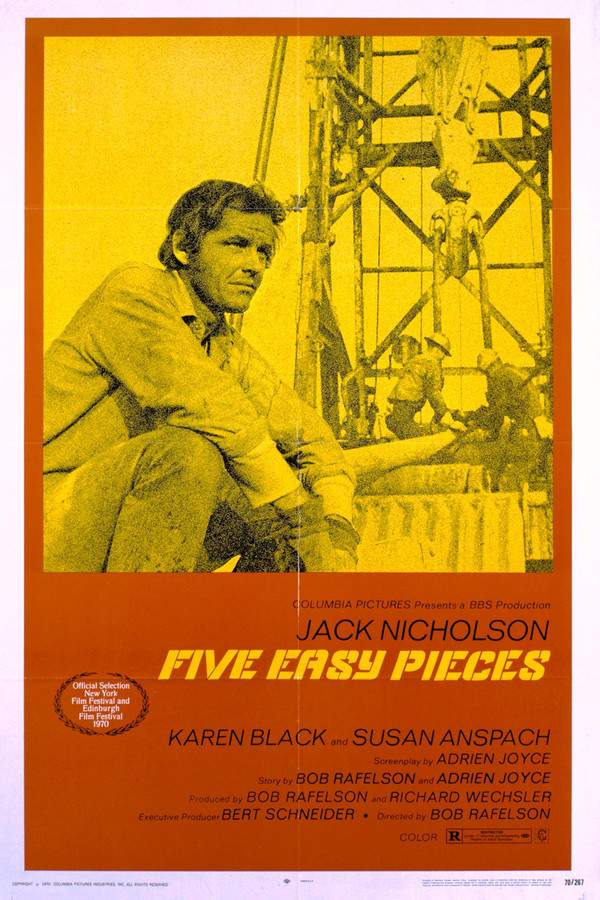
Five Easy Pieces
1970

Interior
2019

Dormant Beauty
2014

The Quiet
2006

Plenty
1985

Waking the Dead
2000

White Palace
1990

The Land of Steady Habits
2018
Narrative Summary
The narrative pattern is less about a traditional plot and more about tracing the emotional and psychological arc of a single, complex character. The story unfolds in a linear but unhurried manner, allowing space for the audience to sit with the character's feelings of loneliness, reflection, and alienation. The central conflict is internal—a battle with one's own identity and place in the world.
Why These Movies?
These movies are united by their meditative pace, heavy emotional focus, and melancholic atmosphere. They share a commitment to exploring the human condition through quiet observation and psychological depth, appealing to viewers who appreciate nuanced performances and thoughtful storytelling.
Unlock the Full Story of Return to Seoul
Don't stop at just watching - explore Return to Seoul in full detail. From the complete plot summary and scene-by-scene timeline to character breakdowns, thematic analysis, and a deep dive into the ending - every page helps you truly understand what Return to Seoul is all about. Plus, discover what's next after the movie.
Return to Seoul Summary
Read a complete plot summary of Return to Seoul, including all key story points, character arcs, and turning points. This in-depth recap is ideal for understanding the narrative structure or reviewing what happened in the movie.

Characters, Settings & Themes in Return to Seoul
Discover the characters, locations, and core themes that shape Return to Seoul. Get insights into symbolic elements, setting significance, and deeper narrative meaning - ideal for thematic analysis and movie breakdowns.

Return to Seoul Ending Explained
What really happened at the end of Return to Seoul? This detailed ending explained page breaks down final scenes, hidden clues, and alternate interpretations with expert analysis and viewer theories.



Similar Movies to Return to Seoul
Discover movies like Return to Seoul that share similar genres, themes, and storytelling elements. Whether you’re drawn to the atmosphere, character arcs, or plot structure, these curated recommendations will help you explore more films you’ll love.
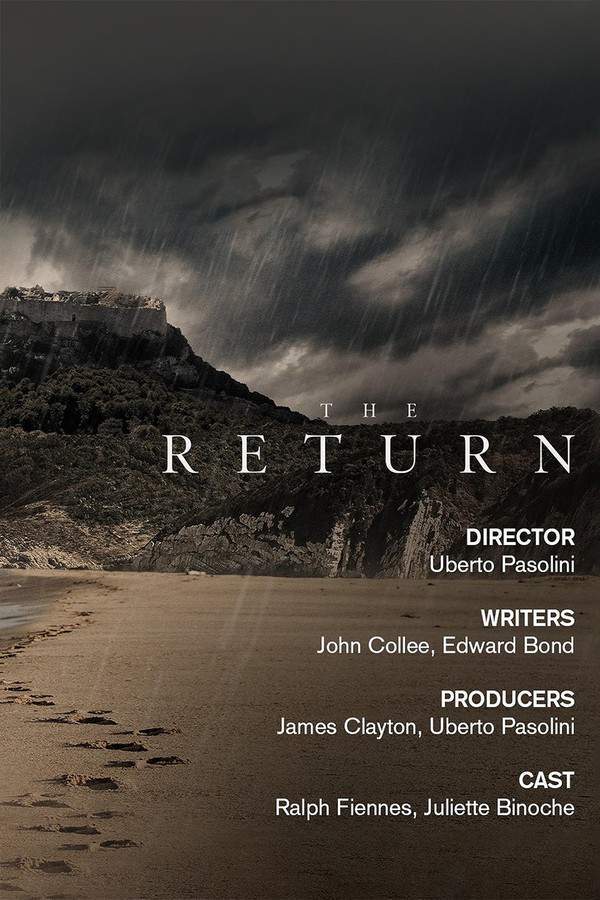
The Return
2004

In Another Country
2012

The Way Home
2002
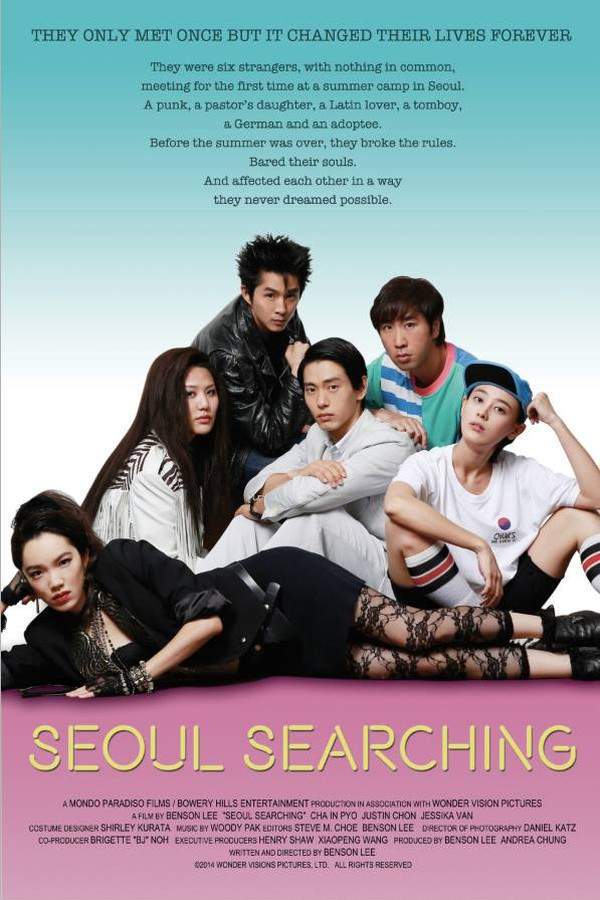
Seoul Searching
2016

Return to Me
2000
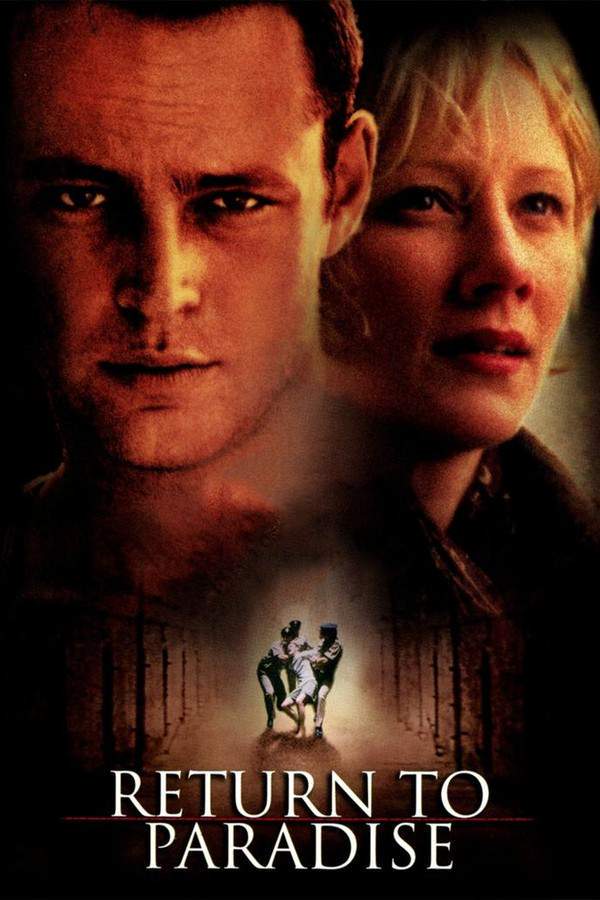
Return to Paradise
1998

I Remember You
2015
Gilsodom
1986

Born Again
1000

18 Again
1000

The Return of the Prodigal Son
1967

Home from Home
2009

The Return
1994

A Brand New Life
2009

Goodbye, Farewell
2024
Explore More About Movie Return to Seoul
Return to Seoul (2022) Plot Summary & Movie Recap
Return to Seoul (2022) Scene-by-Scene Movie Timeline
Return to Seoul (2022) Ending Explained & Theories
Return to Seoul (2022) Spoiler-Free Summary & Key Flow
Movies Like Return to Seoul – Similar Titles You’ll Enjoy
The Return (2004) Film Overview & Timeline
In Another Country (2012) Plot Summary & Ending Explained
The Way Home (2002) Full Movie Breakdown
Seoul Searching (2016) Full Summary & Key Details
Return to Me (2000) Movie Recap & Themes
Return to Paradise (1998) Film Overview & Timeline
I Remember You (2015) Spoiler-Packed Plot Recap
Gilsodom (1986) Film Overview & Timeline
Born Again (1000) Movie Recap & Themes
18 Again (1000) Full Movie Breakdown
The Return of the Prodigal Son (1967) Story Summary & Characters
Home from Home (2009) Plot Summary & Ending Explained
The Return (1994) Detailed Story Recap
A Brand New Life (2009) Detailed Story Recap
Goodbye, Farewell (2024) Ending Explained & Film Insights