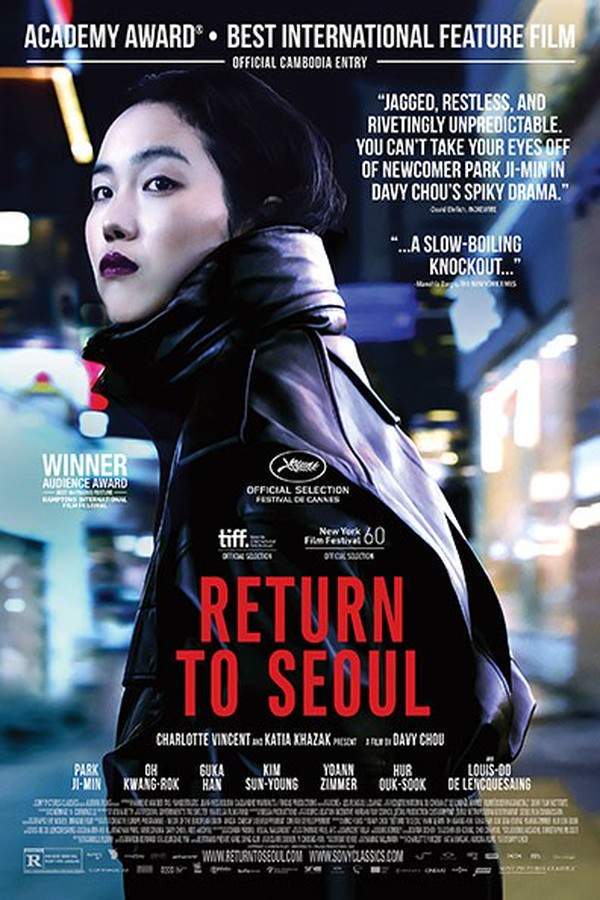
Return to Seoul
Freddie, a 25-year-old man living in the United States, unexpectedly returns to South Korea, his country of birth, hoping to discover more about his origins. During his journey, he explores the culture and confronts questions about his identity and place in the world. He navigates unfamiliar surroundings and seeks a deeper understanding of his heritage and family history.
Where to Watch Return to Seoul?
Find where to stream, rent, or buy Return to Seoul (2022) in the US with current JustWatch availability, up-to-date pricing, and platform listings for subscription, rental, and digital purchase options.







Warning: spoilers below!
Haven’t seen Return to Seoul yet? This summary contains major spoilers. Bookmark the page, watch the movie, and come back for the full breakdown. If you're ready, scroll on and relive the story!
Return to Seoul (2022) – Ending Explained & Final Scene Breakdown
Still thinking about how Return to Seoul (2022) ended? Here’s a full breakdown of the ending, key final moments, major twists, and the deeper meaning behind the film’s conclusion.
Freddie’s journey in Return to Seoul is driven by her search for identity and belonging, haunted by the ambiguity of her origins. Her impulsive arrival in Korea is a subconscious pull toward her past, even as she lives a relatively comfortable life in France with loving parents. Throughout the film, she oscillates between moments of reckless energy and deep vulnerability, revealing her fear of emotional exposure and her struggle to connect authentically. Her relationship with her birth family is fraught; they are both overbearing and unfamiliar, and her discomfort is heightened by her own inner turmoil. This tension culminates when she meets her birth father and his family, but her silence and mixed emotions underline her profound unease and disconnection.
As the story progresses, Freddie’s tumultuous romantic entanglements mirror her internal chaos. Her affection is often manipulative, driven by her need to be loved and validated, as well as her fears of abandonment. Her relationship with Korea itself becomes symbolic—her version of addiction and self-sabotage. She craves the acknowledgment she missed out on, but her fragile ego leads her to lash out at those attempting to care for her, especially when she perceives her father’s happiness or her boyfriend’s attention as threats. Despite her destructive cycles, there’s a hint of hope when she begins to confront her pain, evidenced by her genuine effort to change and her tentative connection with her mother.
In the film’s closing moments, Freddie adopts her original name, a symbolic step toward reclaiming her identity. She appears to find some peace through this act of self-acknowledgment and the hope for reconciliation with her past. However, the ending leaves us uncertain: she types an email to her mother, claiming she’s happy, but whether she actually sends it remains unknown. The email could represent her wish for closure or an act of denial, as her traumatised psyche might be too fearful or insecure to follow through. The film's conclusion suggests that her future is still open-ended—her journey toward healing is ongoing, and perhaps her growth depends on whether she embraces her true self and allows love to heal her wounds. Ultimately, Return to Seoul leaves us with a hopeful but cautious sense that Freddie’s path to self-acceptance is complex, fragile, and full of unresolved possibilities.
Last updated: June 25, 2025 at 08:57
Return to Seoul (2022) Ending Questions Answered – Ending FAQ
Read frequently asked questions about the ending of Return to Seoul (2022), including final-scene interpretation, twist explanations, character outcomes, and the deeper meaning behind the conclusion. This ending explained FAQ is designed for viewers searching for clear spoiler-heavy answers and ending breakdown insights.
What does Freddie's decision to use her original name at the end mean?
Freddie adopting her original Korean name represents a symbolic act of reclaiming her identity. Throughout the film, she has struggled with feelings of alienation and disconnection from her heritage. By returning to her birth name, she begins to acknowledge and accept the part of herself that she has been running from. However, the act is tentative, she is still in the process of healing, and this name change marks a beginning rather than a completed transformation.
Earlier in the film, Freddie repeatedly rejects her Korean identity, preferring the Americanized version of herself she has constructed.
Does Freddie actually send the email to her mother at the end?
The film deliberately leaves this ambiguous. Freddie types an email claiming she is happy and sends it, but the screen cuts away before we see whether she presses send. This uncertainty reflects her psychological state, she may be genuinely ready for reconciliation, or she may be performing closure she cannot actually follow through with. The ambiguity is central to the film's themes of unfinished business and fear of vulnerability.
Freddie has repeatedly sabotaged relationships when they approach emotional intimacy, making her inability to commit to the email consistent with her pattern.
What happens in the final scene of Return to Seoul?
In the closing moments, Freddie sits alone and types an email to her mother. Before she can send it, the film cuts to black. The scene is preceded by a moment of musical connection where Freddie plays piano, a rare instance of her allowing herself to feel something positive. The juxtaposition of this brief peace with the uncertain email creates the film's bittersweet conclusion.
The piano scene mirrors earlier moments when Freddie uses music as an emotional outlet, though she usually retreats from such vulnerability.
Is the ending of Return to Seoul happy or sad?
The ending is deliberately bittersweet. There is hope in Freddie's gesture toward her mother and her adoption of her original name, she is making progress toward self-acceptance. However, the uncertainty of whether she sends the email, combined with her history of self-sabotage, leaves the conclusion tinged with sadness. The film suggests healing is possible but not yet accomplished, leaving Freddie in a state of unresolved possibility.
Throughout the film, Freddie oscillates between moments of connection and retreat, making this ambiguous ending consistent with her pattern.
Why can't Freddie connect with her birth family at the end?
Freddie's inability to connect with her birth family stems from deep-seated fear of emotional vulnerability and rejection. Her birth family is both overbearing and unfamiliar, triggering her defensive reactions. Rather than allowing herself to be accepted, she perceives their attempts at connection as threats, particularly when she sees her father happy or senses his attention is divided. This fear of abandonment leads her to push away the very people who could provide the acceptance she craves.
Freddie's romantic relationships throughout the film follow the same pattern of manipulation and self-sabotage when she feels emotionally threatened.
What does the email Freddie writes represent thematically?
The email represents Freddie's desire for closure versus her fear of actually receiving it. Writing that she is happy may be an attempt to manifest the closure she needs, or it could be a denial mechanism, a way to claim resolution without risking the pain of genuine engagement. The fact that we never know if she sends it underscores the film's exploration of whether Freddie can truly allow herself to be vulnerable and accept love.
Freddie consistently avoids true emotional risk throughout the film, preferring to control narratives rather than open herself to potential rejection.
Does Freddie find self-acceptance by the end of the film?
Freddie takes significant steps toward self-acceptance by adopting her original name and attempting to contact her mother, but the film does not portray this as a completed journey. Her growth is fragile and uncertain, the hopeful piano moment is immediately followed by the ambiguous email. The ending suggests that self-acceptance is possible but requires her to move beyond performative gestures into genuine vulnerability, which remains unproven.
Her pattern of impulsive actions followed by retreat suggests she has not yet broken through to lasting change.
What does the open-ended conclusion suggest about Freddie's future?
The open ending leaves Freddie's future deliberately unresolved, reflecting the real nature of healing from adoption trauma. Her journey toward reconciliation, with her mother, her heritage, and herself, remains ongoing. The film suggests that whether she grows from this point depends on her willingness to be truly vulnerable, something the ambiguous email scene leaves in doubt. This uncertainty is the point: identity and belonging are complex, lifelong processes.
The film's steady pacing over several years already establishes that Freddie's healing cannot be rushed or resolved in a single moment.

Explore Movie Threads
Discover curated groups of movies connected by mood, themes, and story style. Browse collections built around emotion, atmosphere, and narrative focus to easily find films that match what you feel like watching right now.
Bittersweet Journeys of Self-Discovery like Return to Seoul
Emotional pilgrimages that leave characters forever changed but not fully resolved. If you were moved by Return to Seoul's exploration of identity, explore more movies like it. This collection features emotionally heavy dramas about characters searching for their roots, leading to bittersweet endings that are honest and reflective rather than neatly resolved.

The Bitter Orange
2007

Dark Illness
1990

Rabbit Hole
2010

Character
1997

Moonlight Mile
2002

Strange Weather
2017

I’ll Follow You Down
2013

Imaginary Heroes
2004
Return to Seoul
2022

Sweet Bird of Youth
1962

Longing
2017

Wintersleepers
1997

I've Loved You So Long
2008

Song of Tibet
2000

The Roads Not Taken
2020
Narrative Summary
Stories in this thread typically follow a protagonist, often displaced or alienated, who embarks on a quest to understand their past or their place in the world. The narrative is character-driven, unfolding over time, and built around emotionally charged encounters that peel back layers of identity. The climax is rarely a simple victory but an acceptance of a complex, often unresolved, new reality.
Why These Movies?
Movies are grouped here for their shared focus on the emotionally taxing process of self-discovery, a melancholic tone, and a willingness to embrace bittersweet conclusions. They resonate with viewers seeking profound, character-driven stories about belonging, heritage, and the scars of the past.
Quietly Powerful Character Portraits like Return to Seoul
Understated dramas that delve deep into a character's psyche without explosive drama. Fans of the reflective, character-focused style of Return to Seoul will appreciate these similar movies. This thread gathers steady-paced dramas with heavy emotional weight, where the narrative is driven by internal yearning and subtle psychological shifts.

The Unbearable Lightness of Being
1988

Interior
2018

Man of a Thousand Faces
1957

Silent Dust
1949
The Hungry Ghosts
2010

The Quiet One
2019

Lonelyhearts
1958

Five Easy Pieces
1970

Interior
2019

Dormant Beauty
2014

The Quiet
2006

Plenty
1985

Waking the Dead
2000

White Palace
1990

The Land of Steady Habits
2018
Narrative Summary
The narrative pattern is less about a traditional plot and more about tracing the emotional and psychological arc of a single, complex character. The story unfolds in a linear but unhurried manner, allowing space for the audience to sit with the character's feelings of loneliness, reflection, and alienation. The central conflict is internal—a battle with one's own identity and place in the world.
Why These Movies?
These movies are united by their meditative pace, heavy emotional focus, and melancholic atmosphere. They share a commitment to exploring the human condition through quiet observation and psychological depth, appealing to viewers who appreciate nuanced performances and thoughtful storytelling.
Unlock the Full Story of Return to Seoul
Don't stop at just watching - explore Return to Seoul in full detail. From the complete plot summary and scene-by-scene timeline to character breakdowns, thematic analysis, and a deep dive into the ending - every page helps you truly understand what Return to Seoul is all about. Plus, discover what's next after the movie.
Return to Seoul Summary
Read a complete plot summary of Return to Seoul, including all key story points, character arcs, and turning points. This in-depth recap is ideal for understanding the narrative structure or reviewing what happened in the movie.

Return to Seoul Timeline
Track the full timeline of Return to Seoul with every major event arranged chronologically. Perfect for decoding non-linear storytelling, flashbacks, or parallel narratives with a clear scene-by-scene breakdown.

Characters, Settings & Themes in Return to Seoul
Discover the characters, locations, and core themes that shape Return to Seoul. Get insights into symbolic elements, setting significance, and deeper narrative meaning - ideal for thematic analysis and movie breakdowns.


Similar Movies to Return to Seoul
Discover movies like Return to Seoul that share similar genres, themes, and storytelling elements. Whether you’re drawn to the atmosphere, character arcs, or plot structure, these curated recommendations will help you explore more films you’ll love.
The Return
2004

In Another Country
2012

The Way Home
2002

Seoul Searching
2016

Return to Me
2000

Return to Paradise
1998

I Remember You
2015
Gilsodom
1986

Born Again
1000

18 Again
1000

The Return of the Prodigal Son
1967

Home from Home
2009

The Return
1994

A Brand New Life
2009

Goodbye, Farewell
2024
Explore More About Movie Return to Seoul
Return to Seoul (2022) Plot Summary & Movie Recap
Return to Seoul (2022) Scene-by-Scene Movie Timeline
Return to Seoul (2022) Movie Characters, Themes & Settings
Return to Seoul (2022) Spoiler-Free Summary & Key Flow
Movies Like Return to Seoul – Similar Titles You’ll Enjoy
The Return (2004) Full Summary & Key Details
In Another Country (2012) Detailed Story Recap
The Way Home (2002) Film Overview & Timeline
Seoul Searching (2016) Movie Recap & Themes
Return to Me (2000) Detailed Story Recap
Return to Paradise (1998) Film Overview & Timeline
I Remember You (2015) Full Summary & Key Details
Gilsodom (1986) Ending Explained & Film Insights
Born Again (1000) Detailed Story Recap
18 Again (1000) Story Summary & Characters
The Return of the Prodigal Son (1967) Story Summary & Characters
Home from Home (2009) Detailed Story Recap
The Return (1994) Complete Plot Breakdown
A Brand New Life (2009) Full Movie Breakdown
Goodbye, Farewell (2024) Movie Recap & Themes