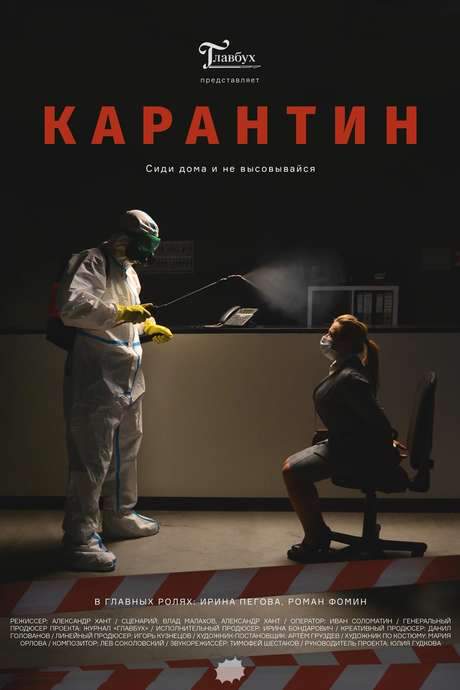
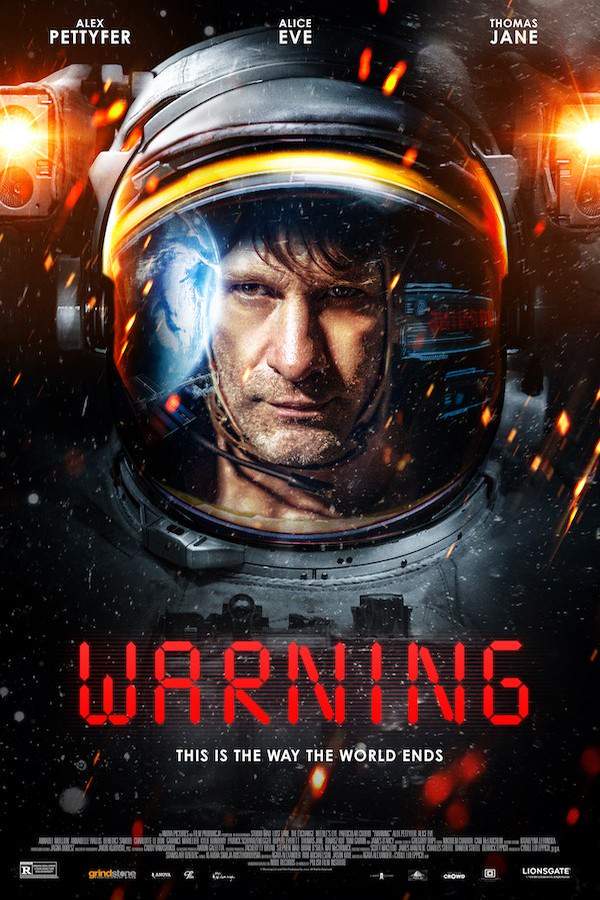
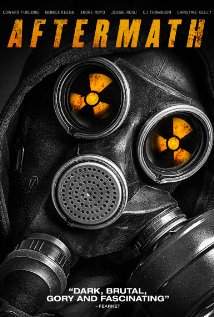
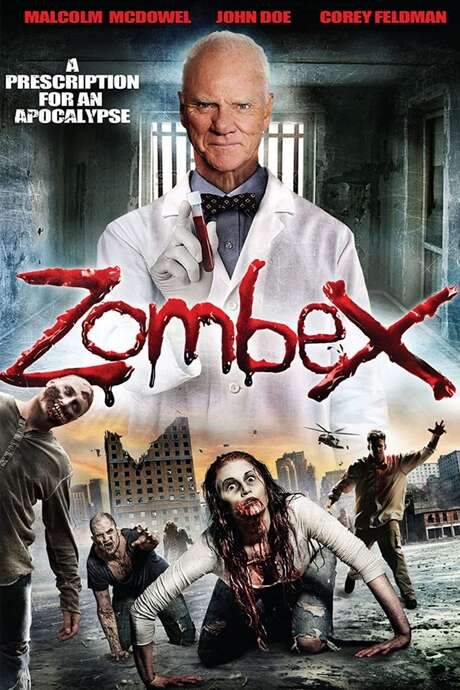
The cast includes Roman Fomin and Irina Petrova. The story drops us into a restless, sunlit-but-dangerous Los Angeles in July 2017, where a mysterious virus begins to spread with alarming speed and mystery. In the space of just two weeks, the outbreak escalates into a catastrophe, killing more than three-quarters of the population and sparking a global wave of panic that no one saw coming. As fear spreads, the U.S. government isolates the entire affected zone, effectively sealing off the city from the outside world and leaving residents to confront the crisis on their own terms.
As September arrives, the virus stubbornly mutates, taking on a new, terrifying form. Those it infects become rotting, corpse-like hybrids with an overwhelming hunger that can’t be ignored. daylight becomes a deadly threat to them—sunlight burns and damages their bodies—while nightfall offers a brief, predatory window in which they prowl with primal determination. The world outside the quarantine watches in bleak disbelief, and every effort to locate survivors inside the zone is declared futile by authorities who insist the city is beyond saving.
Then, on November 26, a local news channel broadcasts an exclusive message from within the crisis. J.S.O.C. Chief Sergeant Jake Miller appears on screen, revealing that he and a small group of six survivors remain trapped inside the infected zone, eking out a precarious existence on scarce supplies and limited resources. The broadcast challenges the official narrative that there are no survivors left and that the only path forward is a drastic, nuclear intervention. In a shocking turn, the film shows a nuclear strike planned to decontaminate Los Angeles, a decision framed by some as a necessary battle against a city-wide epidemic and by others as a calculated cover-up meant to erase the catastrophe by portraying it as a nuclear accident.
From the outset, the movie centers on the palpable tension between the few who fight to endure and the larger, opaque machinery of a government determined to control the narrative. The claustrophobic atmosphere—streets emptied of routine life, the eerie quiet after sundown, and the constant reminder that danger lingers in every corner—drives the suspense as survivors and officials alike grapple with questions of loyalty, truth, and survival under impossible pressure. The narrative unfolds with a steady, almost documentary-like focus on how quickly social order unravels when fear, scarcity, and fearsome new adversaries collide in a city that was once a symbol of resilience and beauty. The film quietly emphasizes themes of resilience, moral ambiguity, and the heavy cost of secrecy, inviting viewers to weigh the price of concealment against the desperate need to protect a broader population.
- The tone remains restrained and factual, avoiding melodrama while still delivering a sense of dread and urgency. The central conflict is not only the threat of the infected but also the ethical dilemma facing those who hold the keys to the city’s fate. As the endgame looms, the story invites reflection on what is more dangerous: the virus itself or the choices made in its wake.